admin
admin
The North Fork of Long Island, long celebrated as the "Napa Valley of the East," is currently undergoing a significant industrial and cultural shift as craft breweries begin to rival the region’s storied vineyards. For decades, this bucolic stretch of land was defined almost exclusively by its viticulture, drawing millions of visitors annually for its Cabernet Franc and Pinot Blanc. However, a new era of agrotourism has emerged, characterized by the rapid expansion of craft breweries that are utilizing the region’s rich agricultural heritage to produce a diverse array of IPAs, Pilsners, sours, and stouts. This evolution is transforming the North Fork into a multi-faceted beverage destination, where the "wine trail" is increasingly shared with a burgeoning "beer bandwagon."
The Evolution of the North Fork Landscape
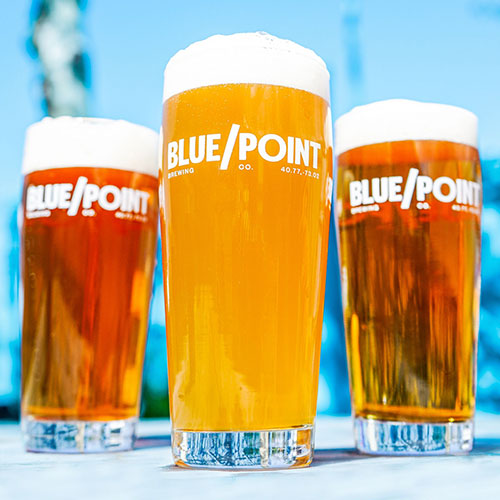
The transition of the North Fork from a monocultural wine destination to a diverse craft beverage hub did not occur overnight. While the region’s wine industry dates back to the planting of the first commercial vineyards in the 1970s, the craft beer movement in the area began to take root in the late 1990s. Blue Point Brewing Company, established in 1998 in nearby Patchogue, is widely credited with igniting the regional interest in craft suds. However, the movement truly migrated to the North Fork’s rural heart with the 2009 opening of Greenport Harbor Brewing Company.
Over the subsequent 15 years, the industry has grown exponentially. What was once a niche market is now a robust economic driver featuring award-winning establishments such as Jamesport Brewery, Eastern Front, Übergeek Brewery, Twin Fork Beer Co., and North Fork Brewing Company. These entities have moved beyond the traditional "taproom" model, evolving into expansive destinations that offer sophisticated culinary programs, live entertainment, and deep integration with local farming.
Historical Milestones and Legislative Catalysts
The proliferation of breweries on the North Fork can be traced back to several key legislative and economic shifts. Central to this growth was the New York State Craft Act of 2012. This legislation significantly reduced the costs and bureaucratic hurdles for small-scale brewers, particularly those who committed to using New York-grown ingredients. By creating the "Farm Brewery" license, the state incentivized brewers to source hops and grain locally, effectively mirroring the "estate-grown" model that had already proven successful for the region’s wineries.
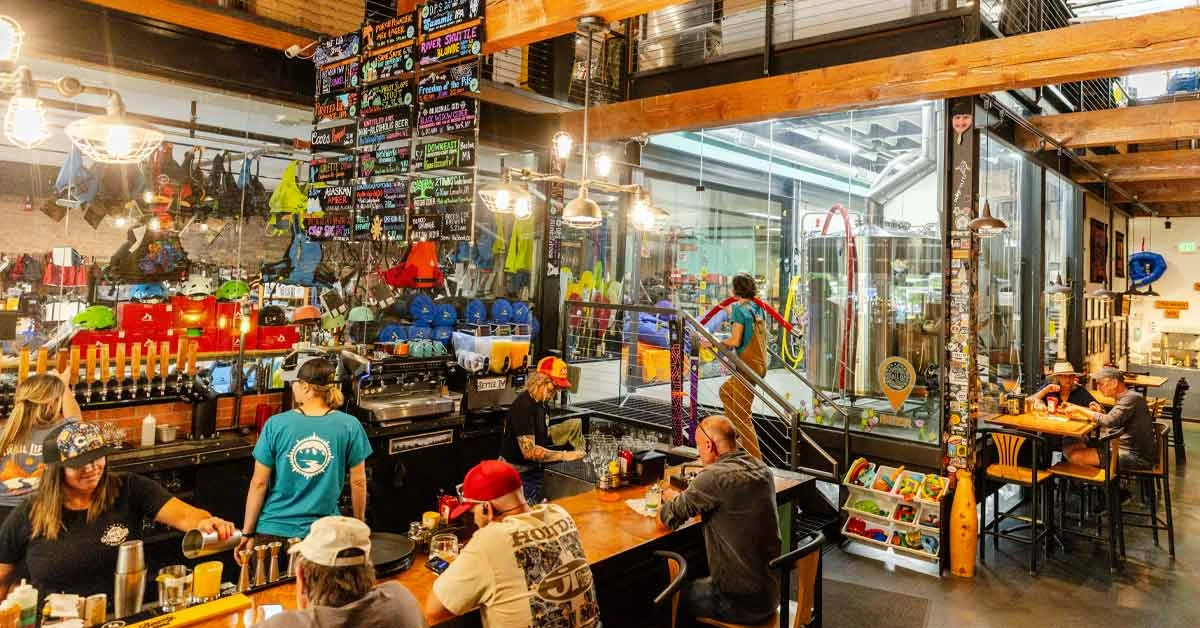
Greenport Harbor Brewing Company serves as a primary case study for this growth. Starting in a modest renovated firehouse in Greenport, the brewery’s success necessitated the opening of a second, larger location in Peconic. This facility features a state-of-the-art kitchen and several acres of outdoor space, reflecting a broader trend toward "destination brewing." According to Sean Galligan, head brewer at Greenport Harbor, the presence of a "brewing oasis" within wine country offers a necessary alternative for the modern tourist who seeks variety in their tasting experiences.
The Science and Art of the Pour: Innovation in the Brewhouse
The new wave of North Fork brewers is characterized by a blend of scientific precision and creative experimentation. Rob Raffa, the owner and brewmaster of Übergeek Brewery in Riverhead, represents this modern approach. A former student of physics and astrophysics, Raffa applies a rigorous analytical framework to his brewing process. Since taking over the former Moustache Brewing space in 2021, Raffa has overseen a dramatic expansion of his operations.
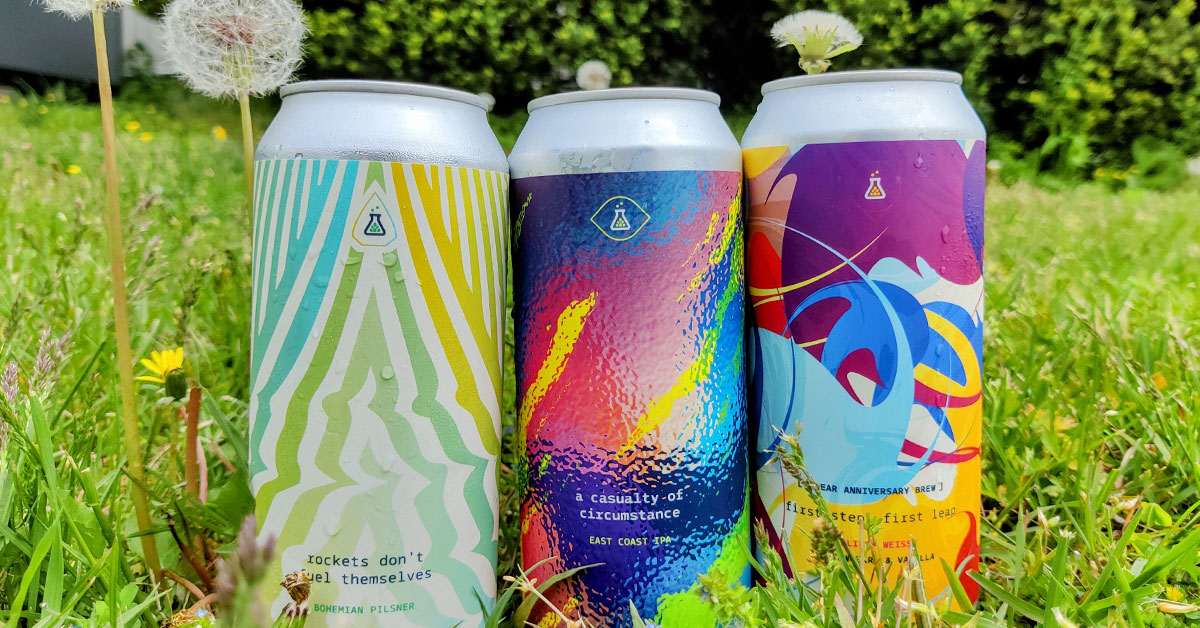
Übergeek’s growth reflects the high demand for craft products in the region. The brewery recently expanded from four fermenters to 16, with plans to double its brewhouse size and production output. Raffa’s portfolio includes beers with existential and avant-garde names such as "A Casualty of Circumstance," a citrusy East Coast IPA, and "Space Age Times, Stone Age Minds," a double IPA featuring tropical notes of mango and pineapple. This branding strategy, combined with high-quality production, has allowed Übergeek to carve out a distinct identity in a crowded market.
Similarly, Twin Fork Beer Co., founded by twin brothers Peter and Dan Chekijian, has found success by blending their passion for music with brewing. Their beers, named after musical theory terms like "Minuet Session IPA" and "Prelude Pilsner," highlight the artisanal nature of the craft. The Chekijians emphasize that their business model relies heavily on the existing tourism infrastructure built by the wine industry, noting that bike tours and charter buses now regularly include brewery stops on their itineraries.
The Terroir of the Pint: Integration with Local Agriculture
One of the most significant developments in the North Fork beer scene is the emphasis on "terroir"—a concept traditionally reserved for wine that describes how the local environment influences the flavor of a product. North Fork brewers are increasingly sourcing ingredients from the surrounding farmland to create beers that are uniquely tied to the Long Island landscape.
Peter Barraud, founder of North Fork Brewing Company, is a vocal advocate for this farm-to-glass philosophy. By collaborating with local entities such as Peconic River Herb Farm, Herricks Lane Farm, and CJ Van Bourgondien Greenhouses, Barraud incorporates niche ingredients like ancho chiles, fresh herbs, and seasonal fruits into his rotations. During the summer months, the use of local produce from Lewin Farms results in specialty offerings such as peach golden sours and strawberry-infused ales.
This agricultural synergy is most evident during the late summer hop harvest. In Orient Point, brewers like Galligan harvest Cascade and Willamette hops in the early morning hours, transporting them directly to the kettle to produce "fresh hop" beers on the same day. This level of freshness is a luxury afforded by the North Fork’s unique geography, where the distance between the farm and the brewery is often measured in miles rather than states.
Economic Impact and Market Data
The rise of craft beer on the North Fork is part of a larger statewide economic trend. According to data from the New York State Brewers Association, the craft beer industry contributes over $5 billion annually to the state’s economy. Suffolk County, which encompasses the North Fork, remains one of the top producers in the state.
The economic impact is not limited to beer sales alone. The "multiplier effect" of these breweries supports local construction, agriculture, and the service industry. Furthermore, the diversification of the "Alcohol Trail" has extended the tourist season. While summer remains the peak period, the robust nature of stouts, porters, and seasonal fall ales helps sustain visitor numbers into the cooler months, providing a more stable year-round economy for local residents.
A Symbiotic Relationship: Beer and Wine Coexistence
Contrary to the narrative of competition, the relationship between North Fork breweries and wineries is largely symbiotic. Industry leaders from both sectors acknowledge that a diverse range of options makes the region a more attractive destination for groups and families.
"We are riding the coattails of the wine business," Peter Chekijian of Twin Fork Beer Co. noted, acknowledging the foundational role the vineyards played in establishing the North Fork as a destination. This cooperation is visible in tasting rooms across the region; many wineries now carry local craft beers to accommodate guests who prefer grain to grape.
Collaborative projects have also begun to bridge the gap between the two industries. Greenport Harbor’s "Collaborations" series, which features beer conditioned on Carménère grapes from Osprey’s Dominion vineyard, recently won a silver medal at the 2024 New York State Craft Beer Competition. These cross-industry partnerships demonstrate a shared commitment to quality and a collective effort to showcase the region’s agricultural prowess.
Broader Implications and Future Outlook
The maturation of the North Fork’s beer industry suggests a permanent shift in the region’s identity. As breweries continue to expand their production facilities and enhance their hospitality offerings, the North Fork is solidifying its status as a premier national destination for agrotourism.
The future of the region likely involves even deeper integration between the various beverage sectors. With the arrival of craft distilleries and cideries alongside established breweries and wineries, the North Fork is becoming a comprehensive hub for artisanal fermentation. For business owners like Rob Raffa, the goal is clear: to ensure that there is "something for everyone."
As the industry moves forward, the challenges of sustainability and land use will remain at the forefront of the conversation. However, the current trajectory suggests that the North Fork’s brewing "oasis" is no longer just a supplement to the wine trail—it is a cornerstone of the region’s economic and cultural future. Visitors may still arrive with visions of rolling vineyards, but they are increasingly leaving with a newfound appreciation for the complex, locally-sourced pints that are defining the next chapter of Long Island’s North Fork.