admin
admin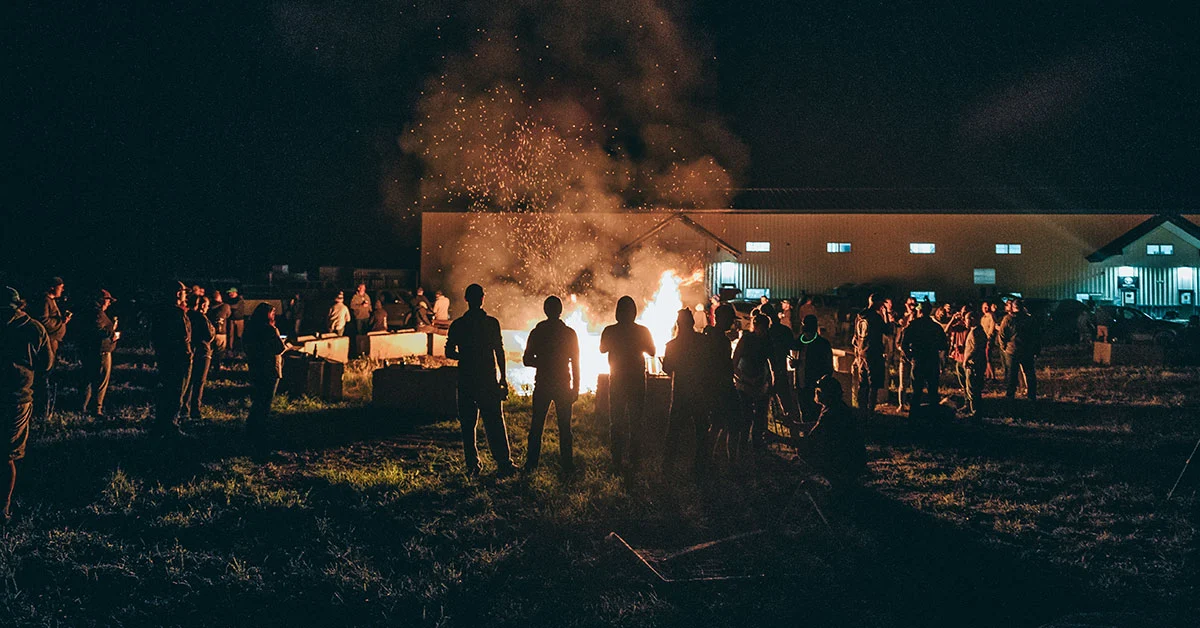
The landscape of the American craft beer industry is undergoing a significant structural shift as taproom owners seek innovative ways to monetize their real estate and capture a diversifying consumer base. In Mount Olive, North Carolina, Ryan Roberts, the owner of R&R Brewing, represents a growing cohort of entrepreneurs who have realized that "local beer" is no longer a sufficient lure to ensure long-term viability in a saturated market. After opening his brewery in 2018, Roberts observed that while his outdoor space was popular for food trucks and quick pints, a significant portion of his acreage remained functionally dormant. Faced with the reality of property taxes on underutilized land, Roberts pivoted toward the "experience economy" by integrating camping into his business model—a move that has since redefined his return on investment and provided a blueprint for breweries nationwide.
The Catalyst: The Post-Pandemic Camping Boom
The convergence of the craft beer and outdoor hospitality industries was accelerated by the COVID-19 pandemic. As indoor gathering restrictions pushed consumers toward open-air environments, the camping sector saw an unprecedented surge in participation. According to the 2023 Camping Report from the platform The Dyrt, the demand for campsites has reached record highs, making it increasingly difficult for travelers to secure reservations at traditional national and state parks. This scarcity has created a vacuum that private landowners, particularly those in the craft beverage sector, are now filling.
Data from The Dyrt indicates a strong demographic overlap between outdoor enthusiasts and craft beer consumers. Approximately 45 percent of active campers report bringing beer on their trips, with 37 percent of those beer-drinking campers specifically favoring craft varieties over domestic lagers. For brewery owners, this represents a "captive audience"—customers who not only purchase beverages and food during their stay but also spend on merchandise and take-home cans, all while remaining on-site overnight, which eliminates the logistical and safety concerns associated with driving after consumption.
Chronology of an Emerging Trend: From Primitive Parking to Boutique RV Parks
The evolution of brewery-based camping has followed a distinct timeline, moving from informal arrangements to highly regulated hospitality ventures.
In the early 2010s, the "build it and they will come" philosophy dominated the craft beer sector. As the number of breweries in the United States climbed toward 10,000, the novelty of the local taproom began to wane. By 2020, the industry reached a tipping point where differentiation became essential for survival.
In late 2020, Roberts joined Harvest Hosts, a membership program that connects self-contained RV travelers with unique overnight stays at farms, wineries, and breweries. The initial investment for Roberts was minimal—roughly $60 for signage and the provision of flat, level ground. The results were immediate. By December 2020, R&R Brewing welcomed its first campers, who traded the anonymity of a Walmart parking lot for the curated atmosphere of a local brewery. These visitors, Roberts noted, often spent upwards of $80 per stay in the taproom, turning "dirt" into a high-margin revenue stream.
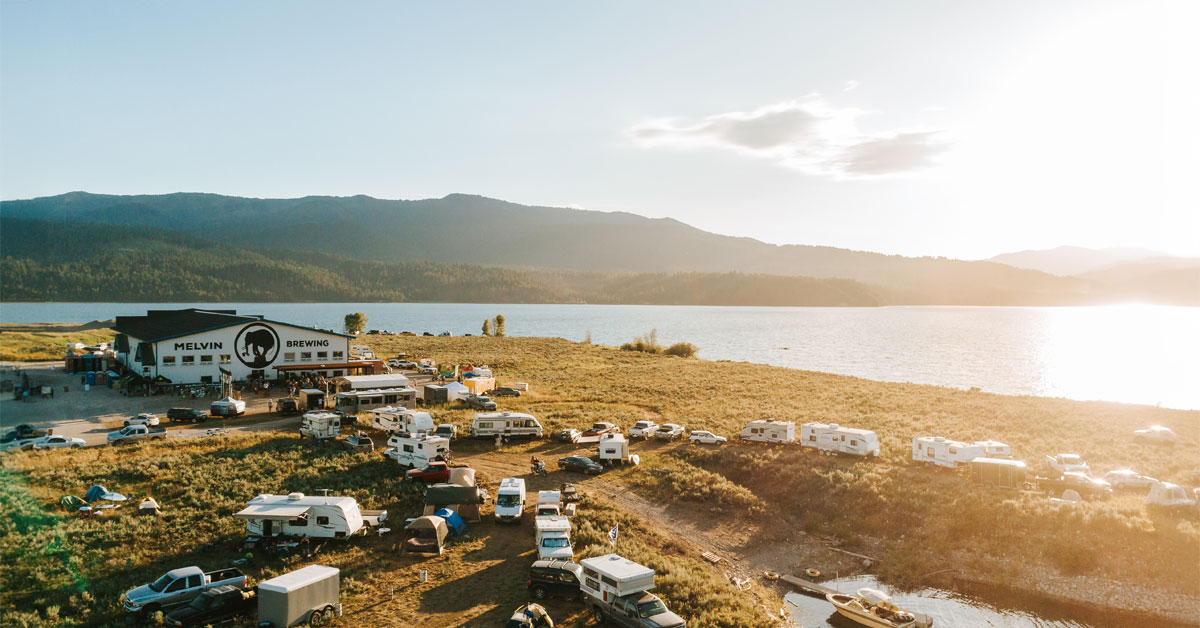
Further west, Melvin Brewing in Alpine, Wyoming, leveraged its proximity to the Palisades Reservoir and Bureau of Land Management (BLM) property. By offering no-frills, first-come, first-served dispersed campsites, the brewery positioned itself as a rugged destination for "off-the-grid" travelers. This model requires minimal infrastructure while maximizing the "wild Wyoming" brand identity that Melvin has cultivated.
By 2023 and 2024, the trend moved toward full-service integration. In Huntsville, Ohio, entrepreneur Doug Olsen reversed the traditional model by purchasing the Indian Lake Adventures campground and subsequently adding Camp Brewing to the property. This integrated approach ensures a constant stream of customers for the brewery while providing a value-added amenity for the campground, creating a symbiotic relationship between the two business units.
Economic Drivers and the Monetization of Space
The primary driver behind the integration of camping and brewing is the optimization of real estate. For rural breweries like Golden Grove Farm & Brew in Piedmont, South Carolina, land is the most abundant resource. Located near Interstate 85, where 50,000 vehicles pass daily, the brewery’s 100-acre site includes an 18-hole disc golf course and ample space for campers. Co-founder Andrew Brown has recognized the scalability of this model; Golden Grove is currently expanding its power infrastructure to accommodate 20 additional campers, with plans for a major campground expansion in the future.
The financial implications are significant. Beyond the direct sale of beer, campgrounds provide breweries with:
- Merchandise Revenue: Overnight guests are more likely to purchase high-margin items like t-shirts, glassware, and hoodies as souvenirs of their stay.
- Extended Stay Value: A typical taproom visitor might stay for 60 to 90 minutes. A camper remains on-site for 12 to 18 hours, often purchasing dinner, breakfast (if offered), and multiple rounds of drinks.
- Word-of-Mouth Marketing: The camping community is highly connected via apps like Hipcamp and Harvest Hosts. Positive reviews on these platforms drive a consistent flow of new customers without the need for traditional advertising spends.
Diverse Operational Models: Urban and Agricultural Integration
The brewery-camping trend is not limited to rural landscapes. In Colorado Springs, Mash Mechanix Brewing has demonstrated that urban breweries can also participate. Co-owner Leif Anderson, a veteran camper himself, converted a portion of the brewery’s paved parking lot into designated spaces for Sprinter vans and truck-bed campers. By offering views of Pikes Peak and proximity to urban tourist attractions, Mash Mechanix has expanded its customer base to include cross-country travelers who might otherwise have bypassed a city-center taproom.
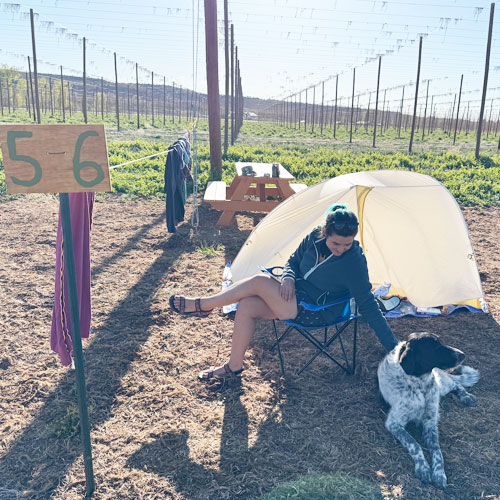
In Montrose, Colorado, Billy Goat Hop Farm has introduced an educational component to the experience. Their "Down at the Hopyard" campground allows guests to sleep beside the very bines that produce the ingredients for their beer. This "agritourism" model provides a deeper connection to the product, reinforcing the brewery’s brand as a farm-to-glass establishment.
Regulatory Challenges and Operational Hurdles
Despite the clear economic benefits, the fusion of brewing and hospitality presents complex regulatory challenges. Operating a campground requires different licensing, insurance, and staffing than running a taproom.
Doug Olsen of Camp Brewing noted that managing the "outside beverage" policy is a common friction point. While campers are permitted to bring their own supplies to their campsites, strict liquor laws often prohibit them from bringing those same beverages into the brewery’s licensed taproom. Furthermore, breweries must navigate local zoning ordinances, which may not have been updated to account for multi-use properties that combine industrial brewing with overnight lodging.
Staffing also becomes more complex. Maintaining a campground involves groundskeeping, waste management, and 24-hour guest relations—skills that do not necessarily overlap with those of a beertender or a head brewer. For establishments like Boothbay Craft Brewery in Maine, the solution was to evolve into a "boutique RV park." Owners Win and Lori Mitchell have spent two decades refining their 10-acre property, replacing old cabins with modern RV hook-ups and offering a high-end tavern menu featuring local oysters and lobster. This level of service requires a robust hospitality staff and a significant capital investment in infrastructure.
The Role of Festivals and Event-Based Camping
Camping has also become a critical component of the beer festival circuit, particularly for events located in areas with limited hotel capacity. The Burning Foot Beer Festival in Muskegon, Michigan, utilizes its beachfront location on Lake Michigan to offer 300 campsites. This strategy solves the dual problem of lodging shortages and transportation safety, allowing attendees to enjoy the festival and walk back to their tents.
However, the market remains volatile. Brewery Ommegang in Cooperstown, New York, recently had to cancel its long-running "Belgium Comes to Cooperstown" festival for 2024. Despite the historical success of the event’s camping component, brewery officials cited lower-than-projected ticket sales as the reason for the cancellation. This serves as a cautionary tale for the industry: while camping is a powerful draw, it cannot fully insulate a business from broader economic shifts or changes in consumer spending habits.
Broader Implications for the Craft Beer Industry
The trend of breweries opening campgrounds represents a broader shift toward "slow tourism" and experiential retail. As the craft beer market matures, the focus is moving away from rapid expansion and toward deepening the relationship with existing customers. By providing a place to sleep, breweries are no longer just beverage producers; they are destination hosts.
Industry analysts suggest that this diversification is a survival mechanism. With rising costs of goods and a stabilization of beer consumption nationwide, breweries must find ways to increase the "lifetime value" of every customer who walks through their doors—or parks in their lot. The integration of camping allows breweries to leverage their existing assets—land, atmosphere, and community—to create a resilient business model that thrives on the growing American desire for unique, outdoor-centric experiences.
As the 2024 travel season progresses, the success of pioneers like R&R Brewing and Boothbay Craft Brewery suggests that the future of craft beer may not just be in the glass, but in the ground beneath the traveler’s feet. For the modern brewery, "making the dirt more valuable" is becoming as important as the quality of the brew itself.