admin
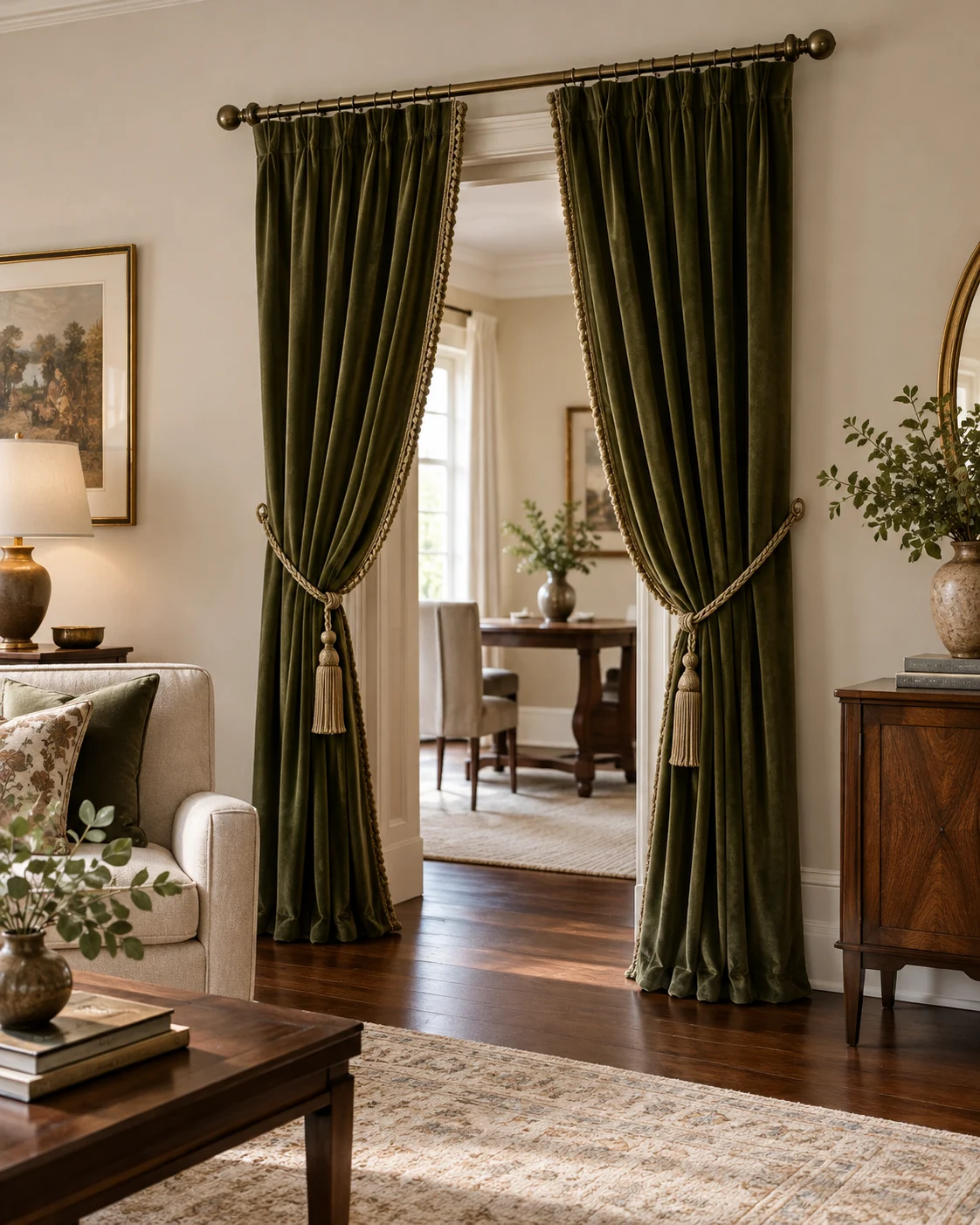
The portiere curtain, a heavy drapery suspended within a doorway, is experiencing a significant resurgence in contemporary interior design as homeowners seek versatile solutions for energy conservation and spatial flexibility. Historically rooted in the Aesthetic Movement of the late 19th century, this design element serves as a functional alternative to permanent doors, offering a unique combination of thermal insulation, acoustic dampening, and visual softness. As modern architecture pivots away from the rigid open-concept layouts of the early 21st century toward more adaptable "broken-plan" living, the portiere has emerged as a primary tool for designers to define spaces without compromising the architectural flow of a home.
The Historical Evolution of the Portiere
The term "portiere" is derived from the French word portière, which itself stems from porte (door) and porter (to carry or a doorkeeper). While curtains have been used to cover openings since antiquity, the portiere as a specific decorative and functional category gained prominence during the Victorian era. During this period, the Aesthetic Movement—which emphasized "art for art’s sake"—encouraged the use of rich textiles to beautify every aspect of the domestic environment.
In the 1870s and 1880s, portieres were essential in high-ceilinged, drafty manor houses. Before the advent of modern central heating, maintaining a consistent temperature in large homes was nearly impossible. Portieres were strategically placed in the wide "archways" or "cased openings" that connected formal parlors to hallways. By drawing these heavy curtains, residents could trap heat from fireplaces within a single room, significantly increasing thermal comfort.
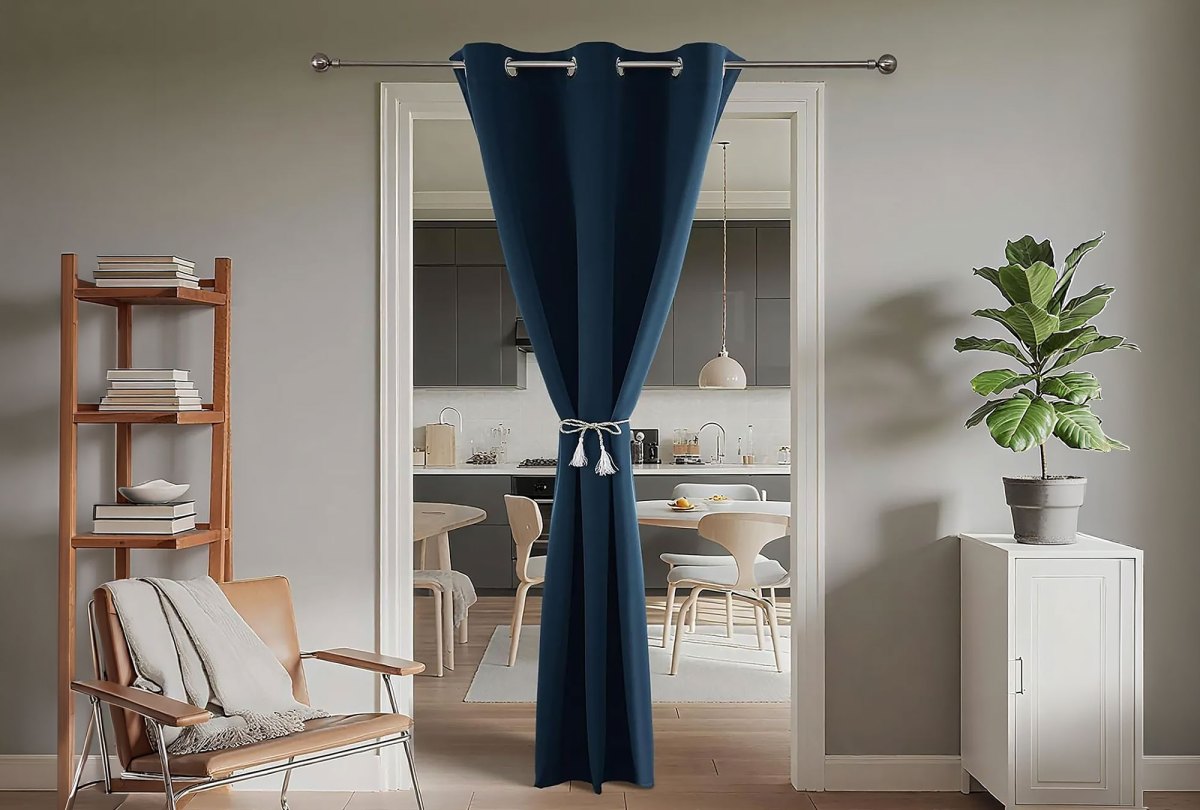
By the early 20th century, the portiere began to fade from mainstream popularity as the Arts and Crafts movement and subsequent Mid-Century Modernism favored cleaner lines and integrated mechanical systems. However, the architectural charm of these features remained in historic homes, and today, they are being rediscovered by a new generation of designers who value the "soft architecture" that textiles provide.
Functional Benefits: Thermal Regulation and Energy Efficiency
One of the primary drivers behind the modern revival of portieres is the increasing focus on sustainable living and energy efficiency. According to data from the U.S. Department of Energy, heat loss through windows and doors can account for approximately 25% to 30% of residential heating and cooling energy use. While much of this discussion focuses on exterior windows, internal drafts in older homes or large open-plan residences can also lead to significant energy waste.
Swati Goorha, founder and principal designer of Swati Goorha Designs, emphasizes the portiere’s role as a physical barrier. "These draperies were normally made from heavier materials like velvet, woolen, tapestries, etc.," Goorha notes. The density of these fabrics is critical; the higher the GSM (grams per square meter) of the textile, the more effective it is at limiting the exchange of air between rooms. By sealing off a hallway or an unused guest wing, a portiere prevents "chimney effects," where warm air rises and escapes through uninsulated stairwells or corridors.
In modern applications, portieres are often lined with thermal interlinings—specialized layers of felt or flannel—that increase their R-value (resistance to heat flow). This makes them an ideal solution for homeowners living in historic properties where installing modern swinging doors would be architecturally inappropriate or physically impossible due to spatial constraints.
The Psychology of Privacy and the "Broken-Plan" Trend
The architectural landscape of the last three decades was dominated by the "open-concept" floor plan, which removed walls to create large, multi-functional spaces. However, the COVID-19 pandemic and the subsequent rise of permanent remote work have highlighted the limitations of these layouts, particularly regarding noise pollution and the lack of visual privacy.
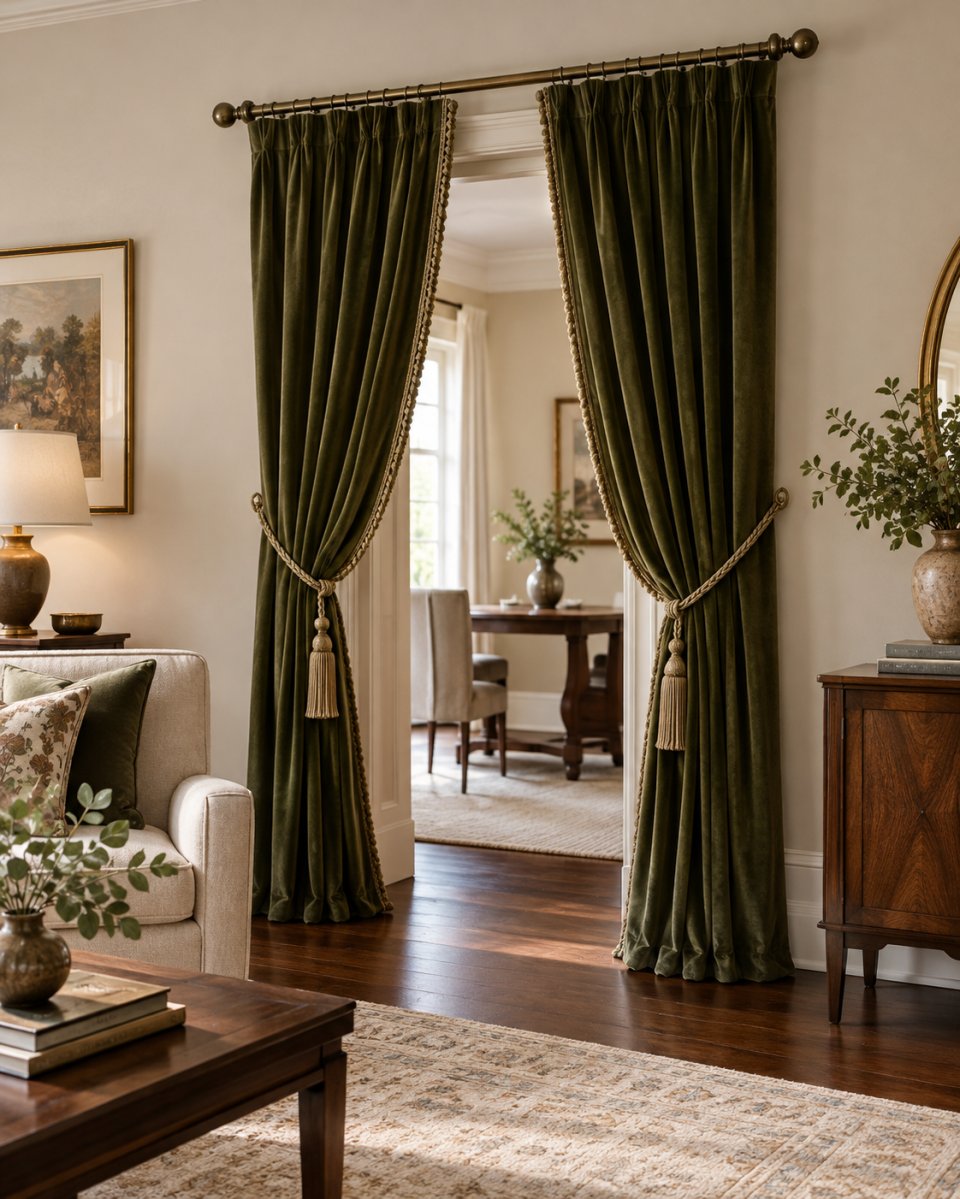
Interior designers are now advocating for "broken-plan" living, a middle ground that maintains the light and airy feel of an open space while providing clear boundaries. The portiere is the quintessential tool for this transition. Sheeja Nair, owner and principal designer at Raashi Design, observes that portieres add a sense of privacy while softening the edges between rooms.
"The most desirable advantage of using a portiere is that you are able to create private space, such as a home office, a reading nook, or a dining room, but still be able to connect those spaces at any time by simply opening the curtains," explains Goorha. Unlike a solid wood door, which creates a hard psychological barrier, a curtain suggests a temporary "pause" in the home’s flow. It allows for acoustic dampening—reducing the bounce of sound waves off hard surfaces like hardwood floors and plaster walls—without the claustrophobia that can sometimes accompany small, closed-off rooms.
Technical Specifications and Installation Requirements
To achieve the full benefits of a portiere, specific installation techniques must be followed. Because portieres are viewed from both sides, they require a higher level of craftsmanship than standard window treatments.
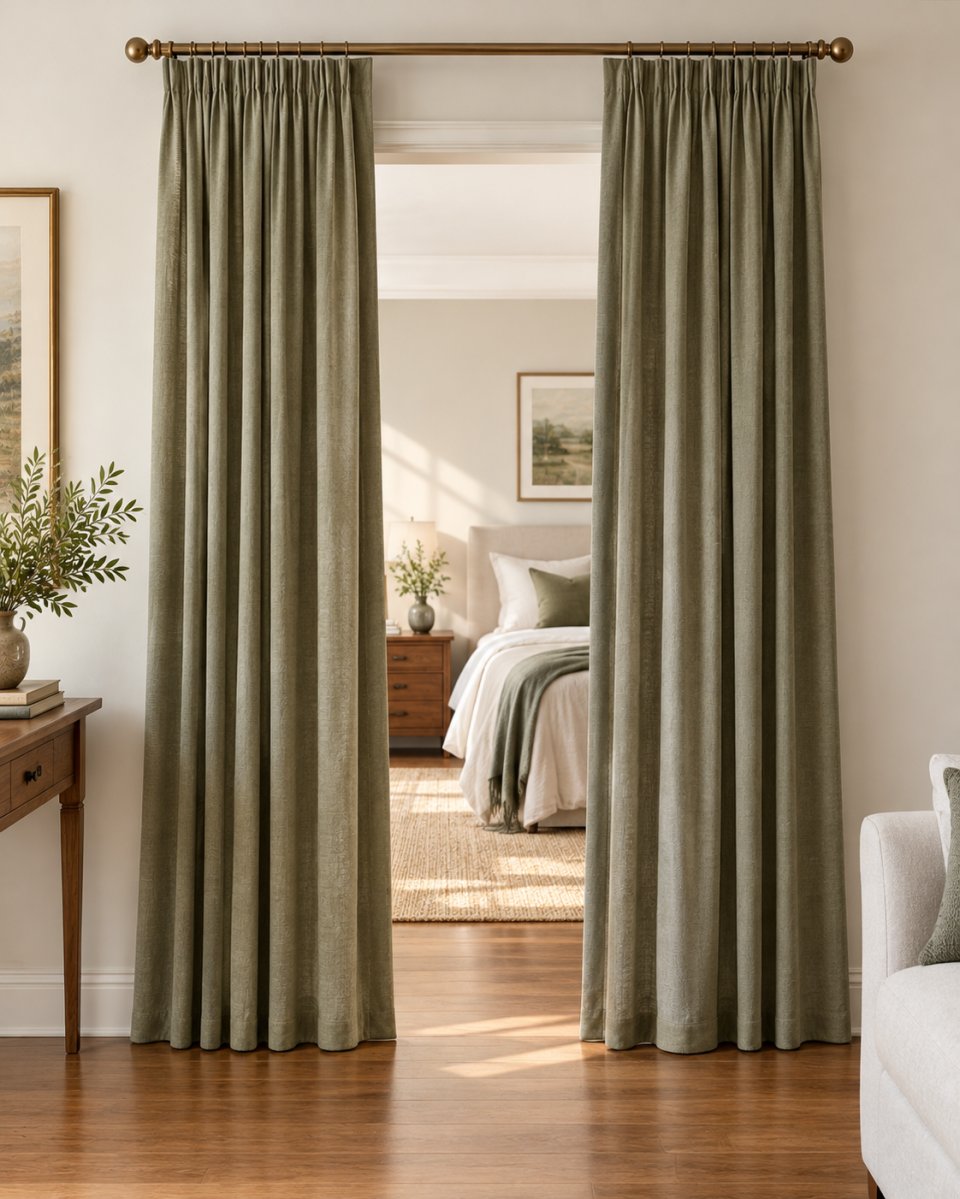
- Double-Sided Construction: A standard window curtain often has a visible lining on the back. A portiere, however, must be "face-fabric" on both sides or finished with deep, decorative hems that conceal all internal seams. This ensures the installation looks polished whether one is entering or exiting the room.
- Fabric Weight and Choice: Designers recommend heavy-weight textiles such as velvet, mohair, or dense wool blends. These fabrics drape elegantly and provide the necessary mass for draft exclusion. For a more contemporary look, heavy linens with thick interlinings can provide a similar effect without the traditional sheen of velvet.
- Hardware Selection: The hardware must be robust enough to support the significant weight of double-sided heavy fabric. Rods are typically mounted inside the door frame (IB – Inside Bracket) to create a snug fit that minimizes air gaps. Alternatively, "swinging crane" rods—hinged brackets that allow the entire curtain and rod to swing open like a door—are a popular choice for narrower openings.
- Length and "Puddling": For maximum thermal efficiency, portieres should touch the floor or even "puddle" slightly (adding 1–2 inches of extra length). This creates a seal at the bottom of the doorway, preventing cold air from "creeping" along the floorboards.
Comparative Analysis: Portieres vs. Traditional Doors
While portieres offer numerous advantages, they are not a universal replacement for solid doors. A factual analysis of their performance reveals clear distinctions:
- Security: A portiere offers zero security. It cannot be locked and provides no physical resistance. Therefore, it is strictly an interior solution.
- Acoustics: While fabric is excellent at absorbing high-frequency sounds and reducing echoes, it does not have the "STC" (Sound Transmission Class) rating of a solid-core wood door. It will not block out the sound of a television or loud conversation as effectively as a sealed door.
- Spatial Efficiency: This is where the portiere excels. In small homes or urban apartments, the "swing" of a traditional door can consume up to 10 square feet of usable floor space. A portiere requires only the thickness of the rod, making it the superior choice for tight corridors or small bedrooms.
- Cost: A custom, double-sided velvet portiere with high-end hardware can often cost as much as, or more than, a standard interior door. However, the installation is non-permanent and does not require the structural modifications (such as framing or drywall work) that adding a new door would necessitate.
The Broader Impact on Modern Interior Design
The resurgence of the portiere reflects a broader shift in the design industry toward "maximalism" and "grandmillennial" aesthetics, which embrace historical patterns, textures, and forgotten architectural features. By reintroducing portieres, homeowners are reclaiming a sense of "coziness" that was often lost in the minimalist movements of the early 2000s.
Furthermore, the portiere aligns with the growing "Universal Design" movement. For individuals with mobility issues or those using wheelchairs, heavy swinging doors can be difficult to navigate. A portiere provides a lightweight, easily maneuverable barrier that offers privacy without the physical struggle of a traditional door handle or the weight of a solid slab.
As energy costs continue to fluctuate and the demand for flexible home environments remains high, the portiere is likely to transition from a "vintage comeback" to a staple of modern interior architecture. It represents a rare intersection where historical charm meets practical, modern necessity, proving that sometimes the best solutions for the future are found in the designs of the past. By combining clean-line hardware with custom pleated folds, as suggested by Goorha, the 19th-century "doorkeeper" is successfully finding its place in the 21st-century home.