admin
As the Northern Hemisphere transitions into the final weeks of autumn, November serves as a critical window for homeowners to finalize winterization efforts while preparing for the increased logistical demands of the holiday season. This period is characterized by a dual focus: fortifying the home’s exterior and mechanical systems against plummeting temperatures and optimizing the interior for high-traffic hospitality. Professional home inspectors and energy consultants emphasize that proactive maintenance during this month can prevent costly emergency repairs during the deep freeze of January and February. Industry data suggests that homes properly winterized in November can see a reduction in seasonal energy expenditures by as much as 15 to 20 percent. Furthermore, with Thanksgiving marking the busiest period for residential kitchens, safety protocols and appliance maintenance become paramount to preventing property damage and ensuring the continuity of holiday events.

Optimization of Thermal Regulation through Smart Technology
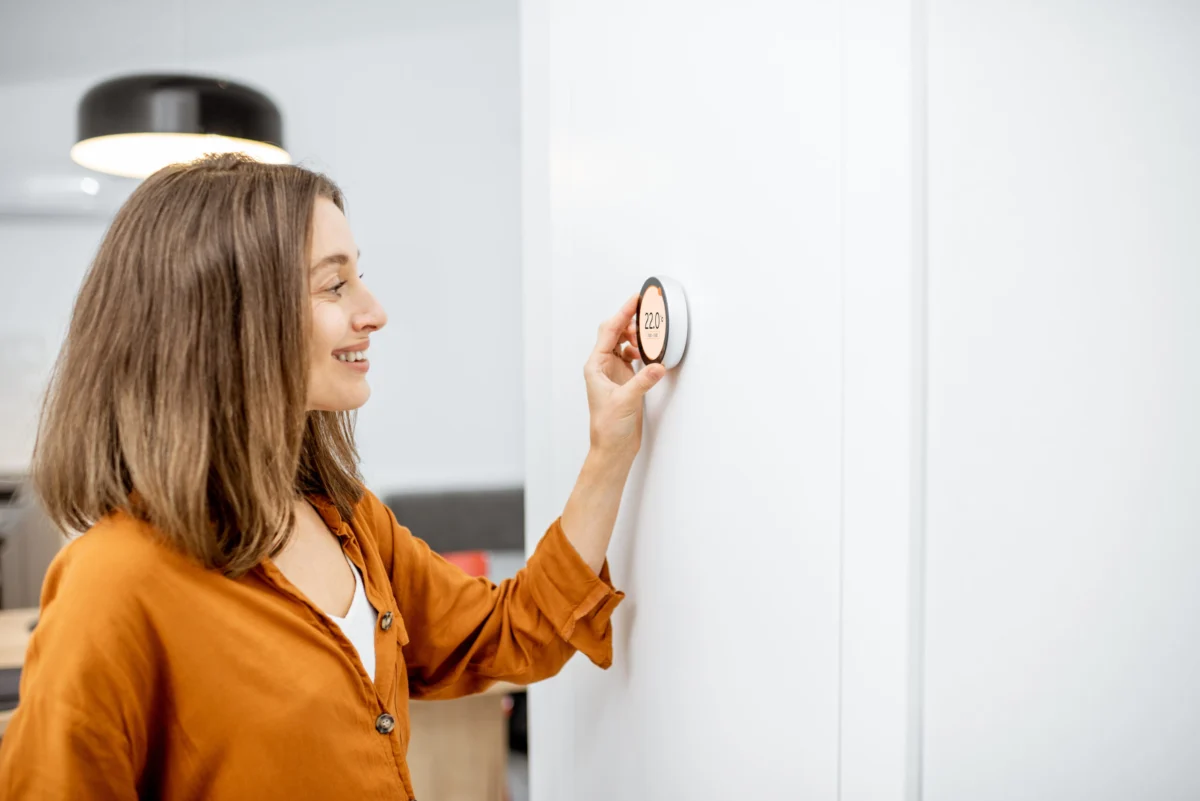
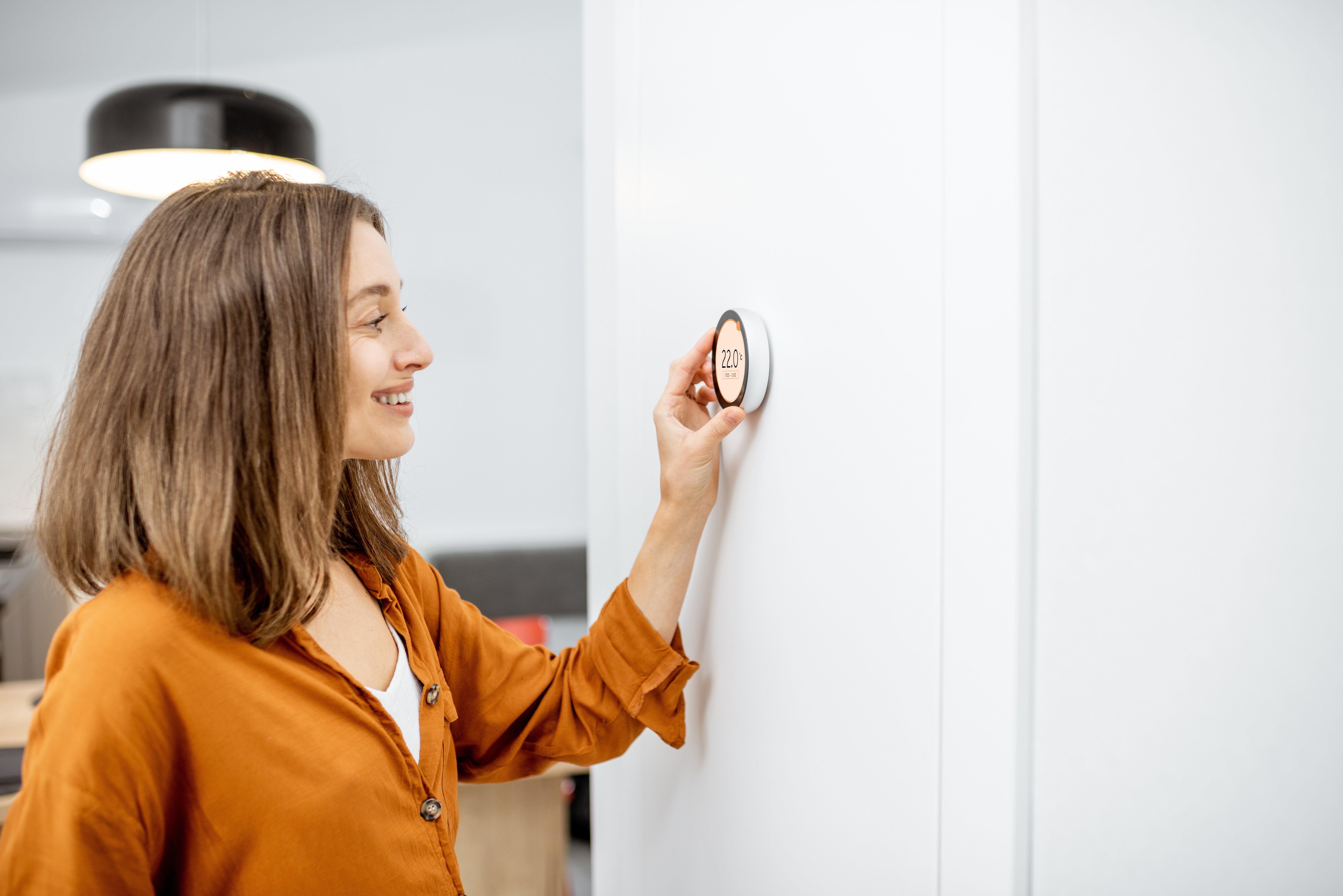
The installation of a programmable or smart thermostat represents one of the most immediate and cost-effective methods for managing rising winter heating costs. According to the U.S. Department of Energy, homeowners can achieve significant savings—approximately 10 percent annually on heating and cooling—by adjusting their thermostat settings by 7 to 10 degrees Fahrenheit for eight hours a day from their normal settled temperature. In the context of November, as outdoor temperatures begin to fluctuate wildly, these devices offer a level of precision that manual dials cannot match.
Modern smart thermostats, such as the Google Nest Learning Thermostat, utilize machine learning algorithms to analyze a household’s schedule. By identifying when the home is unoccupied or when residents are sleeping, the device automatically lowers the heat, reducing the workload on the furnace or heat pump. This technological shift is part of a broader trend in residential energy management where "set-it-and-forget-it" solutions are replacing manual oversight. Beyond the financial incentives, reducing energy consumption during the peak winter months lessens the strain on local power grids, which often face heightened demand during cold snaps.
Fortifying the Building Envelope: Attic Insulation and R-Values
While internal temperature regulation is vital, it is ineffective if the home’s building envelope is compromised. The attic serves as the primary thermal barrier between the living space and the outdoor environment. Engineering experts note that because heat rises, an under-insulated attic acts as a significant "thermal bridge," allowing up to 25 percent of a home’s heat to escape through the roof. This process not only increases energy bills but also contributes to the formation of ice dams, which can cause structural damage to gutters and shingles.
When evaluating attic insulation in November, homeowners must consider the "R-value," a measure of the material’s resistance to conductive heat flow. The higher the R-value, the greater the insulating effectiveness. For residents in colder northern regions, manufacturers like Johns Manville suggest an R-value of at least 38, though R-49 to R-60 is increasingly becoming the standard for high-efficiency homes. Upgrading insulation is often a one-time investment that pays for itself through reduced utility costs within a few seasons. Homeowners should also inspect for gaps around recessed lighting, plumbing stacks, and attic hatches, sealing these with spray foam or weatherstripping to prevent "bypass" air leaks.

Mitigating Fire Risks During the Thanksgiving Peak
Safety remains a top priority in November, as the month coincides with a statistical peak in residential fires. Data from the National Fire Protection Association (NFPA) consistently identifies Thanksgiving as the leading day for home cooking fires, with incidents occurring at three times the daily average. The convergence of multiple active appliances, high-fat cooking (such as deep-frying turkeys), and household distractions creates a high-risk environment.
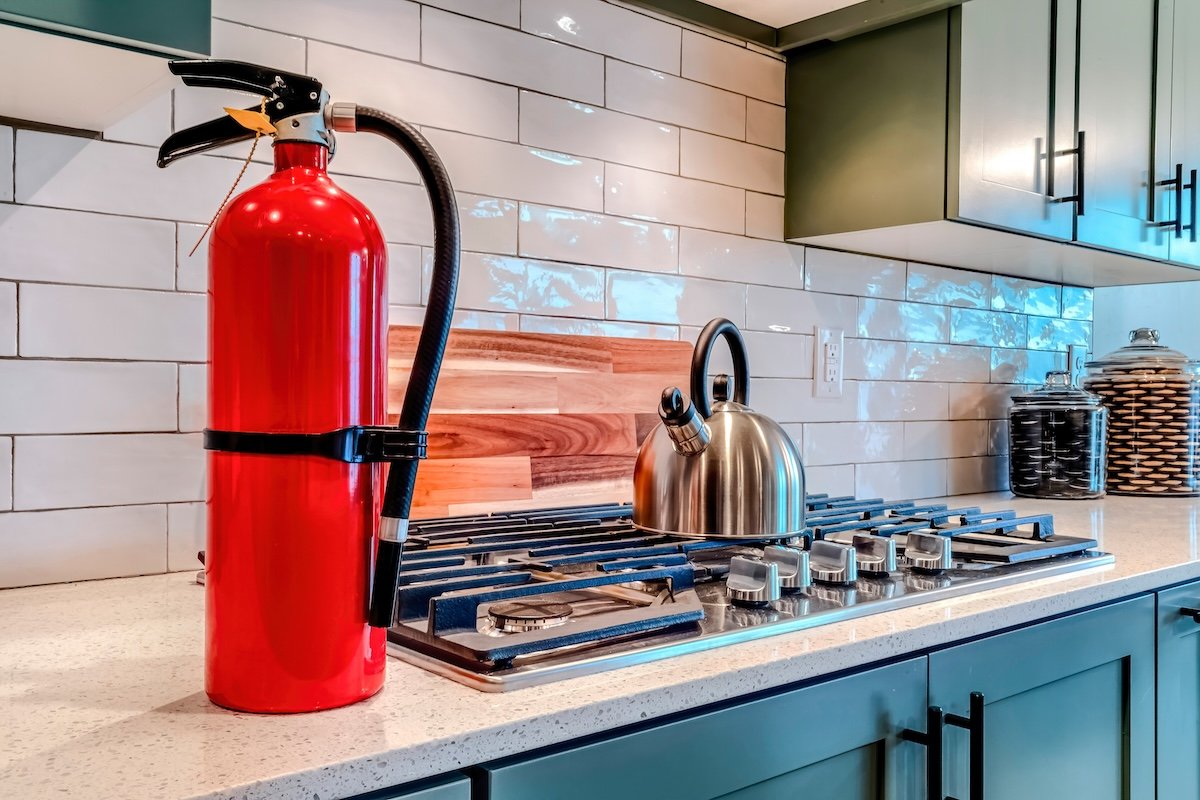
Equipping the kitchen with a dedicated fire extinguisher is a non-negotiable safety requirement. Homeowners should ensure they possess a Class B or K extinguisher, specifically designed for grease and oil fires, rather than relying on water, which can exacerbate a grease fire. It is also essential to verify that existing extinguishers have not expired and that the pressure gauge remains in the "green" zone. Beyond the hardware, November is the ideal time to clean stovetop drip pans and ovens. Accumulated grease is highly flammable; however, experts warn against using an oven’s self-cleaning cycle in the days immediately preceding a major holiday. The extreme temperatures used during self-cleaning can strain older heating elements and electronic control boards, potentially leading to appliance failure at the most inconvenient moment.
Infrastructure Protection: Pipe Winterization and Water Heater Efficiency
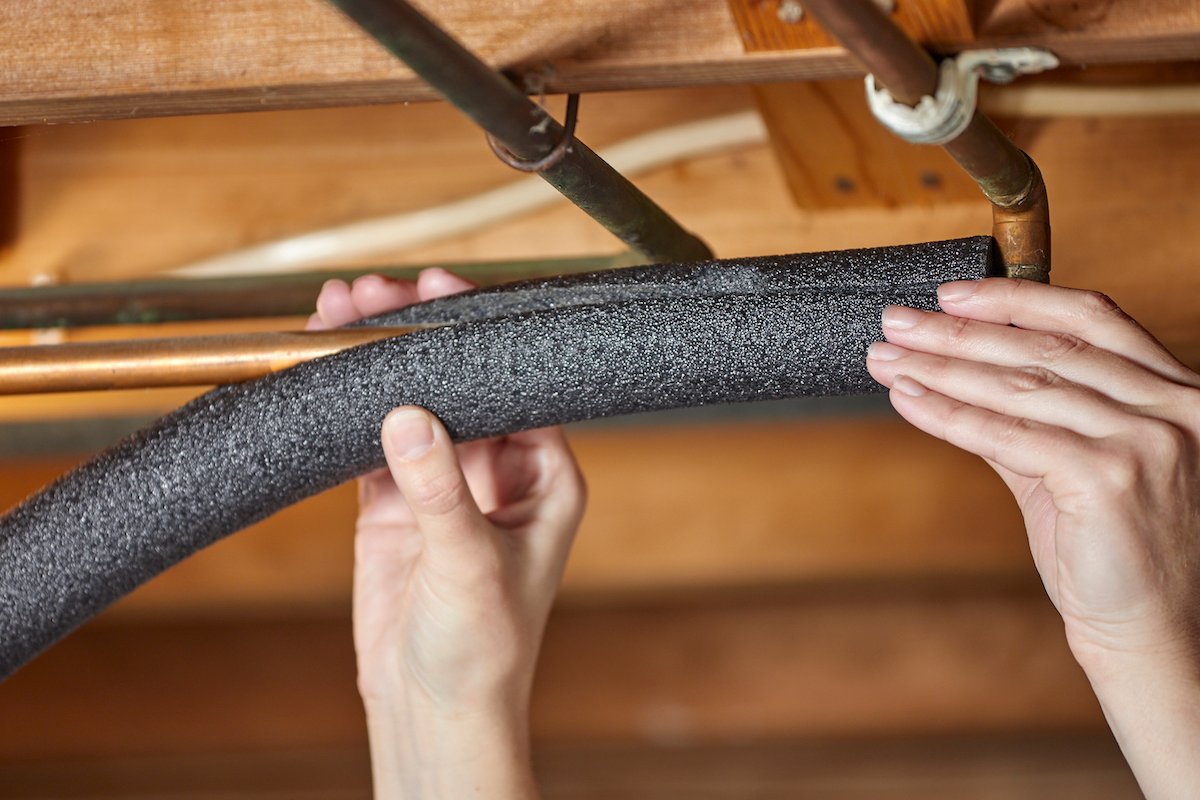
As ground temperatures drop, the risk of frozen and burst pipes increases. Pipes located in unheated areas—such as crawl spaces, basements, and exterior walls—are particularly vulnerable. When water freezes, it expands, exerting pressure that can exceed 40,000 psi, easily rupturing copper or PEX piping. To prevent this, homeowners should install foam pipe sleeves or utilize UL-listed heating cables (often referred to as heat tape). These cables are equipped with thermostats that activate the heating element only when temperatures approach freezing.
Simultaneously, the water heater requires attention. Because these units are often housed in unconditioned spaces, they suffer from "standby heat loss" as the warm water inside the tank loses energy to the cold surrounding air. Installing an insulating water heater blanket can reduce standby heat losses by 25 to 45 percent, resulting in a 4 to 9 percent savings in water heating costs. This is a simple DIY task that typically costs less than $30 but provides year-round benefits.
Outdoor Logistics and the Aesthetics of Holiday Lighting
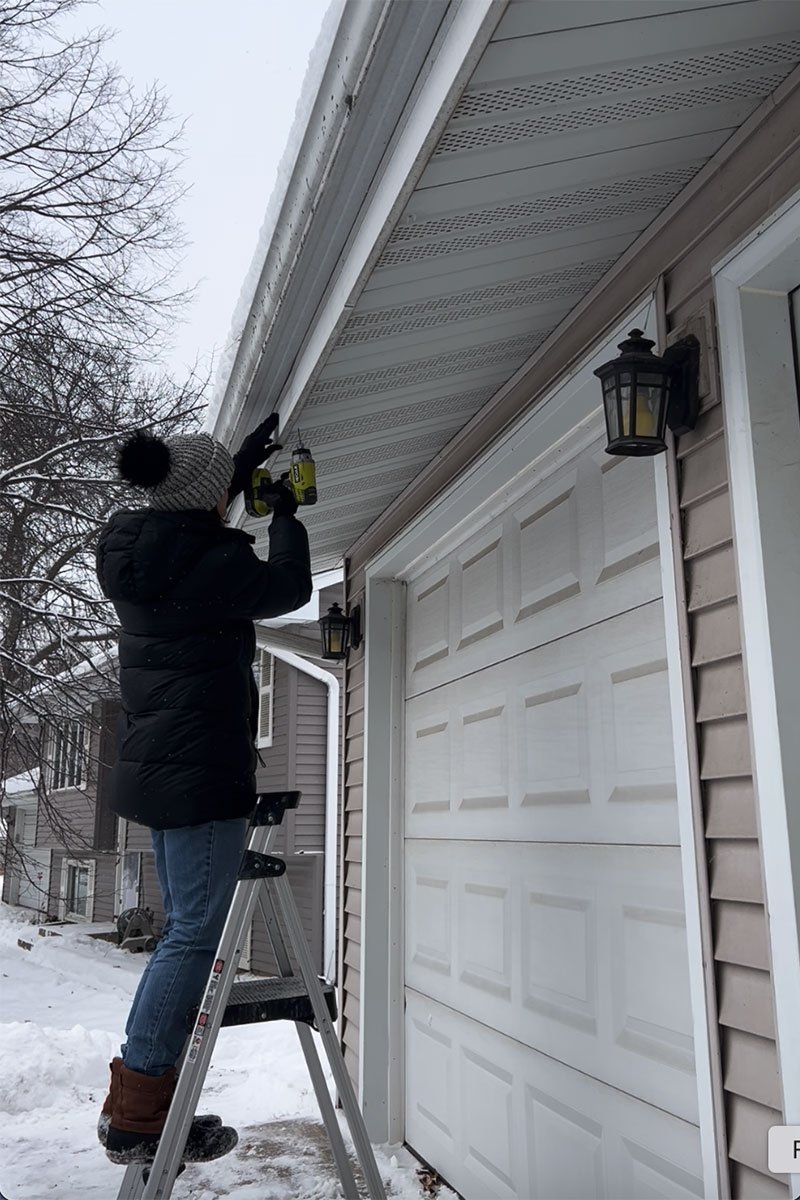
November marks the transition from autumn yard work to winter preparation. For many, this includes the installation of outdoor holiday lighting. To ensure safety and longevity, all light strings should be inspected for frayed wires or cracked sockets before being hung. The use of Ground Fault Circuit Interrupter (GFCI) outlets is mandatory for outdoor electrical setups to prevent shocks or fires caused by moisture.
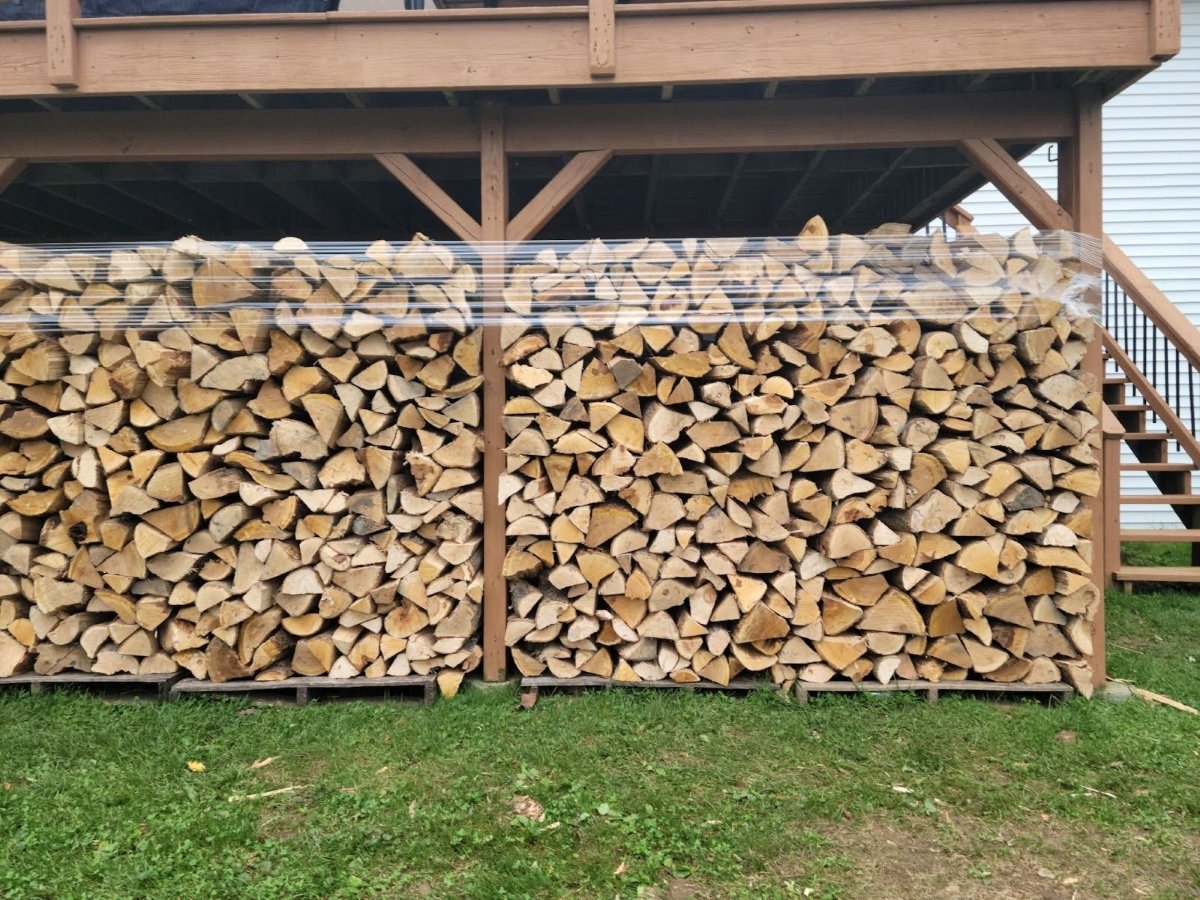
There is a growing shift toward permanent outdoor smart lighting, such as LED strip systems that can remain installed year-round. These systems allow homeowners to change colors via a smartphone app, transitioning from orange for Thanksgiving to red and green for December without the need for ladders in icy conditions. For those using traditional firewood, November is the deadline for stocking up. Seasoned hardwood, which has a moisture content of less than 20 percent, is essential for clean burning. Unseasoned or "green" wood produces excessive smoke and creosote, a flammable byproduct that builds up in chimneys and poses a significant fire hazard.
Preparing for Hospitality: Guest Rooms and Surface Maintenance
The social aspect of November requires a focus on interior readiness. Guest rooms that may have been dormant for months should be refreshed. This involves not only aesthetic updates, such as new linens or a fresh coat of low-VOC paint, but also functional checks of smoke detectors and space heaters in those rooms.
In the kitchen, the focus shifts to the durability of surfaces. Natural stone countertops, such as granite and marble, are porous and susceptible to staining from acidic holiday foods like cranberry sauce or red wine. Applying a high-quality sealer in early November provides a protective barrier. Similarly, wooden cutting boards require maintenance to prevent cracking and bacterial growth. Conditioning these boards with food-grade mineral oil ensures they remain sanitary and durable throughout the heavy usage of the holiday season.
Chronology of a Productive November
To manage these tasks effectively, a phased approach is recommended:
- Week 1: Focus on the building envelope (attic insulation) and mechanical systems (thermostat and water heater).
- Week 2: Address plumbing vulnerabilities (pipe insulation) and exterior logistics (firewood and lighting).
- Week 3: Prioritize kitchen safety and appliance cleaning (oven, stovetops, and fire extinguishers).
- Week 4: Finalize interior hospitality details (guest rooms and countertop sealing).
Analysis of Broader Implications
The cumulative effect of these maintenance tasks extends beyond simple convenience. On a macroeconomic level, widespread residential energy efficiency contributes to national energy security and reduces carbon emissions. From a personal finance perspective, the "preventative maintenance" model practiced in November is far more cost-effective than the "reactive repair" model. A burst pipe in January can result in thousands of dollars in water damage and mold remediation, costs that far outweigh a $20 roll of insulation.

Furthermore, insurance companies are increasingly looking at homeowner diligence when processing claims. Evidence of regular maintenance, such as chimney cleaning and pipe protection, can simplify the claims process in the event of an accidental loss. As the climate continues to exhibit more extreme weather patterns, the traditional "winterization" checklist has evolved from a seasonal chore into a necessary strategy for residential resilience. By completing these ten essential tasks, homeowners ensure that their property remains a safe, efficient, and welcoming environment through the coldest months of the year.