admin
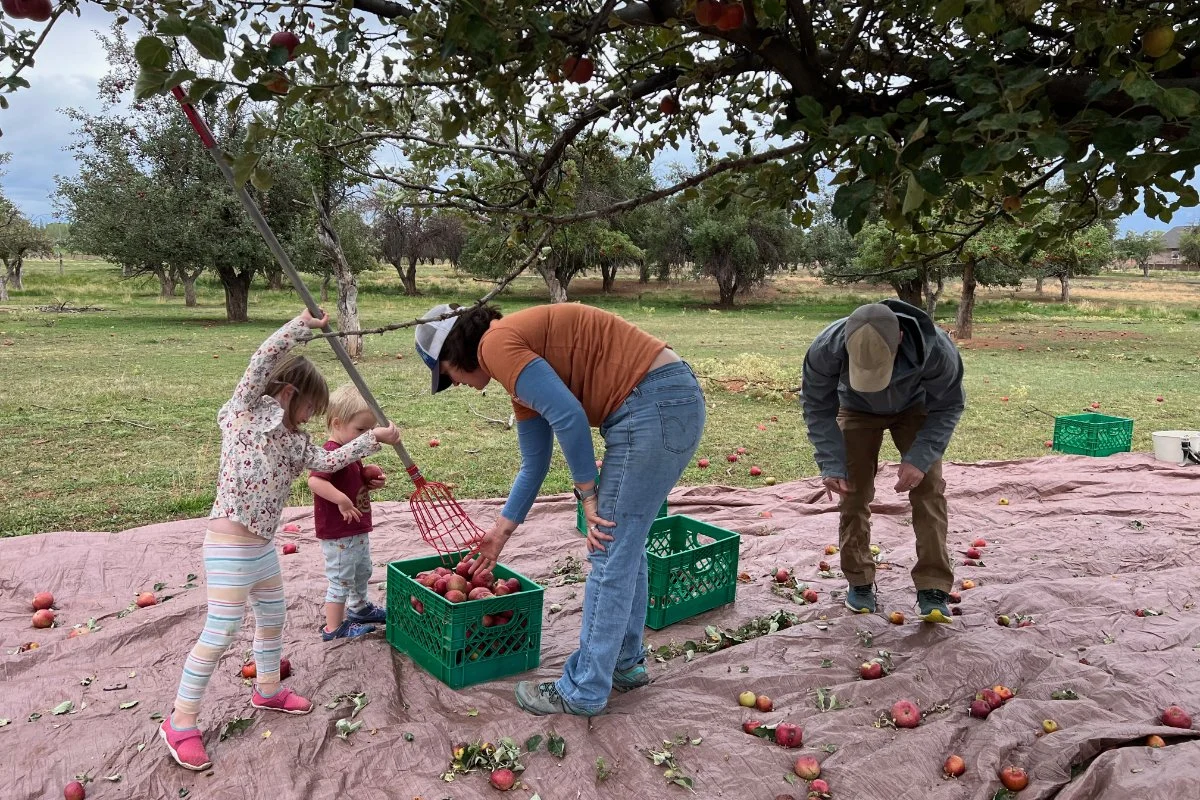
In the rugged, high-altitude landscape of Southwestern Colorado, a quiet agricultural revolution is taking root, driven by the Montezuma Orchard Restoration Project (MORP). This visionary initiative is not only safeguarding a remarkable collection of heirloom apple varieties, some once thought lost to time, but also revitalizing the local agricultural economy by providing small farmers with a crucial new revenue stream through apple processing. Founded in 2008 by Jude and Addie Schuenemeyer, MORP has become a beacon for preserving genetic diversity, fostering community resilience, and re-establishing Colorado’s historical prominence as a fruit-growing region.
Discovering a Hidden Horticultural Treasure
The genesis of MORP can be traced back to the Schuenemeyers’ plant nursery in Cortez, Colorado, where they observed a recurring theme among their older clientele: nostalgic inquiries about unusual apple varieties from their childhoods. These anecdotes sparked a curiosity that led the couple to explore the surrounding Montezuma County. What they uncovered was a horticultural marvel: one of the nation’s largest concentrations of heritage apple trees, with thousands of specimens ranging from 70 to 140 years old. These orchards, often family heirlooms or simply forgotten remnants of a bygone era, harbored a treasure trove of endangered cultivars.
Among these rediscovered gems are apples like the Ben Davis, a crisp white-fleshed variety that was once a national favorite; the rare Grimes Golden, celebrated for its spicy, sweet notes; and the Colorado Orange, a winter-keeping apple once believed to be extinct. The sheer diversity and historical significance of these trees captivated the Schuenemeyers, inspiring them to establish MORP. Their initial and enduring goal was to systematically record, preserve, and propagate these unique varieties, ensuring their survival for future generations. Today, MORP’s ambition extends to playing a pivotal role in strengthening the local food system and resurrecting Colorado’s once-thriving fruit economy.
A Legacy Reclaimed: The Rise and Fall of Colorado’s Orchards

To understand the profound importance of MORP’s work, one must delve into the rich, yet often overlooked, history of Colorado’s fruit industry. The state’s apple boom commenced in the late 1800s and early 1900s, a period that tragically coincided with the rapid expansion of European colonization into Southwestern Colorado and the forced displacement and genocide of Indigenous peoples. The Nú-Agha-Tʉvʉ-Pʉ̱ (Ute) and Diné (Navajo) communities, the original stewards of these lands, witnessed profound changes as settlers moved into the region.
These new arrivals quickly recognized that the high elevation and cool nighttime temperatures of Southwest Colorado created an ideal microclimate for cultivating apples and other fruit crops. This realization led to an agricultural explosion, with over 50,000 fruit trees rapidly planted across the area. Crucially, these early orchards differed significantly from modern monoculture operations. Instead of featuring one or two commercial varieties, they boasted incredible diversity. Jude Schuenemeyer notes, "They would have had 25 different varieties in a single 5- or 6-acre orchard." This extensive genetic library provided resilience against pests and diseases and offered a wide array of flavors and textures, catering to diverse culinary and storage needs.
At its zenith, Colorado cultivated thousands of acres of apple orchards, reportedly hosting an estimated 400 unique varieties. Historical records from 1914 indicate that Colorado growers produced nearly 3.9 million bushels of apples, a testament to the industry’s scale and success. This era saw the flourishing of distinct cultivars, many of which are now considered endangered. Jared Scott, a master cider maker at EsoTerra Ciderworks, is actively involved in grafting and planting many of these heirloom varieties. He highlights the allure of apples like the Chenango Strawberry, which originated in the mid-1800s: "When they’re ready, they turn from kind of a pale green to a hot pink color and have an aroma that resembles strawberries." Such unique characteristics underscore the sensory and culinary loss incurred with the decline of these heritage fruits.
The prosperity of Colorado’s orchards, however, proved to be fleeting. The rise of industrial agriculture favored "easy-to-ship" modern varieties, such as the ubiquitous Red Delicious, which prioritized uniformity, long shelf life, and bruise resistance over unique flavor profiles. Colorado’s geographically isolated position, far from major urban markets, posed significant logistical challenges. The loss of vital railroad connections, combined with the economic devastation of the Great Depression, persistent issues with pests and diseases, and intense competition from the burgeoning, massive orchards in Washington state, collectively contributed to the industry’s decline. Many orchards were abandoned, and countless unique cultivars faded into obscurity.
Despite these setbacks, a dedicated core of families and farmers continued to cherish and maintain many of these old orchards, valuing their distinct flavors and the deep generational connections they represented. "Orchards cross generational lines," Jude Schuenemeyer observes. "You can eat apples off the same tree that your great-great-grandmother or great-great-grandfather ate apples from." This sentiment encapsulates the cultural and historical value MORP strives to protect.
MORP’s Methodical Approach to Preservation

MORP’s work is multi-faceted, employing a systematic approach to both documentation and propagation. The project actively maps and documents old orchards across Colorado, meticulously recording not only the location and varieties present but also collecting invaluable ancillary information. This includes notes from orchard owners, family lore, historical data, and photographs, all of which contribute to a comprehensive understanding of each orchard’s unique story and significance.
A critical component of MORP’s preservation strategy involves the collection of apple scions – dormant cuttings from established trees. These scions are then used for grafting, a horticultural technique that allows new trees of the same rare cultivar to be grown. These grafted trees are subsequently sold or donated to families, school orchards, community spaces, and conservation projects. Schuenemeyer emphasizes the urgency of this process: "If people stop interacting with these [apples] or specifically stopped propagating, grafting, or budding [them], these cultivars are lost, and with that loss is the loss of opportunities for the future." This highlights the irreversible nature of genetic erosion and the importance of active intervention to maintain biodiversity. The decline in apple varieties nationally is stark: from thousands in the 19th century to only a few hundred commercially available today, underscoring the vital role projects like MORP play in reversing this trend.
Creating a Local Market: From Rot to Revenue
After extensive documentation, the Schuenemeyers estimated that approximately 50,000 bushels of apples went unharvested each season in the Montezuma County area. While some orchards were truly abandoned, many landowners simply lacked the necessary tools, labor, or market access to harvest and process large quantities of fruit. This significant waste represented a lost opportunity for both farmers and the local economy.
Recognizing this critical gap, MORP sought to leverage its resources to provide practical solutions. In 2020, the organization made a significant investment, purchasing a state-of-the-art mobile juicing machine at a cost of nearly $300,000. This mobile press began operations in 2021, instantly transforming the landscape for local growers. To further support harvesting and logistics, MORP secured grants from the Livability, Opportunity, Responsibility (LOR) Foundation, a private foundation dedicated to supporting rural communities in the Western United States. These funds enabled MORP to acquire essential equipment, including harvest crates and a forklift, making it feasible for small orchard owners to efficiently harvest, transport, and process their apples.
The impact has been immediate and substantial. In the past five years, MORP’s mobile press has processed approximately 8,674 bushels of fruit, yielding over 106,668 liters of juice. This infrastructure has filled a critical void. Previous local juice operations had been successful but eventually ceased due to owners retiring or selling their businesses. The capital investment and regulatory hurdles associated with operating a juicing facility—including stringent inspections from the State Department of Health and Human Services—proved prohibitive for individual farmers. Schuenemeyer notes that it’s "a whole different level of responsibility" that most small-scale operations cannot bear alone. MORP’s shared resource model addresses these barriers, democratizing access to processing capabilities.

Farmer Success Stories and Economic Revitalization
The availability of MORP’s juicing services has profoundly impacted local farmers. John Murray and his family, who operate Triple M Orchards in Olathe, Colorado, exemplify this transformation. They cultivate a large block of Golden Delicious apples, a variety dating back to 1890. Murray candidly admits, "[Without the press,] we’d have probably taken out the Goldens, or a lot of them." The juicer provided a viable market for fruit that might not meet fresh-market aesthetic standards but is perfectly suited for juice. This new avenue even inspired them to take over a neighboring third-generation pear and apple orchard when the family’s grandson moved away. Murray explains, "it’s great for the juice market," even if the fruit isn’t "beautiful" for fresh eating. In the last three years, Murray estimates he has pressed around 800 bushels of apples and 200 bushels of pears through MORP, turning potential waste into significant income.
Beyond supporting established orchards, MORP’s press also plays a crucial role in reducing local food waste from abandoned orchards. Unpicked apples often rot on the ground, creating environmental issues and attracting wildlife, including bears, which has become a community concern. Jared Scott of EsoTerra Ciderworks actively seeks out and harvests apples from these overlooked regional orchards, often at low cost or free. He then utilizes MORP’s juicing services, transforming the fruit into family-friendly slushies and hot cider for his tasting room, complementing his hard cider offerings. He also supplies wholesale juice to local restaurants, who incorporate it into seasonal dishes and craft cocktails, further diversifying local culinary offerings.
The mobile juicer isn’t exclusively for heirloom varieties. Gerrie Goodall of Bountiful Ridge Farm LLC in Dolores, Colorado, grows modern apple varieties that are smaller and quicker to produce. Even with well-known cultivars, marketing apples can be challenging, particularly if they are misshapen or blemished. Goodall laments, "There’s almost no viable market for that type of fruit." Juicing, however, completely alters this economic equation. Last year, her orchard pressed approximately 493 bushels of apples through MORP, yielding nearly 5,600 liters of juice. This demonstrates MORP’s broader impact on farm viability, ensuring that even cosmetically imperfect fruit can contribute to a farmer’s bottom line.
However, Schuenemeyer emphasizes that the economic metrics only tell part of the story. "In many ways, that’s the most important thing we do—connecting with people, connecting people back with their orchards and with the trees, and having people realize the potential," he states. This highlights the profound cultural and community impact of MORP’s work, fostering a deeper connection between people, their heritage, and the land.
A Gift for the Future: Cultivating Resilience and Opportunity

Despite the successes, today’s apple farmers in Montezuma County continue to grapple with persistent challenges reminiscent of past eras. The geographical isolation remains a significant hurdle; farmers must still transport their produce over six hours across mountain passes to reach the nearest major commercial hubs. While no longer dependent on railways, rising fuel prices now present a contemporary logistical and economic burden.
Yet, these isolated regions, precisely because of their unique circumstances, critically need robust local food networks. As land prices escalate and an aging farming population retires, Montezuma County faces the imperative of creating pathways for younger generations to enter and sustain agricultural livelihoods. This dynamic could very well pave the way for a significant revival of orchards in an agricultural landscape currently dominated by cattle and alfalfa operations.
Schuenemeyer envisions a future where orchards offer a democratic entry point into agriculture. "You can have an orchard on a small piece of ground," he explains. "It’s remarkably democratic from a farmer’s standpoint. Even small holders can do this. It’s a place where people with fewer resources can still get involved with agriculture and carry this on." This perspective positions heritage orchards not just as historical relics, but as vital components of a sustainable and equitable agricultural future.
MORP’s work is a testament to the power of community-led conservation and economic innovation. By preserving irreplaceable genetic diversity, revitalizing a lost agricultural heritage, and providing essential infrastructure, the project is cultivating resilience—both ecological and economic—for Montezuma County. It’s an investment in biodiversity, local food security, and a vibrant future for rural agriculture, ensuring that the unique flavors and stories of Colorado’s heirloom apples continue to enrich generations to come. The success of MORP offers a compelling model for other rural communities seeking to reconnect with their agricultural past and build a more sustainable, prosperous future.