admin
The famous verses of Emma Lazarus’s "The New Colossus," inscribed upon the Statue of Liberty, have long served as the primary narrative framework for the American immigrant experience, typically centered on the bustling ports of the East Coast. However, a parallel and equally transformative history unfolded on the Pacific Coast, where San Francisco became a "golden door" for Eastern European migrants during the 20th century. While much of the city’s early lore is tied to the speculative fever of the Gold Rush, a more stable and enduring contribution to the region’s identity was forged in the heat of its industrial breweries. For the Slovene-American community, the beer factories of San Francisco represented more than just a source of employment; they were the engines of upward mobility and social integration that redefined the city’s labor landscape.
The Industrial Foundations of Early San Francisco Brewing
The history of brewing in San Francisco is inextricably linked to the city’s rapid metamorphosis from a quiet outpost to a global maritime hub. Long before the mid-century industrial boom, beer was a staple of California commerce. Records indicate that the first significant shipment of bottled beer arrived in San Francisco in 1843, facilitated by the firm of merchant Benjamin T. Reed. As the population surged during the 1850s, local production became a necessity.
Early San Francisco brewers faced a unique challenge: the lack of ice and traditional refrigeration. This led to the innovation of "steam beer," a process where the heated wort was cooled in large, shallow pans on brewery rooftops, utilizing the city’s natural Pacific breezes. This method, most famously preserved by the Anchor Brewing Company, created a distinctively effervescent and robust lager that became the drink of the working class. By the time author Richard Henry Dana Jr. returned to the city in 1858—twenty-four years after his initial visit recorded in Two Years Before the Mast—he found a metropolis of "worlds not realized," where former gold prospectors had pivoted to become the merchants and industrialist brewers of a new era.
The Slovene Migration and the Shift to Industrial Labor
The Slovene-American journey to the West Coast was rarely a direct one. According to 1920 U.S. Census estimates, there were approximately 228,000 Slovene immigrants and their children residing in the United States, predominantly clustered in the industrial centers of Ohio, Pennsylvania, and Illinois, or the mining districts of Montana and Idaho. The migration to San Francisco often occurred in waves, driven by the search for more stable environments following the volatility of the Great Depression and the upheaval of World War I.
For many Slovene families, the initial entry into American labor involved grueling work in Western mines or agricultural fields. However, the post-World War II era presented a new opportunity in the urban centers of California. San Francisco’s industrial sector, bolstered by the war effort, initially drew Slovene men to firms like Soule Steel, which produced essential maritime vessels and equipment. As wartime contracts expired and heavy manufacturing began to contract, the burgeoning beverage industry offered a timely alternative. The brewing sector, characterized by strong union representation and steady production demands, became the primary destination for the Slovene-American workforce.
The Rise of Burgermeister and the "Melting Pot" of the Brew Floor
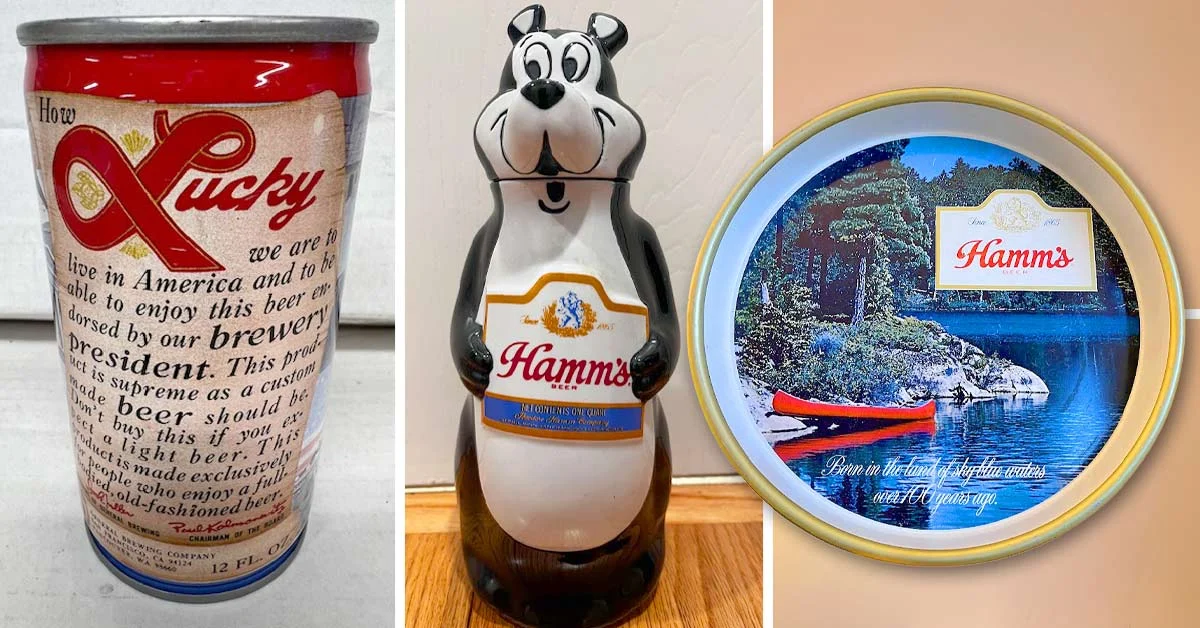
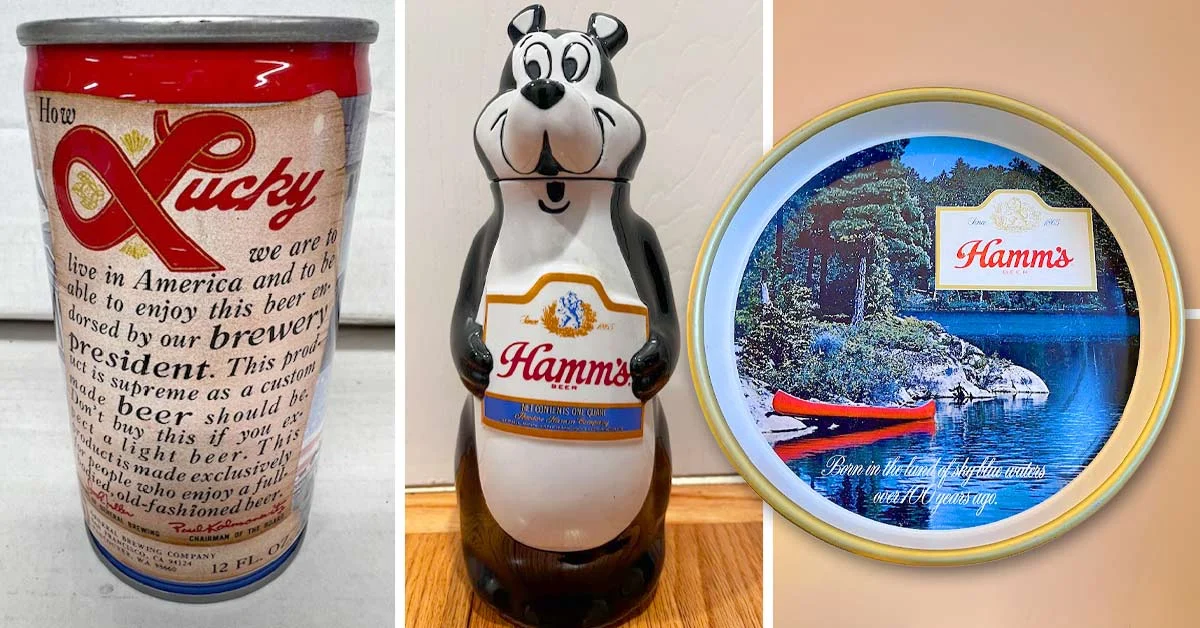
By the mid-1930s, the Milwaukee Brewing Company had rebranded as the San Francisco Brewing Corporation, eventually adopting its most famous moniker: Burgermeister. This facility, alongside competitors like Lucky Lager, Acme Brewing, and Hamm’s, transformed the city’s Mission and Potrero Hill districts into a concentrated "Brewery Gulch."
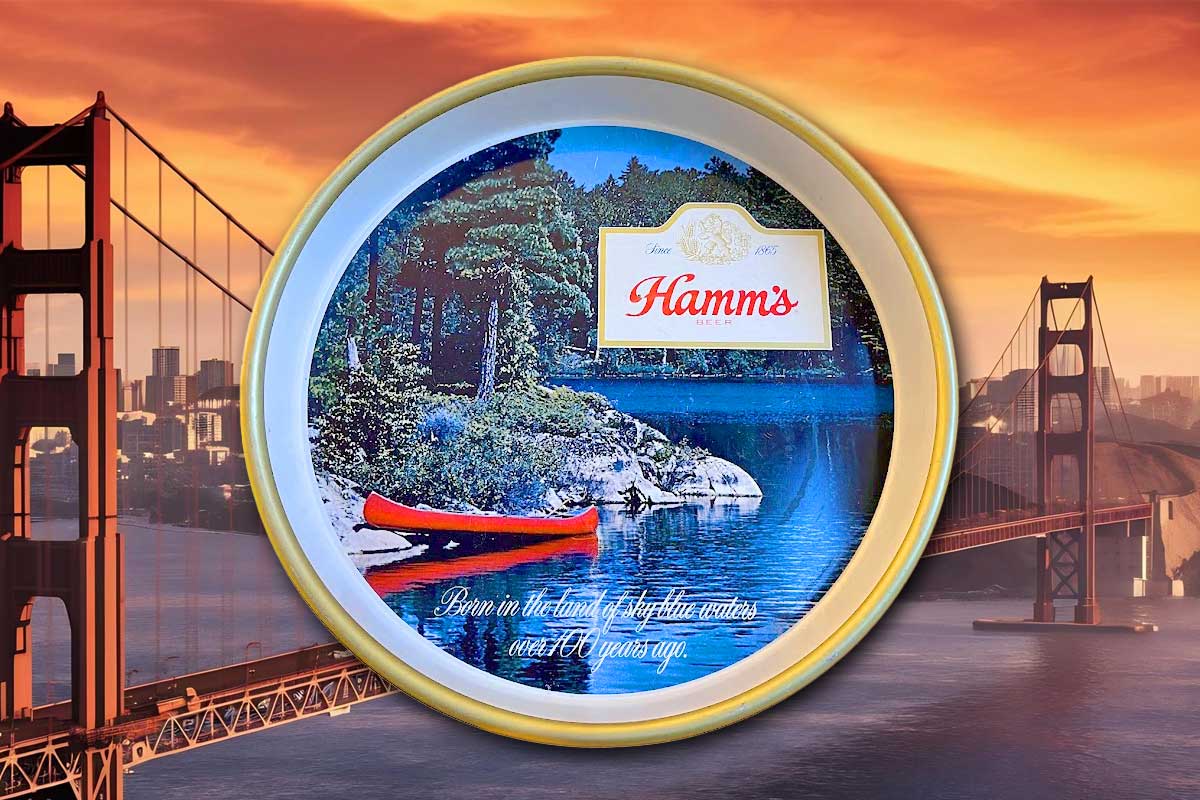
The 1950s marked a period of unprecedented prosperity for these large-scale operations. Despite the "No Bohunks Need Apply" signs that occasionally appeared in local business windows—reflecting a lingering prejudice against Czech, Slovene, and Slovak immigrants—the breweries became bastions of relative meritocracy. Management at facilities like Burgermeister, often comprised of immigrants themselves, recognized the value of the Slovene work ethic.
Labor on the brew floor was a multicultural endeavor. Slovene immigrants worked alongside Irish, Italian, French, and Scottish laborers, and by the 1970s, the workforce began to integrate African American workers. This "melting pot" environment was focused on the high-output demands of the era. At the height of production, a single shift consisting of approximately 40 workers and four supervisors could process and package up to half a million units of beer. This industrial scale required a diverse array of skills, from operating high-speed bottling lines and monitoring pH levels for quality control to managing the complex logistics of warehouse distribution via forklifts and pallets.
Labor Unions and the Path to the Middle Class
The significance of the brewery jobs for the Slovene-American community cannot be overstated in terms of economic impact. These were blue-collar positions that provided white-collar security. Central to this was the influence of the International Brotherhood of Teamsters. The union ensured that these workers received not only competitive wages but also comprehensive pensions and healthcare, which were essential for families seeking to establish permanent roots in expensive urban markets like San Francisco.
The solidarity of these workers was frequently tested. During the 1973 national boycott of the Coors plant—sparked by allegations of discriminatory hiring practices and union-busting—the Slovene workers in San Francisco stood in firm support of the collective bargaining movement. This era of labor history underscored the transition of the immigrant worker from a marginalized laborer to a politically and economically engaged member of the American middle class.
Furthermore, the breweries provided a seasonal "safety valve" for the next generation. During the high-demand summer months, the sons of Slovene immigrants often joined the union to work overtime and swing shifts. This income frequently funded higher education, allowing the children of brewery workers to enter professional fields, thereby fulfilling the classic trajectory of the American Dream.
Wartime Contributions and the Social Fabric
The breweries also played a subtle but poignant role in the social history of the Vietnam War. Many of the workers were veterans of World War II, having served in major campaigns such as the D-Day invasion. When shipments of beer were prepared for transport to servicemen in Southeast Asia, it was common practice for workers to line the pallets with local newspapers and magazines. This provided a vital link to home for soldiers, including the sons of the brewery workers themselves. For those stationed abroad, the arrival of a familiar California brand like Burgermeister or Lucky Lager was more than a beverage; it was a psychological connection to the community they had left behind.
Technological Displacement and the Evolution into Craft Brewing
The decline of large-scale industrial brewing in San Francisco was precipitated by the same forces that reshaped the broader American economy: automation and consolidation. By the late 1970s, many of the manual tasks previously performed by Slovene immigrants—such as hand-labeling or manual palletizing—were being replaced by high-speed automated systems. Smaller, local brands struggled to compete with the massive marketing budgets and distribution networks of national conglomerates.
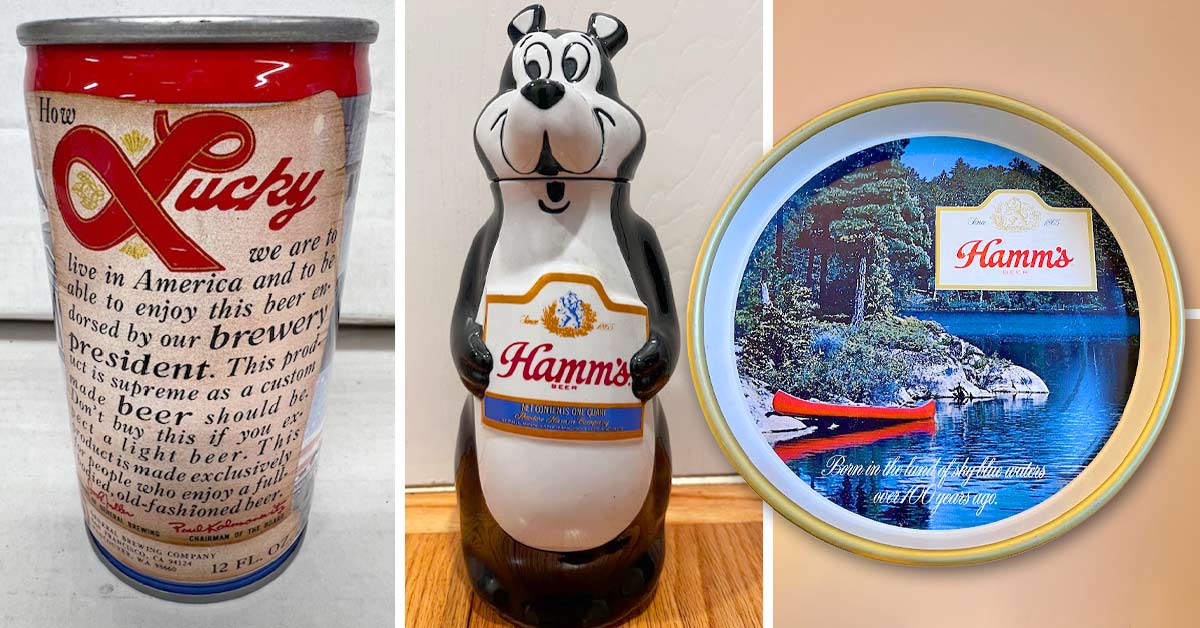
The closure of the Burgermeister factory, which was eventually replaced by a Costco retail outlet, signaled the end of an era for the Slovene-American industrial workforce. Some workers transitioned to soft drink production at plants for Coca-Cola or Dr Pepper, while others moved to the massive Anheuser-Busch facility in Fairfield.
However, as the industrial giants faded, a new movement began to take shape. In 1965, the acquisition of Anchor Brewing by Fritz Maytag saved the "steam beer" tradition from extinction and laid the groundwork for the modern craft beer revolution. This shift moved the industry away from the high-volume, low-margin model toward a focus on artisanal quality and regional identity.
Modern Implications and the Slovene Beer Culture Today
Today, San Francisco’s brewing legacy is celebrated annually through events like SF Beer Week, which showcases hundreds of Northern California breweries. While the physical factories where the Slovene immigrants once toiled are largely gone, their influence persists in the city’s appreciation for beer as a cultural and economic cornerstone.
Interestingly, the connection between Slovenia and the brewing world remains strong. In the modern era, Slovenia has developed its own sophisticated beer culture, dominated by brands like Laško and Union (now under the Heineken umbrella). This globalized cycle of brewing history reflects the enduring nature of the industry that once provided a foothold for immigrants in the hills of San Francisco.
The story of the Slovene-American brewery worker serves as a critical case study in the history of West Coast labor. It illustrates how a specific ethnic community utilized a regional industry to bypass discrimination, secure economic stability, and contribute to the cultural fabric of one of America’s most iconic cities. Though the "lamp beside the golden door" may now illuminate a landscape of technology and service industries, the industrial foundations laid by the Slovene "huddled masses" remain an indelible part of San Francisco’s heritage.