admin
Artificial intelligence has transitioned from a niche computational tool to a transformative force across the global economic landscape, asserting its influence on sectors ranging from national defense to education. While the technology has sparked significant debate regarding job security and the preservation of human creativity, the craft beer industry—long defined by manual labor and artisanal intuition—has begun to embrace these digital advancements. From optimizing supply chain logistics to drafting experimental recipes that challenge centuries of brewing tradition, breweries across the United States are integrating machine learning to refine their operations and expand the boundaries of flavor.
The Integration of AI in Quality Control and Logistics
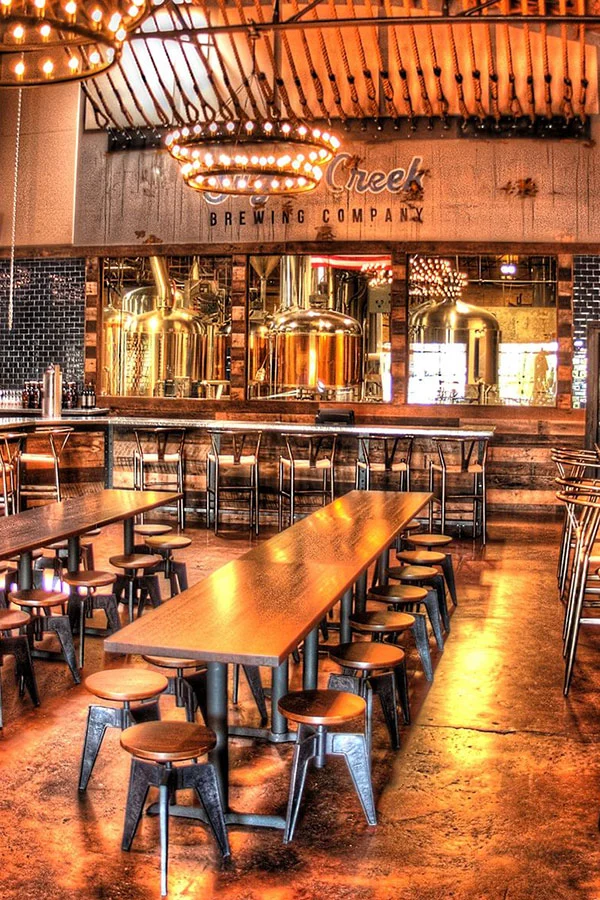
The adoption of artificial intelligence in brewing typically begins with operational efficiency. In Charlotte, North Carolina, Sugar Creek Brewing Company has emerged as a pioneer in utilizing AI-driven monitoring systems to ensure product consistency. By deploying a sophisticated network of sensors and Internet of Things (IoT) devices, the brewery tracks critical variables including fermentation temperatures, fill levels, and foam consistency during the packaging process.
This data-centric approach addresses one of the most persistent challenges in craft brewing: the mitigation of waste and the preservation of shelf-life quality. For a mid-sized brewery, even minor fluctuations in carbonation or oxygen exposure during canning can lead to significant financial losses. Sugar Creek’s use of AI allows for real-time adjustments, providing a level of precision that traditional manual checks cannot match. This reflects a broader trend within the food and beverage sector, where the AI market is projected to grow significantly as producers seek to offset rising ingredient costs through technological precision.
The Dawn of Algorithmic Recipe Development
Beyond the mechanical aspects of production, brewers are increasingly curious about whether a machine can replicate the "art" of recipe creation. Several breweries have recently released commercial products designed by large language models (LLMs) and custom algorithms.
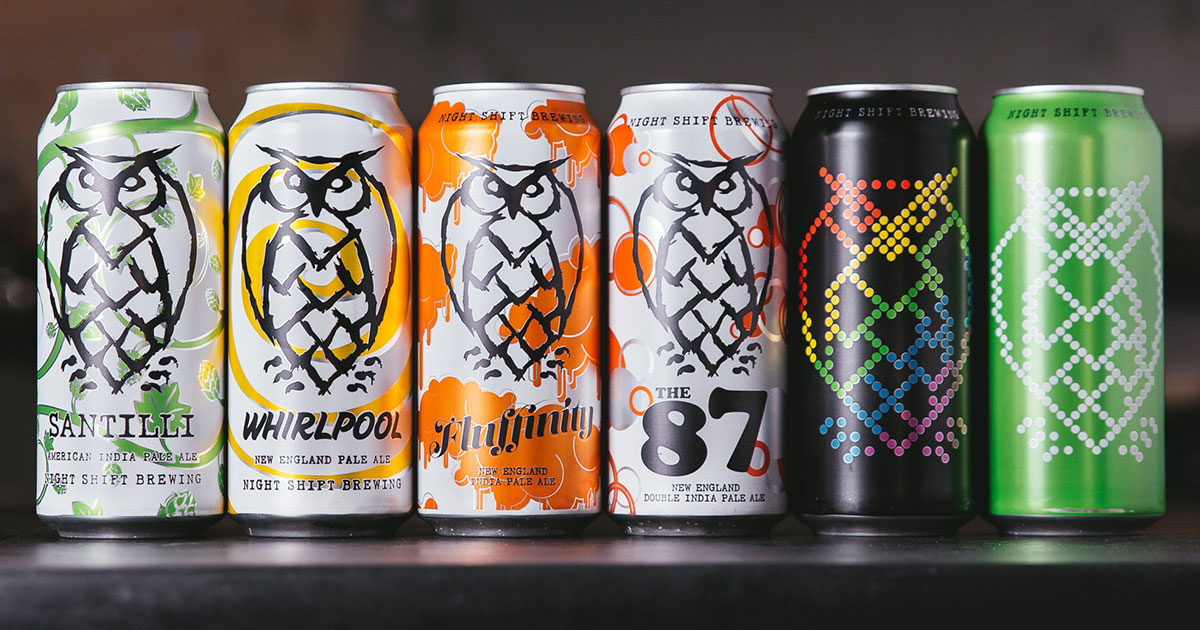
In Boston, Michael Oxton, co-founder of Night Shift Brewing, utilized OpenAI’s ChatGPT to conceptualize a hazy IPA. The process, which Oxton noted was surprisingly comprehensive, included the generation of a specific water profile, grain bill, and hop schedule. One of the most significant advantages identified was the speed of technical calculation. Determining a target water profile—balancing minerals like calcium, sulfate, and chloride to achieve a specific mouthfeel—can often require weeks of research and trial-and-Batch testing. The AI model provided a viable profile in seconds.
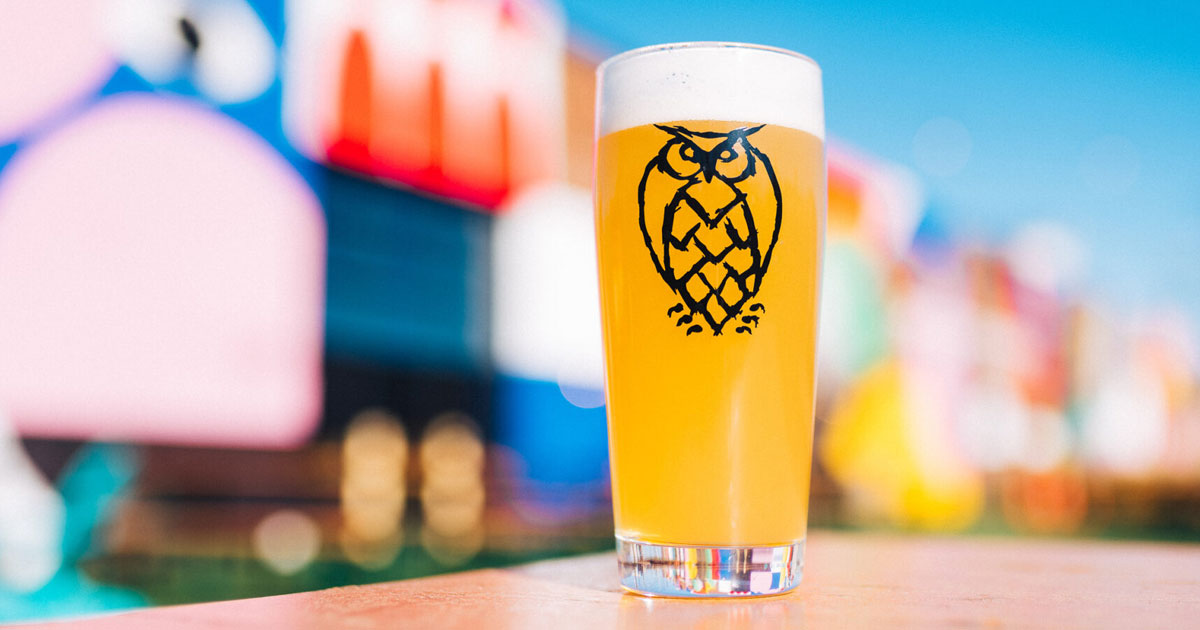
The resulting beer, dubbed "AI-PA," featured a complex profile of mango, watermelon, and citrusy lemon-lime notes. While the recipe was generated by a machine, the human element remained essential; the Night Shift team had to adjust the ingredient list based on local availability and practical brewing limitations, highlighting the current status of AI as a collaborative assistant rather than an autonomous creator.
Other notable entries into this space include:
- Asbury Park Brewery (New Jersey): Experimented with AI-generated IPAs to explore new hop combinations.
- Atwater Brewing (Michigan): Released their own version of an AI-influenced IPA, focusing on modern consumer trends.
- Urban Forest Craft Brewing (Illinois): Developed "Put the AI in sAIson," a play on words that utilized machine learning to balance the spicy and fruity esters characteristic of the Belgian style.
Advanced Modeling: The Species X Case Study
While many breweries use general-purpose models like ChatGPT, some industry professionals have developed proprietary systems tailored specifically to zymurgy—the study of fermentation. Beau Warren, founder of the now-closed Species X Beer Project, leveraged his background in microbiology and data analytics to create a dual-track brewing system. He categorized his offerings into "Carbon Species" (human-designed) and "Silicon Species" (AI-designed).
Warren’s approach was more technically rigorous than simple prompt engineering. He programmed seven distinct models using regression analysis and neural networks. These models were trained on vast datasets, including water chemistry, yeast performance metrics, and historical recipe success rates. Crucially, the models were also fed "subjective" data, such as internal and customer reviews, to help the machine understand the nuances of human preference.
One of the project’s most successful experiments was an amber lager brewed with 100% Maris Otter malt. Traditionally, Maris Otter is a heritage malt reserved for heavy ales like porters or stouts. An AI model, unburdened by the "rules" of traditional brewing, suggested its use in a crisp lager. The result was a hit among consumers, proving that AI can identify flavor synergies that human brewers might overlook due to cognitive bias or adherence to style guidelines.
Another creation, generated by a model named "Beh3moth," resulted in an imperial pastry Baltic porter. The recipe was staggering in its complexity, featuring three types of fruit, coffee, vanilla, 12 varieties of malt, lactose, and marshmallows, all finished with a dry-hopping technique typically reserved for New England IPAs. Warren described the result as balanced and unlike anything a human brewer would likely conceive independently.
Navigating the Biological Complexity of Yeast
The innovation is not limited to the breweries themselves. Propagate Lab, a yeast propagation facility based in Colorado, has introduced "Yeast Buddy," an AI chatbot designed to help brewers navigate the biological complexities of fermentation.
With over 120 yeast strains available, each with different attenuation rates, flocculation patterns, and flavor outputs (esters and phenols), choosing the right microorganism is a daunting task. Yeast Buddy acts as an automated catalog, allowing brewers to input their desired end-profile and receive a scientific recommendation. Matthew Peetz, founder of Propagate Lab, likens the tool to a calculator: it removes the tedious "Dewey Decimal" aspect of strain selection, allowing brewers to be more adventurous by suggesting strains they might have previously ignored in favor of "standard" industry workhorses like US-05 or London Fog.
Data and Market Analysis: The Economic Context
The push toward AI in craft beer comes at a critical time for the industry. According to the Brewers Association, the craft segment has faced headwinds due to changing consumer habits, rising aluminum prices, and increased competition from spirits and canned cocktails.
In this environment, AI serves two primary economic functions:
- Cost Reduction: By optimizing energy use and reducing ingredient waste, AI helps breweries maintain margins in a high-inflation environment.
- Market Differentiation: In a saturated market with nearly 10,000 craft breweries in the U.S., "AI-generated" beers serve as a potent marketing tool and a way to engage tech-savvy consumers.
However, the technology is not a panacea. The closure of Species X Beer Project after two years of operation—despite its technological success—underscores that even the most advanced AI cannot fully insulate a business from broader economic constraints and the high overhead costs of physical taproom management.
The "Human in the Loop" Philosophy
Despite the impressive capabilities of neural networks, the consensus among industry leaders is that the "taproom takeover" by robots is unlikely. The current consensus is the "human-in-the-loop" model. AI lacks the sensory organs required to taste the final product, meaning human brewers must still perform the final quality check.
As Michael Oxton noted, AI functions as a "creativity enhancement." It can suggest a thousand hop combinations in a minute, but a human must decide which one fits the brewery’s brand and the local palate. Furthermore, AI models require "guardrails" to ensure they do not suggest recipes that are physically impossible to brew or that could damage expensive equipment.
Matthew Peetz of Propagate Lab emphasizes that AI is only as good as the data it receives. "If you are punching in the wrong numbers, you’re going to get the wrong result," he stated, reinforcing the idea that professional expertise remains the foundational requirement for successful brewing.
Future Implications and Conclusion
The integration of artificial intelligence into the craft beer industry represents a significant shift in how traditional trades interact with modern technology. While some fear that the "soul" of craft beer—the human intuition and trial-and-error—could be lost, proponents argue that AI actually empowers the brewer. By handling the complex mathematics of water chemistry and suggesting "out of left field" ingredient pairings, AI allows brewers to function as "superhumans," focusing more on the vision and less on the clerical burden of recipe formulation.
As the technology evolves, we can expect to see more personalized consumer experiences, such as AI-driven recommendations in taprooms based on a customer’s past preferences, and even more efficient "smart breweries" that minimize their environmental footprint through algorithmic resource management. For now, the pint glass remains in human hands, but the liquid inside is increasingly being shaped by the digital frontier. The future of craft beer is not a choice between man and machine, but a collaborative fermentation of both.