admin
admin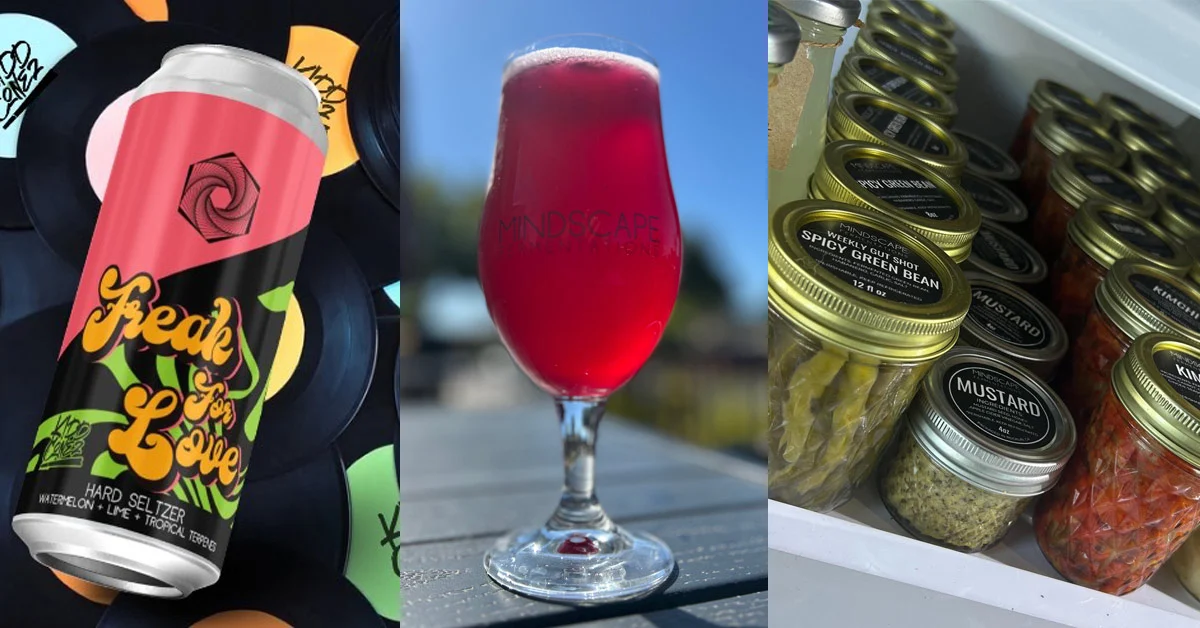
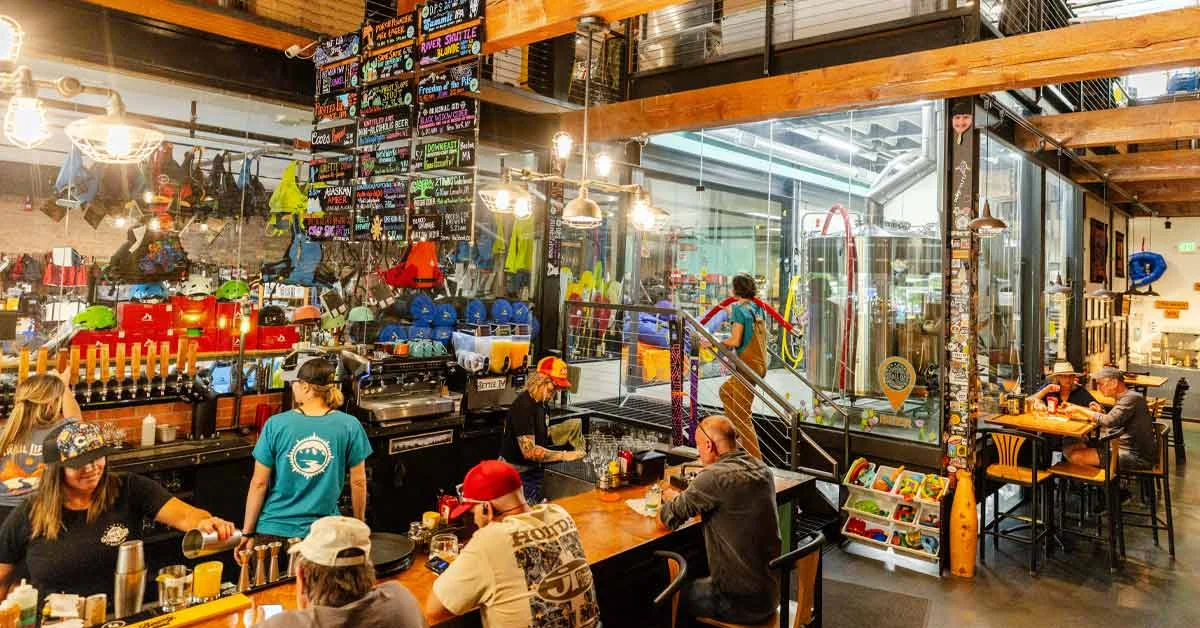
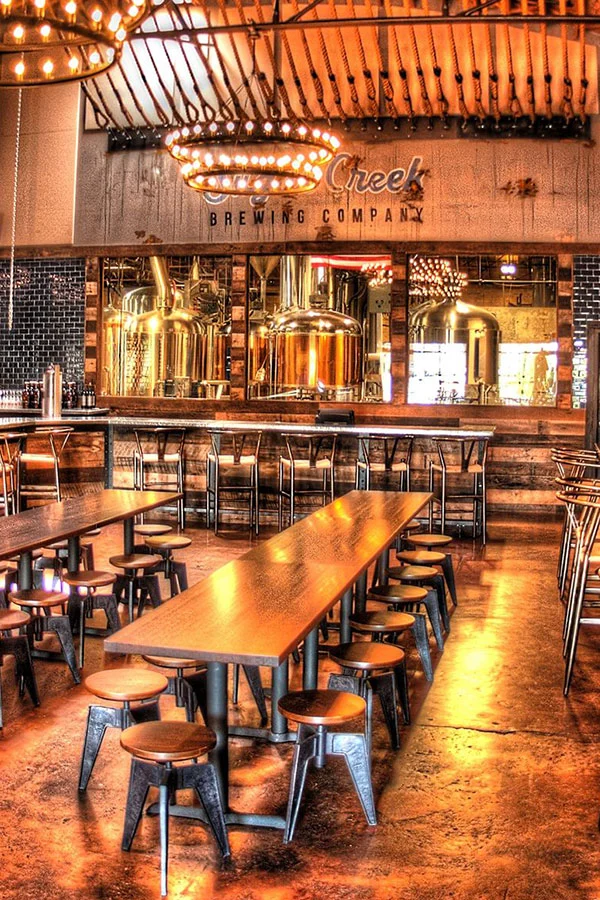
The traditional image of a brewery as a sterile industrial facility focused solely on the production of malt beverages is rapidly becoming a relic of the past. Over the last decade, the craft beer sector has undergone a profound transformation, moving beyond the simple "taproom" model to embrace a more complex identity as a community anchor and social "third place." Driven by shifting economic climates, evolving consumer preferences, and a need for operational sustainability, brewery owners are increasingly redefining the very parameters of their business. From shared production cooperatives in Brussels to fermentation-focused hubs in California and community-integrated "tiers-lieux" in rural France, the industry is pivoting toward a model that prioritizes collective resilience and liquid diversity over traditional solo expansion.
The Rise of the Tiers-Lieu and Community Integration
In the contemporary brewing landscape, the concept of the "third place"—a social environment separate from the two primary social environments of home and the workplace—has taken center stage. This is perhaps most visible in the emergence of the tiers-lieu model in France. A tiers-lieu is typically a venue managed by an association or collective with specific educational, sustainable, or cultural goals. This model provides a blueprint for breweries to integrate themselves into the social fabric of their locations rather than remaining isolated in industrial parks.
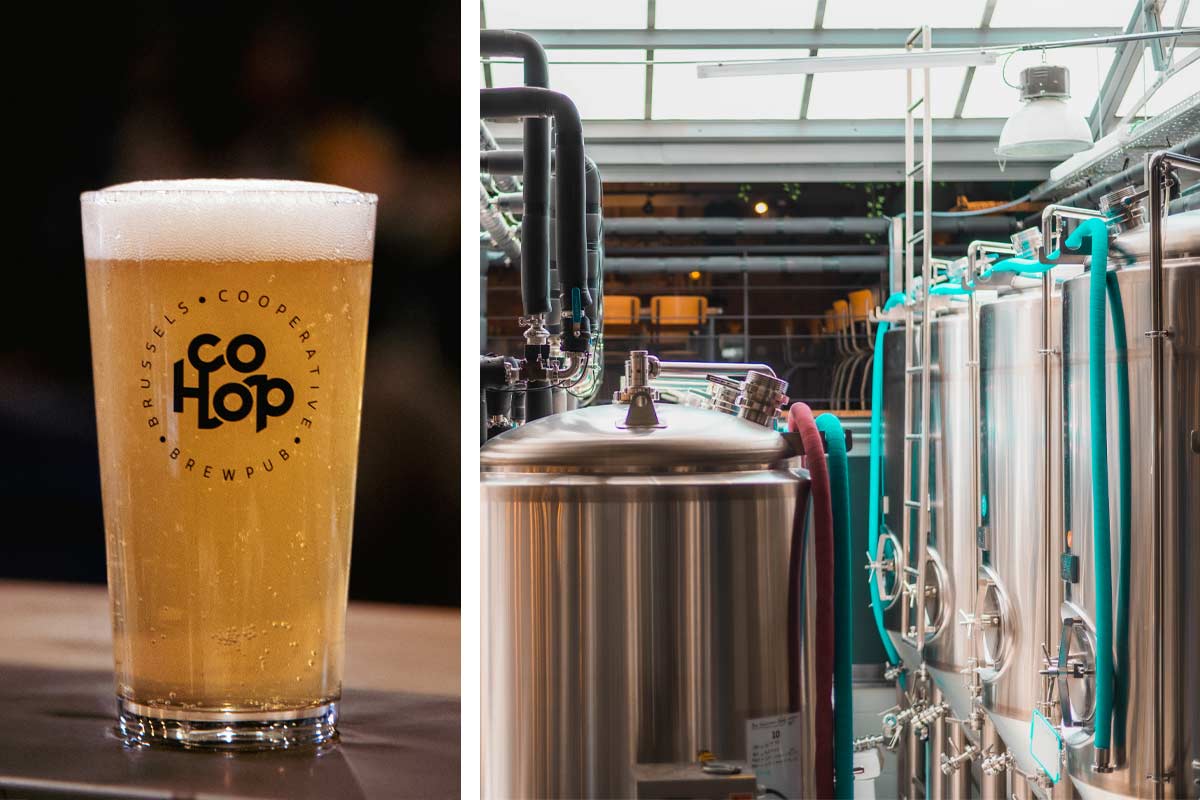
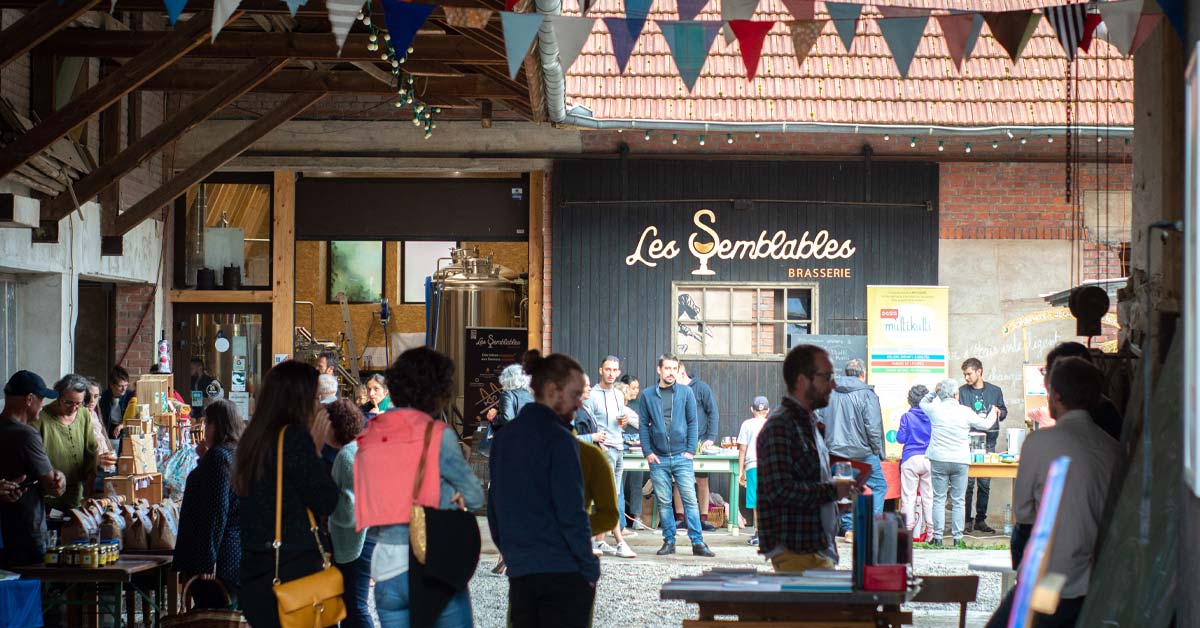
A prominent example of this integration is found in Alsace, France, where Eliott Pernelle and Etienne Voinson established Brasserie Les Semblables. Eschewing the traditional route of renting a warehouse in a commercial zone, the duo sought a space that offered a built-in community. They settled at Oasis Multikulti, a tiers-lieu situated on an converted farm in the village of Mietesheim. This space functions as a vibrant ecosystem, featuring community gardens, farmer’s markets, and workshops ranging from pottery to knitting.
The decision to embed a production facility within a volunteer-run community center reflects a strategic shift in how breweries manage overhead and marketing. By operating out of former stables on a communal farm, Les Semblables benefits from the foot traffic of visitors who may have originally arrived for a market or a class. However, this model requires a departure from traditional business management. Pernelle and Voinson are not merely tenants; they are active participants in the association’s governance, with Pernelle managing the collective’s social media presence as part of his volunteer contribution. This "give-and-take" relationship fosters a level of brand loyalty and local support that is difficult to replicate through traditional advertising.
Historical Precedents and the Cooperative Production Model
While the integration of social causes and brewing feels modern, it draws heavily from deep-seated European traditions. In the Upper Palatinate region of Bavaria, the tradition of Zoiglbier has persisted for centuries. This communal brewing practice involves non-professional brewers sharing a central, town-owned brewhouse. In 2018, UNESCO recognized the "Oberpfälzer Zoiglkultur" as part of Germany’s intangible cultural heritage, highlighting the enduring value of shared infrastructure.
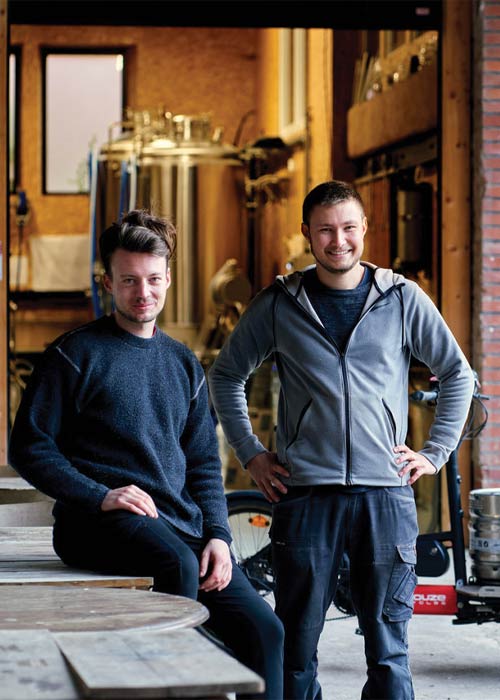
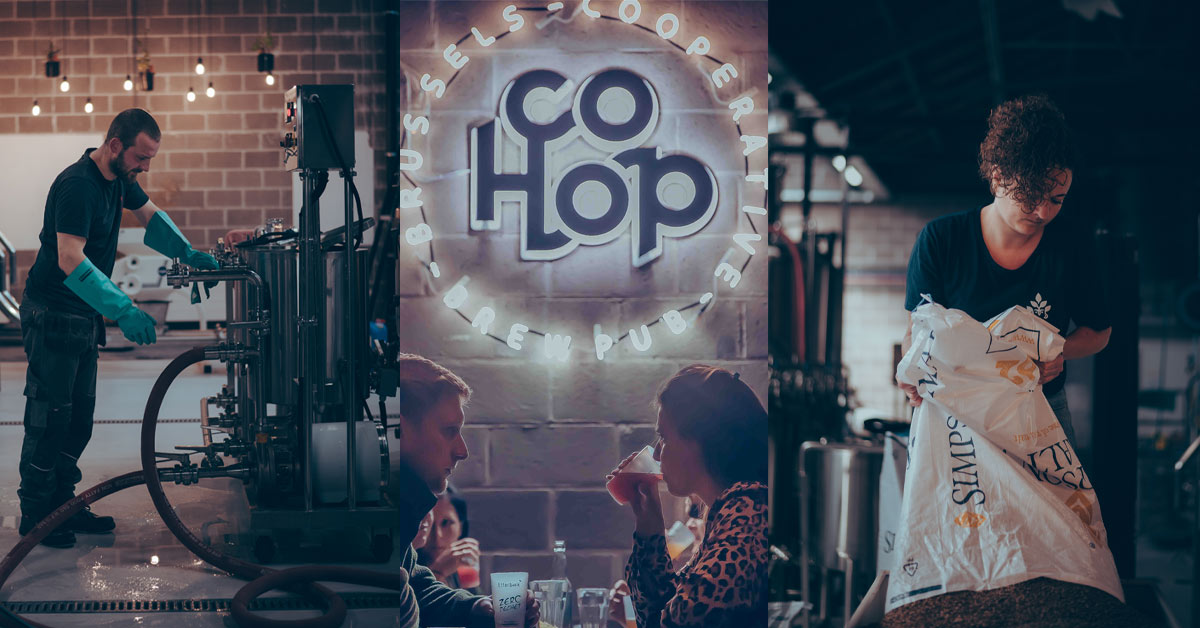
Today, this communal spirit is being modernized to combat the high capital expenditures required to start a microbrewery. In Brussels, the CoHop project represents a significant evolution of this concept. Founded by Thomas Detourbe of Brasserie Witloof, CoHop serves as a shared production site for five distinct brewing entities: La Bagarre, Janine, 1Bière 2Tartines, and La Flaque (the latter joining the collective in 2025).
The economic logic of the CoHop model is compelling. By sharing a single high-quality brewhouse, the member breweries drastically reduce their individual debt loads and operational risks. Rémi Pequin, the coordinator for CoHop and founder of La Bagarre, notes that the current economic climate—characterized by rising energy costs and raw material inflation—makes solo ventures increasingly precarious. The cooperative structure allows for specialized division of labor: one team manages the brewing schedule, another handles procurement of raw materials, and a third oversees equipment maintenance. This efficiency extends to the onsite taproom and restaurant, which serves as a unified storefront for the diverse range of beers produced under one roof.
Liquid Diversity: The Shift Toward the Fermentarium
Parallel to the evolution of physical spaces is a broadening of the products created within them. As the craft beer market in the United States and Europe shows signs of maturation and, in some segments, stagnation, brewers are looking toward the broader science of fermentation to stay relevant. The term "brewery" is increasingly being replaced or supplemented by "fermentery" or "fermentarium."
This shift is not merely a branding exercise but a strategic response to the "Beyond Beer" trend. According to industry data from the Brewers Association, while traditional craft beer volume growth has slowed, categories such as hard kombucha, craft seltzer, and non-alcoholic fermented beverages have seen significant consumer interest. Establishments like Fermentery Form in Philadelphia utilize winemaking techniques such as the Solera system—a process of fractional blending—to create complex, aged beers. In San Jose, California, Fox Tale Fermentation Project produces both beer and kombucha, while Belgium’s l’Annexe focuses on fermented beverages infused with botanicals and flowers.
Lauren Price and Lauren Houston, co-founders of Mindscape Fermentations in Rocklin, California, intentionally chose the "fermentarium" label to signal their departure from the standard brewery archetype. Their production includes beer, kombucha, seltzers, and fermented foods. This diversification serves as an economic hedge; if beer sales dip, the growth of their kombucha or fermented food lines can stabilize the business.
Economic Pressures and Market Data
The pivot toward these multifaceted business models is necessitated by a challenging economic environment. The craft brewing industry is currently grappling with several headwinds:
- Saturation: In many urban markets, the sheer number of taprooms has led to intense competition for consumer dollars.
- Input Costs: The price of aluminum, CO2, and specialized malts has fluctuated wildly since 2020, squeezing profit margins.
- Real Estate: High rents in "trendy" neighborhoods have forced new brewers to look toward unconventional locations or shared spaces.
Data from market research firms suggests that the "experience economy" is the primary driver of taproom success. Consumers are no longer satisfied with just a pint; they seek engagement, education, and variety. By offering fermented foods, educational workshops, or a connection to a social cause (as seen in the tiers-lieu model), breweries can command higher price points and foster longer visit durations. Furthermore, the cooperative model used by CoHop addresses the sustainability concerns of modern consumers. Sharing a brewhouse reduces the carbon footprint associated with manufacturing and shipping multiple sets of heavy industrial equipment, aligning the business with environmental values.
Demographics and Inclusivity in New Brewing Spaces
One of the most significant impacts of redefining the brewery concept is the diversification of the customer base. Traditional taprooms have often been criticized for being "male-centric" environments. However, the founders of Mindscape Fermentations have observed that their focus on fermentation, health, and sustainability has attracted a much more diverse demographic.
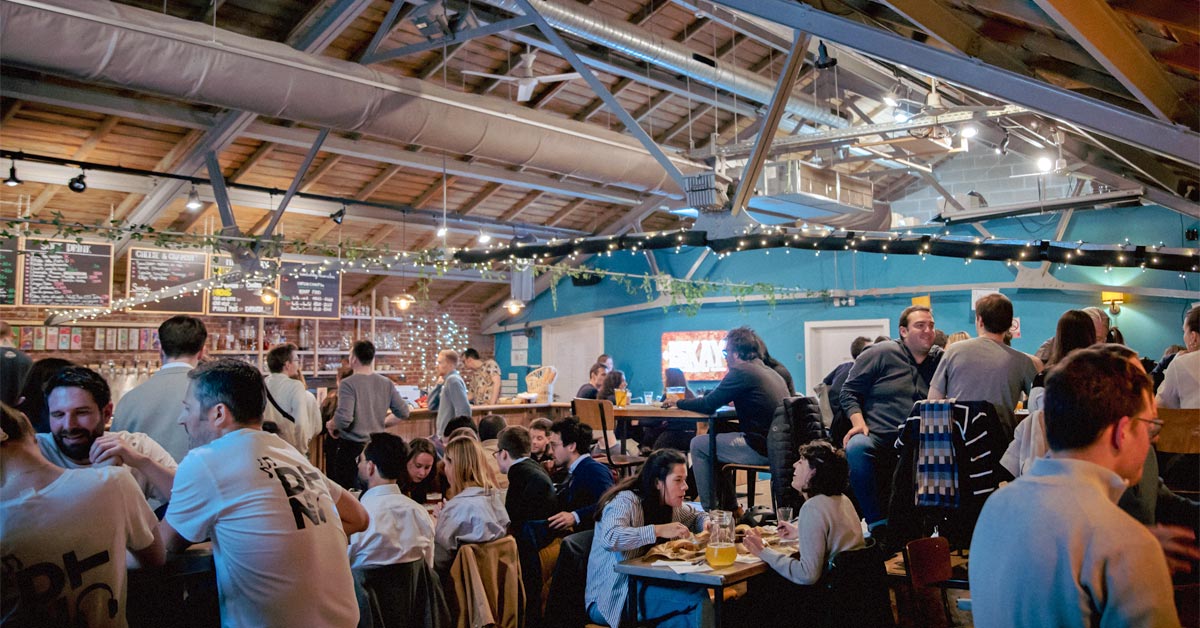
By offering low-alcohol options, kombucha, and a focus on the culinary aspects of fermentation, these new-age breweries are successfully appealing to women and younger drinkers (Gen Z and Millennials) who are increasingly health-conscious and drink less alcohol than previous generations. The inclusion of community gardens, farmer’s markets, and artisan classes further widens the net, transforming the brewery from a "bar" into a multi-generational community center.
Broader Impact and Industry Implications
The transition of breweries into community collectives and fermentation hubs represents a maturing of the craft industry. It suggests that the future of the sector lies not in aggressive national distribution, but in deep, localized roots and operational flexibility.
The tiers-lieu model demonstrates how small businesses can survive by becoming essential to the social infrastructure of their towns. The cooperative model pioneered by CoHop provides a blueprint for urban brewers to achieve economies of scale without losing their brand identity. Finally, the "fermentarium" movement acknowledges that the expertise of the brewer is essentially the expertise of a fermentation scientist, capable of producing a wide array of products that cater to a changing public palate.
As the industry moves toward 2030, the breweries that thrive will likely be those that view themselves as more than just production facilities. They will be the spaces where community is built, where ancient traditions are modernized, and where the art of fermentation is explored in all its forms. Whether through shared stainless steel or shared social goals, the modern brewery is proving that it is indeed "stronger together."