admin
admin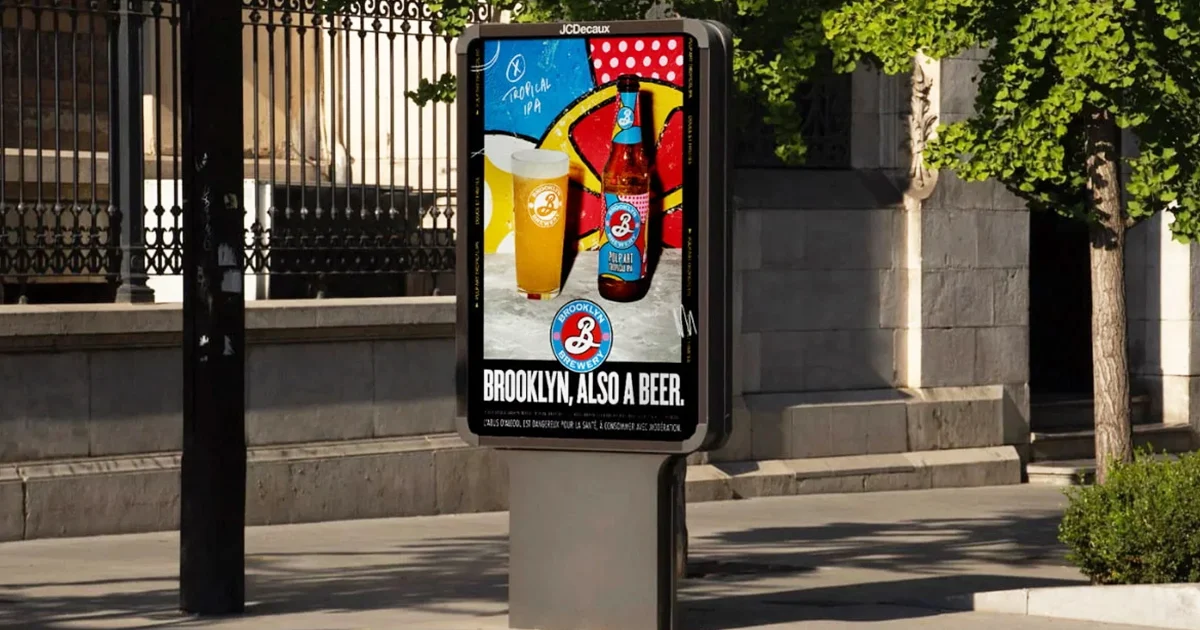
The international expansion of American craft beer is a study in cultural adaptation, regulatory navigation, and economic resilience. While domestic consumers are accustomed to vibrant marketing campaigns featuring sun-drenched beaches and social gatherings, the transition to European markets requires a fundamental shift in brand identity. For Brooklyn Brewery, a stalwart of the New York craft scene, promoting its product in the United States involves imagery of rollerskating sessions and weekend barbecues. However, in France, the same brand must adhere to the Loi Évin, a 1991 statute that strictly prohibits the association of alcohol with pleasure, sport, or lifestyle. In the French market, a Brooklyn Brewery advertisement is stripped of its human element, featuring only a bottle and a glass against a neutral background, accompanied by a mandatory health warning: “Alcohol abuse is bad for your health.” This stark dichotomy illustrates the multifaceted challenges facing U.S. brewers as they seek to capture a share of the sophisticated European market.
The Statistical Landscape of U.S. Beer Exports
According to 2022 data from the Brewers Association, the trade organization representing small and independent American craft brewers, the export market remains a vital though complex avenue for growth. The United Kingdom led European consumption of U.S. craft beer, accounting for 7.3% of total exports. Sweden followed closely at 7.1%, with the Netherlands securing 5.2%. Other significant markets include Italy, Ireland, and France. Despite the logistical hurdles, the demand for American "liquid culture"—specifically high-quality, innovative styles—continues to drive international trade.
Qurban Walia, co-founder of Crafted Exports, an export and brand management firm based in New York, notes that while brewers prioritize sales growth and product freshness, the reality of international trade is dictated by macro-economic factors. Currency fluctuations, particularly the strength of the U.S. dollar against the Euro and the British Pound, create significant pricing pressures. When the dollar is strong, American products become more expensive for European importers, forcing U.S. breweries to either reduce their margins or risk being priced out of the retail market.
A Chronology of International Market Entry
The journey of an American craft beer from a domestic kettle to a European shelf is a multi-stage process that often takes years to stabilize.
- Domestic Maturation: A brewery must first establish a consistent quality and brand identity within its home state.
- Regulatory Research: This phase involves identifying target markets and understanding specific national laws, such as France’s advertising restrictions or Ireland’s impending health labeling requirements.
- Partnership Formation: Most successful exporters, like The Virginia Beer Company, partner with specialized importers or international distributors. For instance, Brooklyn Brewery utilizes Brasseries Kronenbourg (owned by the Carlsberg Group) for its French distribution.
- Compliance and Redesign: Labels are often completely overhauled to meet local standards. This includes adding mandatory pictograms, translating ingredient lists, and removing prohibited imagery.
- The Tender Process: In countries with government-owned monopolies, such as Sweden, Norway, and Finland, breweries must enter competitive "tenders" where beers are selected via blind taste tests.
- Logistics and Shipping: Cold-chain logistics are essential to maintain the integrity of hop-forward styles like IPAs during the weeks-long transit across the Atlantic.
The Regulatory Maze: Labeling and Marketing Restrictions
The European Union provides a baseline for labeling, such as exempting beverages above 1.2% ABV from mandatory calorie counts and ingredient lists. However, individual member states frequently exercise their right to impose stricter national standards.

In Ireland, a landmark law set to take full effect by 2026 will require all alcohol products to carry prominent health warnings regarding the risks of liver disease and fatal cancers. This move has caused ripples through the global trade community, as it necessitates unique packaging specifically for the Irish market. Similarly, France requires a pregnancy warning pictogram of a specific size on every bottle, regardless of its origin.
The Scandinavian model presents perhaps the most rigorous entry barrier. Sweden’s Systembolaget, Norway’s Vinmonopolet, and Finland’s Alko are state-controlled retailers designed to limit the social harms of alcohol. In Sweden, any imagery on a beer can that links alcohol to work, children, weaponry, or sexuality is strictly forbidden. A notable example of this occurred when Captain Lawrence Brewing Co. was required to remove a small knife held by a hop character on its "Effortless Grapefruit IPA" label before the product could be sold in Sweden.
Despite these hurdles, industry experts like Walia argue that the Swedish system is one of the fairest. Because the selection process is based on blind tastings rather than marketing budgets, it allows smaller, quality-focused breweries to compete on a level playing field with global conglomerates. This "meritocracy of the liquid" has contributed to a surge in American craft beer popularity across the Nordic regions.
Economic Realities and the "Margin Squeeze"
Exporting beer is an expensive endeavor. Shipping costs, import duties, and the "three-tier" distribution system (where the exporter, importer, and retailer all take a percentage) often double or triple the price of a beer by the time it reaches a European consumer.
Chris Smith, co-founder of The Virginia Beer Company in Williamsburg, explains that the brewery must often sell its beer at a lower wholesale price for international markets than it does for domestic distributors. "If we sold our beers at our U.S. pricing, no one would buy it," Smith states. This pressure on margins is the price of entry for breweries looking to diversify their revenue streams beyond the increasingly crowded American market.
The Administrative Paradox: Domestic vs. International
A surprising revelation for many U.S. brewers is that selling beer in Europe can sometimes be administratively simpler than selling it in a neighboring U.S. state. The American "Three-Tier System" and the 21st Amendment grant individual states the power to regulate alcohol, creating a patchwork of 50 different sets of laws.

"We’re asked why we don’t sell beer in some of our neighboring states, and it’s because we literally have to register it in every single state," Smith says. In contrast, once an importer handles the national compliance for a country like France or the Netherlands, the beer can often flow through those markets with relative ease. This administrative efficiency in Europe serves as a counterbalance to the higher costs of trans-Atlantic shipping.
Shifting Consumer Tastes and Market Saturation
Historically, Europe has been the home of traditional lager brewing, particularly in Germany and the Czech Republic. For American craft brewers, competing in these regions with U.S.-made lagers is nearly impossible due to the high quality and low price of local offerings. Consequently, U.S. exports have leaned heavily into styles that American brewers popularized: Hazy IPAs, West Coast IPAs, barrel-aged stouts, and fruited sours.
However, the "Haze" craze that dominated the 2010s is meeting new competition. European domestic craft scenes in countries like France, Spain, and Italy have matured rapidly. Local brewers are now producing world-class IPAs that do not require the high price tag or the carbon footprint of an imported American can. This local competition has led to a decrease in the number of importers willing to take on the risk of U.S. craft brands, further tightening the market.
Geopolitical Implications and Future Outlook
The future of American craft beer exports is inextricably linked to global trade policy. The industry has previously been caught in the crossfire of trade disputes, such as the tariffs on aluminum and steel or retaliatory tariffs on American spirits and beer during various trade wars. Current geopolitical uncertainties continue to weigh on the minds of brewery owners.
In response to these challenges, the strategy is shifting from mere shipping to active brand engagement. In 2025, Crafted Exports organized a "road show" to the United Kingdom, bringing American brewers to meet British consumers and retailers directly. This face-to-face interaction is seen as essential for building long-term brand loyalty in an era where "local" is often preferred over "imported."
The resilience of the American craft beer export sector demonstrates a commitment to globalized liquid culture. While the days of easy growth in Europe may be over, the market remains a prestigious and viable destination for breweries that can master the delicate balance of regulatory compliance, economic maneuvering, and stylistic innovation. As the industry moves toward 2026 and beyond, the ability to adapt to health-conscious labeling and shifting trade alliances will determine which American brands remain on the global tap.