admin
admin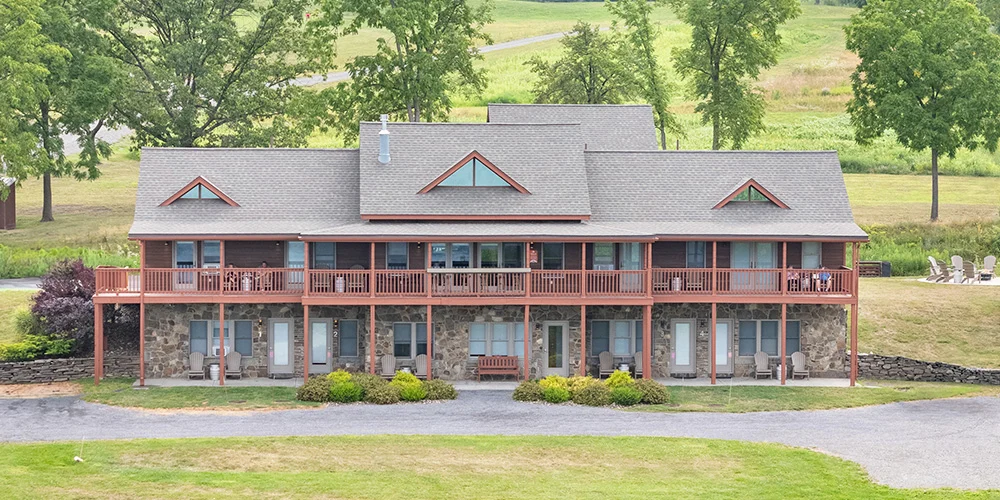
The landscape of the American craft brewing industry is undergoing a significant structural transformation, moving beyond the traditional taproom model to embrace the burgeoning "experience economy." Across the country, independent brewers are increasingly diversifying their portfolios by transforming historic barns, bungalows, and industrial landmarks into boutique accommodations. This shift represents a strategic evolution in beer tourism, where the objective is no longer merely the sale of a pint, but the cultivation of a comprehensive brand ecosystem. By integrating lodging with production, breweries are offering "beercations"—full-fledged getaways that range from rustic woodland cabins and alpine lodges to high-concept urban hotels. These destinations allow enthusiasts to immerse themselves in a brand’s ethos, effectively turning a transient tasting flight into a multi-day emotional and financial investment.
The Economic Context of Beer Tourism
To understand the rise of brewery-centric lodging, one must look at the broader economic performance of the craft beer sector. According to data from the Brewers Association, the non-profit trade group representing small and independent U.S. brewers, the craft brewing industry contributed $72.2 billion to the U.S. economy in 2022. Despite market saturation in some regions, the demand for "experiential" travel has remained robust. Tourism has become a vital revenue stream for the over 9,000 craft breweries operating nationwide.
Market analysis suggests that as consumer preferences shift—particularly among Millennial and Gen Z demographics—there is a heightened value placed on authenticity and "place-making." Overnight stays provide a storytelling platform that a standard bar cannot match. For a brewery, lodging is not merely a secondary income source; it is a vehicle for brand loyalty. When a guest sleeps in a room themed after a specific IPA or wakes up on the same acreage where the brewing water is sourced, the connection to the product becomes personal and lasting.
A Chronology of the Craft Beer Stay
The concept of the "brewery hotel" has evolved through several distinct phases over the last four decades:
- The Brewpub Era (1980s–1990s): Following the legalization of brewpubs in various states, the focus was on the "pint and a burger" model. Lodging was rare and usually incidental, found only in historic inns that happened to brew their own ale.
- The Adaptive Reuse Movement (2000s): Pioneers like McMenamins in the Pacific Northwest began aggressively purchasing defunct schools, poor farms, and churches, converting them into sprawling entertainment complexes where brewing and lodging coexisted.
- The Destination Brewery (2010s): Larger craft breweries began building "destination" campuses. While many offered tours and restaurants, the focus remained on high-volume production.
- The Immersive Boutique Era (2020–Present): The current trend focuses on "boutique" experiences. This involves smaller, curated accommodations—often luxury-leaning—that emphasize the specific lifestyle associated with the brewery’s location, whether that be outdoor adventure, historical preservation, or agricultural heritage.
Case Study: The Pacific Northwest and Cabin Culture
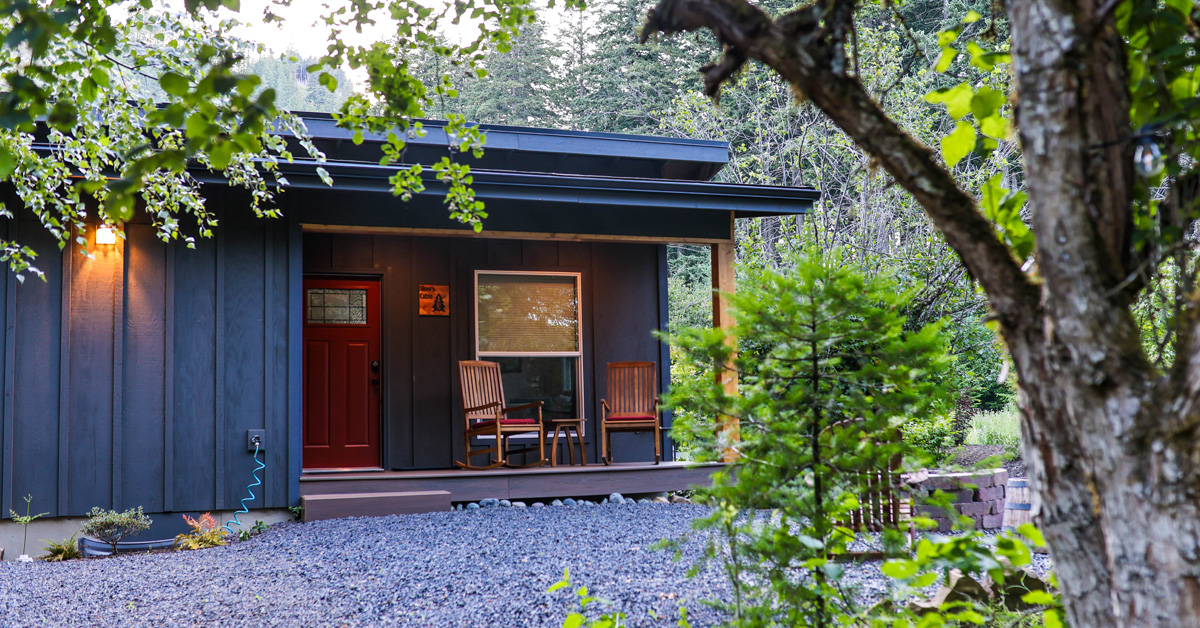
In Carson, Washington, Backwoods Brewing Company exemplifies the "lifestyle" integration of the modern brewery stay. Located in the Columbia River Gorge, approximately one hour from Portland and three hours from Seattle, the brewery has leveraged its scenic surroundings to create "Backwoods Cabins."
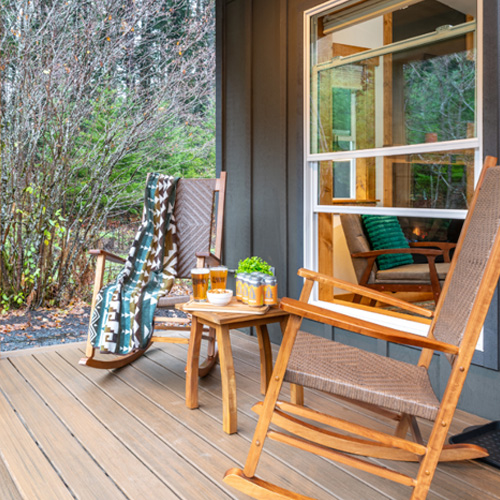
Steve Waters, CEO of Backwoods, notes that the decision to expand into lodging was a response to existing consumer behavior. "People already come out here to slow down—what if they could stay the night too?" Waters stated. The development consists of eight luxury cabins, each themed to reflect regional outdoor activities such as hiking, kayaking, and stargazing. The design serves as a bridge between "PNW cabin-core" aesthetics and upscale hospitality, featuring 600-thread-count sheets and hops-scented amenities.
From a business perspective, the cabins allow Backwoods to control the entire visitor experience. Guests can pre-order beer for their rooms, such as the Party Acres Hazy IPA or the Ridge Run Oatmeal Stout, creating a seamless transition from the taproom to the private porch. This model effectively extends the "dwell time" of the customer, increasing the average spend per head significantly beyond what a standard tasting room visit would generate.
The Alpine Model: Heritage and European Tradition
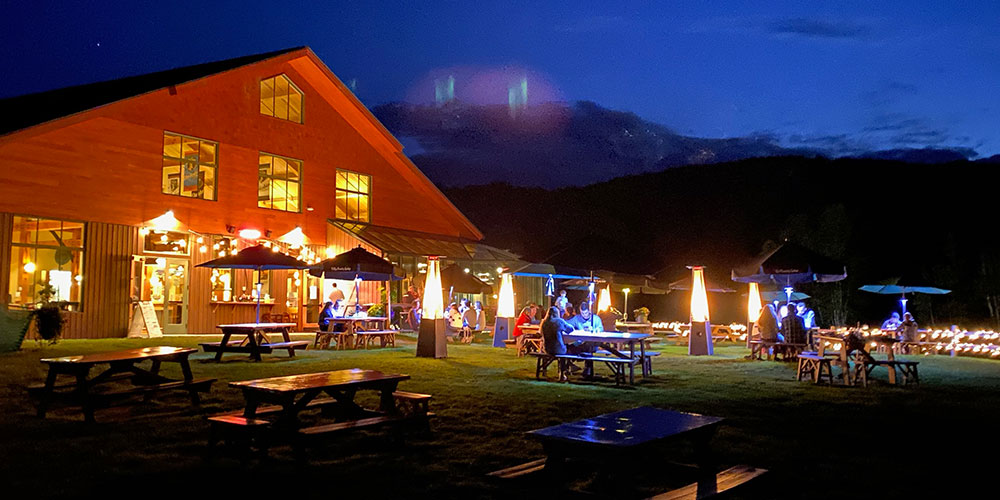
In Stowe, Vermont, the von Trapp Family Lodge and von Trapp Brewing represent a different facet of this trend: the integration of historical legacy with agricultural tourism. Founded by the family made famous by The Sound of Music, the 2,600-acre estate has utilized its natural resources to build a world-class brewery.
Johannes von Trapp’s vision was rooted in the European tradition of "crisp, refreshing lagers" enjoyed in an alpine setting. Emily Provost, the brewery’s marketing manager, emphasizes that the brewery was built directly into the property to utilize natural spring water from the land. The "Bierhall" serves Austrian-inspired cuisine—schnitzel and bratwurst—paired with award-winning Helles and Kölsch-style ales.
The von Trapp model demonstrates how lodging can provide a sense of historical continuity. By offering guided brewery tastings and snowshoe tours led by family members, the resort creates an "immersion" that justifies a premium price point. It moves the product (beer) from a commodity to a cultural artifact.
The Integrated Resort: New York’s Finger Lakes
While many breweries add lodging as an afterthought, Grist Iron Brewing in Watkins Glen, New York, took a reverse approach. According to Emily Knowlden, social media and marketing coordinator, the lodging was actually the primary driver for the location. "When the owners were scouting locations, they found a property that already had rooms—it was a perfect fit," Knowlden explained.
The Lodge at Grist Iron is now a central pillar of the Finger Lakes tourism circuit. The facility features "rustic-modern" design with black-and-white brewing murals and, most notably, built-in shower ledges designed specifically for "shower beers." This quirky, brand-aligned detail has become a significant marketing tool on social media.
Grist Iron has further expanded its "resort" status by adding "Beer Mountain," a disc golf course and dog park featuring an on-site "Woof Top" bar. This diversification ensures that the brewery is a destination for families and pet owners, broadening the customer base beyond the traditional beer enthusiast.
Diversity in the Market: From Urban Themes to Historic Districts
The trend of brewery-integrated lodging is not confined to rural settings. In Fargo, North Dakota, Drekker Brewing’s "Brewhalla Crash Pad" offers a hyper-branded urban experience. Each room in the boutique hotel is themed after a specific beer label, such as the "Mind Bullets" suite, which features psychedelic murals and industrial ductwork that mirror the brewery’s branding.
Similarly, the McMenamins chain in Oregon and Washington has mastered the art of "adaptive reuse," turning historic schools and churches into eclectic hybrids. Their model relies on "secret" bars and hidden rooms, encouraging guests to explore the physical space as much as the beer menu.
In Wisconsin, the Commerce Street Brewery Hotel in Mineral Point offers a more intimate, small-town experience. Perched above a European-style brewpub, the five-room inn provides a connection to the historic district, pairing local history with classic styles like the Mineral Point Pilsner.
Broader Impact and Industry Implications
The rise of these boutique accommodations suggests a permanent shift in the hospitality and beverage industries. For the brewing industry, it provides a hedge against fluctuating retail sales and taproom traffic. For the hospitality industry, it offers a pre-built "theme" and an existing community of loyal followers.
However, the shift also presents challenges. Managing a hotel requires a vastly different skillset than managing a production brewery. Issues of staffing, seasonal occupancy, and property maintenance introduce new overhead costs. Nevertheless, the data indicates that the "beercation" is a growing segment of the $1 trillion U.S. travel industry.
As craft beer continues to mature as an industry, the focus is shifting from "what is in the glass" to "where the glass is held." By providing a bed, a story, and an immersive environment, American brewers are ensuring that their brands are not just tasted, but lived. This evolution from manufacturer to hospitality provider marks a new chapter in the American craft beer movement, one where the brewery is no longer just a stop on the way—it is the destination itself.