admin
admin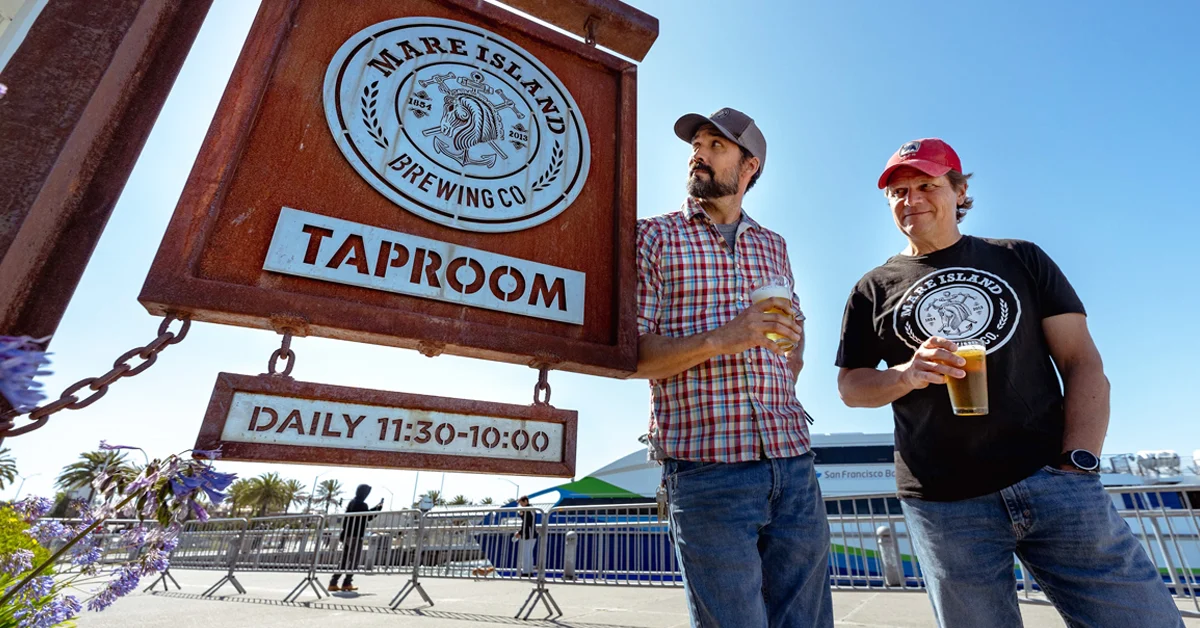
The ancient adage among viticulturists and enologists that "it takes a lot of beer to make good wine" has long been a humorous staple of the harvest season, but in the modern landscape of California’s beverage industry, this sentiment has evolved from a workplace joke into a sophisticated professional crossover. As the United States’ leading producer of both wine and craft beer, California has become the primary laboratory for a growing demographic of fermentation specialists who navigate the distinct worlds of hops and grapes. This convergence is not merely a matter of personal preference but represents a significant cross-pollination of technical skill, branding philosophy, and historical preservation that is reshaping the Golden State’s artisanal identity.
For many professionals, the transition from the vineyard to the brewhouse—or the maintenance of dual careers in both—is driven by the physical and sensory demands of the trade. Sherman Thacher, the founder and winemaker of Thacher Winery in Paso Robles, notes that beer serves as a vital functional tool during the grueling wine production cycle. After a day spent evaluating the high acidity, tannins, and complex sugars of fermenting must, the cold, carbonated, and lower-acid profile of a beer acts as a necessary palate cleanser. Thacher’s perspective is informed by a deep professional history in both sectors; before establishing his reputation in the Central Coast wine scene, he served a long tenure as a brewmaster at the Los Gatos Brewing Company from 1992 to 2006, specializing in traditional German-style lagers and ales.
The Historical and Regional Context of California Fermentation
The geographical overlap of these industries is most pronounced in Northern California, where the boundaries between the Napa Valley, Sonoma County, and the San Francisco Bay Area blur. This region has historically served as the epicenter for both the American wine renaissance of the 1970s and the craft beer revolution of the 1980s. The proximity of world-class vineyards to pioneering breweries like Anchor Brewing and Sierra Nevada created a culture where fermentation expertise was a shared regional currency.
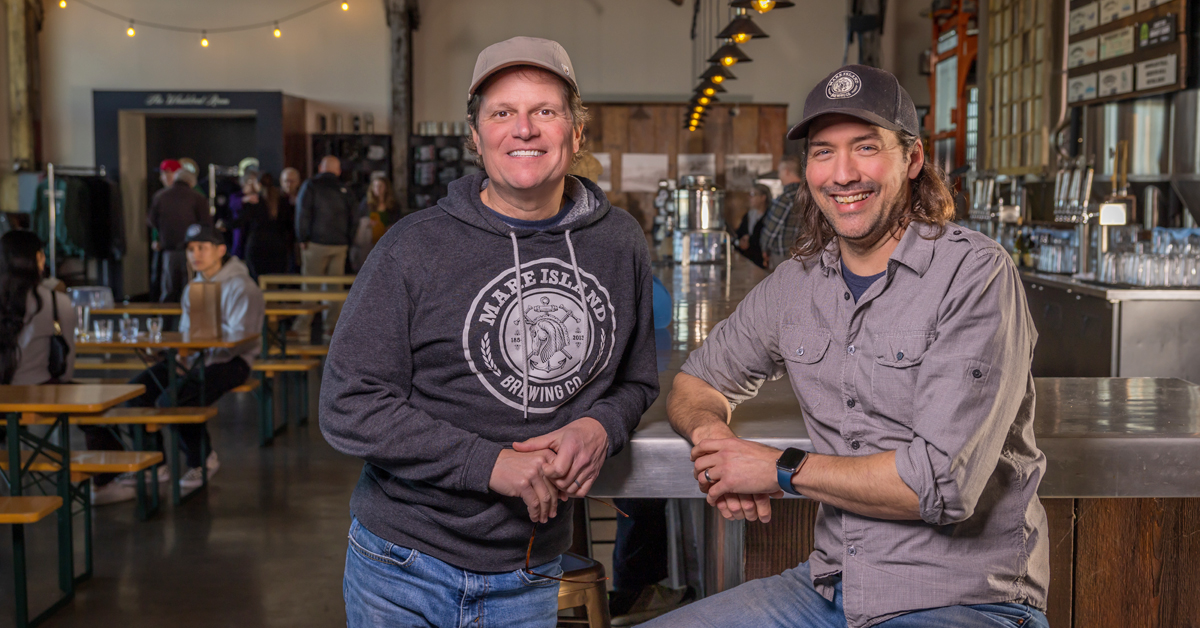
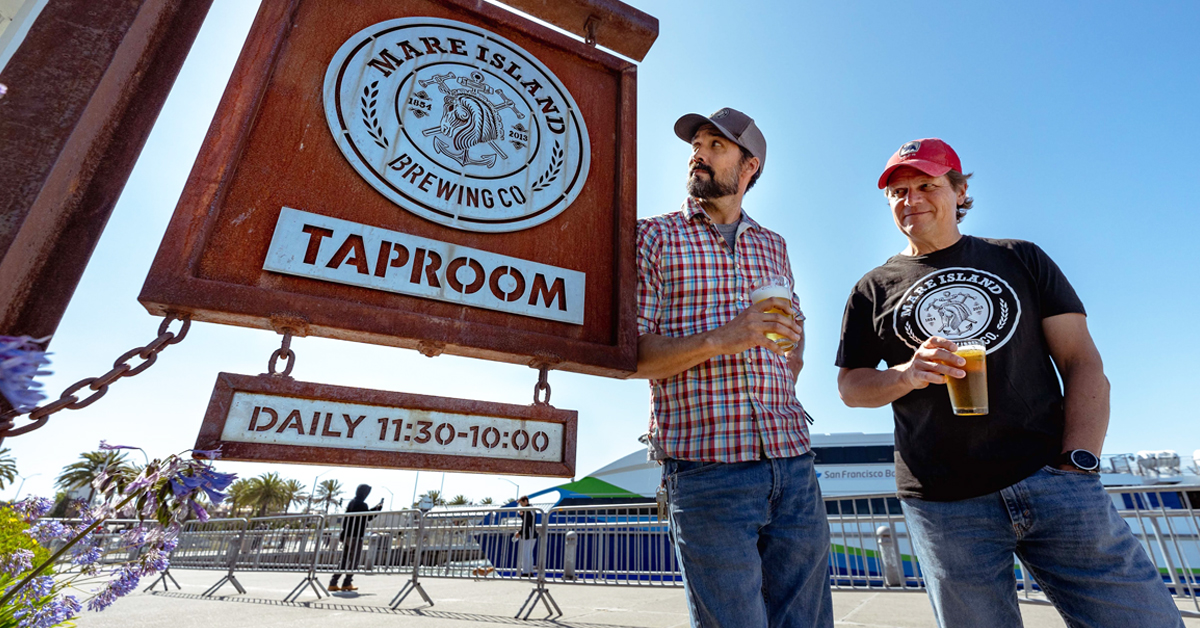
A prime example of this synergy is found in the origins of Mare Island Brewing Co. Founders Kent Fortner and Ryan Gibbons did not meet in a pub or a brewery, but rather on a wine crush pad in Napa Valley. Their shared background in winemaking provided the technical foundation for their venture into brewing, which began with the 2013 release of their Saginaw Golden Ale. The beer was named in honor of the USS Saginaw, the first vessel launched from the Mare Island Naval Shipyard. This shipyard, established in 1854 as the first U.S. naval installation on the West Coast, provides a historical anchor for the brand, illustrating how modern craft producers often utilize local history to build brand narrative—a technique frequently employed by prestigious wineries to establish a sense of "terroir" and place.
The expansion of Mare Island Brewing Co. into multiple locations, including the Ferry Taproom in Vallejo and the Coal Shed Brewery on the Mare Island waterfront, demonstrates the commercial viability of this crossover. Despite the success of the brewery, the influence of the vineyard remains permanent. Fortner continues to operate Road 31 Wine Co., a boutique operation focused on Napa Valley Pinot Noir. This dual-track career path allows for a unique exchange of ideas; the taprooms of Mare Island often feature Road 31 wines and collaborations with other local producers like Fifth Hill in Sonoma, effectively breaking down the traditional silos that separated beer and wine consumers.
Technical Synergy and the Role of Academic Institutions
The bridge between these two worlds is reinforced by academic institutions, most notably the University of California, Davis. Known globally for its Department of Viticulture and Enology, UC Davis also hosts the Master Brewers Program, one of the most prestigious brewing qualifications in the world. This shared academic environment ensures that the next generation of California’s fermentation experts is trained with a holistic understanding of microbiology, chemistry, and sensory analysis.
Remy Martin, co-founder of Fogbelt Brewing in Sonoma County, represents the convergence of this academic rigor and familial legacy. Although his father, the late Dennis Martin, spent three decades as a winemaker for the legendary Fetzer Vineyards, the younger Martin found his calling in grain rather than grape. His journey included a pivotal period working a grape harvest in New Zealand, where he and co-founder Paul Hawley began homebrewing in a garage. This experience led Martin to the UC Davis Master Brewers Program, where he refined the skills necessary to compete in the crowded craft beer market.
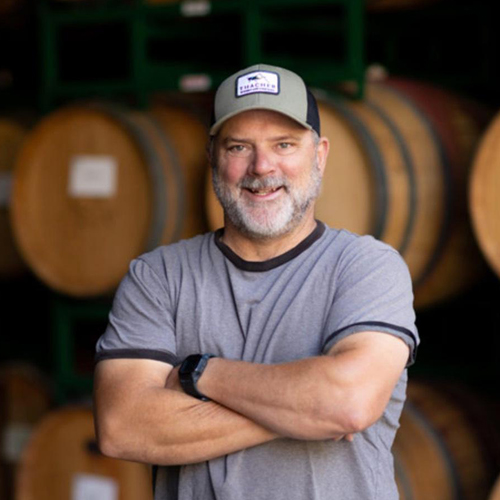
Technically, the disciplines share many commonalities, particularly in the management of yeast health and the prevention of oxidation. Sherman Thacher emphasizes that the "attention to detail" required in brewing—where the environment is often more susceptible to spoilage than the high-alcohol, low-pH environment of wine—has made him a more precise winemaker. Conversely, the winemaking influence is visible in the production of barrel-aged beers and "sour" programs, which utilize the same French and American oak barrels and anaerobic fermentation practices traditionally reserved for fine wines.
Divergent Philosophies Consistency vs. Vintage Variation
While the technical skills are transferable, the business philosophies of the two industries often diverge, particularly regarding the concept of consistency. In the wine world, "vintage variation" is celebrated. A winemaker’s goal is to express the unique characteristics of a specific growing season, meaning the product is expected to change from year to year. In contrast, the hallmark of a great brewery is often the ability to produce a flagship beer that tastes identical regardless of when or where it was brewed.
Remy Martin of Fogbelt Brewing highlights this distinction, noting that while wine is a seasonal pursuit tied to the annual harvest, brewing is a constant, year-round production cycle. This creates a different relationship between the producer and the consumer. The beer drinker looks for a reliable "constant," whereas the wine drinker often looks for a narrative of change. However, the influence of winemaking is beginning to permeate beer marketing. Ryan Gibbons of Mare Island notes that their winemaking background leads them toward a "class and elegance" in branding, eschewing the often loud, cheeky, or "crass" label designs common in the craft beer sector in favor of an aesthetic more aligned with premium wine labels.
Economic Impact and Industry Data
The economic implications of this crossover are significant. According to the California Wine Institute, the state’s wine industry contributes approximately $170 billion annually to the global economy and supports over 1.1 million jobs. Simultaneously, the California Craft Brewers Association reports that the state’s 1,100+ craft breweries contribute roughly $9 billion to the state’s economy.
As the markets for both products become increasingly saturated, the ability to offer "cross-category" experiences has become a competitive advantage. Data from consumer research groups like IWSR Drinks Market Analysis suggests that "omni-bibulous" consumers—those who regularly switch between beer, wine, and spirits—are the fastest-growing segment of the market. By leveraging expertise in both fields, California producers are better positioned to capture this diverse audience.
Broader Implications for the Craft Movement
The trend of winemakers entering the brewing space, and vice versa, suggests a maturing of the American craft movement. It reflects a shift away from "beverage tribalism" toward a more unified appreciation for the art of fermentation. This movement has also led to the rise of hybrid styles, such as Oenobeers (beers fermented with wine grapes) and the use of wine yeast strains in brewing, further blurring the lines between the two categories.
For professionals like Ryan Gibbons, the shift toward beer also reflects a lifestyle change. He notes that as his career has progressed, he values beer for its refreshing, lower-alcohol properties compared to the higher-octane profiles of many modern California wines. This "sessionability" makes beer a more practical daily beverage for those who work in the production of alcohol.
As California continues to lead the nation in beverage innovation, the integration of winemaking and brewing expertise is likely to deepen. The state’s unique combination of agricultural wealth, academic infrastructure, and historical legacy has created a fertile ground for a new type of artisan—the multi-disciplinary fermenter. Whether it is through the use of wine barrels to age an Imperial Stout or the adoption of brewing-level sanitation in a boutique winery, the exchange of ideas between these two ancient crafts is ensuring that California remains at the forefront of the global beverage industry. The flow of beer and wine in the Golden State is no longer a tale of two separate rivers, but rather a single, complex stream of innovation.