admin
admin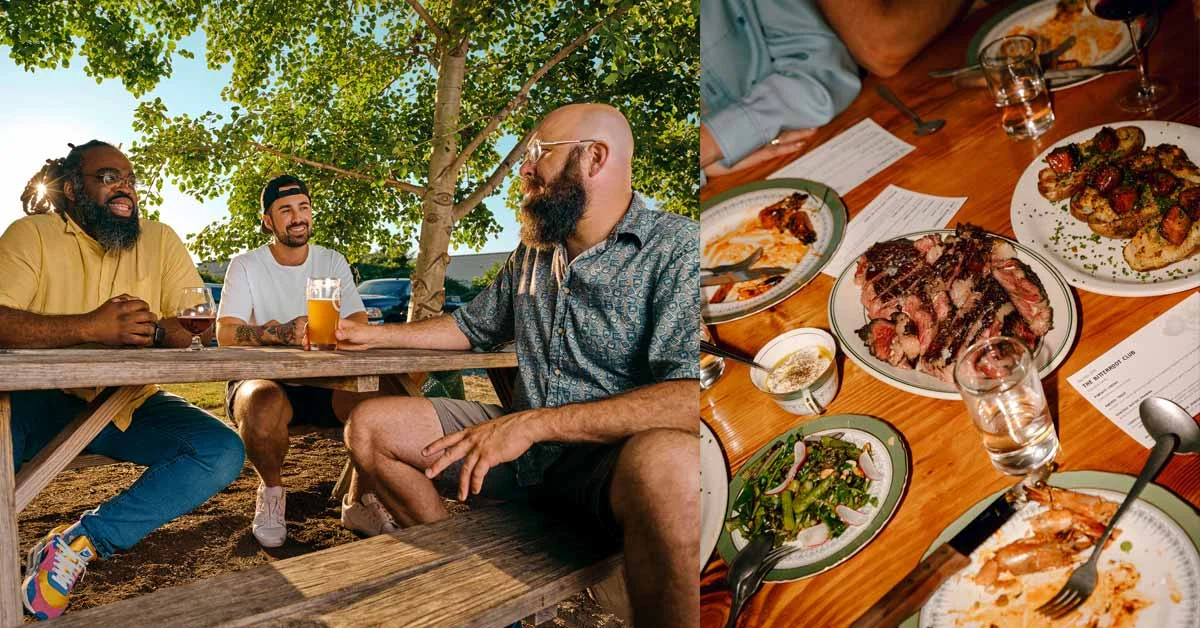
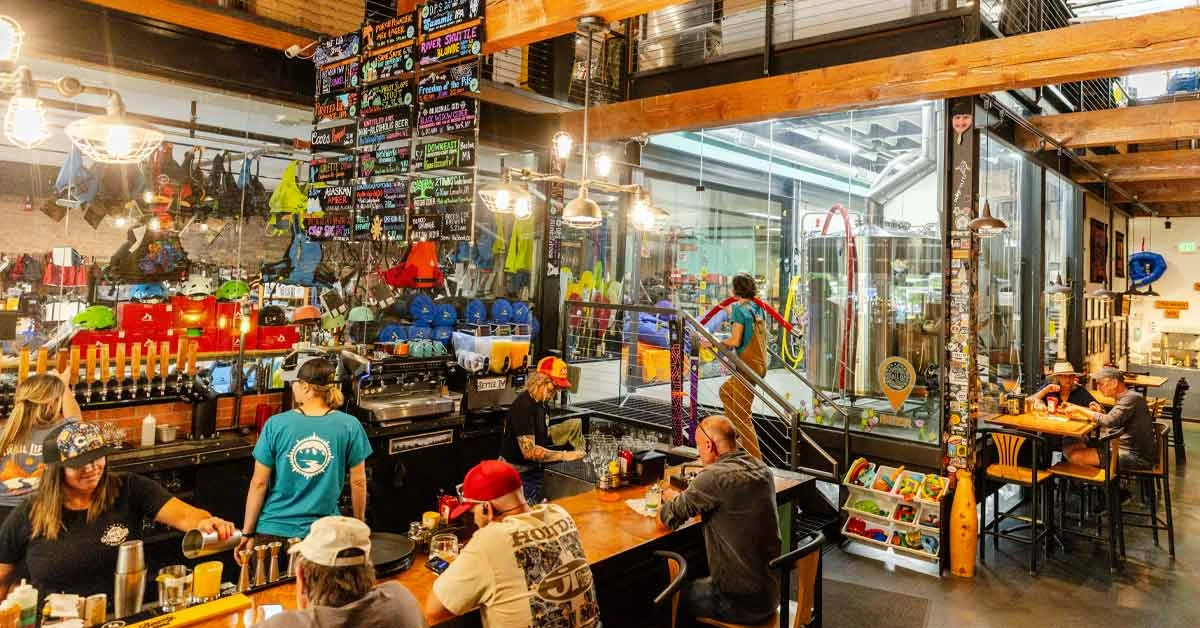
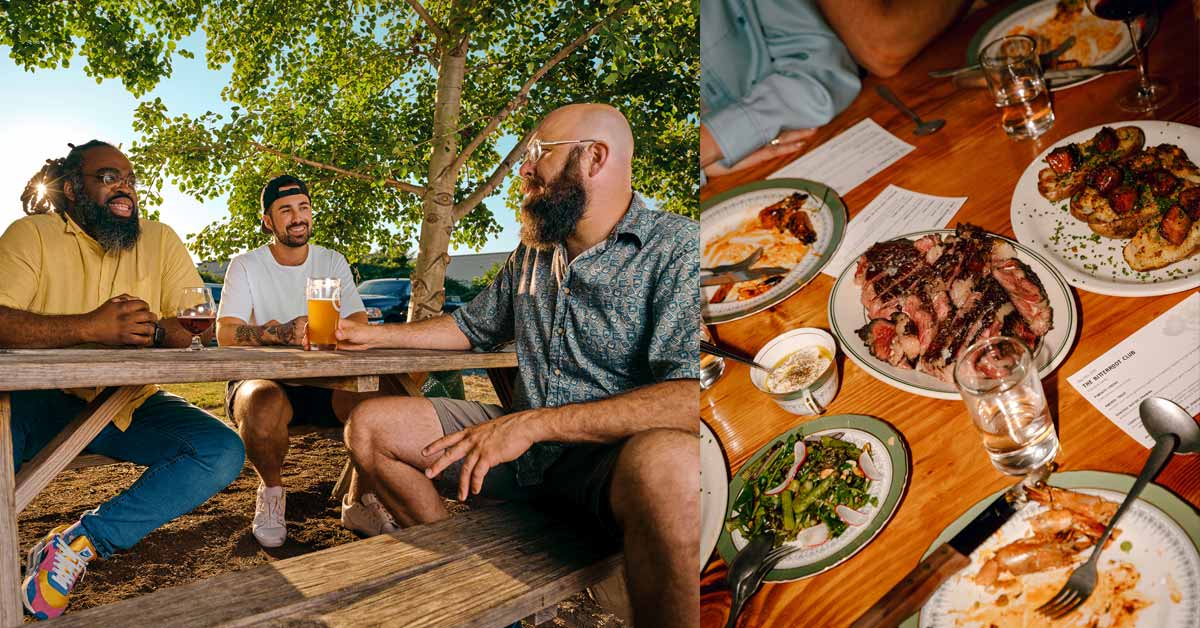
On a Tuesday evening in early October, the atmosphere at Grand Fir Brewing in Southeast Portland’s Buckman neighborhood exemplifies the intersection of historic industrial roots and modern culinary ambition. While the main taproom hums with the typical energy of a Pacific Northwest brewpub—defined by its rustic steel accents and warm wood finishes—a different experience unfolds in the building’s rear. Behind a nondescript door, in a windowless room styled after a secluded hunting lodge, a select group of patrons participates in The Bitterroot Club. This weekly supper club represents a significant shift in the craft beer industry: the transition from simple taprooms to high-concept, integrated gastronomic destinations.
The Bitterroot Club is the brainchild of Doug Adams, a Top Chef finalist and James Beard Award semifinalist, and his wife, Whitney Burnside Adams, a veteran brewmaster with a pedigree spanning Upright Brewing, Elysian, and 10 Barrel Brewing Company. The club offers a $135 prix fixe menu that pairs seasonal, locally sourced ingredients with specific beers brewed on-site. On this particular evening, the menu includes Columbia king salmon with lemon and fig paired with a bready Tamarack Festbier, and charcoal-grilled pork chops served alongside a crisp Bandit Run Mosaic American IPA. This "elevated" approach is not merely a stylistic choice; it is a strategic response to a shifting marketplace.
The Strategic Shift Toward Elevated Brewpub Experiences
The Adamses opened Grand Fir in November 2022, a period marked by significant economic recovery and changing consumer habits. Whitney Adams notes that the decision to integrate high-end culinary skills was a necessity for survival in a saturated market. "I felt that if I were to just open up a brewery, I honestly don’t think it would make it," she stated, highlighting the need for a distinct "angle" to attract patrons who are increasingly discerning about where they spend their discretionary income.
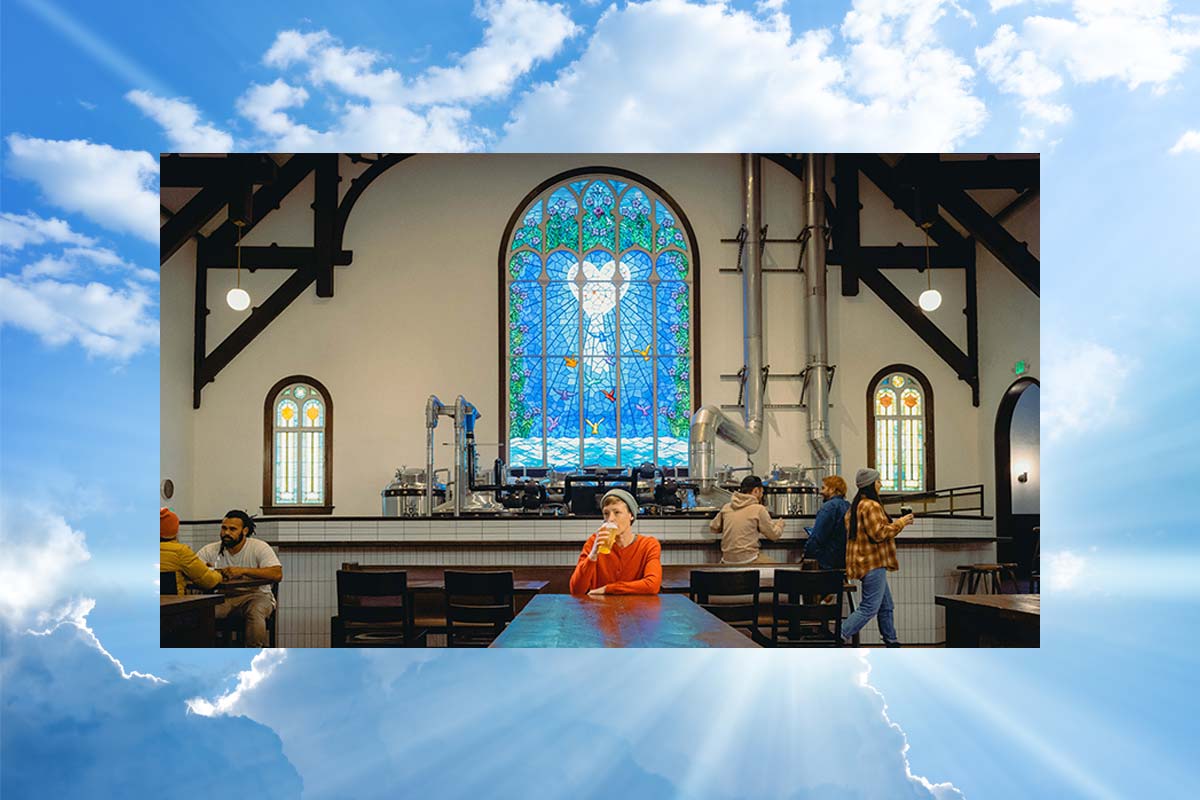
This sentiment is echoed across the industry. As the national marketplace for craft beer experiences a cooling period—characterized by a slowdown in volume growth and increased competition from spirits and canned cocktails—brewers are diversifying their offerings. While some establishments are installing dog parks, arcades, or pickleball courts to maintain foot traffic, the Portland market is leaning into sophistication. In Oregon, the issue is not necessarily a lack of drinkers, but rather a customer base with an exceptionally high "beer IQ."
A Chronology of Beervana: From Isolation to Industry Leader
The term "Beervana" was first coined by the local alternative weekly Willamette Week in 1994, but the roots of Portland’s beer dominance extend back to the early 1980s. The city’s rise as a global brewing capital was influenced by a unique combination of geographic isolation, legislative support, and agricultural proximity.
The Era of Pioneers (1980–1995)
In the 1980s, Oregon became a laboratory for the burgeoning microbrewery movement. Pioneers like the Widmer brothers, the McMenamin brothers, and the founders of BridgePort Brewing Company utilized Oregon’s 1985 "Brewpub Law," which allowed breweries to sell their products directly to consumers on-site. Because major national brands like Miller and Anheuser-Busch had a relatively minor presence in the Pacific Northwest compared to the Midwest or East Coast, local independent brewers were able to claim significant market share early on.
The Rise of the Northwest IPA (1996–2010)
By the mid-1990s, Portland had established a signature style. BridgePort’s India Pale Ale, introduced in 1996, utilized local hop varietals to create a floral, citrusy, and resinous profile that would become the template for the "Northwest-style IPA." During this period, drinkers in Portland began to view craft beer not as a niche luxury, but as the default standard. Van Havig, master brewer and co-founder of Gigantic Brewing, notes that in Portland, the terms "craft" or "microbrew" are rarely used by locals. "Here, it’s just beer," Havig says, reflecting the normalization of high-quality independent brewing.
The Era of Specialization and Distribution (2011–Present)
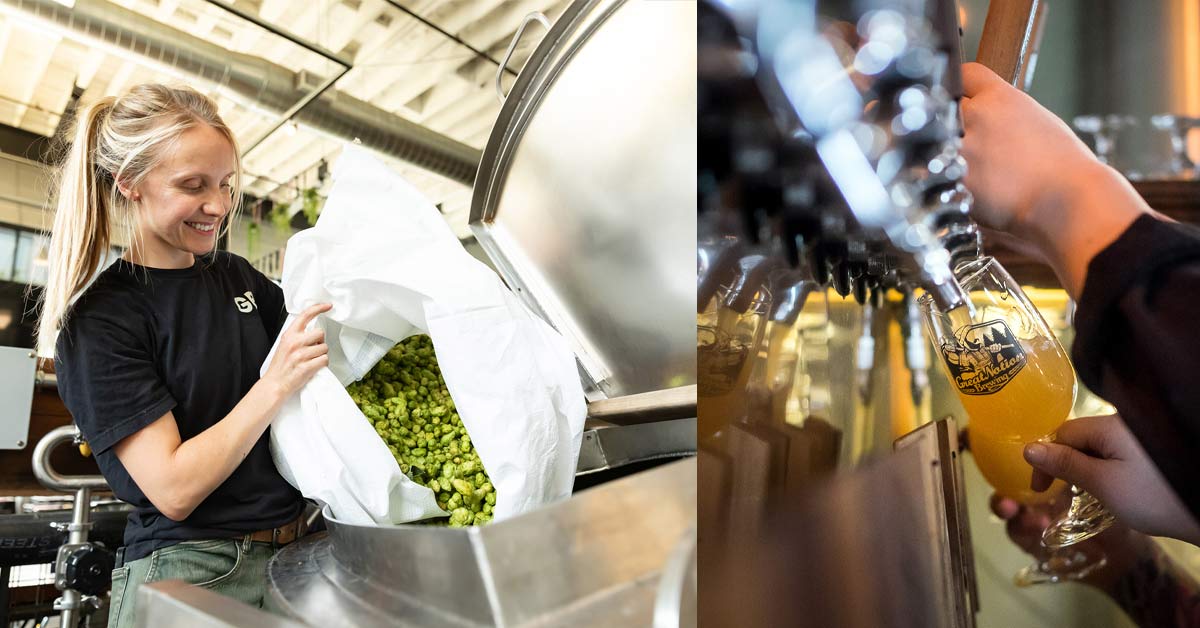
The last decade has seen a proliferation of specialized brewing styles. Establishments such as Breakside Brewing, founded in 2010, pushed the boundaries of the Northwest IPA, while others like Great Notion introduced "pastry sours" and "hazy" IPAs to the mainstream. The mid-2010s also saw the "growler phenomenon," where gas stations and grocery stores across the city installed draft towers, providing unprecedented market access for small-scale producers.
Agricultural Advantage: The Willamette Valley Connection
A primary driver of Portland’s brewing success is its proximity to the Willamette Valley, one of the world’s premier hop-growing regions. Located just south of the city, the valley provides brewers with immediate access to fresh ingredients and experimental hop varieties. According to the U.S. Department of Agriculture (USDA), Oregon consistently ranks among the top three states for hop production, with the Willamette Valley housing approximately 7,000 acres of hop farms.
This proximity allows for "fresh hop" season—a unique period in late summer and early autumn when brewers can transport hops from the field to the kettle within hours. This agricultural link fosters a culture of innovation. For example, Wayfinder Brewing popularized the "Cold IPA," utilizing lager yeast at higher temperatures to create a crisp, hop-forward profile, while Brujos Brewing has gained a cult following for its focus on intense, hazy formulations.
Supporting Data: The Economic Impact of Oregon Craft Beer
The economic significance of the brewing industry to the state of Oregon cannot be overstated. Data from the Brewers Association and the Oregon Brewers Guild highlights the following:
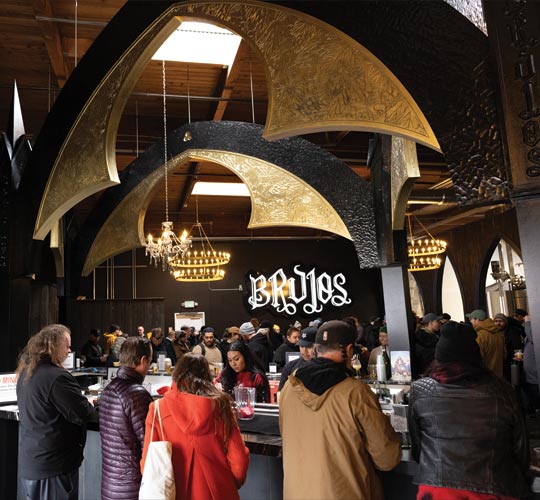
- Economic Contribution: The craft brewing industry contributes approximately $6.6 billion to Oregon’s economy annually.
- Employment: The sector supports more than 50,000 jobs across the state, including brewing, distribution, and hospitality.
- Market Saturation: Portland consistently ranks among the top cities in the U.S. for breweries per capita, with over 70 breweries operating within the city limits and over 100 in the greater metropolitan area.
- Consumer Behavior: Oregonians have one of the highest rates of in-state craft beer consumption in the country, with over 60% of the beer consumed in the state being produced by local independent breweries.
Despite these strong numbers, the industry faces headwinds. Rising real estate costs in Southeast Portland and the increasing cost of goods—particularly aluminum and CO2—have squeezed profit margins. This economic pressure has led to the closure of several long-standing institutions, making the success of "elevated" models like Grand Fir Brewing even more critical to the city’s identity.
Analysis of Implications: The Future of the "Discerning Drinker"
The evolution of the Portland market suggests that the future of craft beer lies in "experience-driven" consumption. Ben Edmunds, brewmaster at Breakside Brewing, suggests that the "savvy" nature of the local customer base acts as a quality control mechanism. In a market where world-class beer is available at every neighborhood dive bar, breweries must offer more than just a good product; they must offer a narrative and an environment.
The success of The Bitterroot Club indicates that there is a significant market for premium, high-margin experiences that bridge the gap between fine dining and casual brewing. This model provides a blueprint for breweries in other mature markets to stabilize their revenue streams. By diversifying into high-end food service and exclusive memberships, breweries can insulate themselves from the volatility of the retail distribution market.
Furthermore, the "family tree" of Portland brewing continues to grow. Unlike previous decades where brewers often stayed at a single flagship company for their entire careers, the current trend involves experienced veterans leaving established powerhouses to start their own boutique operations. This "influx of new blood," as Edmunds describes it, ensures that the scene remains vibrant and resistant to stagnation.
Conclusion: Where Craft Beer Won
The resilience of Portland’s beer scene, despite national downward trends in the beverage industry, underscores the city’s unique cultural relationship with the craft. While other regions may treat craft beer as a passing trend or a specific category of "luxury" goods, Portland has integrated it into the fabric of everyday life.
As Van Havig observed, the reality of "Beervana" is that the battle for market dominance by independent brewers has already been won. In Portland, the expectation of quality is so high that "craft" has become the baseline. The transition toward integrated culinary experiences, as seen at Grand Fir Brewing, is not a departure from beer culture, but the next logical step in its maturation. For the brewers and drinkers of Oregon, beer is not just a commodity—it is a community-defining craft that continues to adapt, innovate, and thrive.