admin
admin
The Willamette Valley, a viticultural area of immense proportions, sprawls across an astonishing 3.4 million acres. This expansive territory significantly eclipses the combined landmass of California’s renowned Napa, Sonoma, Lake, and Mendocino county wine regions, underscoring its unparalleled scale within the American wine landscape. This sheer vastness, a defining characteristic of the valley, was, ironically, a point of contention in 1982 when vintner David Adelsheim first petitioned the United States Bureau of Alcohol, Tobacco and Firearms (ATF) to establish the region as its own American Viticultural Area (AVA). The federal agency, tasked with regulating appellations, initially objected to the proposal, citing the region’s colossal size as potentially too unwieldy and diverse to warrant a single, unifying designation.
The Genesis of an AVA: A Vision Challenged
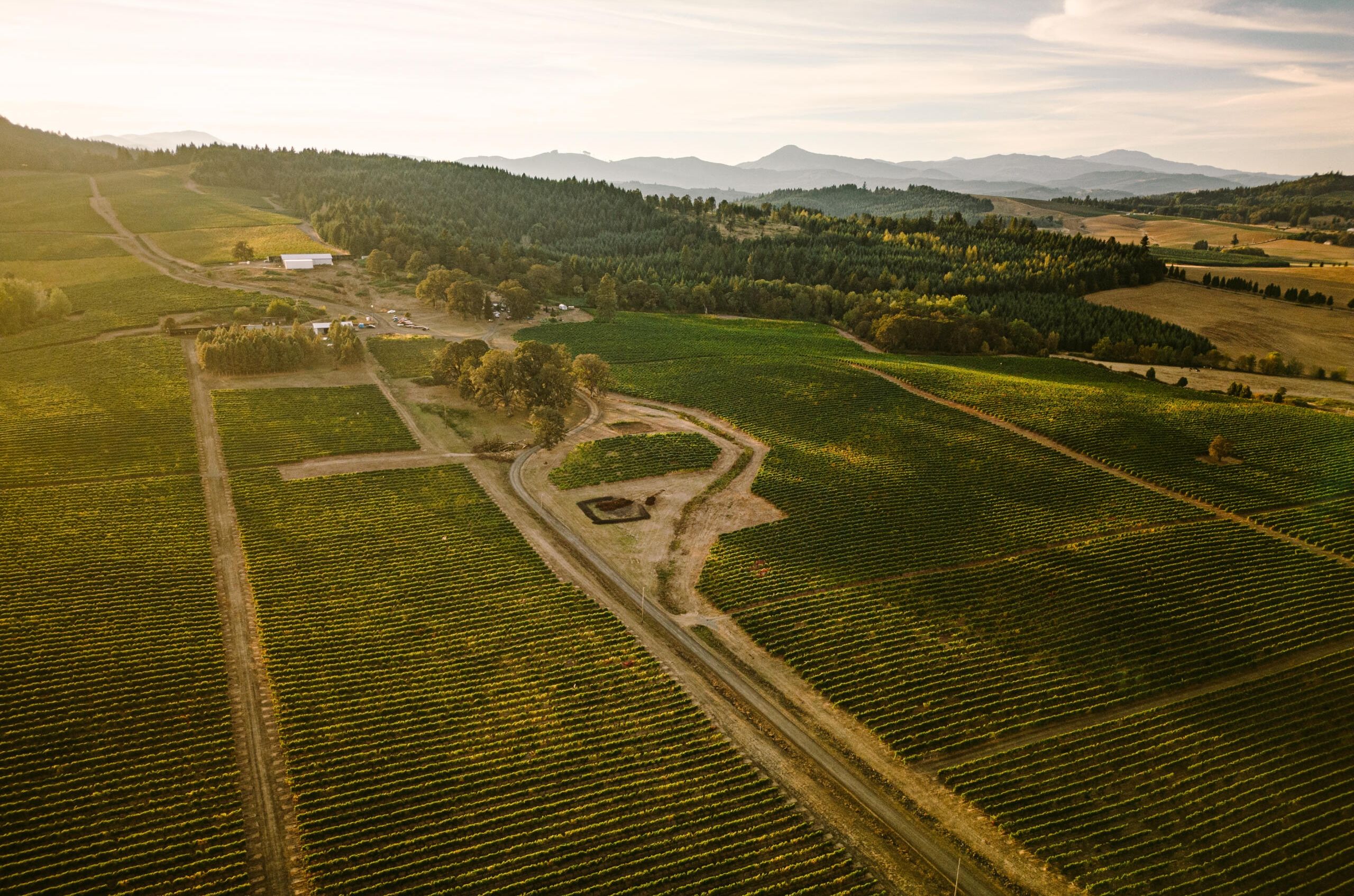
The concept of an American Viticultural Area, established by the ATF in 1978, was designed to define grape-growing regions based on distinct geographical features. These features include climate, soil, elevation, and historical significance, which collectively contribute to a wine’s unique character, often referred to as its "terroir." The AVA system provides consumers with information about a wine’s origin and helps producers market their products by linking them to specific, recognized regions. For aspiring wine regions across the United States, obtaining AVA status was, and remains, a crucial step in establishing credibility, protecting regional identity, and fostering economic growth within the wine industry.
In the nascent stages of Oregon’s modern wine industry, pioneers like David Lett of Eyrie Vineyards, Charles Coury, and Richard Erath had already begun planting Pinot Noir and other cool-climate varietals in the Willamette Valley in the 1960s and 1970s. These visionary individuals recognized the valley’s inherent potential for producing world-class wines, particularly Pinot Noir, drawing parallels to France’s Burgundy region due to similar latitudes and climatic conditions. David Adelsheim, co-founder of Adelsheim Vineyard, emerged as a leading advocate for formal recognition. His 1982 petition was not merely a bureaucratic formality; it was a strategic effort to officially delineate the region, provide a clear identity for its wines, and differentiate them in a burgeoning national and international market dominated by California.
The ATF’s initial objection, based on the valley’s immense size, stemmed from a concern that such a broad area might encompass too much climatic and geological variation to be genuinely cohesive. The regulatory body questioned whether a single AVA could accurately represent the diverse conditions across 3.4 million acres. This perspective highlighted a foundational challenge for many new world wine regions: how to balance the need for broad recognition with the inherent variability of large geographical expanses. Pioneers like Adelsheim, however, argued that despite its size, the Willamette Valley possessed a distinct, unifying character—a cool, moist climate influenced by the Pacific Ocean, sheltered by mountain ranges, and marked by specific soil types conducive to certain grape varietals. This debate underscored the evolving understanding of "terroir" in America, moving beyond simple geographical boundaries to encompass broader ecological and climatic patterns.
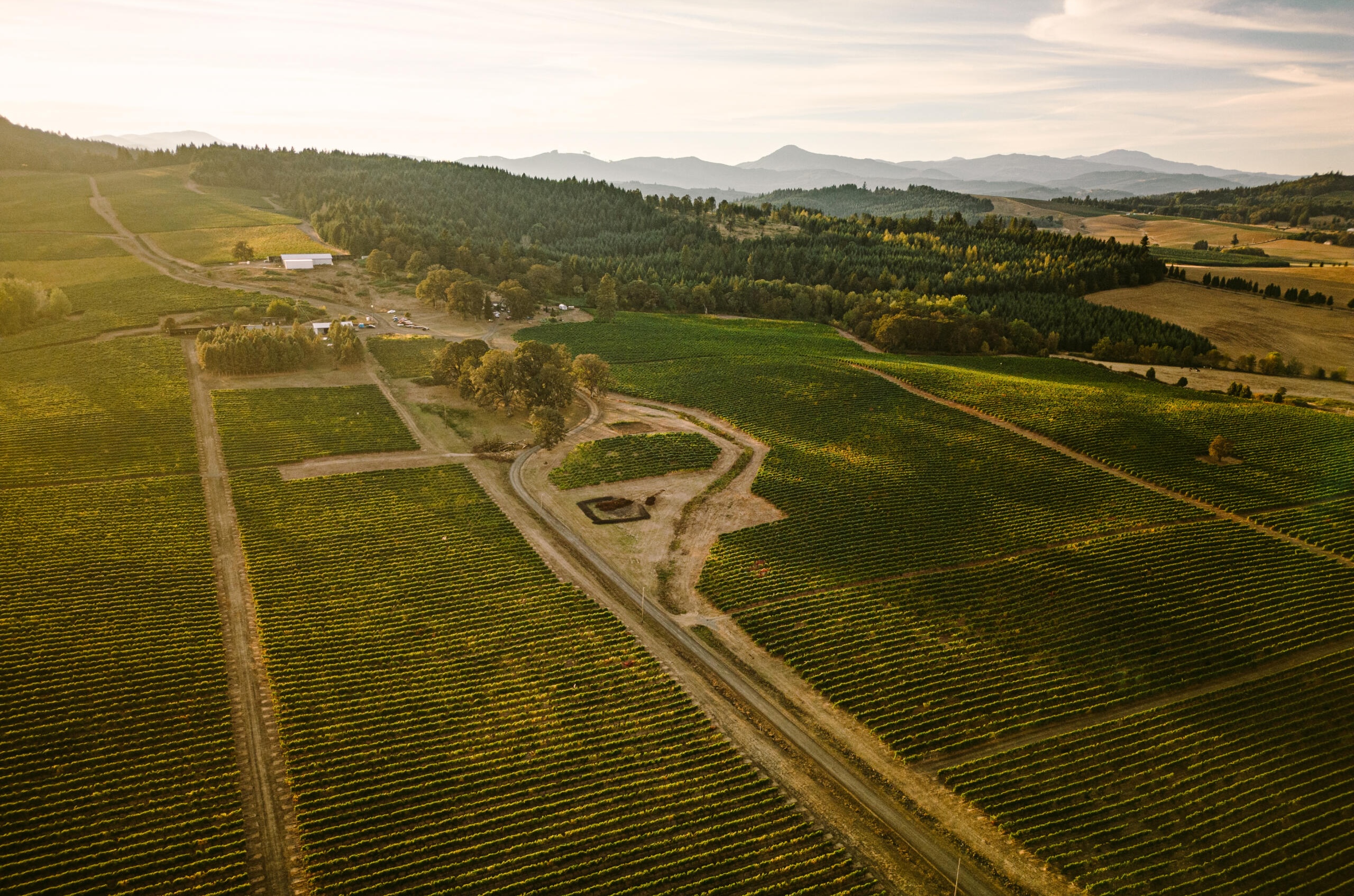
Despite the initial hesitation, Adelsheim and his contemporaries persevered, providing detailed documentation and scientific evidence to support their claims. Their efforts ultimately prevailed, leading to the official establishment of the Willamette Valley AVA in 1984. This landmark decision was a testament to the collective vision and determination of Oregon’s early vintners and laid the groundwork for the region’s future success, allowing wines produced within its boundaries to carry the esteemed Willamette Valley designation.
Geographic Grandeur and Climatic Complexity
The Willamette Valley’s defining characteristic is its unique geography and climate, which collectively create an ideal environment for cool-climate viticulture. The valley is cradled between two significant mountain ranges: the rugged Coast Range to the west, which acts as a protective barrier against the harshest Pacific storms, and the towering Cascade Mountains to the east, providing a rain shadow effect that influences rainfall patterns and temperatures. To the south, the Calapooya Mountains mark its southern boundary, completing this natural amphitheater. The lifeblood of the valley is the Willamette River, which flows northward for over 180 miles, contributing to the region’s hydrology and influencing its microclimates.
This geographical configuration dictates the valley’s distinctive cool, moist climate. While the Coast Range moderates the marine influence, it also allows a consistent flow of cool, moist air from the Pacific Ocean, especially during the growing season. This marine influence contributes to moderate daytime temperatures and significant diurnal shifts—the difference between daytime highs and nighttime lows. These temperature fluctuations are crucial for grape development, allowing grapes to ripen slowly while retaining vital acidity, which is essential for balance and longevity in wine. The rain shadow effect of the Cascades generally means the eastern side of the valley receives less rainfall than the western slopes of the Coast Range, creating subtle variations within the larger AVA.
The growing season in the Willamette Valley is characterized by warm, dry summers with abundant sunshine, followed by cool, often wet, autumns. The average annual rainfall can vary, but generally ranges from 35 to 45 inches, with the majority occurring outside the critical ripening period. This allows for natural irrigation while minimizing disease pressure during the crucial late-summer and early-fall months. The long, temperate growing season is particularly well-suited for varieties that thrive in cooler conditions, most notably Pinot Noir.
Beneath this climatic blanket lies a diverse tapestry of soil types, each contributing to the complexity and distinctiveness of Willamette Valley wines. The primary soil types include:
- Volcanic Soils (Jory and Nekia series): Predominantly found in areas like the Dundee Hills and Eola-Amity Hills, these iron-rich, red clay loam soils are derived from ancient volcanic basalt. They are typically well-drained and relatively shallow, leading to vines that produce smaller berries with concentrated flavors and often impart a structured, earthy character to the wines.
- Marine Sedimentary Soils (Willakenzie series): Common in regions such as the Chehalem Mountains, Ribbon Ridge, and Yamhill-Carlton, these soils are composed of ancient seabed remnants, including sandstone and siltstone. They tend to be deep, well-drained, and contain fossilized marine organisms, which can contribute to wines with more aromatic complexity, darker fruit profiles, and often softer tannins.
- Loess Soils: Formed by wind-blown silt, these soils are found in various parts of the valley. They are generally fertile and well-drained, offering another layer of geological diversity.
This intricate interplay of geography, climate, and geology results in a wide spectrum of expressions, particularly for Pinot Noir, the region’s flagship grape. While the Willamette Valley is overwhelmingly celebrated for its Pinot Noir, the region’s cool climate also proves highly amenable to other varietals. Pinot Gris has found a strong second home here, producing crisp, aromatic white wines. Chardonnay, once overlooked, is experiencing a renaissance, with producers crafting elegant, age-worthy expressions. Other grapes like Gamay, Riesling, and even some experimental plantings are finding success, contributing to the valley’s growing reputation for diversity and quality.
A Tapestry of Terroirs: The Rise of Sub-AVAs
The very "vastness" that initially concerned the ATF ultimately led to the natural evolution of the Willamette Valley AVA into a mosaic of smaller, more precisely defined American Viticultural Areas. Recognizing that the overarching Willamette Valley designation, while vital, could not fully capture the nuanced differences within its immense borders, vintners and geologists began to petition for sub-AVAs. These smaller appellations allow for a finer resolution of terroir, enabling producers to highlight the unique characteristics imparted by specific microclimates, elevations, and soil compositions. This layered approach not only provides greater clarity for consumers but also empowers winemakers to articulate the specific origin and style of their wines with greater precision.
Today, the Willamette Valley AVA is comprised of nine distinct sub-AVAs, each with its own geological and climatic identity:
- Dundee Hills AVA (established 1987): Renowned for its Jory volcanic soils, it produces elegant Pinot Noirs with characteristic red fruit, spice, and earthy notes, often exhibiting remarkable ageability.
- Eola-Amity Hills AVA (established 2006): Also dominated by volcanic soils, this region is heavily influenced by the Van Duzer Corridor, a gap in the Coast Range that funnels cool Pacific winds into the valley. This results in wines with firm acidity, darker fruit, and robust structure.
- Chehalem Mountains AVA (established 2006): This large, complex AVA encompasses a variety of elevations and aspects, featuring both volcanic and marine sedimentary soils. Its wines are known for their diversity, often showing a blend of red and dark fruits, floral notes, and a fine tannin structure.
- Ribbon Ridge AVA (established 2005): The smallest of the sub-AVAs, entirely contained within the Chehalem Mountains. It is characterized by marine sedimentary soils and a distinct microclimate that often yields Pinot Noirs with lush fruit, soft tannins, and aromatic complexity.
- Yamhill-Carlton AVA (established 2004): Defined by its ancient marine sedimentary soils, this region is home to some of the valley’s oldest vineyards. Wines from Yamhill-Carlton are often described as having darker fruit, earthiness, and a savory quality, with good depth and concentration.
- McMinnville AVA (established 2005): Situated on the western edge of the Willamette Valley, it is also influenced by the Coast Range. Its shallow, marine sedimentary soils, combined with volcanic intrusions, produce structured Pinot Noirs with dark fruit, mineral notes, and firm acidity.
- Van Duzer Corridor AVA (established 2019): This is one of the newer sub-AVAs, specifically defined by the geological corridor that allows cool Pacific Ocean breezes to funnel into the valley. This constant airflow moderates temperatures, leading to wines with excellent acidity, freshness, and often a savory character.
- Lower Long Tom AVA (established 2021): Another recent addition, located in the southern part of the Willamette Valley. This region is characterized by marine sedimentary and ancient uplifted seabed soils, with a slightly warmer climate than some northern sub-AVAs. It is gaining recognition for its diverse expressions, including Pinot Noir, Pinot Gris, and Chardonnay, with producers like Benton-Lane being notable contributors from this area.
- Tualatin Hills AVA (established 2021): Located north of Portland, this AVA features significant elevations and predominantly loess and volcanic soils. Its wines often exhibit bright acidity and a nuanced complexity.
This intricate layering of AVAs effectively addresses the initial "too vast" concern. It acknowledges the macro-climate and broad identity of the Willamette Valley while providing producers and consumers with the specificity needed to understand the distinct expressions of its diverse terroirs. The result is a richer, more nuanced appreciation for the region’s viticultural offerings, fostering both broad appeal and highly specialized niche markets.
Economic Engine and Cultural Hub
Beyond its viticultural prestige, the Willamette Valley wine industry has blossomed into a significant economic engine and cultural hub for Oregon. The growth from a handful of pioneering vineyards in the 1970s to over 700 wineries today represents a remarkable transformation. This expansion has generated thousands of jobs, from vineyard management and winemaking to hospitality, sales, and distribution.
Wine tourism has become a cornerstone of the regional economy. Visitors from around the world flock to the Willamette Valley, drawn by its scenic beauty, charming small towns, and, of course, its world-class wines. Wineries offer tasting rooms, tours, and events, providing direct-to-consumer sales that are vital for many small and medium-sized producers. This influx of tourism supports a myriad of related businesses, including restaurants, hotels, bed and breakfasts, transportation services, and artisan shops, creating a vibrant ecosystem around the wine industry. Annual wine festivals and events further bolster tourism, attracting enthusiasts and professionals alike.
The Willamette Valley wine community is also characterized by a strong commitment to sustainable, organic, and biodynamic farming practices. Many wineries have adopted rigorous certifications, reflecting a deep respect for the land and a desire to preserve its natural integrity for future generations. This commitment to environmental stewardship not only aligns with Oregon’s broader ethos but also resonates with increasingly conscious consumers seeking wines produced with minimal environmental impact. The collaborative spirit among vintners, often sharing knowledge and resources, further strengthens the region’s collective identity and drives innovation.
The Willamette Valley’s Global Stature and Future Outlook
Today, the Willamette Valley stands proudly on the global wine stage, particularly revered for its Pinot Noir. It is consistently compared to Burgundy, France, a testament to the quality and distinctiveness of its wines. International critics and publications regularly laud Willamette Valley Pinot Noirs for their elegance, complexity, and ability to reflect their specific terroir. The region’s Chardonnays are also gaining significant critical acclaim, showcasing a style that balances richness with bright acidity and minerality, often leaning towards a more Old World sensibility.
The future of the Willamette Valley wine industry appears robust, yet it is not without its challenges and opportunities. Climate change remains a significant concern, prompting ongoing research into clone selection, vineyard management techniques, and potentially exploring new varietals that might thrive in slightly warmer conditions while maintaining the region’s cool-climate identity. Market competition continues to intensify, requiring continuous innovation in winemaking, marketing, and distribution strategies.
However, the valley’s inherent strengths—its diverse terroir, dedicated producers, and a global reputation for quality—position it well for sustained success. The ongoing development of its sub-AVAs will likely continue to refine its identity, offering even greater specificity and appreciation for the nuances within its vast expanse. As producers continue to experiment and push the boundaries of quality, the Willamette Valley is poised to further solidify its status as one of the world’s truly great wine regions, a remarkable achievement for a place once deemed "too vast" to be recognized. Its journey from a disputed petition to a celebrated appellation is a powerful narrative of vision, perseverance, and the profound connection between land and wine.