admin
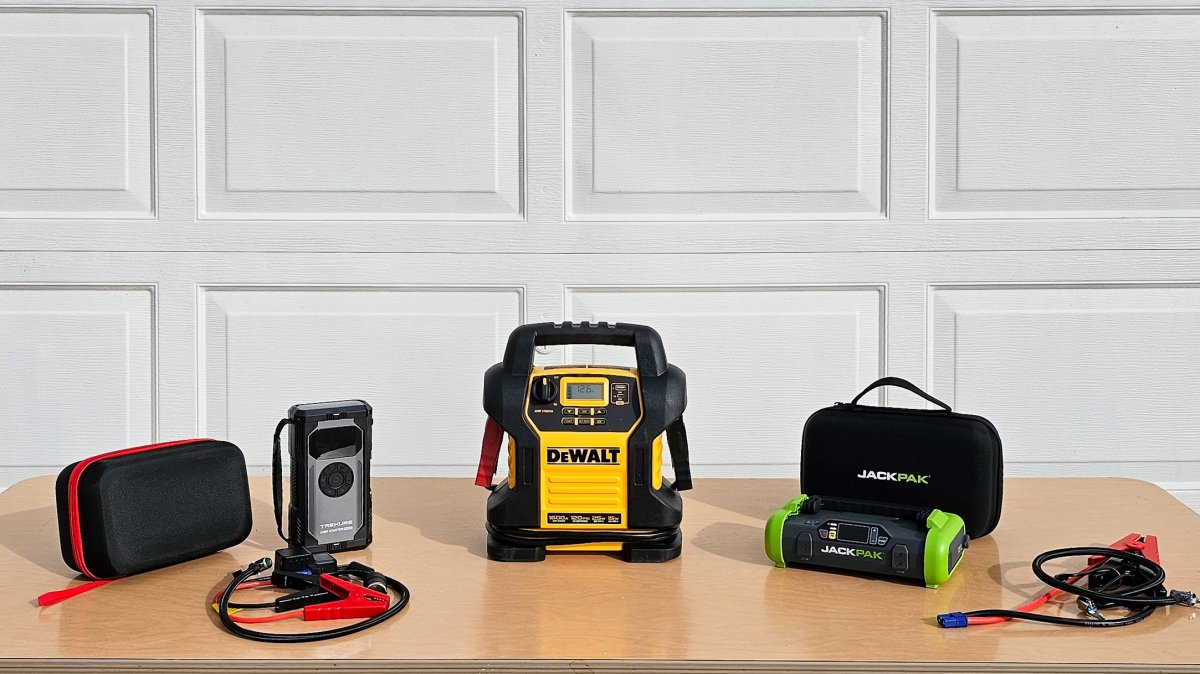
The modern automotive landscape has increasingly shifted toward self-reliance, with drivers seeking integrated solutions for common roadside emergencies. Among the most critical tools in a contemporary vehicle emergency kit is the combination jump starter and air compressor. These dual-purpose devices are designed to address the two most frequent causes of vehicle immobilization: a depleted battery and inadequate tire pressure. To identify the most reliable units currently available on the market, a comprehensive evaluation was conducted involving 11 leading models. Following a rigorous two-week testing period, seven units were identified as meeting the high standards required for recommendation, with the DeWalt 1600A Jump Starter with Air Compressor emerging as the top-performing model.
Automotive experts have long noted that battery failure remains a leading reason for roadside assistance calls, particularly during periods of extreme temperature fluctuation. Similarly, maintaining proper tire pressure is not only a safety concern but a significant factor in fuel efficiency and tire longevity. The integration of high-capacity batteries with portable compressors represents a significant technological evolution, offering a more efficient alternative to traditional jumper cables that require a second vehicle and manual pumps that lack the necessary power for large-scale inflation.
The Evolution of Portable Automotive Power
The transition from traditional lead-acid battery technology to high-density lithium-ion cells has revolutionized the portability of automotive tools. However, as this testing phase revealed, both technologies still hold a place in the market. Lead-acid units, while heavier and bulkier, often provide the sustained cranking power necessary for large diesel engines. Conversely, lithium-ion models offer extreme portability and can be stored easily in a glove box or under a seat.
The demand for these units has grown as vehicle electronics become more complex. Modern vehicles are equipped with sensitive Electronic Control Units (ECUs) that can be damaged by the power surges often associated with traditional vehicle-to-vehicle jumping. Integrated jump starters mitigate this risk through built-in safety circuits, including reverse polarity protection and surge suppression.
Methodology and Chronology of the Testing Phase
The evaluation of the 11 candidates was conducted over a 14-day period to simulate real-world emergency conditions. The testing protocol was divided into four primary categories: electrical output accuracy, cranking performance, compressor efficiency, and battery retention.
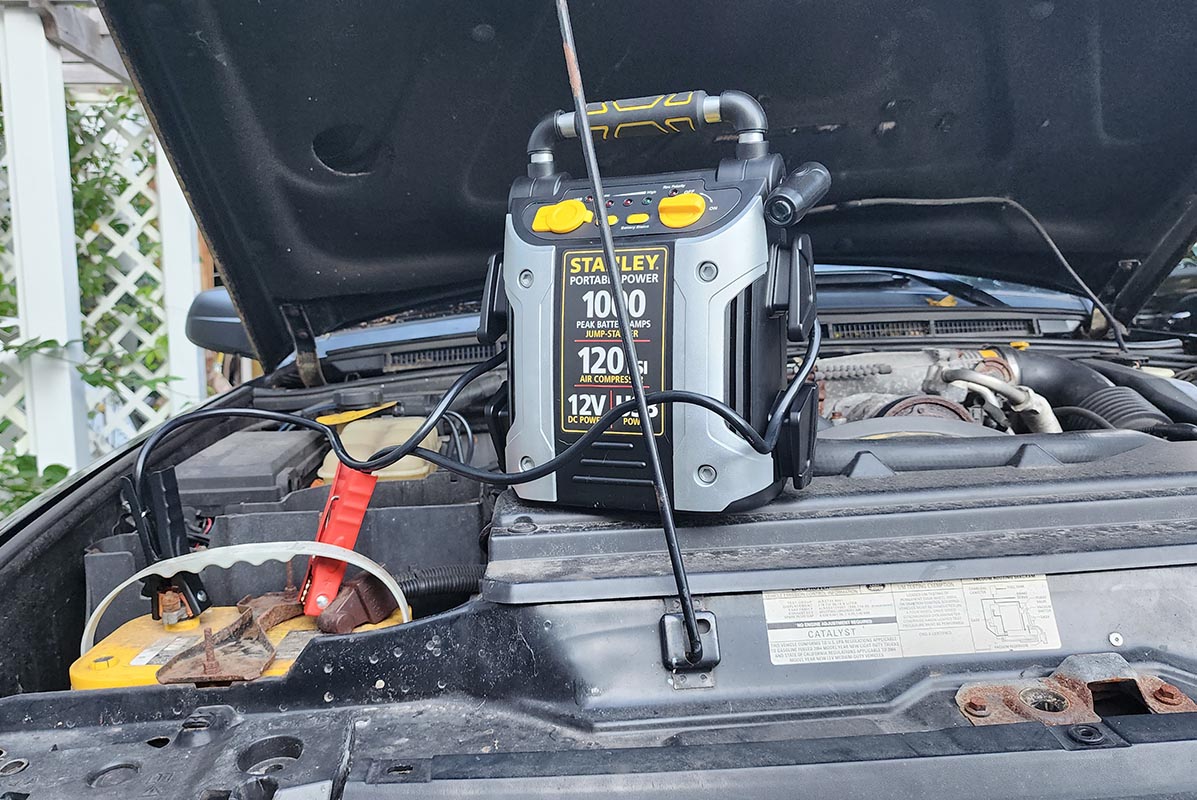
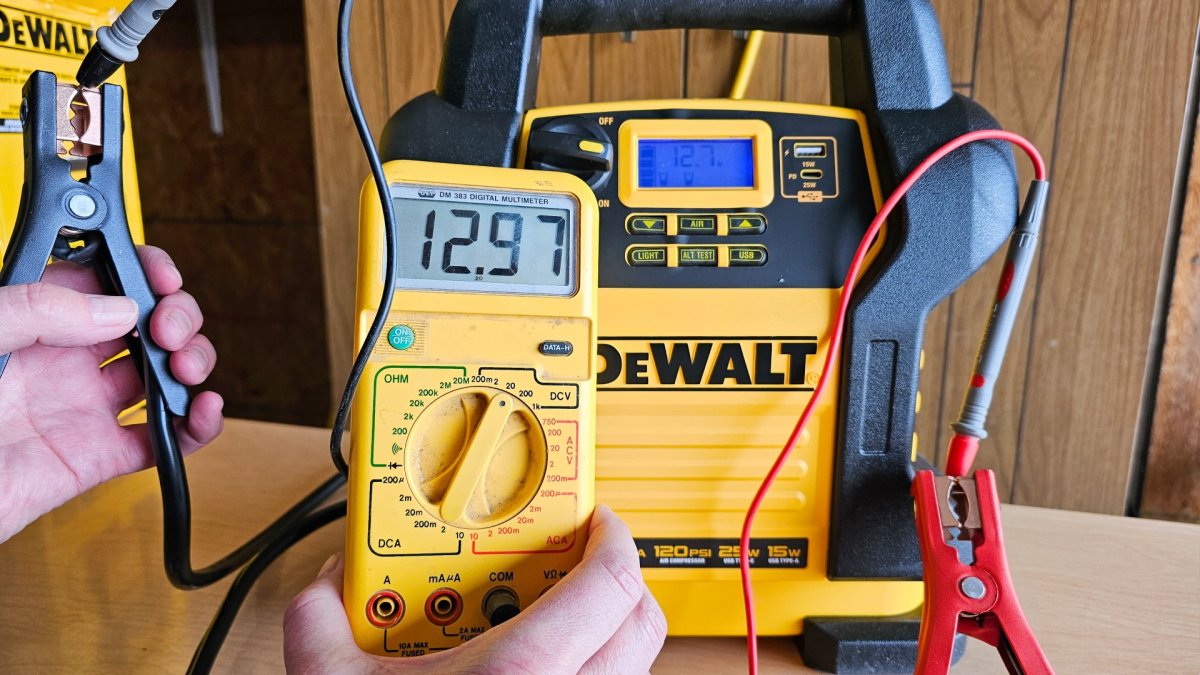
During the first week of testing, each unit was fully charged and subjected to a voltage assessment using a high-precision multimeter. This ensured that the manufacturers’ claims regarding output were grounded in reality. The units were then tested on a variety of vehicles, including a small sedan with a four-cylinder engine, a large pickup truck with an eight-cylinder engine, and a riding lawnmower.
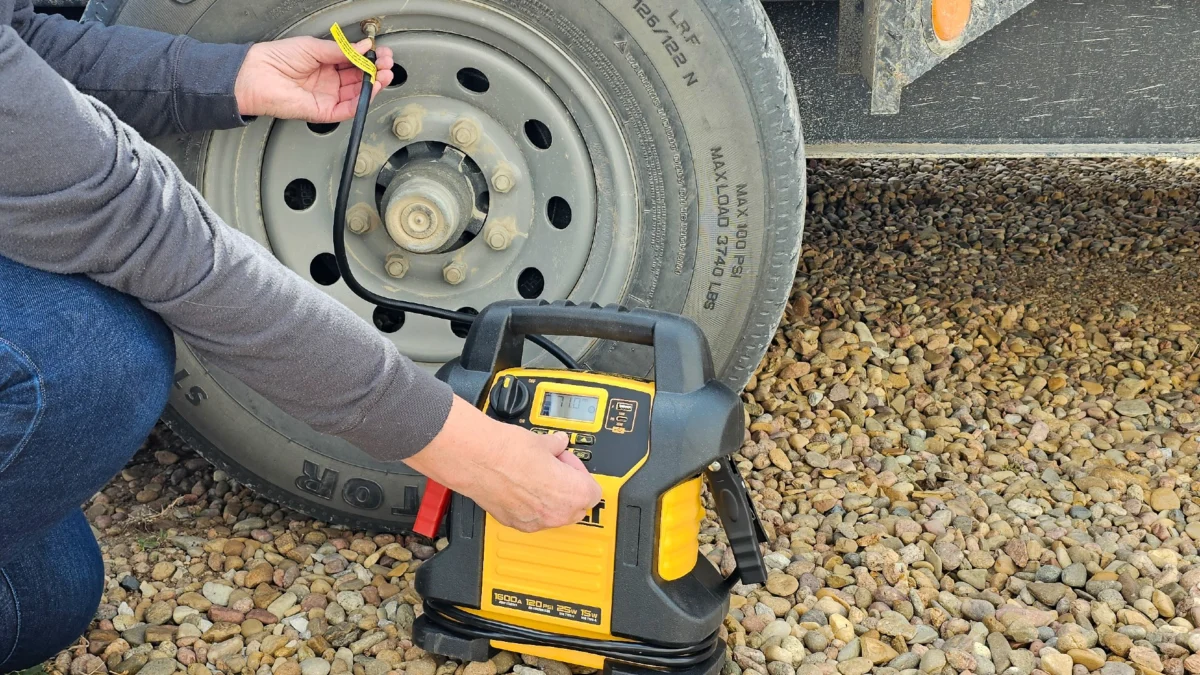
In the second week, the focus shifted to the integrated air compressors. Testers intentionally deflated tires on bicycles, passenger cars, and heavy-duty trucks. The timing began the moment the air chuck was secured to the valve stem and concluded when the tire reached its manufacturer-recommended PSI. Testers also evaluated the ergonomics of the devices, paying close attention to the length of the jumper cables and the legibility of the digital or analog gauges in low-light conditions.
Top Performers and Technical Analysis
The testing results highlighted several standout models, each catering to different consumer needs and vehicle types.
DeWalt 1600A Jump Starter: Best Overall
The DeWalt 1600A earned top honors due to its exceptional build quality and a unique feature set that includes an internal alternator tester. During testing, the unit provided a reading of the vehicle’s alternator health by measuring voltage while the engine was idling. This diagnostic capability allows drivers to determine if a starting issue is due to a failing battery or a faulty charging system. The DeWalt’s compressor featured programmable pressure presets, which successfully inflated a large pickup tire in approximately five minutes and a bicycle tire in 20 seconds.
DieHard 71687: The Heavy-Duty Runner-Up
For users operating larger engines, the DieHard 71687 offered 950 peak amps and a robust 150 PSI compressor. Its lead-acid construction makes it a heavier unit, but it proved more capable of firing up a Land Rover engine that smaller lithium-ion units struggled with. The DieHard’s compressor was noted for its speed, outperforming other full-size models by nearly five minutes when inflating a tire from 20 to 36 PSI.
Trekure Portable Jump Starter: Best Value for Road Trips
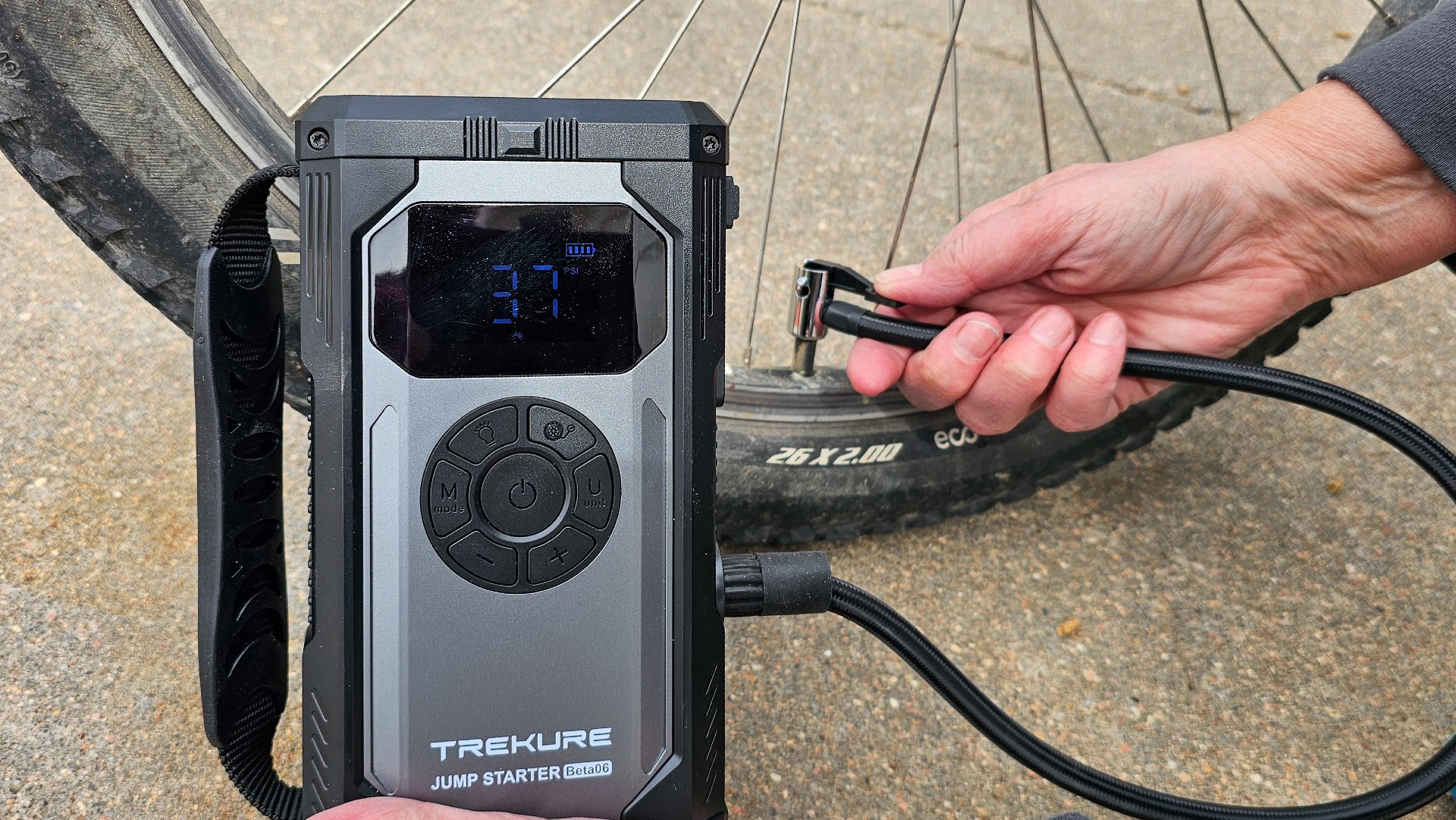
The Trekure model demonstrated that high performance can come in a compact package. Boasting a 5,000A peak current, it successfully jump-started three different dead batteries without requiring a recharge. While its compressor was better suited for light-duty tasks, its secondary features—such as a bright LED flashlight that doubles as a yellow road flare—make it an ideal safety tool for long-distance travelers.

Schumacher SJ1332: The Versatile Power Station
The Schumacher SJ1332 was categorized as the best "power station" due to its inclusion of two 120V AC outlets. This allows the unit to serve as an emergency backup for household devices during power outages. With 1,200A of cranking power, it is capable of starting 8-liter gas engines. However, testing noted that its analog pressure gauge was less accurate than digital counterparts, showing a variance of approximately 8 PSI.
Stanley J5C09: Superior Compressor Performance
The Stanley J5C09 distinguished itself through the efficiency of its 120 PSI compressor. It filled a standard tire in roughly four minutes, the fastest time recorded during the testing phase. Its extra-long cables provided easier access to battery terminals in cramped engine bays, and its positionable work light offered superior visibility during nighttime repairs.
Technical Specifications and Data Comparison
A comparative analysis of the data collected during the two-week trial revealed significant differences in performance metrics. The price range for the tested models fell between $75 and $300, representing a wide spectrum of consumer accessibility.
| Product | Battery Type | Peak Amps | Max PSI | Key Features |
|---|---|---|---|---|
| DeWalt 1600A | Lead-Acid | 1,600A | 120 PSI | Alternator Test, USB Ports |
| DieHard 71687 | Lead-Acid | 950A | 150 PSI | Rapid Inflation, Work Light |
| Trekure | Lithium-Ion | 5,000A | 150 PSI | Ultra-Portable, Road Flare |
| Schumacher SJ1332 | Lead-Acid | 1,200A | 150 PSI | AC Outlets, High Volume Port |
| Stanley J5C09 | Lead-Acid | 1,000A | 120 PSI | Long Cables, Fast Compressor |
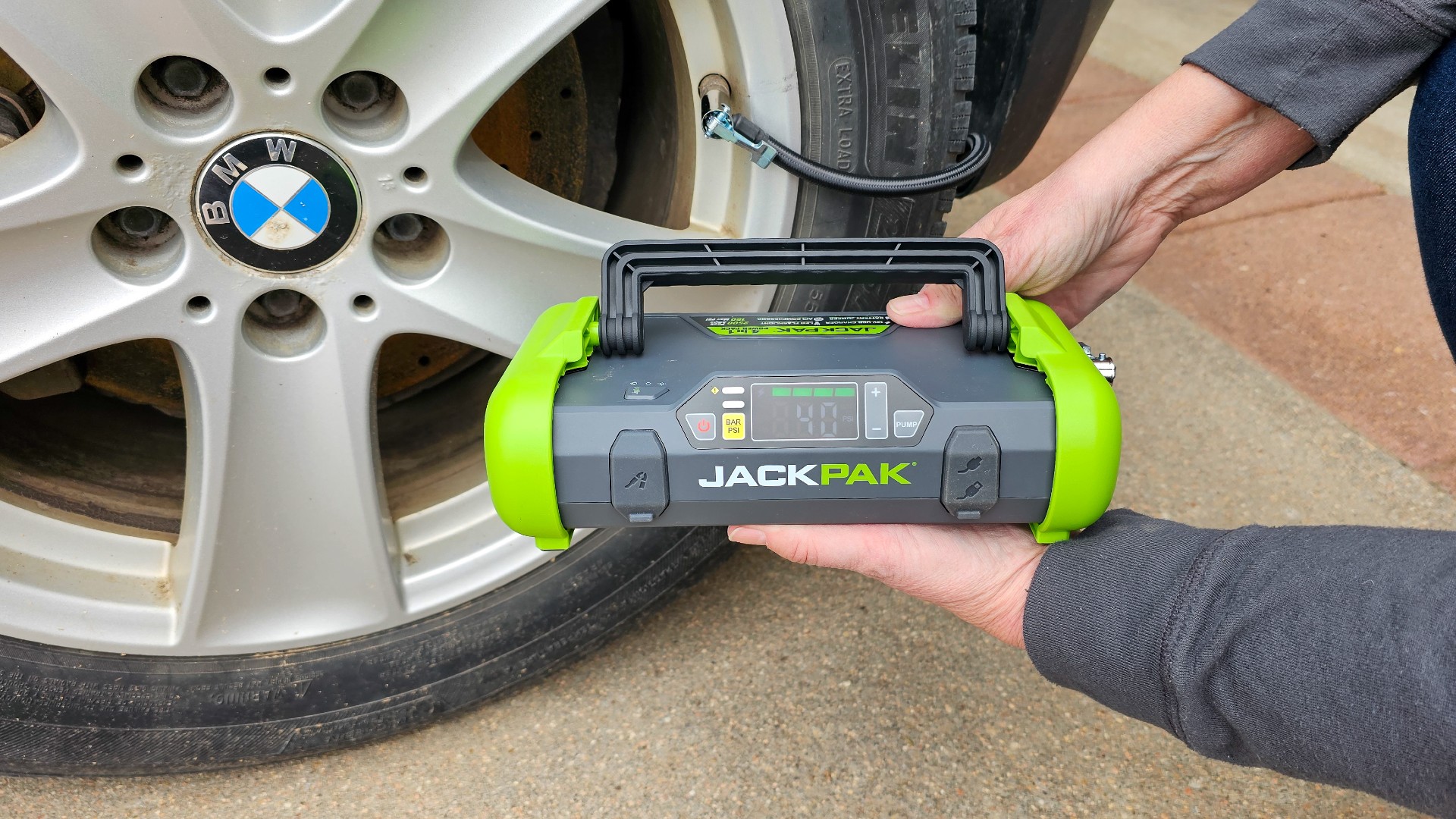
| JackPak | Lithium-Ion | 2,500A | 150 PSI | Voltage Display, Sleep Mode |
Safety Implications and Official Expert Evaluations
The primary concern for any consumer using a jump starter is the potential for electrical mishaps. Modern units have addressed this through "spark-proof" technology and reverse polarity alarms. Glenda Taylor, a lead product reviews tester and contractor, noted that the DeWalt unit’s multifunctionality made jumping batteries "almost effortless," specifically citing the firm grip of the large clamps.
Tom Scalisi, a veteran DIY and construction writer, emphasized the importance of the internal battery voltage display found on the JackPak and DeWalt models. "Knowing the exact voltage of the battery before you attempt a jump is a critical diagnostic step," Scalisi stated. This feature allows a user to see if a battery is truly dead or if there is a connection issue.
Industry experts also highlight the "sleep mode" feature found in newer lithium-ion models like the JackPak. This technology prevents the internal battery from discharging for up to 36 months, ensuring the tool is ready for use even if it has been stored in a trunk for several seasons without maintenance.
Broader Impact and Maintenance Guidelines
The widespread adoption of integrated jump starters and air compressors has a measurable impact on road safety. By allowing drivers to resolve minor mechanical issues without exiting their vehicle for long periods or waiting for third-party assistance, the risk of secondary accidents on busy highways is reduced.
However, the efficacy of these tools is dependent on proper maintenance. Manufacturers and testers alike suggest a recharge cycle every 30 to 90 days, depending on the battery chemistry. Lead-acid batteries, in particular, can suffer permanent capacity loss if left in a discharged state for extended periods. Furthermore, while these units are designed for vehicle storage, extreme temperature fluctuations can affect battery chemistry. Experts recommend bringing the units indoors during peak summer heat or sub-zero winter temperatures to preserve the lifespan of the internal cells.
As automotive technology continues to advance, the integration of smart diagnostics and higher energy density batteries will likely further refine these essential tools. For now, the current market offers robust options that provide a significant safety net for the modern driver, combining high-amperage starting power with the precision of digital air compression.