admin
admin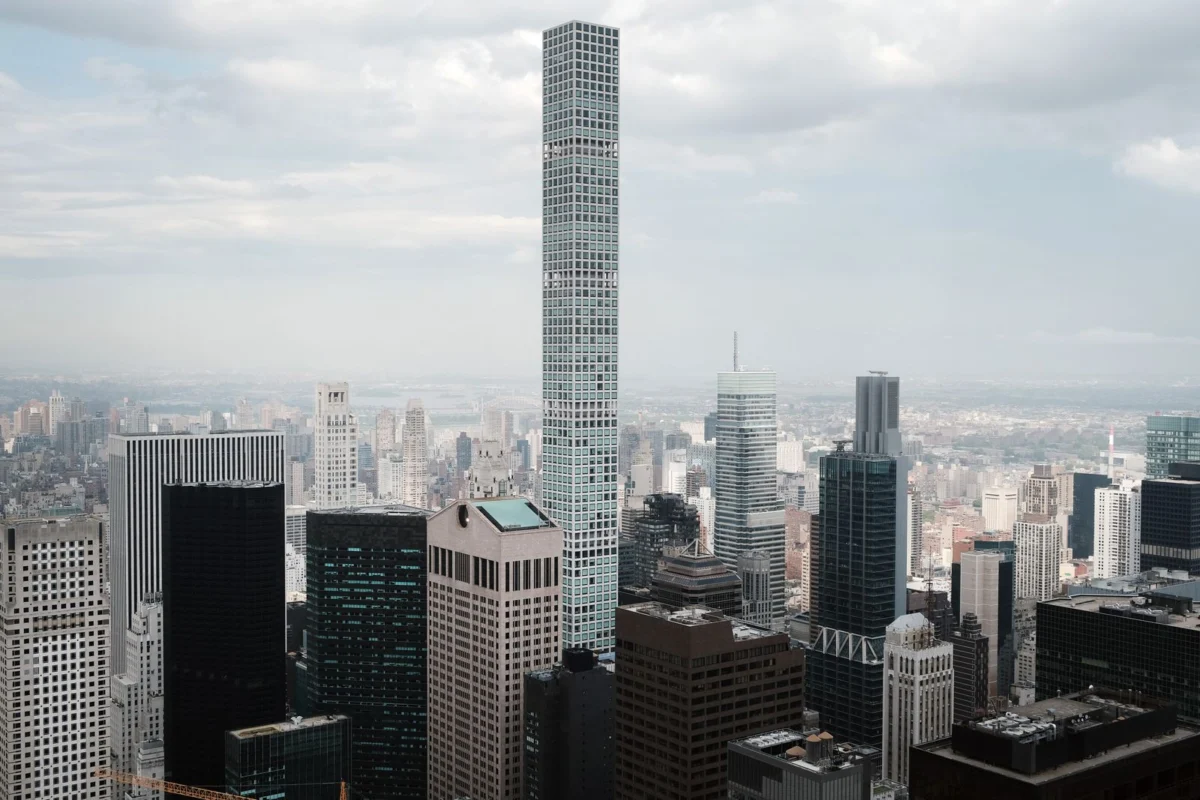
A new publication, Private Tour: Extraordinary Homes, by publisher Sandow, has ignited a discussion within the design world regarding accessibility, wealth, and the fundamental role of public engagement in shaping aesthetic discourse. The 240-page book, featuring 15 residential projects, is notable not just for its content but for its highly exclusive distribution model: it is available solely to individuals frequenting private aviation terminals, effectively targeting the ultra-wealthy. This strategy, dubbed "a design book for billionaires" by Business of Home, Dwell’s sister publication, underscores a growing trend of insulating extreme wealth from public scrutiny and interaction, raising questions about the future of design media and the democratic development of taste.
The Unsung Architects of Taste: The Role of Public Critique
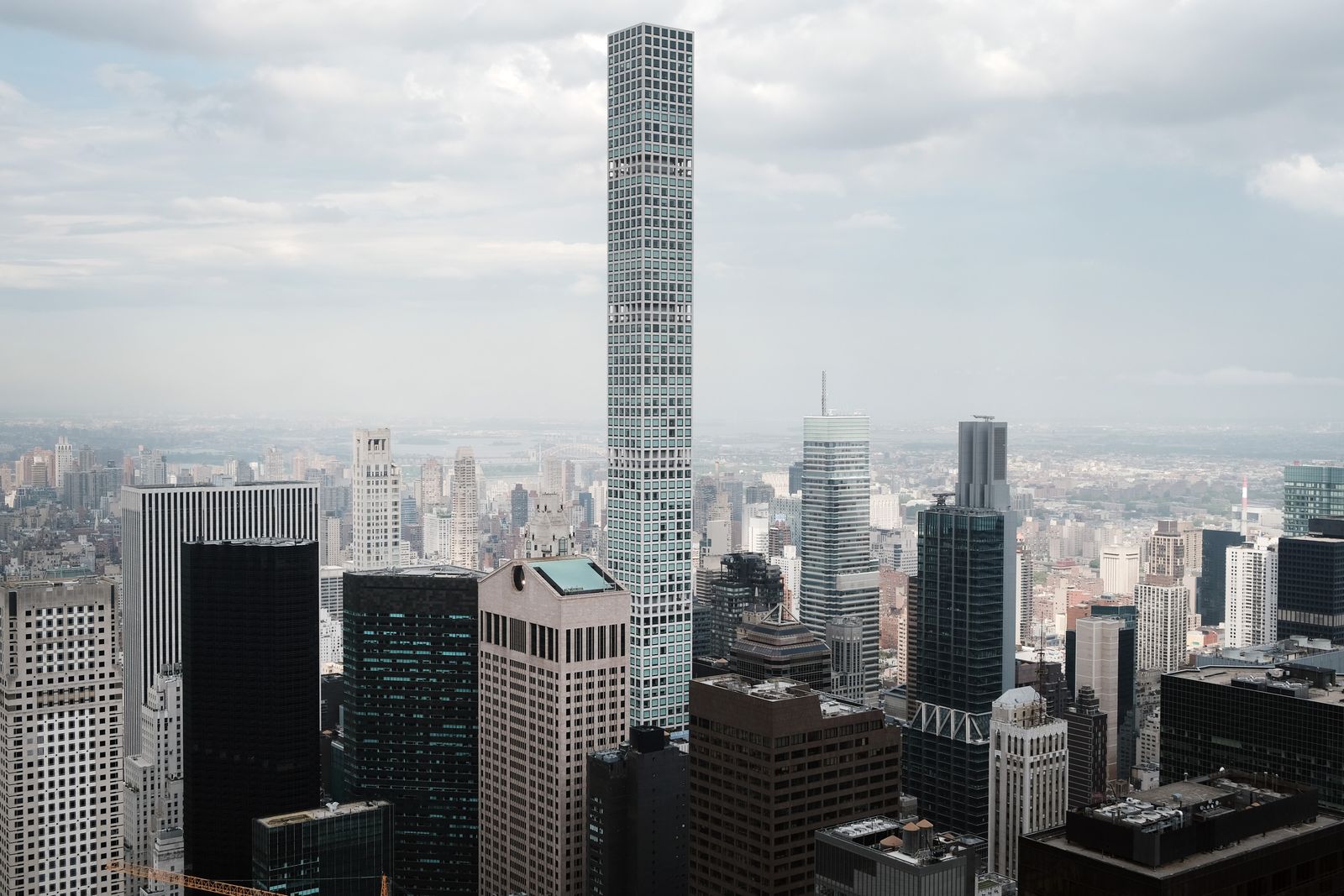
The design industry, at its core, thrives on a dynamic interplay of creation and critique. From architectural marvels to interior decor choices, public opinion plays a significant, albeit often unacknowledged, role in defining and refining taste. The "hater," as the original article provocatively suggests, is an integral part of this ecosystem. These individuals, whether gleefully dissecting the structural woes of 432 Park Avenue on TikTok, scrutinizing questionable design decisions in a magazine feature, or mocking the tiny home movement on Instagram, contribute to a vibrant, if sometimes abrasive, dialogue. This phenomenon, often termed the "hate-read," serves as a potent mechanism for individuals to articulate their own aesthetic preferences, affirming what they appreciate by identifying what they don’t. This performative engagement has become an essential aspect of reader interaction in an era dominated by social media and instantaneous feedback.
Architect Jeff Gillway, whose projects have been featured in various outlets, embraces this public discourse. His personal Washington, D.C., home, which he also designed and was showcased in Dwell’s March/April issue, garnered him new clients but also a broader audience. "I love that I can put a project out in the world, and that people can ask me questions and I answer them and they can DIY it, they can be inspired by it, they can copy it," Gillway states. He recounts fielding diverse inquiries, from furniture manufacturers to paint colors. He even recalls a particularly blunt, yet memorable, comment on an Instagram post for his rehabbed Gothic Victorian in Nebraska: "No thanks. It’s where the nervous breakdown and subsequent murder-suicide took place." Extreme, certainly, but Gillway acknowledges, "I kind of love that," underscoring the value he places on any form of public reaction over indifference. This open exchange of ideas, inspiration, and even spirited disagreement is crucial for the continuous, democratic evolution of design.
A Historical Perspective: Shelter Media’s Evolving Audience
The concept of the "shelter publication" has a rich history, dating back to the early 20th century. Initially, these magazines served a dual purpose: to allow proud homeowners to display their residences and for architects and designers to showcase their work. However, the intent to guide consumer taste, particularly among the affluent, was always present. The New York Times reported in 1993 that Condé Nast acquired House & Garden in 1915 with the explicit aim of doing "for interiors what Condé Nast had done for fashion: Help the socially insecure including the wives of railroad barons," who, according to Nast biographer Caroline Seebohm, "had huge houses on Fifth Avenue and didn’t know what to do with them."
This historical context reveals that design media, while often aspirational, has gradually broadened its reach beyond merely informing the wealthy. Over the decades, shelter magazines have catered to a diverse audience: architecture aficionados, hobbyists, collectors, and even those simply curious about others’ living spaces. For many, the act of "home voyeurism" is not about finding a designer to hire but about inspiration, learning, and developing a personal sense of style. The democratizing effect of mass media, and more recently digital platforms, has allowed design ideas to circulate widely, fostering a shared cultural understanding of aesthetics.

The Exclusive Realm: "Private Tour" and the Billionaire Bunker Trend
The release of Private Tour marks a significant departure from this evolving inclusivity. Its distribution model, limited to private jet terminals, is a stark commercial acknowledgment of its intended audience: the ultra-wealthy. Sandow’s research indicates that "private-jet travelers have an average of 3.5 homes and a net worth of $190 million," as noted by Business of Home. This decision to forgo general public access transforms the book into an exclusive artifact, effectively creating a "walled garden" for design inspiration.
The financing model further accentuates its commercial nature: 15 architectural firms funded the book in exchange for project coverage, essentially rendering it a high-end, hardcover advertisement. While this is a reasonable business strategy for firms seeking clients, particularly given the historical context of the American Institute of Architects’ 1909 decision to outlaw public advertising for architectural services (a ban that has since evolved), the deliberate exclusivity of Private Tour speaks to a broader, more concerning trend.
This publishing strategy mirrors the increasing physical and social isolation of the billionaire class. As global wealth disparities widen, the ultra-rich are increasingly retreating into elaborate, fortified enclaves. Mark Zuckerberg’s real estate acquisitions in Palo Alto, where he reportedly bought at least 11 properties to construct a mega-compound, illustrate this trend. These projects often disturb neighbors, lead to ongoing construction, and raise concerns about the erosion of community cohesion, sometimes even involving "panopticon surveillance," as reported by The New York Times. His sprawling $100 million compound in Hawaii, detailed by Wired, sparked controversy for disrupting burial sites and angering indigenous locals. Similar patterns are observed with other tech titans like Jeff Bezos, Elon Musk, and Larry Ellison, who are known for constructing vast, private estates, often employing private police forces and extensive security measures. Indian Creek Island in Miami, often called "Billionaire Bunker," exemplifies this, accessible by only one bridge and protected by its own police force, with residents including Bezos, Zuckerberg, and Ivanka Trump.

These properties, often only visible through satellite imagery, represent a new frontier of luxury: extreme privacy. While "good design" has long been associated with wealth, the ultimate privilege now appears to be the ability to render one’s opulent surroundings entirely inaccessible to the public eye. This trend has significant socio-economic and environmental implications. Private jet travel, for instance, is far less efficient than commercial liners, emitting between five and 14 times more CO2 per passenger, according to various environmental studies. The construction of massive, secluded compounds often consumes vast resources and alters local ecosystems, further contributing to environmental strain while concentrating wealth and power behind increasingly impenetrable barriers.
Implications for Design Culture and Societal Cohesion
The exclusion inherent in Private Tour and the broader trend of billionaire enclaves risks fragmenting the architecture and design ecosystem. This ecosystem, functioning much like a jazz band, relies on collective improvisation, where "riffs create structure and the solo adds color." Historically, the exchange of ideas and information, including public opinion, has fostered traceable architectural lineages, vernaculars, and regionalisms. Accessible publishing means embracing critique and facilitating a continuous, democratic circulation of ideas and inspiration. Designers and the public learn from and with each other, enriching the entire field. When publications become "gardens walled off from the curious, the admirers, and yes, even the haters," the dynamism and vibrancy of the design community are diminished.
Taste, as Nitin Nohria eloquently articulated in The Atlantic, is not forged in a vacuum but is "deeply personal and profoundly social." It is built through interaction with diverse individuals and varied experiences. In the context of home design, this has profound implications. A home is more than mere decor; it choreographs familial relationships, facilitates daily life, and serves as an expression of self, even through fleeting interactions like flipping through a magazine. When the ultra-wealthy architecturally close themselves off, stripping neighborhoods of their unique character and cohesion, the design community suffers.
An exclusive design book, accessible only to a select few, is inherently antisocial. It operates on a fundamental disregard for the communal and rhizomatic evolution of design, where ideas spread organically and influence is reciprocal. As architect Jeff Gillway emphasizes, "That’s the beauty of publishing and making these images accessible to everyday people. I always want to extract some sort of opinion… I think any opinion about design is better than none; negative feelings are better than neutral feelings." This sentiment highlights the critical importance of open dialogue, even when it involves criticism. In an increasingly polarized world, the architectural isolation of the ultra-rich, symbolized by publications like Private Tour, serves as a potent reminder of the widening chasm in not just wealth, but also in shared cultural experiences and the democratic access to creative expression.