admin
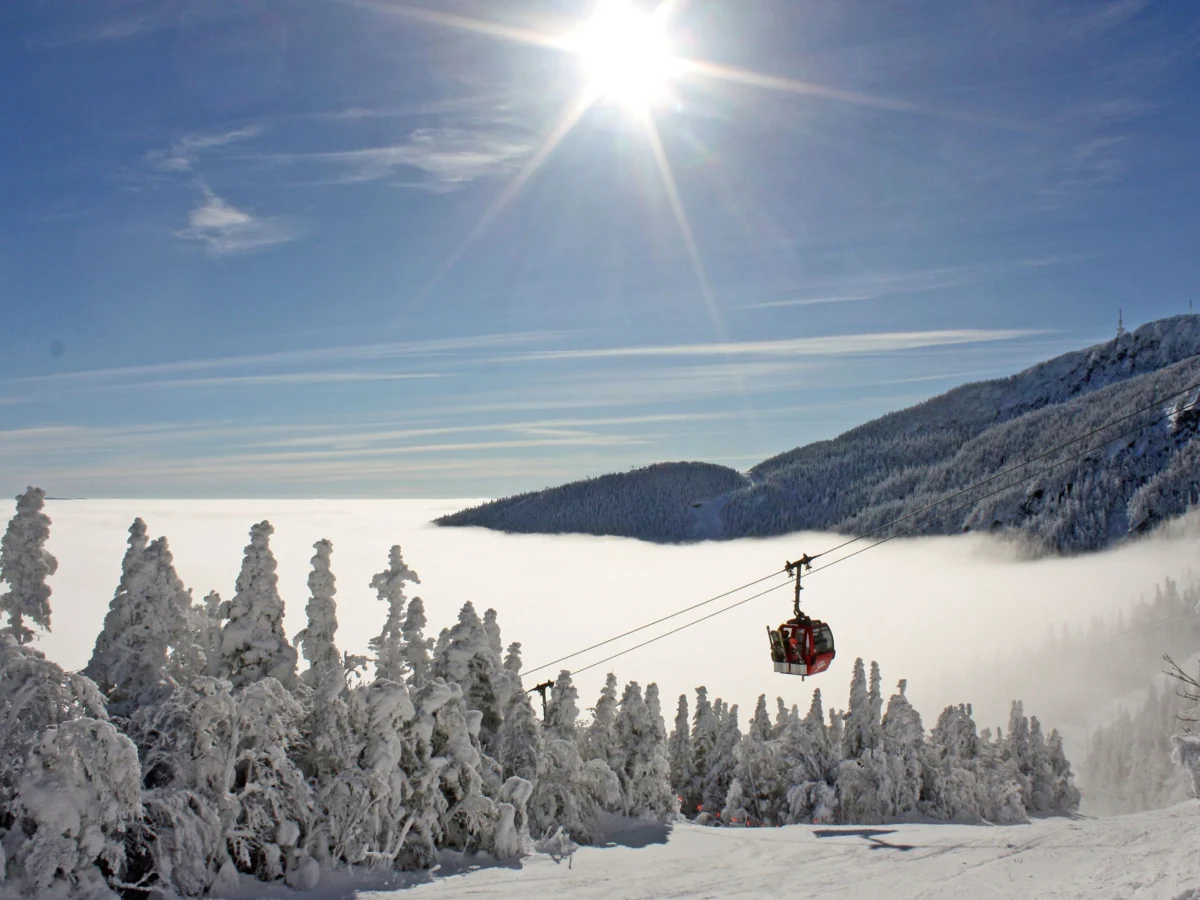
The results are in for Condé Nast Traveler’s 39th annual Readers’ Choice Awards, highlighting the most cherished ski resorts across North America, as determined by the discerning votes of its global readership. This year’s survey underscores a dynamic landscape of winter destinations, with established favorites and emerging contenders vying for recognition. Big Sky Resort in Montana has ascended to the premier position, marking a significant achievement following a decade of strategic enhancements. Colorado continues its dominance as a preeminent US ski destination, boasting an impressive ten resorts within the top 30 rankings. The East Coast also garners notable attention, with six resorts earning accolades, including Mont-Tremblant in Quebec, Canada. In the Western United States, recent upgrades at Alyeska Resort in Alaska have successfully reintroduced the state to this esteemed list.

A Deep Dive into Reader Preferences and Resort Excellence
The annual Readers’ Choice Awards serve as a powerful barometer of traveler sentiment, offering unparalleled insight into what consumers value most in their travel experiences. For ski resorts, this translates into an evaluation of a comprehensive range of factors. Beyond the quality and variety of skiable terrain, readers critically assess the efficiency and modernity of lift systems, the comfort and amenities of on-mountain lodges, and the vibrancy of the après-ski scene. These awards are not merely about the thrill of the descent but encompass the entire resort experience, from the initial arrival to the final farewell.

The data collected from this year’s survey reveals a consistent appreciation for resorts that balance challenging slopes with family-friendly options, luxurious accommodations with authentic alpine charm, and cutting-edge infrastructure with a commitment to preserving the natural environment. The sheer volume of participation in the Readers’ Choice Awards, with hundreds of thousands of readers casting their votes, lends significant weight to the results, making them a trusted resource for both seasoned skiers and those planning their first winter getaway.

The Reign of Big Sky and Colorado’s Enduring Appeal
Big Sky Resort’s ascent to the top spot is a testament to its sustained investment in infrastructure and guest experience. Over the past decade, the Montana resort has undergone a significant transformation, introducing new lifts, expanding terrain, and enhancing its base area facilities. This strategic vision has clearly resonated with readers, who have recognized Big Sky’s commitment to delivering a world-class skiing experience. The resort is renowned for its vast acreage and challenging runs, particularly its challenging expert terrain on Lone Peak, drawing in serious skiers and snowboarders from around the globe. Its recent developments have also focused on improving the overall guest journey, from seamless check-ins to diverse dining options.

Colorado’s continued prominence in the rankings is unsurprising, given the state’s long-standing reputation as a premier ski destination. With ten resorts making the top 30, Colorado offers a remarkable diversity of experiences. From the iconic peaks of Aspen Snowmass and the vast terrain of Vail, to the family-oriented charm of Breckenridge and the challenging steeps of Telluride, the state caters to every type of skier and snowboarder. The consistent performance of Colorado resorts in these awards reflects their ongoing dedication to innovation, including significant investments in snowmaking technology, sustainability initiatives, and luxury amenities, ensuring they remain at the forefront of the ski industry.

East Coast Resilience and the Alaskan Comeback
The inclusion of six East Coast resorts in the top rankings highlights the enduring appeal of these destinations, often characterized by their charming towns, historic inns, and challenging, albeit sometimes less expansive, terrain compared to their Western counterparts. Mont-Tremblant in Quebec, Canada, stands out as a significant East Coast representative, lauded for its picturesque village, vibrant atmosphere, and excellent skiing conditions. The recognition of these resorts underscores their ability to provide a distinct and memorable winter vacation experience, often emphasizing a more intimate and accessible mountain culture.

Alyeska Resort’s return to the list marks a notable achievement for Alaska. Recent enhancements, including upgrades to its aerial tramway and the expansion of its skiable acreage, have revitalized the resort’s appeal. Alyeska offers a unique proposition with its abundant snowfall and the opportunity for backcountry access, attracting adventurous skiers seeking a truly wild winter experience. The resort’s position on the list signifies a growing interest in exploring less conventional ski destinations and a recognition of the quality offerings found in the far north.

Methodology and the Evolution of Ski Resort Evaluation
The Condé Nast Traveler Readers’ Choice Awards are conducted annually, inviting readers to rate their travel experiences across a multitude of categories. For ski resorts, the survey typically encompasses criteria such as:

- Terrain: Variety, difficulty, and overall quality of slopes and trails.
- Lifts: Efficiency, speed, and comfort of the lift system.
- Snow Quality: Consistency, depth, and type of snow.
- Lodging: Quality, comfort, and amenities of on-site and nearby accommodations.
- Dining: Variety and quality of restaurants and food options.
- Après-Ski: Vibrancy and quality of post-ski activities and entertainment.
- Family Friendliness: Suitability for families with children.
- Overall Experience: General satisfaction and likelihood to recommend.
The methodology involves a comprehensive online survey distributed to millions of Condé Nast Traveler subscribers and a broader audience. Participants are asked to provide ratings on a scale, often supplemented with open-ended comments that offer qualitative insights. The resorts achieving the highest average scores across these criteria are then ranked.

Over the years, the criteria for evaluating ski resorts have evolved, reflecting broader trends in the travel industry and the increasing sophistication of skiers and snowboarders. There is a growing emphasis on sustainability, with resorts that demonstrate environmental stewardship often receiving higher marks. Furthermore, the integration of technology, from advanced snow-grooming equipment to user-friendly resort apps, plays an increasingly important role in the guest experience. The rise of "experiential travel" also means that resorts offering unique activities beyond skiing, such as snowshoeing, ice skating, or cultural events, are more likely to capture the attention of discerning travelers.

A Glimpse at Notable Mentions and Emerging Trends
While Big Sky takes the top honor, the breadth of resorts recognized across the US and Canada paints a rich picture of North American skiing. Resorts like Taos Ski Valley in New Mexico continue to be celebrated for their challenging terrain and authentic Southwestern charm. Telluride, Colorado, consistently ranks high for its breathtaking scenery and luxurious village. Stowe, Vermont, remains a beloved East Coast gem, known for its picturesque setting and challenging runs. SilverStar Mountain Resort in British Columbia, Canada, is often praised for its family-friendly atmosphere and unique "themed" village.

This year’s results also hint at several emerging trends:

- The Rise of Mid-Sized Resorts: While mega-resorts continue to dominate, there’s a growing appreciation for mid-sized resorts that offer a more intimate, less crowded experience without sacrificing quality terrain or amenities.
- Sustainability as a Differentiator: Resorts that actively invest in and promote sustainable practices, from renewable energy to waste reduction, are increasingly favored by environmentally conscious travelers.
- Focus on the "Full Experience": The emphasis is shifting from solely ski-focused trips to holistic vacation experiences, where dining, lodging, and off-mountain activities are as crucial as the slopes themselves.
- Accessibility and Inclusivity: Resorts making efforts to be more accessible to a wider range of abilities and backgrounds are gaining recognition.
The Broader Impact and Future Implications
The Condé Nast Traveler Readers’ Choice Awards hold significant weight in the travel industry. For the resorts that are recognized, particularly those in the top rankings, the awards serve as a powerful marketing tool, driving bookings and enhancing brand reputation. This can lead to increased visitor numbers, which in turn benefits local economies through tourism spending on accommodation, dining, retail, and services.

The awards also influence consumer behavior. Potential travelers often rely on these rankings when planning their vacations, using them as a trusted guide to discover new destinations or confirm their choices for familiar ones. This can create a virtuous cycle, where highly-ranked resorts continue to invest in improvements to maintain their status, while those that receive less recognition are motivated to enhance their offerings.

Looking ahead, the trends highlighted in this year’s awards suggest a future where ski resorts will need to continue adapting to evolving traveler expectations. The pursuit of authentic experiences, a commitment to sustainability, and the integration of technology will likely become even more critical for success. As the ski industry navigates the challenges of climate change and seeks to attract new generations of skiers, the resorts that can effectively balance tradition with innovation, and offer a compelling all-around experience, will be best positioned for long-term success. The 39th annual Readers’ Choice Awards have once again provided a valuable snapshot of the current landscape, offering insights that will undoubtedly shape the future of winter tourism in North America.