admin
admin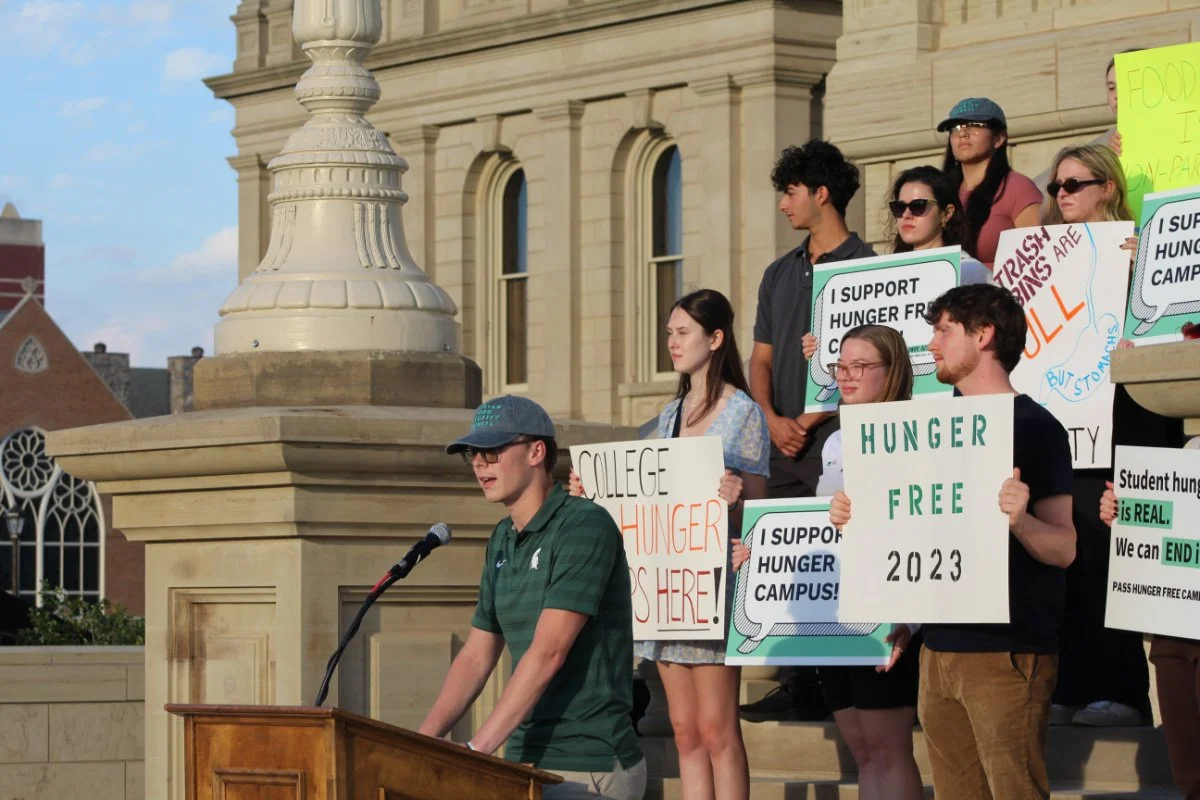
The pervasive myth of the "broke college student" often romanticizes financial hardship as a rite of passage, yet for millions of students across the United States, this reality translates into profound food insecurity, compelling them to choose between their education and their next meal. An estimated 40 percent of college students currently grapple with food insecurity, a crisis exacerbated by the complex, often impenetrable federal Supplemental Nutrition Assistance Program (SNAP) eligibility requirements. As federal support faces uncertainty and potential cuts, states are increasingly stepping up, pioneering innovative legislative and programmatic solutions to streamline access to vital nutrition assistance and establish comprehensive basic needs support on college campuses.
The Silent Crisis on Campus: Unpacking Student Food Insecurity
The challenge of food insecurity among college students is not a new phenomenon, but its scale and severity have grown significantly, making the "starving student" stereotype a stark and troubling reality rather than a humorous anecdote. Research consistently indicates that a substantial portion of the nation’s higher education population struggles to afford adequate food. The Hope Center for College, Community, and Justice at Temple University, a leading voice in basic needs research, reported in its 2023-2024 student basic needs survey that over 6 million college students nationwide face food insecurity. This crisis extends beyond traditional undergraduates to encompass a diverse student body that includes working adults, parents, and first-generation scholars, many of whom are balancing academic pursuits with demanding work schedules and family responsibilities.
The roots of this widespread insecurity are multifaceted, deeply entwined with the escalating costs of tuition, housing, and daily living expenses that far outpace stagnant financial aid packages and minimum wage earnings. Many students find themselves in a precarious financial situation where even with part-time or full-time employment, their income barely covers tuition and housing, leaving little to no disposable income for food. Furthermore, practical barriers such as lack of reliable transportation to grocery stores, limited access to campus dining options during off-hours, and the stigma associated with seeking help further complicate the issue. The academic ramifications are severe: food-insecure students are significantly less likely to graduate, with approximately 41 percent of students who leave college citing financial reasons as a primary factor. Their ability to concentrate, perform academically, and maintain overall well-being is directly undermined when basic nutritional needs are unmet.
Federal Hurdles and State-Level Innovation
Despite the urgent need, navigating federal SNAP eligibility remains a formidable obstacle for many college students. While SNAP is a critical lifeline for low-income individuals and families, its specific requirements for students often create confusion and exclusion. Historically, full-time college students aged 18-49 have been ineligible for SNAP unless they meet specific exemptions, such as working at least 20 hours a week, participating in a federal work-study program, caring for a dependent child under six, or being enrolled in certain employment and training programs. These exemptions, while intended to target those with significant financial needs, often fail to account for the realities of modern student life, where academic rigor, internships, and caregiving responsibilities can make meeting a 20-hour work week impossible.
The administrative burden of proving eligibility further deters applicants. The initial SNAP application can be lengthy, but the subsequent requirement to gather and submit myriad documents—proof of income, enrollment, financial aid status, work hours, and exemption criteria—can be overwhelming, especially for students already pressed for time. This complexity is compounded by varying state interpretations of federal guidelines, leading to a patchwork of rules that can make it nearly impossible for students to understand their rights and access benefits. For instance, while Massachusetts allows students receiving a MASSGrant financial aid award to qualify for SNAP, this benefit is restricted to state residents, highlighting the inconsistencies.
Recognizing these systemic challenges, states have begun to take proactive measures to simplify access and provide direct support. These efforts range from legislative mandates to programmatic funding, signaling a growing understanding that student food security is a state-level priority.
The Genesis of New York’s SNAP for Students Act
One compelling example of grassroots advocacy translating into state-level legislative action comes from New York, spearheaded by Jaime Lechner, a Class of 2025 graduate from Niagara University. Lechner’s journey into anti-hunger advocacy began in early 2023 during a lobbying trip to Washington, D.C., with her university’s social work department. It was there that she learned about the federal Opportunity to Address College Hunger Act (H.R. 309), proposed legislation aimed at ensuring college students nationwide are aware of their SNAP eligibility and how to apply. Introduced by Representative Suzanne Bonamici of Oregon, this bill sought to leverage existing government information channels to proactively inform students, a concept that resonated deeply with Lechner.
"It grabbed my attention because [it] was so simple in nature… something that you would think would already be occurring," Lechner recounted. "It was leveraging information that the government already possessed in order to help people in a meaningful way, with little to no fiscal impact." Inspired by the federal proposal, Lechner recognized the potential for a similar, smaller-scale initiative within her home state.
That summer, she embarked on creating a SNAP eligibility fact sheet for her peers at Niagara University. This endeavor quickly exposed the very problem the federal bill sought to address: the information was neither accessible nor easy to understand. "Thankfully, I was able to sit down with my phone and my laptop for three hours and make a bunch of phone calls, but even after three hours, I did not have any information on what student eligibility would be like in New York," she stated, underscoring the profound complexity faced by students seeking assistance.
Undeterred, Lechner transformed her frustration into action, drafting what would become New York’s SNAP for Students Act (A08757 / S08347). Her bill proposes to mandate that New York’s higher education institutions utilize existing communication channels to inform college students about SNAP benefits, eligibility criteria, application procedures, and where to obtain further assistance. This proactive information dissemination aims to bridge the knowledge gap that currently prevents many eligible students from accessing support.
Legislative Momentum and Future Prospects in New York

To craft robust legislation, Lechner meticulously studied the federal Opportunity to Address College Hunger Act and relevant New York State laws, ensuring her bill was both comprehensive and compliant. In May 2025, she presented her proposal to the offices of New York State Assembly Member Phara Souffrant Forrest and State Senator Robert Jackson. To her pleasant surprise, both legislators became immediate and enthusiastic supporters. "I figured I’d have to pitch the idea Shark Tank-style," Lechner joked, "But they were like, ‘Hey, we love the idea. Is there any other information you want to tell us?’" The bill was formally introduced in both the Assembly and the Senate the following month, a swift progression reflecting its perceived importance.
Currently, the SNAP for Students Act is with the Social Services Committee in both chambers, awaiting placement on the committee agenda for a vote. Lechner remains optimistic for its passage during the current legislative session, which concludes in June. If enacted, the bill would mark a significant step forward in New York’s efforts to combat student hunger. The potential impact is substantial, given that the College SNAP Project estimates over 350,000 students in New York are eligible for SNAP, representing a third of all college students in the state, yet more than half of them are not enrolled.
The urgency of this legislation is palpable among students and recent graduates, who, as Lechner notes, face deep uncertainty about their futures. "Uncertain about their health care, uncertain if they’re going to have food tomorrow to eat, uncertain about how all this is going to affect their schoolwork or their professional work stuff, or even their families." The SNAP for Students Act seeks to alleviate at least one dimension of this uncertainty by ensuring basic nutritional support. The initiative has garnered broad support, with 38 state groups, including multiple anti-hunger organizations and universities like Canisius University and Niagara University, signing a letter of endorsement. Senator Jackson emphasized the fundamental rationale: "Colleges and universities want to help their students to be successful and have the energy and the means to get a good education. And that’s what this is about."
A National Landscape of State-Led Solutions
New York’s efforts are part of a broader national trend where states are becoming crucial innovators in addressing college student food insecurity. California has long been a frontrunner in this space, demonstrating a comprehensive approach to basic needs support. Its Plan Against College Hunger Act (PACHA), though concluding in 2022, provided direct grant awards to eligible students equivalent to the cost of a 10-meal-a-week plan, specifically targeting those ineligible for CalFresh (California’s SNAP equivalent). This initiative showcased the power of direct financial assistance in mitigating food insecurity.
Building on this foundation, California has continued to invest heavily in campus basic needs infrastructure. Since 2021, the state has allocated annual funds for public colleges and universities to establish and operate basic needs centers. These centers are comprehensive hubs, often housing food pantries, providing access to toiletries, diapers, and childcare essentials, and offering referrals to additional health and support resources. The California State University and University of California systems each receive $15 million annually, while California Community Colleges receive $30 million. As of 2023, every public higher education campus in California boasts a basic needs center and food pantry, a testament to sustained state commitment.
Another impactful state-level solution is the "Hunger Free Campus bill" framework, championed by Swipe Out Hunger, an organization dedicated to ending college student hunger. This framework allocates state funding to public colleges to bolster campus food-access programs. Since 2017, twelve states—Washington, California, Minnesota, Michigan, Illinois, Oklahoma, Louisiana, Virginia, Maryland, Pennsylvania, New Jersey, and Massachusetts—have successfully passed versions of this bill. An additional eleven states have introduced similar legislation, indicating widespread recognition of its efficacy. These state-tailored initiatives have distributed over $36 million, leading to the establishment of new on-campus food pantries, enhanced access to fresh produce through partnerships with farmers’ markets, and increased staffing to help students navigate basic needs support. The flexibility inherent in the framework allows each state to adapt the bill to its specific student demographics and institutional landscape, maximizing impact.
Federal Retreat and the Imperative of State Action
The burgeoning state-level efforts take on heightened significance amidst a challenging federal landscape. In July 2025, the passage of H.R. 1, colloquially known as the "One Big Beautiful Bill Act," delivered the largest cut to SNAP funding in the program’s history, an estimated $186 billion reduction in federal support. This drastic cut is projected to place an enormous financial burden on states to compensate for the diminished federal allocation, potentially straining already stretched state budgets and threatening food assistance for millions, including eligible college students.
Further compounding this challenge, the U.S. Department of Education announced a restructuring of the Fund for the Improvement of Postsecondary Education (FIPSE) in November 2025. This action effectively discontinued the Basic Needs Grants, which represented the sole federal program specifically dedicated to funding basic needs access for college students. While Congress voted to fund the Basic Needs Grant in the most recent budget bill, the initial attempt to restructure and deprioritize this vital resource sends a clear signal of federal disengagement from college student basic needs.
In this environment of federal retrenchment, the proactive stance of states becomes not just commendable but critical. It highlights a widening divergence in priorities, where the federal government appears to be scaling back support, while states are increasingly recognizing the long-term societal and economic benefits of ensuring their college-educated workforce is healthy and well-nourished.
Implications and the Path Forward
The implications of robust state-level interventions are far-reaching. By streamlining SNAP access and establishing basic needs centers, states are directly addressing a fundamental barrier to academic success and economic mobility. When students are relieved of the constant worry about their next meal, they are better equipped to focus on their studies, complete their degrees, and contribute more effectively to the workforce. This not only benefits individual students but also strengthens state economies and reduces the burden on social services in the long run.
The advocacy work of individuals like Jaime Lechner and organizations like Swipe Out Hunger demonstrates the enduring power of political engagement and a belief in positive change. Their efforts underscore that even when federal avenues appear constrained, policy solutions can and do emerge at the state level. The collective momentum of these state initiatives creates a powerful narrative, pushing back against the notion that student hunger is an intractable problem or an acceptable consequence of pursuing higher education.
The call to action is clear: states have the autonomy and the imperative to set their own priorities and champion efforts to end college student hunger. The ongoing legislative processes in New York and the continued expansion of Hunger Free Campus bills across the nation serve as beacons of hope and models for other states. By investing in the basic needs of their students, states are not just providing food; they are investing in human potential, academic achievement, and the future prosperity of their communities. The journey to ensure that no student has to sacrifice a meal for an education is far from over, but with state governments increasingly stepping into the breach, the path forward is becoming clearer and more hopeful.