admin
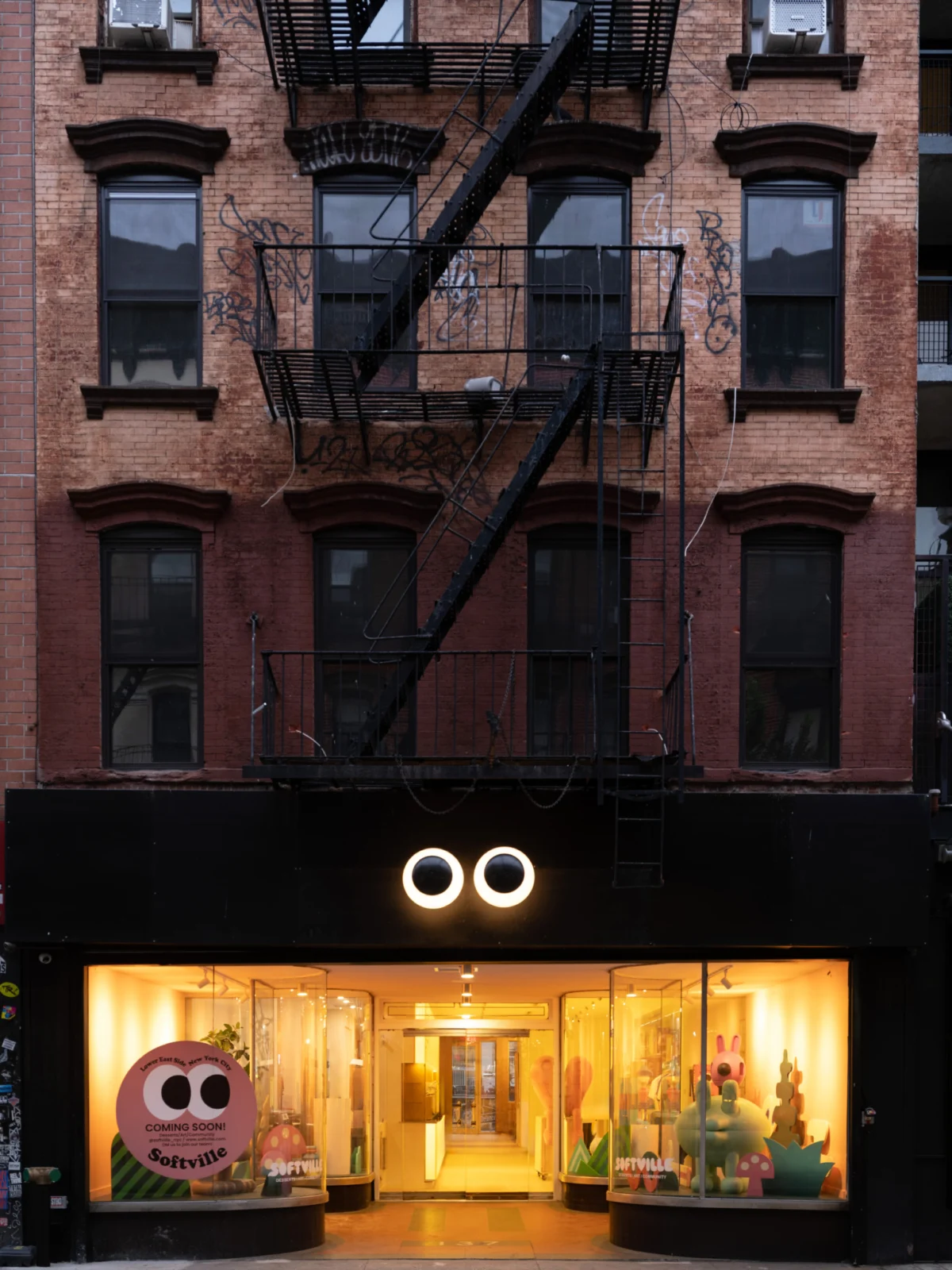
The Lower East Side of Manhattan has long served as a crucible for avant-garde artistic expression and culinary experimentation, a reputation further solidified by the opening of Softville at 137 Orchard Street. Occupying a 2,500-square-foot footprint within a historically significant 1920s structure, the venue represents a multifaceted collaboration between Studio Jeremyville, a New York-based multidisciplinary art and design practice, and Gelato Messina, an Australian confectionery brand widely recognized for its rigorous approach to artisanal frozen desserts. The establishment functions as a "concept store," a retail model that eschews traditional sales tactics in favor of an immersive environment where art, architecture, and gastronomy intersect. This opening marks a significant milestone for Gelato Messina, representing the brand’s inaugural foray into the North American market after decades of dominance in the Australian dessert sector.
A Strategic Partnership Two Decades in the Making
While Softville is a new physical entity, the relationship between its founding partners is rooted in a twenty-year history of creative exchange. Studio Jeremyville, led by the artist Jeremyville and creative director Megan Mair, has spent two decades developing a visual language characterized by whimsical, character-driven narratives and "Community Service Announcements" that have appeared in public spaces globally. Gelato Messina, founded in Sydney in 2002 by Nick Palumbo, has similarly spent twenty years refining a "from-scratch" philosophy that includes producing its own chocolate, roasting its own hazelnuts, and maintaining its own dairy farm in Australia.
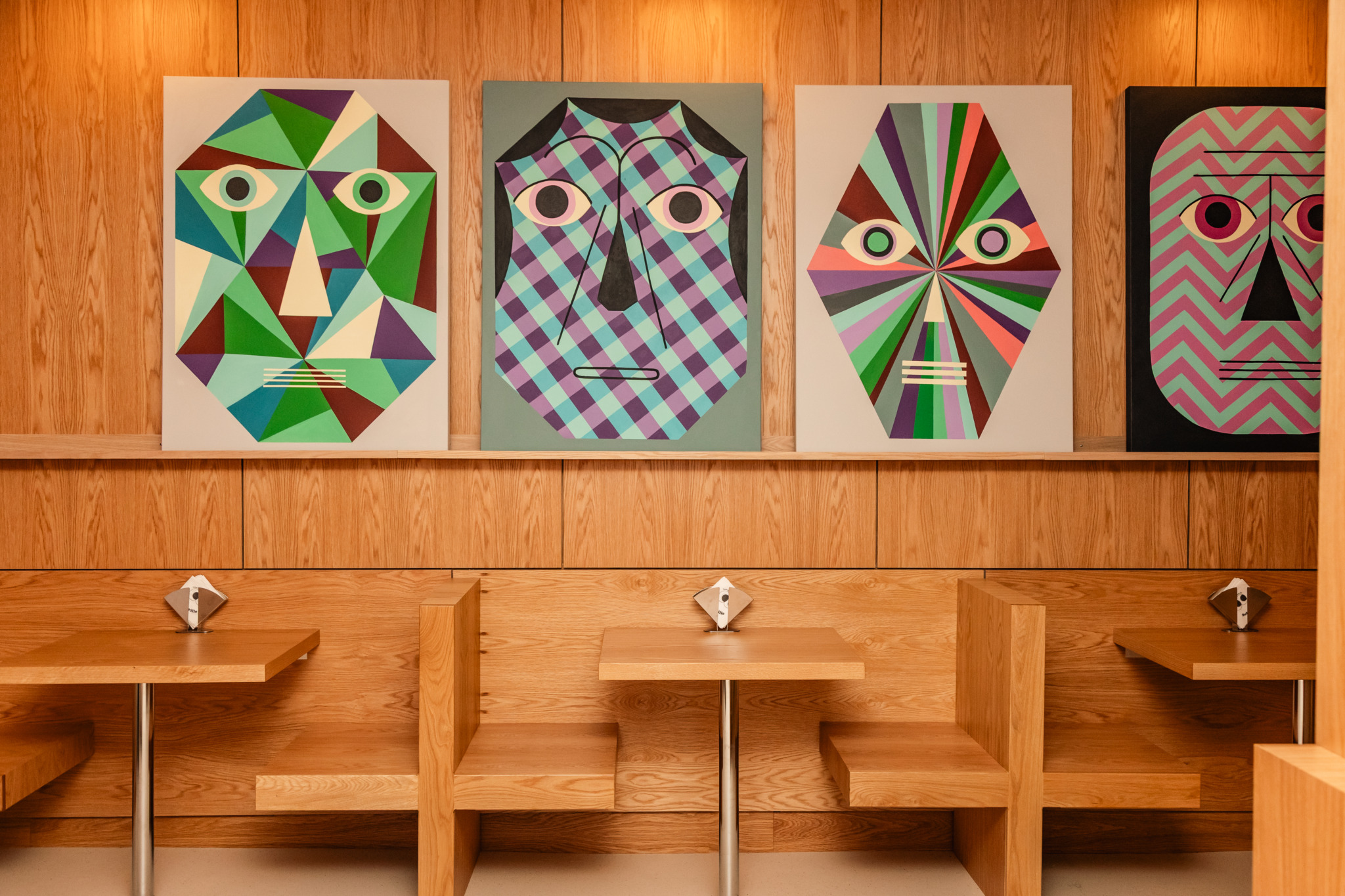
The synergy between these two entities is manifest in Softville’s dual purpose. The space serves as both a gallery for Studio Jeremyville’s rotating collection of sculptures, prints, and "objets d’art" and a high-end laboratory for Gelato Messina’s culinary output. According to Mair, the collaboration is built on a shared belief that creativity should be accessible and integrated into the mundane activities of daily life. The project aims to democratize the gallery experience by pairing it with the universal appeal of a frozen dessert, thereby lowering the barrier to entry for contemporary art appreciation.
Architectural Preservation and the Legacy of the Ben Freedman Building
The physical site of Softville is as much a part of the narrative as the products sold within it. The store is housed in the former Ben Freedman department store, a local landmark that once served the neighborhood’s burgeoning immigrant populations during the early 20th century. In a neighborhood where rapid gentrification often leads to the demolition of historical facades, the founders of Softville opted for a preservation-first approach.
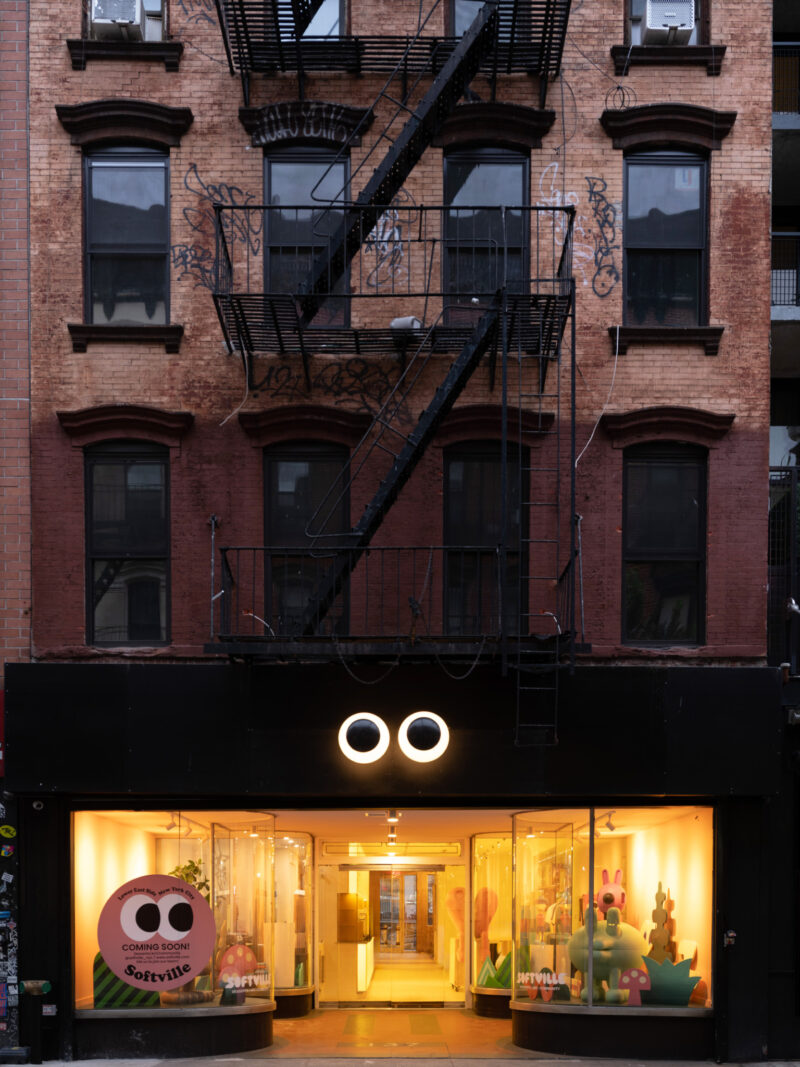
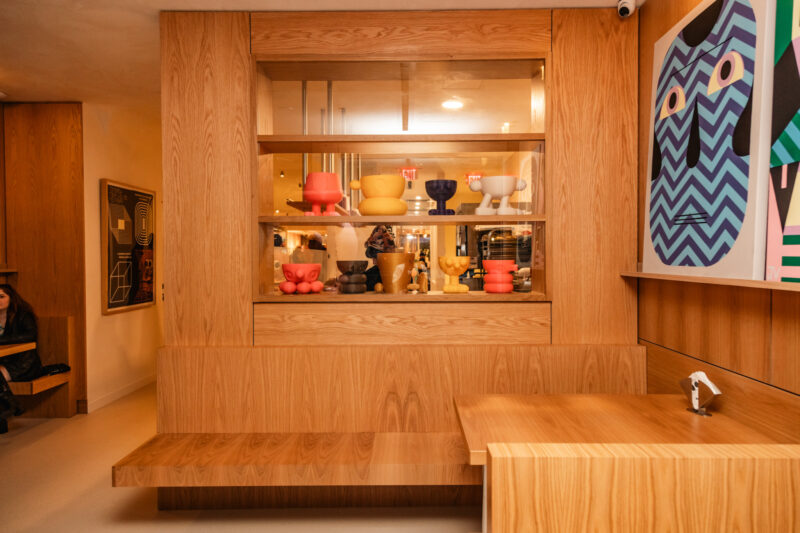
Collaborating with interior designer Sarah Carpenter, the team focused on restoring the building’s original 1920s curved glass storefront. This architectural feature is a rarity in modern retail and provides a distinctive "theatrical" quality to the streetscape, allowing pedestrians a panoramic view of the interior’s artistic installations. The curved glass has gained additional cultural cachet recently, having been featured as a backdrop in the upcoming film Marty Supreme.
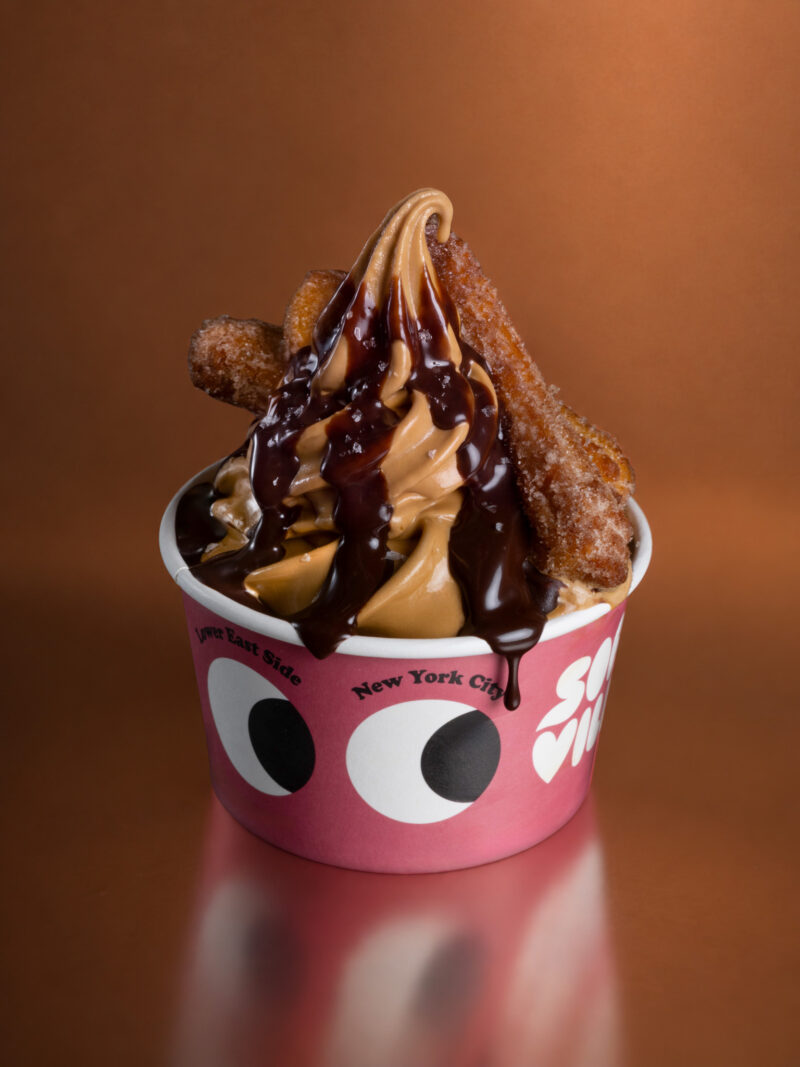
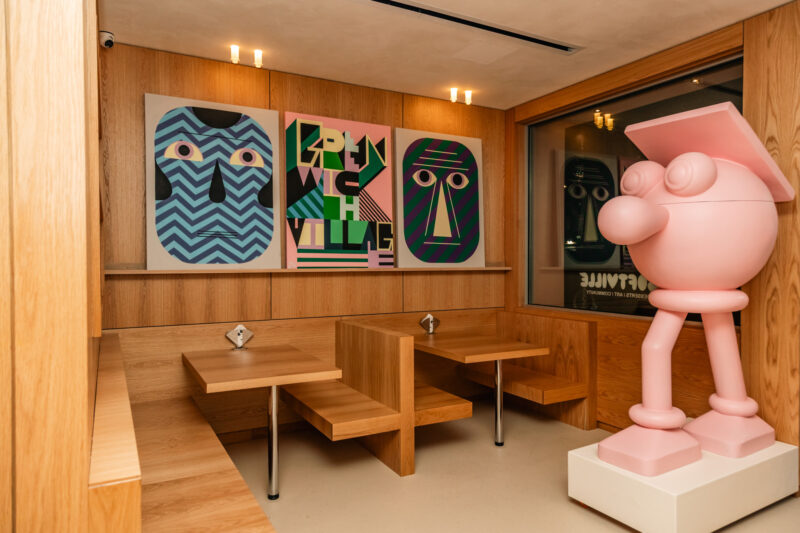
Carpenter’s interior design strategy was informed by these original curves. The interior layout utilizes a "vanilla bean" color palette—a neutral, off-white base that allows the vibrant colors of Jeremyville’s artwork to take center stage. Warm wood seating, designed with angular precision to contrast the soft curves of the glass, provides a communal atmosphere. Furthermore, the space features a flexible shelving and display system. This modular approach ensures that the architectural integrity of the millwork remains protected while allowing the gallery component of the store to evolve through regularly changing exhibitions.
Culinary Innovation: Bringing Australian Craft to New York Soil
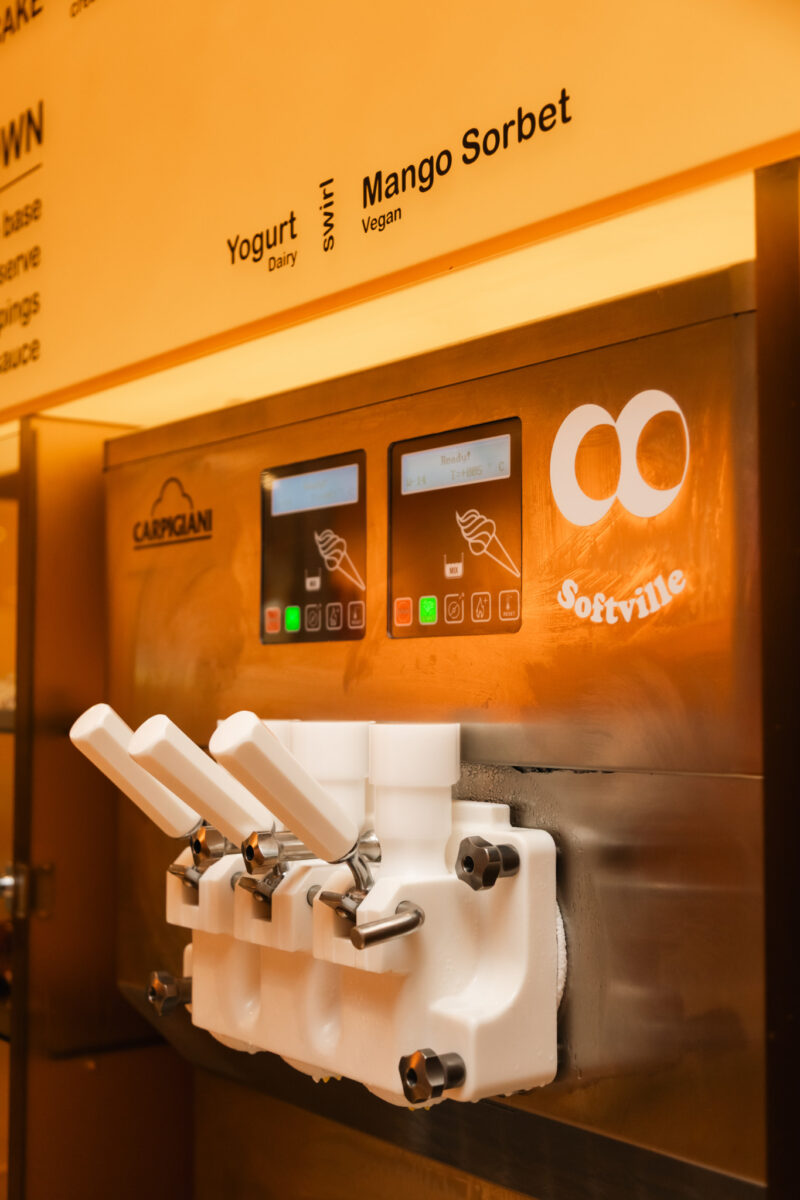
The introduction of Gelato Messina to the United States via Softville brings a specific, craft-oriented methodology to the New York dessert scene. Unlike many commercial soft-serve establishments that rely on pre-fabricated powders or UHT (ultra-high temperature) mixes, Softville’s menu is built on a foundation of fresh, locally sourced ingredients. Central to this operation is a partnership with Ronnybrook Farm Dairy, located in the Hudson Valley. By utilizing Ronnybrook’s non-homogenized milk, Softville produces a gelato-style soft serve that maintains a higher density and richer mouthfeel than standard American soft serve.
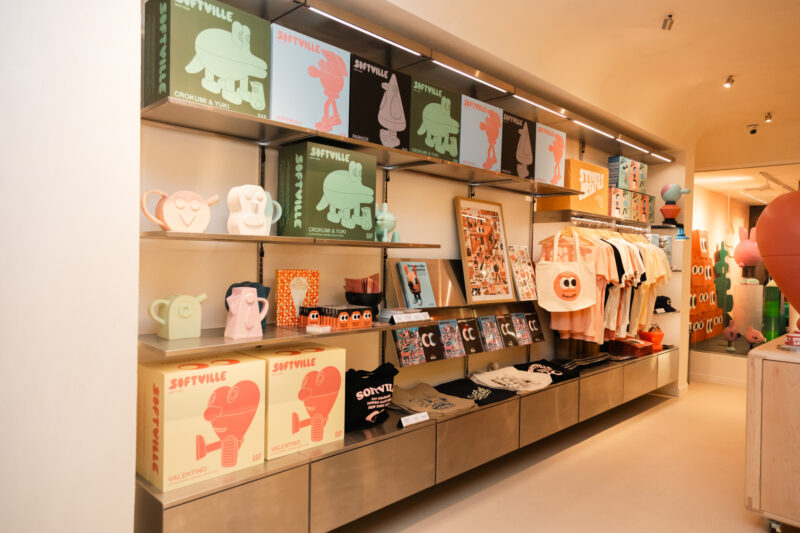
To lead the kitchen, the partners recruited Eva Wintersteen, formerly the executive pastry chef for the Il Buco family of restaurants. Wintersteen’s background in fine dining and traditional Italian pastry provides a sophisticated counterpoint to the playful aesthetic of the store. Working in tandem with Gelato Messina’s Executive Chef Tom Mitchell, Wintersteen has developed a menu that treats soft serve as a sculptural medium.
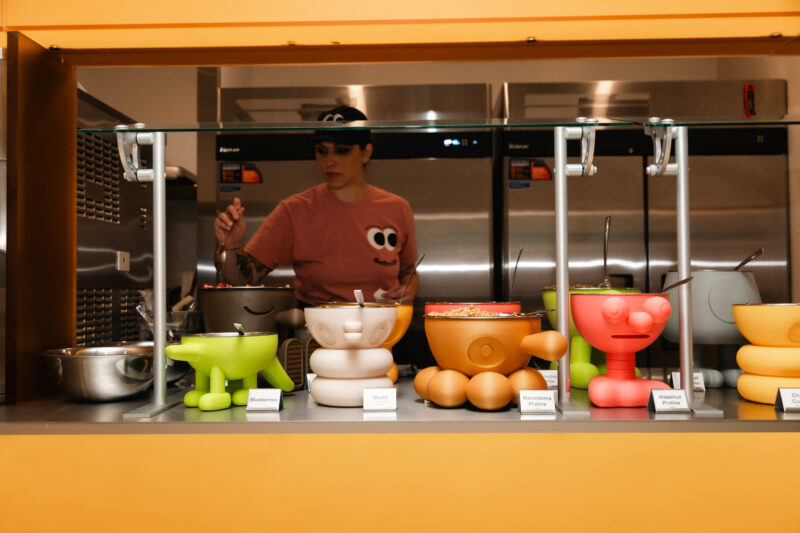
The menu includes "next-level" desserts such as the Dulce Con Churros—a complex assembly of soft serve topped with house-made churros and chocolate syrup—and various layered pavlovas that reference the Australian heritage of the Messina brand. These edible creations are designed to be "sculptural," echoing the physical art pieces on display. The open-kitchen design allows patrons to observe the assembly process, reinforcing the "theatre" of the space that Mair and Carpenter sought to achieve.
The Economic and Cultural Context of Experiential Retail
The launch of Softville occurs at a critical juncture for New York City’s retail economy. Following the shifts in consumer behavior accelerated by the COVID-19 pandemic, brick-and-mortar stores have increasingly transitioned toward "experiential retail." According to industry data from organizations like the International Council of Shopping Centers (ICSC), consumers—particularly in the millennial and Gen Z demographics—are prioritizing "shareable" experiences and unique physical environments over traditional transactional shopping.
Softville addresses this trend by functioning as a community hub rather than just a point of sale. By incorporating drawing clubs and creative workshops led by Jeremyville and guest artists, the venue seeks to foster a recurring audience. This strategy aligns with the broader revitalization of the Lower East Side, which has seen a 12% increase in foot traffic in specialized retail corridors over the last 24 months, according to local business improvement district (BID) reports.
The integration of a cult international brand like Gelato Messina also highlights New York’s status as a primary entry point for global luxury and artisanal brands. The "Messina" name carries significant weight in the Southern Hemisphere; the brand currently operates over 30 locations in Australia and has a social media following exceeding half a million people. Bringing this brand equity to Orchard Street provides Softville with an built-in international profile that most independent startups lack.
Community Integration and the Future of Softville
The founders have expressed a commitment to ensuring Softville remains "woven into the fabric" of the Lower East Side. This is evidenced by the decision to maintain the historical signage and architectural character of the Ben Freedman era. Megan Mair noted that the neighborhood’s "independent spirit" was the primary driver for selecting this specific location.
Looking forward, Softville’s impact is expected to extend beyond its immediate culinary and artistic offerings. The store’s commitment to cultural programming suggests a long-term strategy to engage with the local creative community. By hosting workshops and providing a platform for guest artists, Softville positions itself as a modern iteration of the neighborhood’s historic social clubs and artist lofts.
The broader implications for the hospitality industry are also noteworthy. The success of a high-concept, art-integrated dessert bar could signal a move away from the "minimalist" aesthetic that has dominated New York cafes for the past decade. Softville’s maximalist, colorful, and tactile approach offers a sensory alternative that prioritizes playfulness and nostalgia.
Chronology of the Softville Development
- 2002–2004: Gelato Messina is founded in Sydney; Studio Jeremyville begins gaining international recognition for its distinct character-based art.
- 2010s: The two entities begin a series of informal collaborations and creative dialogues, exploring the intersection of food and art.
- 2022: Initial plans for a New York City flagship are drafted, with a focus on finding a location that offers historical significance.
- 2023: The 137 Orchard Street site (formerly Ben Freedman department store) is secured. Interior designer Sarah Carpenter is brought on board to manage the restoration.
- Early 2024: Sourcing begins for local ingredients, culminating in the partnership with Ronnybrook Farm Dairy. Eva Wintersteen joins the team to bridge the gap between Australian gelato techniques and New York pastry standards.
- Late 2024: Softville officially opens its doors to the public, launching its inaugural exhibition of Jeremyville sculptures alongside the debut soft-serve menu.
Analysis of Local Impact
The opening of Softville is likely to serve as a catalyst for further foot traffic on Orchard Street, a corridor that has seen a transition from wholesale garment shops to high-end boutiques and galleries. By preserving the 1920s glass front, the project sets a precedent for architectural conservation that may influence future developments in the area. From a culinary perspective, the introduction of Messina’s "scratch-made" soft serve raises the competitive bar for the neighborhood’s numerous dessert purveyors, potentially sparking a trend toward higher-quality dairy sourcing and artisanal production methods in the "quick-service" dessert category.
In conclusion, Softville represents a sophisticated fusion of heritage preservation, international brand expansion, and local artisanal collaboration. By treating soft serve with the same level of intellectual and creative rigor as the art on its walls, the venue offers a unique case study in the evolution of New York City’s retail and culinary landscape. As the store begins its daily operations, it stands as a testament to the enduring creative energy of the Lower East Side and the viability of cross-disciplinary partnerships in the modern economy.