admin
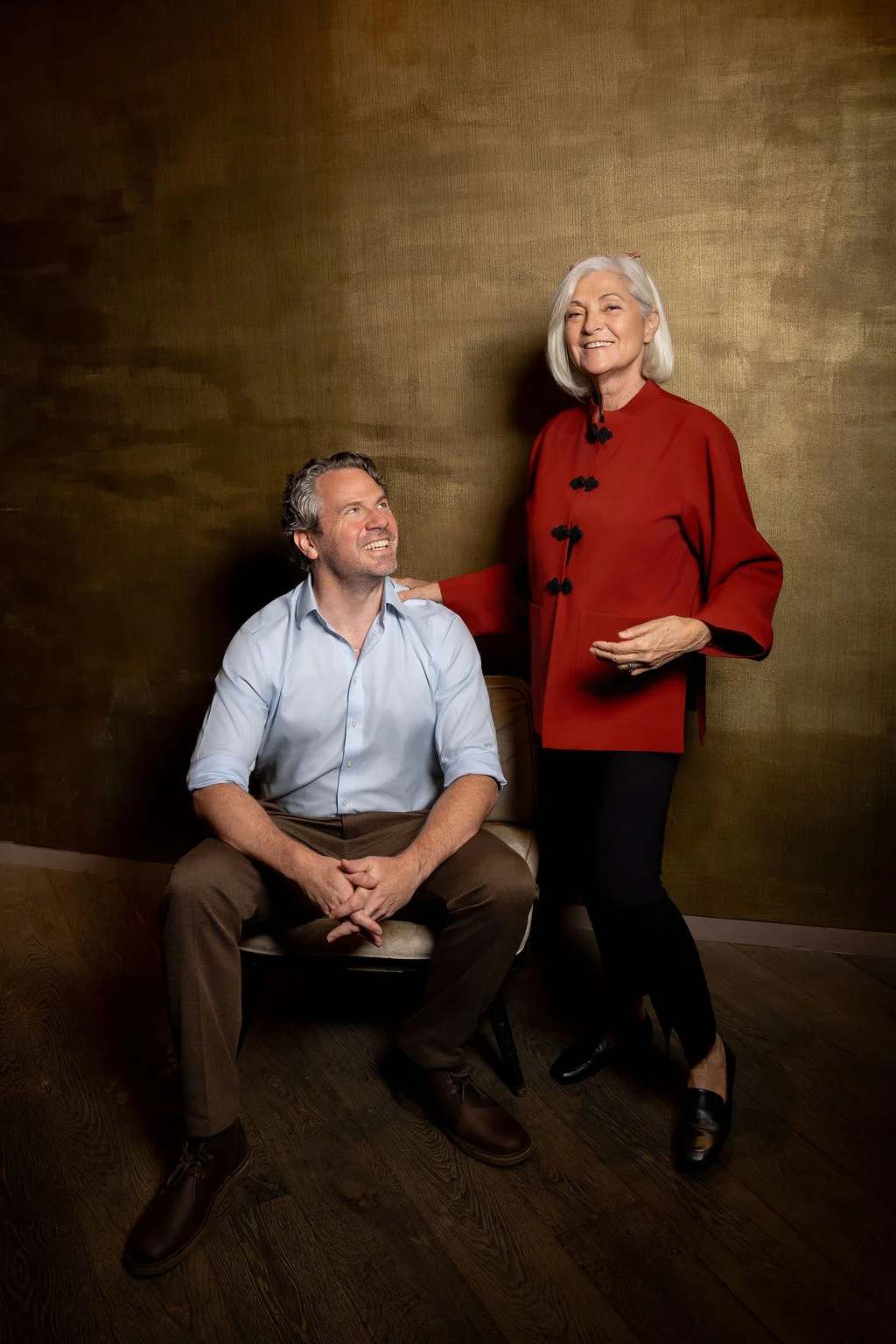
The architectural and interior design industries are increasingly moving toward a model of collaborative transparency, a shift highlighted by the latest installment of the Designers on Design video series produced by ROOM, a global leader in modular workplace solutions. This initiative seeks to dismantle the traditional barriers of professional interviews by pairing industry leaders for unscripted, organic dialogues regarding the evolution of human connection, spatial aesthetics, and the future of the built environment. The most recent episode features a profound exchange between Anda Andrei, the legendary principal of Anda Andrei Design, and Matthew Goodrich, the award-winning founder of Goodrich design studio. Their conversation provides a rare window into the complexities of hospitality design, the nuances of professional mentorship, and the enduring impact of creative legacy.
The Framework of the Designers on Design Initiative
The Designers on Design series was conceived as a departure from the highly curated and often sterile nature of industry panel discussions. According to Elyse Heckman, Senior Vice President of Brand and Communications at ROOM, the series aims to foster a "space for designers to have the kinds of conversations that don’t always happen in the day-to-day." By removing moderators and prescribed talking points, the series allows for a more authentic exploration of what moves the industry forward.
The format is particularly relevant in a post-pandemic era where the design of physical spaces—whether for work, travel, or leisure—is being fundamentally re-evaluated. ROOM, which specializes in soundproof booths and modular office architecture, has positioned itself at the center of this conversation, recognizing that the "human side" of practice is what ultimately dictates the success of a design. The pairing of Andrei and Goodrich marks a departure from previous episodes that featured designers meeting for the first time; instead, this installment explores the depth of a pre-existing multi-generational relationship.
Profiles in Design: Anda Andrei and Matthew Goodrich
To understand the weight of the conversation, one must look at the professional trajectories of the participants. Anda Andrei is widely regarded as one of the most influential figures in the boutique hotel movement. For nearly three decades, she served as the Director of Design for the Ian Schrager Company, where she was the driving force behind iconic properties such as the Royalton, the Paramount, the Delano in Miami Beach, and the Hudson in New York. Her work redefined the "lifestyle hotel," transforming accommodations from mere places of rest into cultural destinations. In 2014, at the age of 59, Andrei launched her own firm, continuing to shape the industry with projects like the Asbury Hotel and the renovation of the Musée Yves Saint Laurent Paris.
Matthew Goodrich, conversely, represents the next generation of design leadership. Before founding Goodrich design studio, he built a reputation for his ability to blend narrative-driven aesthetics with functional complexity. His background in museum exhibition design provided him with a unique perspective on how people navigate and interact with curated environments. Goodrich’s breakthrough in the hospitality sector came with the 2016 opening of Arlo SoHo, a project that emphasized micro-room efficiency and vibrant communal spaces. His work is characterized by a "symbiosis" with Andrei’s philosophy, a connection solidified by years of mutual respect and shared professional history.
A Chronology of Professional Intersection
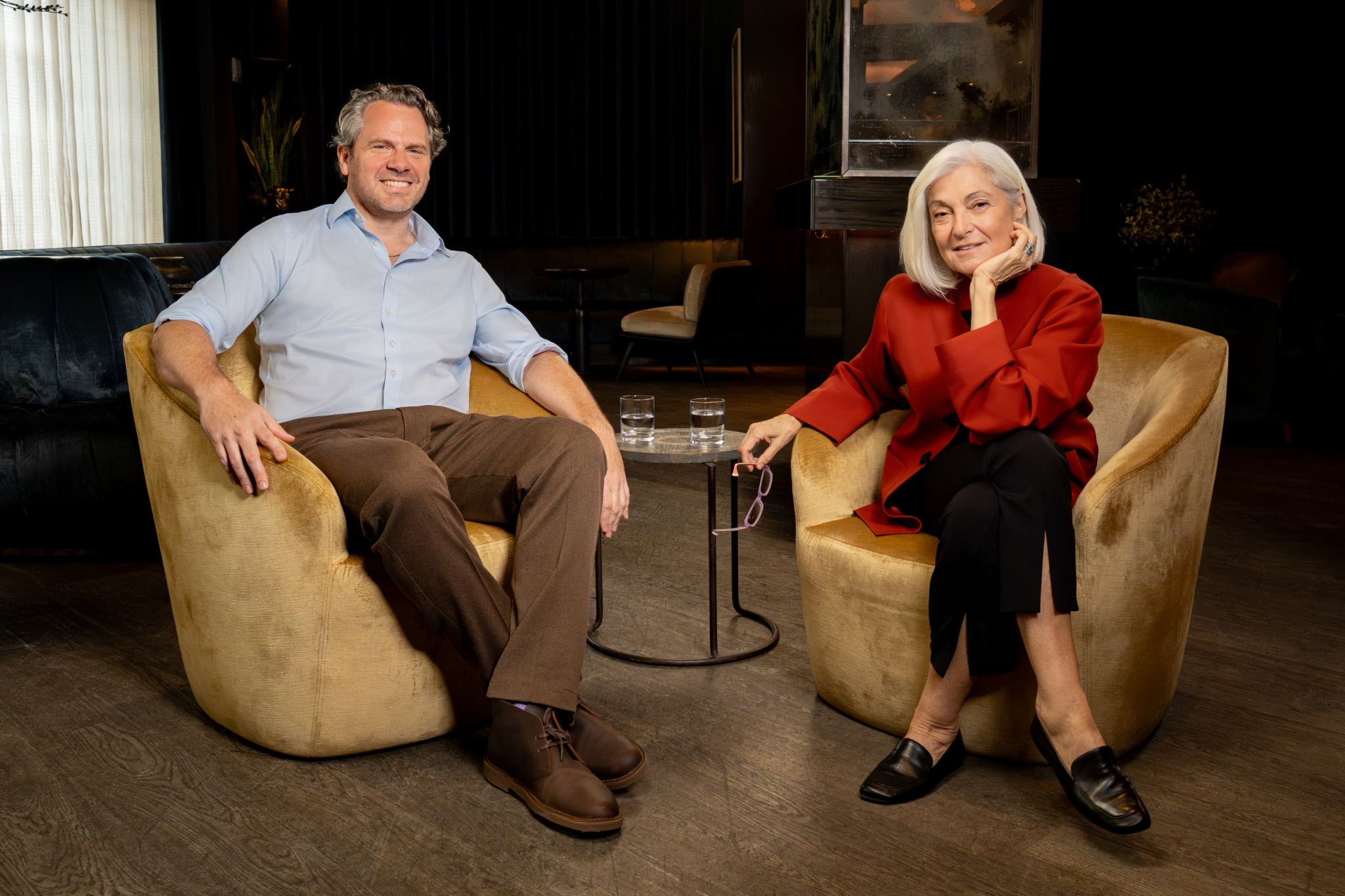
The relationship between Andrei and Goodrich is a testament to the interconnected nature of the New York design community. Their history began nearly two decades ago, though it was initially marked by a series of near-misses and professional admiration from afar.
- 2003: The Cincinnati Connection: The pair first nearly met during the opening of Zaha Hadid’s Contemporary Arts Center (CAC) in Cincinnati. Goodrich was assisting his partner, Thomas Collins (then the Executive Director of the CAC), when he learned of Andrei’s impending arrival. Recognizing her status as a titan of the industry, Goodrich urged Collins to prepare for a "big deal" meeting, though a formal introduction did not occur at that moment.
- The Transition Period: Following Andrei’s departure from the Ian Schrager Company, she sought to build a team for her independent venture. Having heard high recommendations for Goodrich, she approached him for a potential role. However, at that time, Goodrich had not yet opened a hotel, a "crucial" prerequisite for the specific demands of Andrei’s projects.
- 2016: The Arlo SoHo Milestone: Goodrich’s successful launch of the Arlo SoHo served as his formal entry into the high-stakes world of hospitality. This project mirrored many of the principles Andrei had pioneered: the hotel as a social hub and the importance of a strong, singular narrative.
- Shared Workspace and Mentorship: In a move that highlights the collaborative spirit of the industry, Andrei and Goodrich eventually shared an office space. This period allowed for daily interaction and the cross-pollination of ideas, with Andrei witnessing the growth of Goodrich’s firm from its infancy to its current status as an award-winning studio.
The Philosophy of Narrative: The "One-Liner" Concept
A central theme of the Designers on Design episode is the importance of narrative clarity in large-scale projects. Andrei posits that every successful hotel must be founded on a simple, communicable concept—a "one-sentence design concept" similar to a cinematic elevator pitch.
She cites the Delano Miami Beach as a primary example. Developed in collaboration with Philippe Starck, the design was guided by the phrase: "a Greek fisherman that finds a diamond in the sea." This metaphor informed every aesthetic choice, from the rugged, simple textures (the fisherman) to the high-gloss, luxurious accents (the diamond). Goodrich corroborates this approach, noting that a concise phrase acts as a North Star for a design team. When technical challenges or budgetary constraints arise, returning to the "essence" of the concept ensures that the final product remains cohesive.
Technical Realities and Operational Challenges
The conversation also delves into the less glamorous, highly technical aspects of hospitality design. Goodrich reflects on the "chaos" of the final month preceding a hotel opening—a period characterized by the intersection of construction finishing, staff training, and the arrival of the first guests.
Andrei adds a layer of professional realism to this, noting that a hotel is a "living organism." The design does not end when the architects leave; rather, it continues to evolve as operations take over. She emphasizes that the most painful part of the process is seeing a design compromised by operational changes after completion. Both designers agree that a deep understanding of hotel operations—how staff move, how kitchens function, and how guests flow through a lobby—is foundational to creating a space that is both beautiful and functional.
Market Context and Industry Implications
The dialogue between Andrei and Goodrich occurs against a backdrop of significant growth in the hospitality design sector. According to market research data, the global hospitality design market is projected to continue its expansion, driven by a consumer shift toward "experience-based" travel.

- Growth of Lifestyle Hotels: The boutique and lifestyle hotel segment, which Andrei helped create, now accounts for a significant portion of new hotel developments in major urban centers.
- Revenue Impact: Industry data suggests that hotels with a strong design narrative can command significantly higher Revenue Per Available Room (RevPAR) compared to standardized chain hotels.
- Sustainability and Adaptability: There is an increasing demand for "adaptive reuse" projects—such as the Musée Yves Saint Laurent Paris—where designers must balance historical preservation with modern functionality.
The relationship between these two designers also highlights the critical role of mentorship in an industry that is often opaque. By sharing her "empty desks" with Goodrich early in his firm’s development, Andrei provided more than just physical space; she provided a framework for professional excellence.
Broader Impact: The Human Level of Design
The significance of the ROOM series lies in its ability to humanize the design process. In an era dominated by digital renderings and AI-generated concepts, the exchange between Andrei and Goodrich serves as a reminder that great design is inherently a human endeavor. It is shaped by personal histories, shared office spaces, and the "superhero collaboration" that occurs when two creative minds challenge one another.
Elyse Heckman notes that the episode "gets to the heart of how we become the designers we are." It explores the passing of inspiration from one generation to the next and the unexpected ways that early career encounters continue to influence later work. The episode concludes with a forward-looking sentiment: a mutual desire for Andrei and Goodrich to collaborate on a future project. This potential partnership would represent a full-circle moment for two individuals whose careers have been inextricably linked for over two decades.
As the design industry continues to navigate the complexities of the 21st century, the insights offered by ROOM’s Designers on Design series provide a valuable roadmap. By focusing on the "stories behind the work," the series ensures that the future of architecture and design remains rooted in authentic human exchange.