admin

The Los Angeles-based fashion powerhouse Reformation has officially announced its inaugural foray into the home décor market through a strategic partnership with the esteemed French rugmaker Les Éditions de Tapis. This collaboration marks a significant milestone for the brand, which has spent the last decade establishing itself as a leader in sustainable "cool-girl" apparel. By transitioning from the wardrobe to the living room, Reformation is leveraging its distinct aesthetic to capture a larger share of the luxury lifestyle market. The collection consists of nine limited-edition, made-to-order designs that bridge the gap between the brand’s retail identity and residential interior design.
The partnership is rooted in a long-standing relationship between the two entities. Reformation has utilized the bespoke creations of Thomas Coccimiglio, the founder of Les Éditions de Tapis, to anchor the interiors of its global retail locations for several years. According to Lauren Caris Cohan, Reformation’s Chief Creative Officer, the decision to bring these designs to the public was driven by consistent consumer feedback. Customers frequently inquired about the availability of the floor coverings found in-store, signaling a clear market demand for the brand’s specific interior vision. This expansion follows a broader industry trend where fashion labels seek to become comprehensive lifestyle brands, offering everything from evening wear to artisanal home furnishings.
Aesthetic Synthesis: Merging Parisian Tradition with Los Angeles Ease
The Reformation x Les Éditions de Tapis collection is characterized by a unique stylistic synthesis. Cohan and Coccimiglio worked closely to develop a visual language that fuses the decorative, often formal traditions of Parisian interior design with the relaxed, sun-drenched sensibility of Southern California. This "Paris-meets-LA" approach results in pieces that are intended to feel both elevated and approachable.
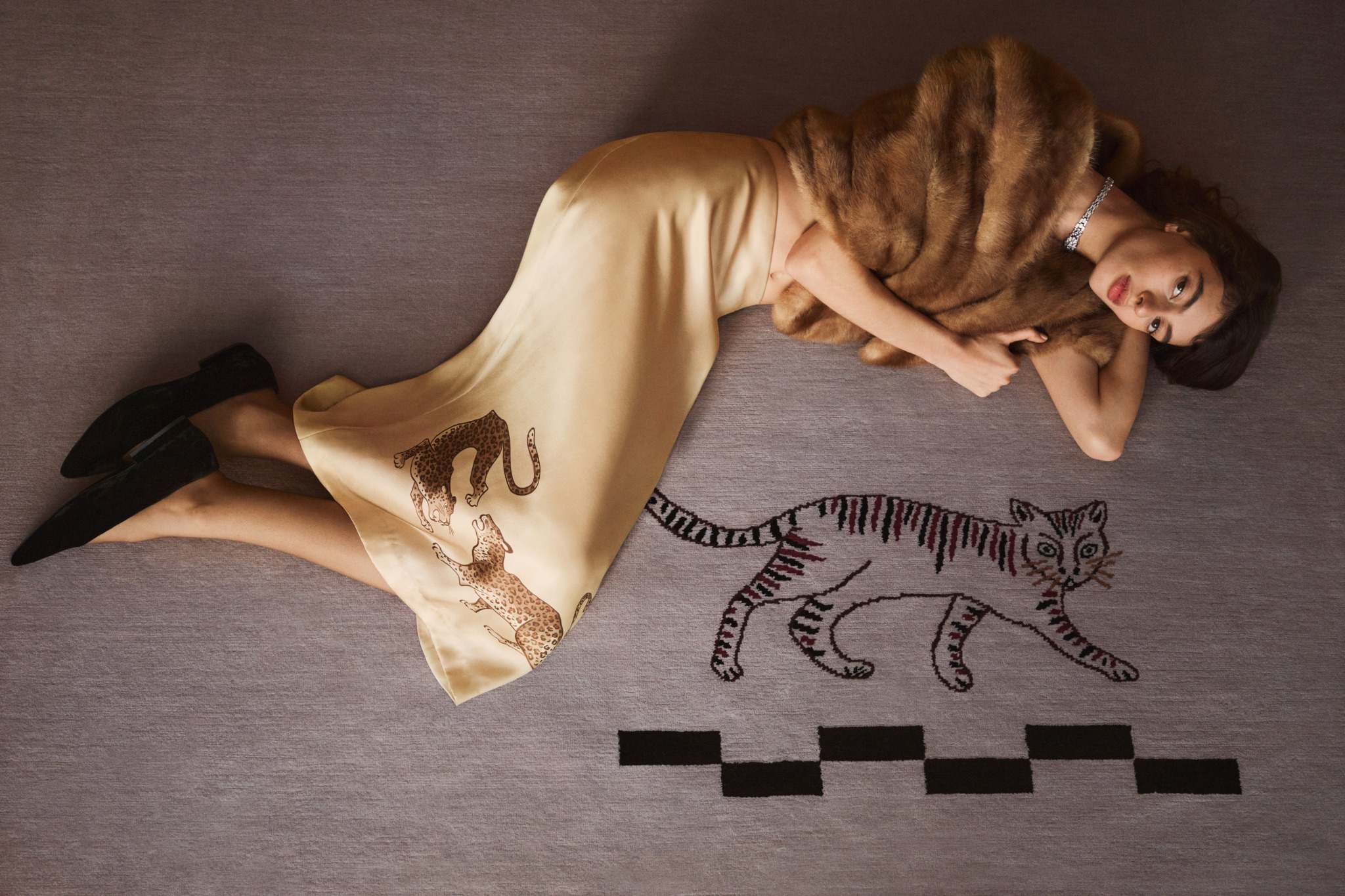
Rather than directly transposing popular dress prints onto textiles, the design team focused on creating original artwork that mirrors the brand’s fashion ethos—whimsical, vintage-inspired, and intentionally understated. The collection features delicate figurative motifs, including palm trees, swans, and avian illustrations. These elements are often set against soft, neutral, or pastel backgrounds, such as ivory and baby blue, or deep, moody tones like dark wine.
A notable design characteristic of the collection is the strategic use of negative space. Eschewing the dense, all-over patterns common in traditional oriental or maximalist rugs, these pieces utilize generous areas of open color. This allows the individual hand-drawn illustrations and decorative borders—reminiscent of antique textiles—to serve as focal points. The "Swan Fan Circle Rug" and the "Chintz Rug," for instance, demonstrate this balance, offering a sophisticated take on figurative art that avoids becoming visually overwhelming.
Artisanal Craftsmanship and Production Logistics
Each rug in the collection begins as a hand-drawn illustration before entering a rigorous production phase that honors traditional craftsmanship. The pieces are hand-knotted by skilled artisans in India and Nepal, regions globally recognized for their heritage in high-quality textile manufacturing. By opting for hand-knotting over machine-tufting, Reformation and Les Éditions de Tapis ensure a level of durability and detail that aligns with luxury standards.
The production model is strictly made-to-order, a decision that aligns with Reformation’s well-documented commitment to sustainability and waste reduction. By producing only what is sold, the brand avoids the environmental and financial pitfalls of excess inventory. This "slow fashion" approach to home décor emphasizes the value of the object and the time required for its creation. While this results in longer lead times for the consumer, it positions the rugs as collectible works of art rather than disposable household goods.

The materials used are selected for their longevity and tactile quality. While specific fiber blends vary across the nine designs, the focus remains on natural materials that age gracefully. This commitment to quality is reflected in the pricing structure, with pieces starting at $1,000 and scaling upward based on size and complexity.
The Strategic Shift to Lifestyle Branding
Reformation’s entry into the home sector is a calculated move that reflects broader shifts in the retail landscape. Industry analysts note that as the fashion market becomes increasingly saturated, brands are looking toward the "home" category to drive growth and deepen customer loyalty. The global home décor market, valued at approximately $616 billion in 2023, is projected to continue its upward trajectory as millennial and Gen Z consumers—Reformation’s core demographic—invest more heavily in their living spaces.
The transition from apparel to interiors allows Reformation to capture a "full-wallet" share of its existing customer base. "We are very intentional about crafting physical environments that reflect who we are in subtle, delightful ways," Cohan explained. This strategy suggests that the brand views its stores not just as points of sale, but as blueprints for an aspirational lifestyle. By selling the rugs that define their retail spaces, Reformation is essentially allowing customers to buy a piece of the brand’s "world."
This move follows in the footsteps of luxury heritage houses like Hermès and Gucci, as well as contemporary peers like Staud and Ganni, who have explored various lifestyle extensions. However, Reformation’s approach is unique in its focus on artisanal collaboration rather than mass-market licensing, maintaining the brand’s "insider" appeal.

Chronology of the Collaboration
The path to this collection was a multi-year evolution rather than a sudden pivot:
- Phase 1: Retail Integration (Pre-2022): Reformation begins sourcing custom rugs from Les Éditions de Tapis for its flagship stores in London, New York, and Los Angeles. The rugs become a signature element of the "Reformation store aesthetic," characterized by warm lighting and natural textures.
- Phase 2: Consumer Inquiry: Store associates and customer service teams report a high volume of inquiries regarding the rugs. The brand identifies a gap between the "retail experience" and the "product catalog."
- Phase 3: Concept Development (2023): Lauren Caris Cohan and Thomas Coccimiglio begin formalizing a partnership to create a retail-ready version of the store’s custom pieces. The focus is on adapting the designs for diverse residential environments.
- Phase 4: Launch (Late 2024): The collection is officially released to the public. To maintain exclusivity, the rugs are sold primarily online, though physical swatches are placed in select brick-and-mortar locations to allow customers to experience the materials firsthand.
Market Implications and Future Outlook
The launch of the Reformation x Les Éditions de Tapis collection has several implications for the brand and the wider industry. First, it serves as a litmus test for Reformation’s ability to transcend the "apparel" label. If successful, this collection could pave the way for a more extensive "Ref Home" line, potentially including furniture, lighting, or tabletop items.
Furthermore, the collaboration highlights the increasing importance of "artisanal storytelling" in the digital age. By emphasizing the hand-knotted nature of the rugs and the specific partnership with a French rugmaker, Reformation is appealing to a consumer who values provenance and craft over fast-turnaround commodities. This move helps insulate the brand against the downward pricing pressure of fast-fashion competitors.
From a financial perspective, the made-to-order model provides a low-risk entry into a new category. It allows the brand to test demand without the overhead of massive inventory stockpiles. This lean approach to expansion is likely to be a template for other fashion brands looking to diversify their offerings in a volatile economic climate.

Conclusion
The Reformation x Les Éditions de Tapis collection represents more than just a new product line; it is a sophisticated brand extension that leverages existing retail assets to meet proven consumer demand. By combining the artisanal expertise of Coccimiglio with the high-concept creative direction of Cohan, the collection offers a unique proposition in the home décor market: rugs that are at once contemporary, traditional, and deeply tied to a specific fashion identity.
As the collection becomes available exclusively through Reformation’s digital platform, the industry will be watching closely to see how well the "Ref" aesthetic translates to the floor. With prices starting at $1,000, the brand is clearly targeting a more affluent tier of its audience, betting that the same customers who appreciate its ethically made dresses will be willing to invest in ethically made art for their homes. For now, the collection stands as a testament to the power of cohesive brand storytelling and the enduring appeal of craftsmanship in a mass-produced world.