admin
Red Robin Gourmet Burgers Inc. has reported its most significant same-store sales growth in over three years, signaling a potential turning point for the casual-dining mainstay as it moves into the next phase of its multi-year "North Star" recovery plan. The company’s third-quarter results, characterized by a 3.9 percent increase in comparable restaurant sales, indicate that the structural changes implemented over the past eighteen months are beginning to yield tangible financial results. While the broader casual-dining sector continues to grapple with fluctuating consumer demand and inflationary pressures, Red Robin’s performance suggests a stabilization that the brand now intends to leverage through a pivot toward dinner-daypart dominance and family-oriented menu innovation.
The third-quarter performance outpaced the industry average by 70 basis points, according to data provided by Black Box Intelligence. This achievement is particularly notable given the current economic climate, where price-sensitive consumers have been reducing their discretionary spending at full-service restaurants. Although guest traffic saw a modest decline of 1.7 percent, the brand managed to gain market share in its primary competitive zones, suggesting that while the total pool of diners may be shrinking, a higher percentage of those diners are choosing Red Robin over its immediate peers.
The Evolution of the Strategic Roadmap: From Stabilization to Innovation
The current trajectory of Red Robin is the result of a deliberate, phased approach to corporate restructuring. Throughout 2023 and the first half of 2024, the company focused heavily on "rebuilding the foundations." This included a comprehensive overhaul of kitchen operations, a return to high-quality ingredients, and a rigorous restructuring of the company’s balance sheet. Having established a more stable operational floor, the executive leadership team, led by CEO David Pace, is now shifting the focus toward 2027, with a specific emphasis on the dinner hour and the family dining experience.
The centerpiece of the recent sales momentum has been the "Big Yummm" value platform, which was introduced in July 2025. Initially designed to capture the lunch crowd and provide an entry point for budget-conscious diners, the platform has proven to be a vital tool for customer acquisition. However, leadership recognizes that long-term sustainability cannot rely on low-margin value plays alone. Consequently, the company is preparing to transition its marketing and culinary efforts toward the "family occasion," an area where Red Robin has historically held a strong brand identity but has recently faced stiff competition from both quick-service and other casual-dining chains.
According to CEO David Pace, the strategy for 2027 involves a significant expansion of the culinary pipeline. This includes not only new iterations of the brand’s signature gourmet burgers but also a broader selection of appetizers, salads, entrees, and beverages designed to appeal to a multi-generational demographic. The goal is to transform Red Robin from a convenient lunch spot into a destination for evening dining, where the average check is typically higher due to increased appetizer and alcohol sales.
Analyzing the Financial Levers: Pricing, Mix, and Margin Expansion
A detailed look at the third-quarter financial data reveals the mechanics behind the 3.9 percent sales lift. The company reported a 5.6 percent increase in the average guest check, which was driven by two primary factors: a 3.4 percent increase from strategic pricing actions and a 2.2 percent benefit from a favorable menu mix and disciplined discounting. This "barbell strategy"—offering both high-value entry points and premium, higher-priced items—has allowed the chain to cater to a wide spectrum of consumers.
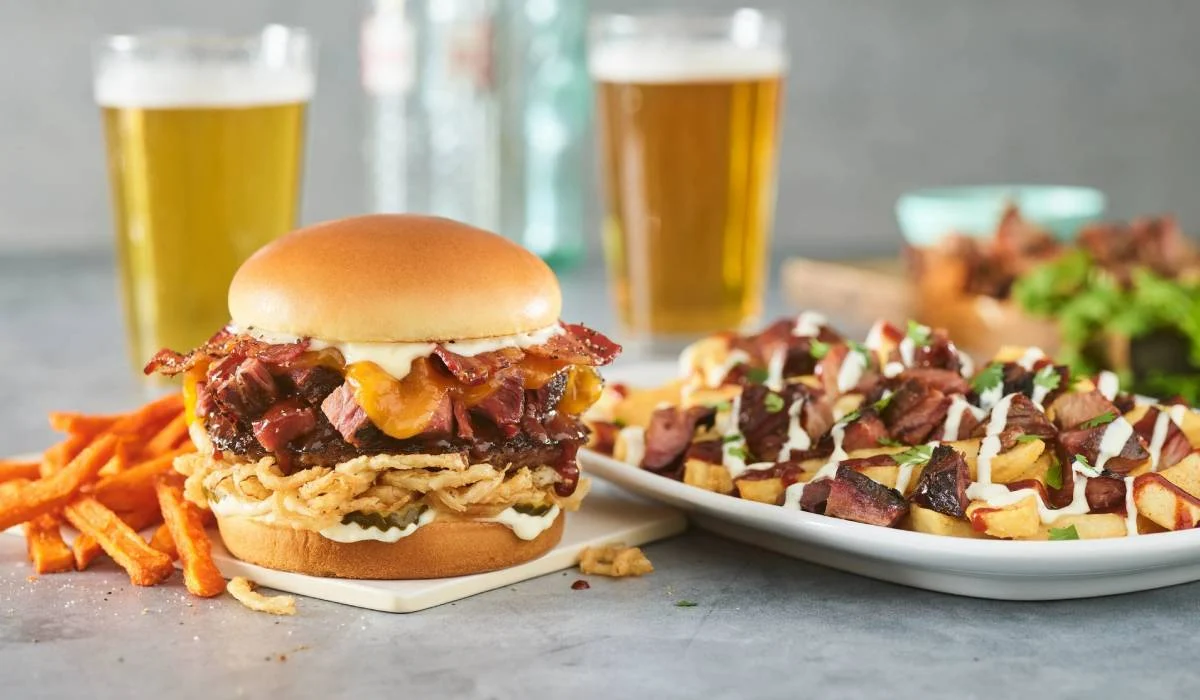
The premium side of the barbell was recently highlighted by the introduction of the Prime Rib Stack Burger, a holiday-themed special designed to entice customers to "trade up" from the standard menu. Simultaneously, the company expanded the Big Yummm platform to include a $16.99 tier, providing a middle-ground option that maintains the "value" perception while protecting margins. This nuanced approach to pricing is a response to the aggressive discounting seen across the industry; rather than engaging in a "race to the bottom" on price, Red Robin is attempting to balance affordability with brand prestige.
Operating margins also showed marked improvement, increasing 90 basis points to 10.8 percent during the third quarter. This margin expansion was supported by approximately 40 basis points of savings derived from labor efficiencies. The company has integrated artificial intelligence and advanced data analytics to optimize restaurant operations, reducing redundant technology costs and streamlining supply chain logistics. These back-end improvements are essential for offsetting the rising costs of labor and raw ingredients that continue to plague the hospitality sector.
The Refranchising Initiative and Debt Reduction
One of the most significant shifts in Red Robin’s corporate structure is its aggressive move toward a more asset-light model. During the third quarter, the company finalized three major refranchising agreements involving 108 restaurants. These transactions generated more than $89 million in gross proceeds, with the total expected to reach approximately $96 million once the final phases are completed in the fourth quarter.
This capital influx is earmarked for a critical purpose: debt reduction and the refinancing of the company’s credit facility. By reducing its debt load, Red Robin aims to secure more favorable interest rates and improve its overall liquidity, which stood at $29.5 million at the end of the quarter. The refranchising strategy also brings new blood into the system, as the 108 units were acquired by three experienced multi-unit operators.
CEO David Pace noted that there is significant "inbound interest" from other potential franchise partners. While the company remains open to further refranchising, leadership has stated that future deals will be contingent on finding the right partners and achieving valuations that reflect the brand’s improving health. This shift in ownership structure allows the corporate entity to focus more on brand development, marketing, and high-level strategy while leaving the day-to-day operational management of specific regions to local experts.
Leadership Changes and Marketing Realignment
The evolution of the brand is also being shaped by new leadership in the marketing department. In September, Scott Hudler joined Red Robin as Chief Marketing Officer, taking the reins from Russ Klein. Hudler, who brings extensive experience from other major food and beverage brands, is tasked with refining the company’s voice and ensuring that marketing spend is utilized as efficiently as possible.
In the third quarter, selling expenses rose to $9.4 million, up from $6.8 million the previous year. This increase was attributed to the launch of the Big Yummm platform and a shift toward more personalized, data-driven marketing. Looking toward 2027, the company expects marketing spend to remain steady or slightly decrease as a percentage of revenue, with a focus on shifting dollars away from internal administrative costs and toward high-impact, consumer-facing advertising. The goal is to move beyond generic promotions and toward targeted messaging that speaks directly to the "family occasion" and "dinner" segments.
Operational Stability as a Competitive Advantage
Beyond the financial metrics, Red Robin is placing a heavy emphasis on "team stability." The company reported that turnover rates for both hourly employees and restaurant managers have reached historically low levels. In an industry notorious for high churn, maintaining a consistent workforce is seen as a major operational advantage.
"In a hospitality business, team stability is a competitive advantage," Pace stated during the earnings call. He emphasized that lower turnover leads to more efficient execution, better guest experiences, and reduced costs associated with recruitment and training. By fostering a more stable work environment, the company believes it can deliver a more consistent product, which is essential for building long-term guest loyalty.
Furthermore, the company is continuing its "Light Touch" restaurant refresh program. This initiative involves modernizing the dining room aesthetics—updating lighting, furniture, and wall treatments—without the massive capital expenditure required for a full-scale remodel. This approach allows the brand to stay relevant and visually appealing to modern diners while maintaining a disciplined approach to capital allocation. An updated restaurant prototype is also being developed with the help of an outside firm to guide future new-builds and more extensive renovations.
Future Outlook and Broader Implications for the Casual Dining Sector
Despite the positive momentum, Red Robin remains cautious. Total revenue for the third quarter declined by $33 million to $232 million, though this was largely expected due to the closure of underperforming stores and the shift of 108 units to franchise ownership. Adjusted EBITDA remained relatively flat at $7.3 million compared to $7.6 million in the prior year, reflecting the costs of the transition period.
For the fourth quarter, the company has projected a same-store sales increase of approximately 2.75 percent. If achieved, this would mark the third consecutive quarter of positive comps—a feat the brand has not accomplished in years. Restaurant-level operating margins are expected to hover around 10 percent, with adjusted EBITDA projected at $6 million.
The implications of Red Robin’s turnaround strategy extend beyond the company itself. It serves as a case study for the broader casual-dining industry on how to navigate a post-pandemic landscape defined by extreme price sensitivity and shifting consumer habits. By focusing on operational efficiency, a balanced pricing strategy, and a return to the brand’s core identity as a family-friendly destination, Red Robin is attempting to prove that there is still significant room for growth in the full-service burger segment.
As the company moves toward 2027, the success of its "dinner and family" pivot will likely depend on its ability to maintain its value perception while successfully selling its more premium, higher-margin offerings. With a stabilized balance sheet and a renewed focus on the guest experience, Red Robin is no longer just surviving; it is actively positioning itself to compete for a larger slice of the American dinner table.