admin
The traditional perception of hotel dining as a secondary convenience for overnight guests is undergoing a fundamental transformation across the North American hospitality landscape. Leading resorts are increasingly decoupling their food and beverage (F&B) operations from mere amenity status, repositioning them as high-concept, standalone culinary destinations. This shift is driven by a strategic combination of immersive "eatertainment," community-centric programming, and a rigorous focus on regional identity. By integrating tableside theater with sophisticated service models, hospitality leaders are successfully capturing a larger share of the local market while simultaneously enhancing the value proposition for transient travelers.
The Evolution of the Hotel Dining Model
Historically, hotel restaurants functioned as "loss leaders" or necessary utilities designed to keep guests on-property. However, current industry data suggests that F&B now accounts for approximately 25% to 40% of total revenue at upscale and luxury resort properties. The modern traveler—influenced by social media trends and the "prosumer" culture of televised cooking competitions—demands a level of engagement that exceeds standard table service.
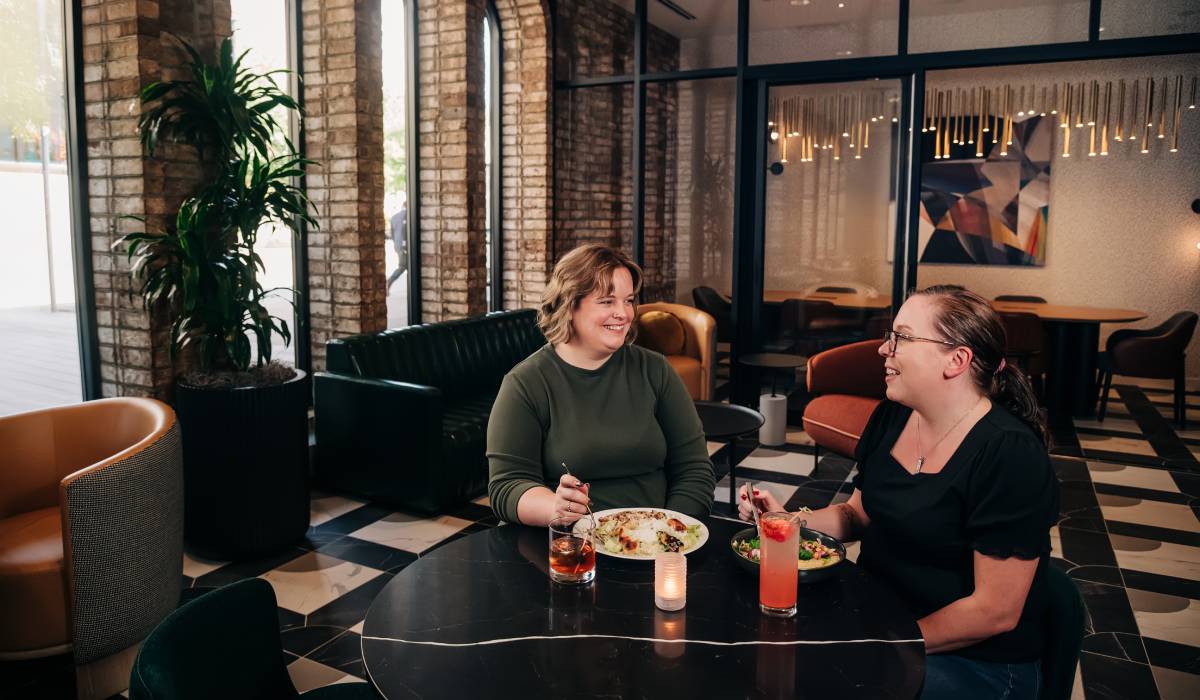
In response, culinary directors are implementing "high-touch" hospitality strategies. These include the reintroduction of tableside preparation, the development of narrative-driven menus, and the establishment of "humanitarian" business models where profits are reinvested into social causes. These initiatives serve a dual purpose: they create the "Instagrammable" moments necessary for organic digital marketing and foster a sense of brand loyalty among local residents who might otherwise overlook a hotel-based venue.
The Humanitarian and Theatrical Approach in Michigan
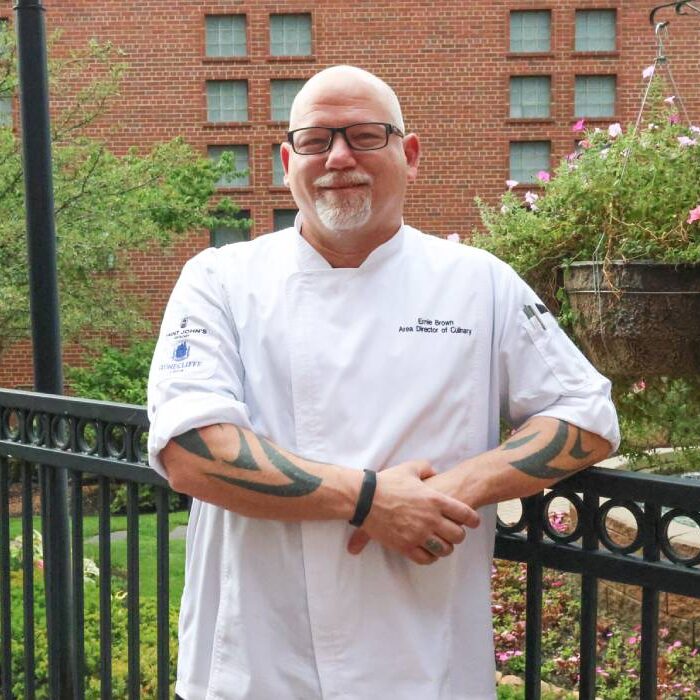
At the forefront of this movement is Ernie Brown, the Area Director of Culinary Operations for Saint John’s Resort in Plymouth, Michigan, and The Inn at Stonecliffe on Mackinac Island. Brown’s strategy centers on the "Humanitarian Hotel" framework, a rare business model where 100 percent of profits are directed toward global charitable initiatives. This mission-driven approach serves as a significant recruitment and retention tool, attracting staff and guests who prioritize social responsibility.
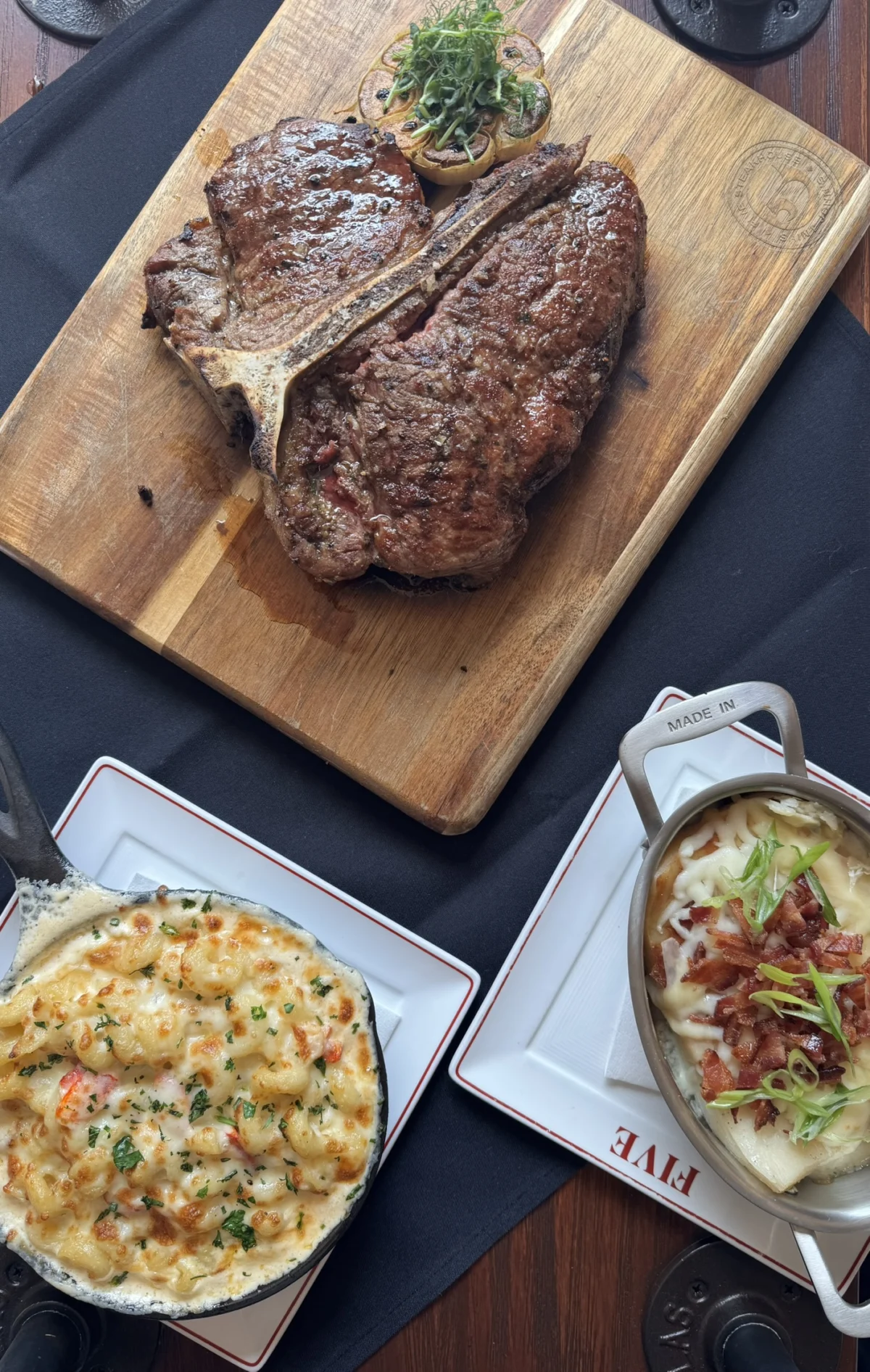
Since assuming his role in April, Brown has overseen a comprehensive re-branding of Saint John’s six dining concepts, including FIVE Steakhouse and Doyles Irish Pub. A primary component of his strategy is the reintroduction of theatrical tableside service to differentiate the resort from standardized steakhouse chains.
Performance Metrics and Operational Changes:
- Customer Satisfaction: Food quality and presentation ratings rose from 64% to a range of 80–85% within six months of Brown’s arrival.
- Signature Offerings: The introduction of "The Cardinal"—a porterhouse carved tableside and finished with infused tallow butter—and Japanese A5 Wagyu seared on hot rocks has redefined the property’s premium tier.
- Local Engagement: Approximately 30% of outlet revenue is now derived from local regulars, some of whom frequent the resort five days a week for breakfast and workspace utility.
Brown’s future roadmap includes expanding these "wow" factors into more casual outlets, such as finishing carbonara inside a flaming wheel of Parmesan at The Wine Grotto, further blurring the line between fine dining and interactive entertainment.
Narrative-Driven Hospitality: The Dellshire Model
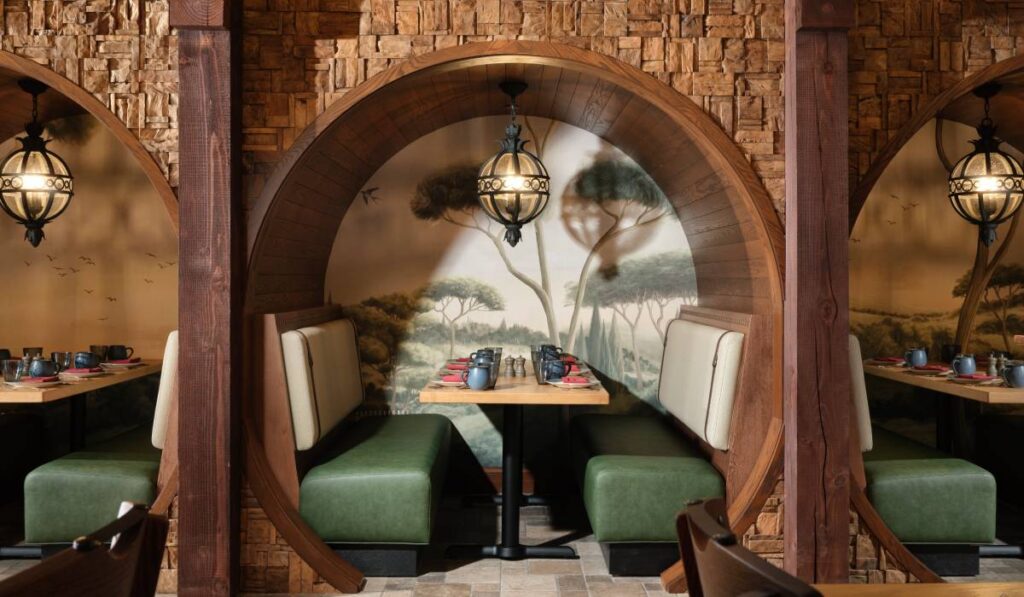
In the competitive landscape of Wisconsin Dells, a region traditionally dominated by waterpark-centric tourism, Culinary Director Justin Draper is utilizing medieval-inspired storytelling to elevate the resort experience. Dellshire Resort, which opened in early 2024, utilizes a "fantasy-upscale" hybrid model.
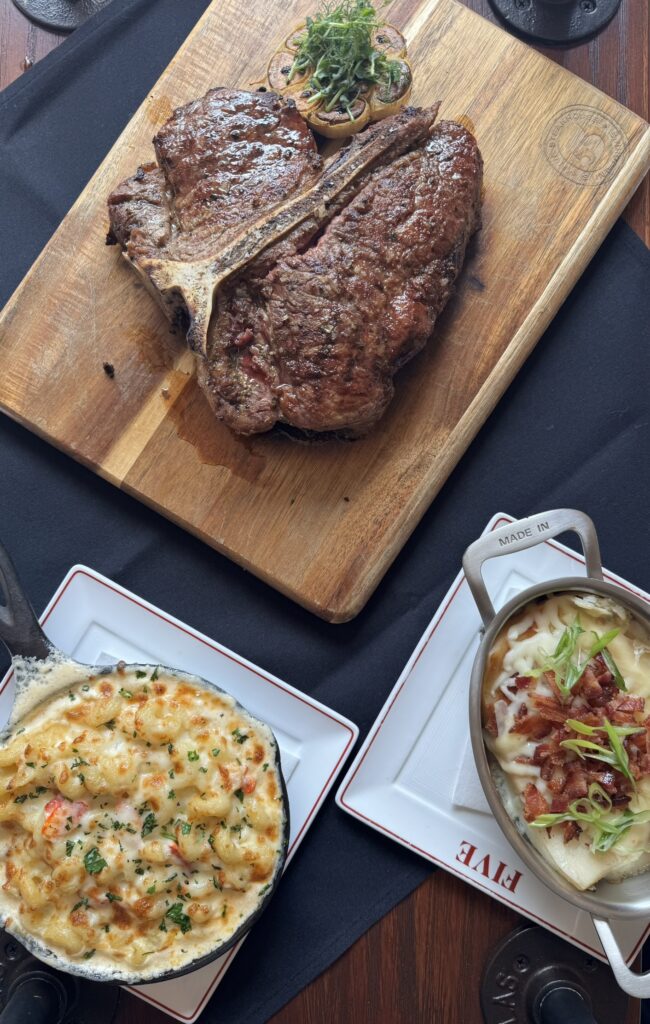
The property’s signature restaurant, Blade & Barrel, avoids the pitfalls of "themed" dining by balancing high-end Midwestern ingredients with subtle narrative elements. A key example is the "King’s Cleaver for Two," a $225, 42-ounce tomahawk ribeye. The dish is not merely a menu item but a choreographed event: it is hung, flame-seared, and presented tableside.
Draper utilizes these high-ticket items as internal training benchmarks. The complexity of the tableside presentation requires servers to possess deep product knowledge and refined soft skills, effectively raising the service standard across the entire property. This "adventure-dining" approach has successfully positioned Dellshire as a unique player in a saturated market, appealing to both families seeking "Breakfast of the Realm" and couples looking for a sophisticated, fireside lounge experience at The Thirsty Dragon.
Urban Integration and Multi-Concept Management in Detroit
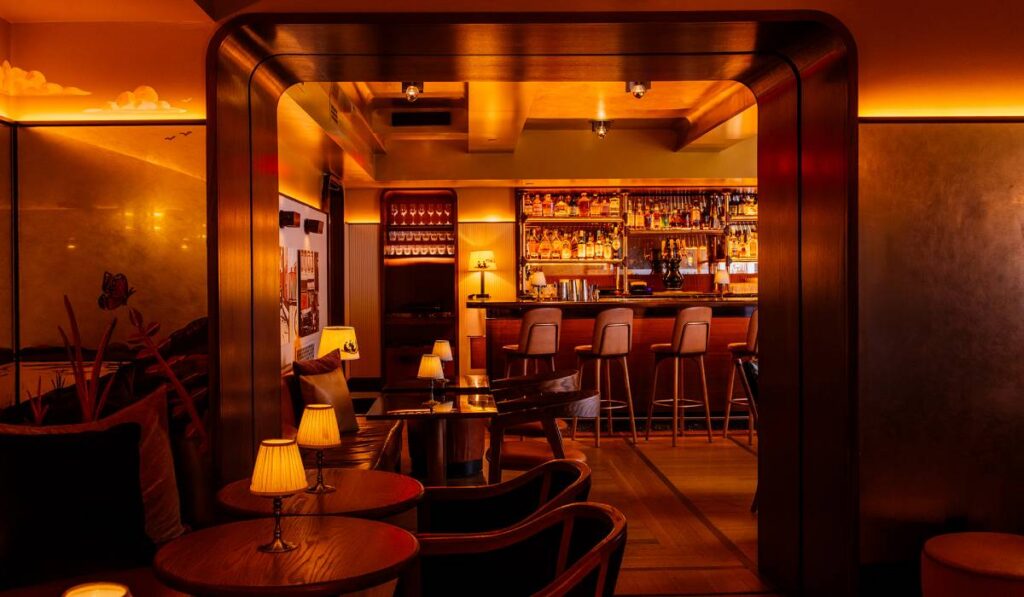
In metropolitan markets like Detroit, the challenge for hotel restaurants is to compete with established independent local favorites. Mary-Catherine Moore, Executive Director of Food & Beverage at the Shinola Hotel, manages a portfolio that includes San Morello (upscale Italian), Evening Bar (speakeasy), The Brakeman (beer hall), and Penny Red’s (fried chicken).
Moore’s philosophy treats each outlet as a neighborhood fixture that happens to be located within a hotel. This requires a delicate balance of "transient volume" and "local loyalty." To achieve this, the Shinola Hotel integrates Detroit’s industrious history and contemporary art scene into its programming.
Strategic Pillars for Urban Hotel Dining:
- Contextual Design: Using open kitchens and plush, ambient lighting to mirror the city’s creative energy.
- Community Collaboration: Hosting events with local artists and musicians to ensure the hotel remains a cultural hub for residents.
- Service Consistency: Maintaining a unified standard of excellence across diverse price points, from a high-end Italian dinner to a casual game-day beer hall experience.
Moore notes that the industry is shifting away from the "generic hotel-restaurant playbook," as guests now expect hotel venues to hold their own against the city’s top independent spots.
The Intersection of Education and Fine Dining in Alabama
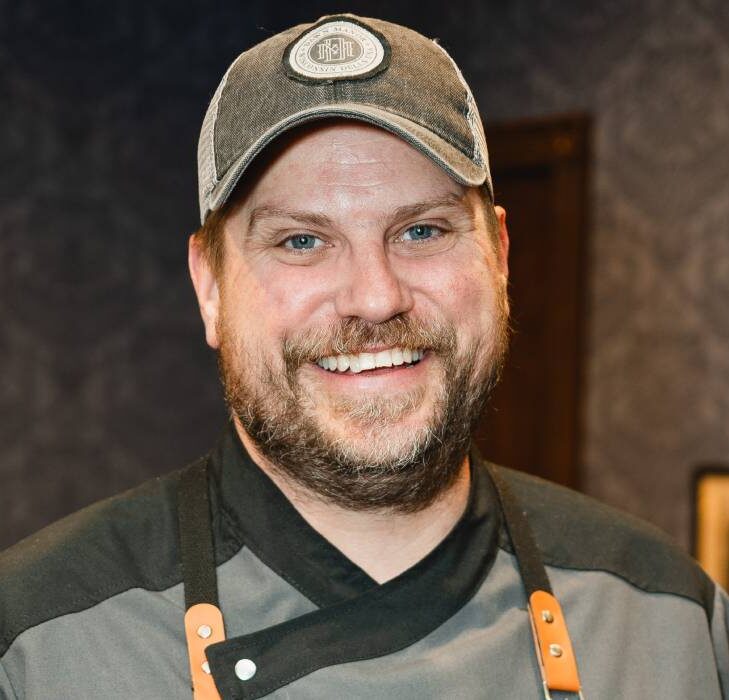
The Laurel Hotel & Spa in Auburn, Alabama, represents a first-of-its-kind collaboration between luxury hospitality and higher education. Roy Khoo, Director of Culinary Innovation and Operations, oversees F&B at this "teaching hotel," which operates in conjunction with Auburn University’s Horst Schulze School of Hospitality Management.
The property’s flagship restaurant, 1856—Culinary Residence, has already received MICHELIN Guide recommendations. The operational model is unique: it serves as a live laboratory for the next generation of hospitality professionals. Khoo’s challenge is to maintain world-class standards while facilitating a learning environment.
Regional and Sustainable Integration:
Khoo leverages the university’s internal resources, partnering with the Department of Horticulture and the School of Fisheries, Aquaculture & Aquatic Sciences to source ingredients. This "hyper-local" supply chain provides guests with an authentic sense of place while supporting the university’s research initiatives. Khoo’s approach emphasizes "wellness without sacrifice," focusing on smaller, shareable portions and seasonal Alabama produce, reflecting a broader industry trend toward mindful consumption.
Heritage and Post-Renovation Growth in Minneapolis
At the Sheraton Minneapolis Downtown, Executive Chef and Beverage Director Keven Kvalsten is leading a culinary resurgence following a major property renovation. His focus is on "Esther’s Table," a concept inspired by the legacy of Esther Capp, which emphasizes Midwestern hospitality and French technique.
Kvalsten’s strategy centers on the use of Minnesota indigenous ingredients, such as walleye, and traditional preservation techniques like canning and pickling to manage the region’s extreme seasonal shifts. This focus on "culinary geography" helps the hotel connect with travelers who want to experience the specific culture of the Twin Cities.
Operational Analysis:
Following the renovation, Kvalsten has focused on scaling operations to meet increased demand. He notes that the success of a hotel restaurant depends on its ability to serve "connected, not competing" audiences. While transient guests provide the necessary volume and revenue peaks, local guests provide the year-round stability and community endorsement that defines a restaurant’s reputation.

Broader Implications for the Hospitality Industry
The strategies employed by these five leaders highlight several critical trends that will likely define the next decade of resort dining:
- The Death of the "Standard" Menu: Guests no longer accept generic club sandwiches and Caesar salads. Regionality and "sense of place" are now mandatory for success.
- Labor as a Performance: Tableside service and open kitchens turn kitchen and floor staff into performers, requiring higher levels of training and higher wage structures, but resulting in higher check averages.
- Sustainability and Social Impact: As seen in the Saint John’s Resort and The Laurel Hotel models, guests are increasingly willing to spend more at venues that demonstrate clear social or environmental value.
- Technology and Social Media: Visual presentation is no longer an afterthought; it is a core component of menu development. A dish’s "virality" is now a measurable KPI for many culinary directors.
As hotel and resort restaurants continue to evolve, the distinction between "staying" and "dining" will continue to blur. By prioritizing high-touch hospitality and genuine community engagement, these properties are transforming from mere lodging providers into essential pillars of the local culinary landscape. The success of these five leaders suggests that the future of the industry lies in the ability to deliver not just a meal, but a memorable, site-specific experience that resonates long after the guest has checked out.