admin
The integration of advanced climate control into residential bedding has reached a new milestone with the release and subsequent field testing of the Perfectly Snug Smart Topper. Positioned as a high-end solution for sleep temperature regulation, the device represents a significant investment in the burgeoning "sleep technology" sector, with the king-size model retailing at $2,395. This price point places the Smart Topper within the luxury tier of home wellness products, targeting a demographic that prioritizes sleep quality as a fundamental pillar of health. Following an extensive two-month evaluation period conducted during a peak summer season in Florida, the device has demonstrated a high degree of efficacy in managing thermal environments, despite some noted areas for aesthetic and interface refinement.
The Architecture of Active Cooling Technology
At its core, the Perfectly Snug Smart Topper is a 2-inch mattress enhancement system that utilizes a combination of centrifugal fans, integrated airflow channels, heating elements, and high-precision temperature sensors. Unlike traditional memory foam or latex toppers, which often act as thermal insulators by trapping body heat, the Smart Topper is engineered with an internal mesh structure designed for active breathability.
The system operates on the principle of convective heat transfer. By circulating ambient air through the topper’s mesh layer and directly beneath the sleeper, the device facilitates the evaporation of moisture and the dissipation of accumulated body heat. The "smart" component of the system refers to its ability to regulate each side of the bed independently, allowing couples with disparate thermal preferences to maintain their respective microclimates without affecting the other.
Installation and Physical Specifications
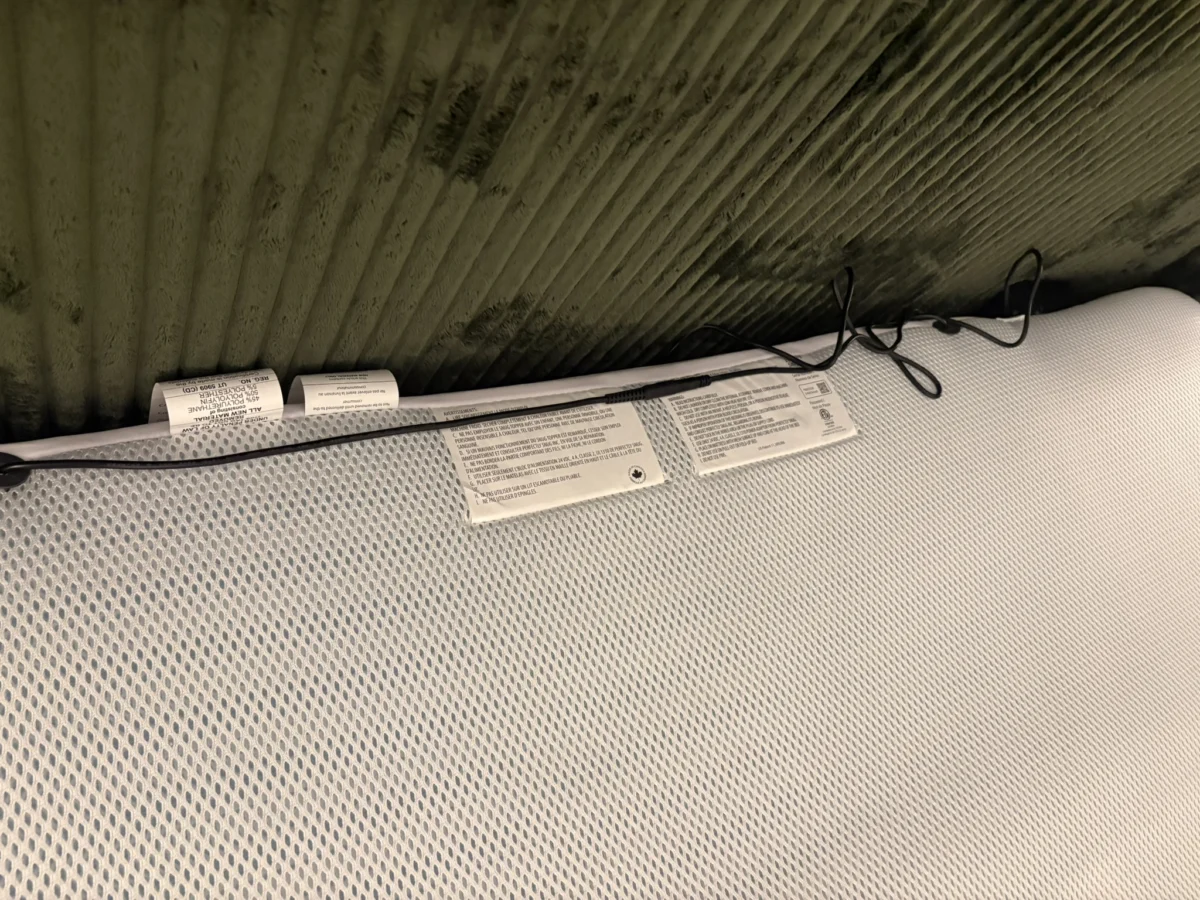
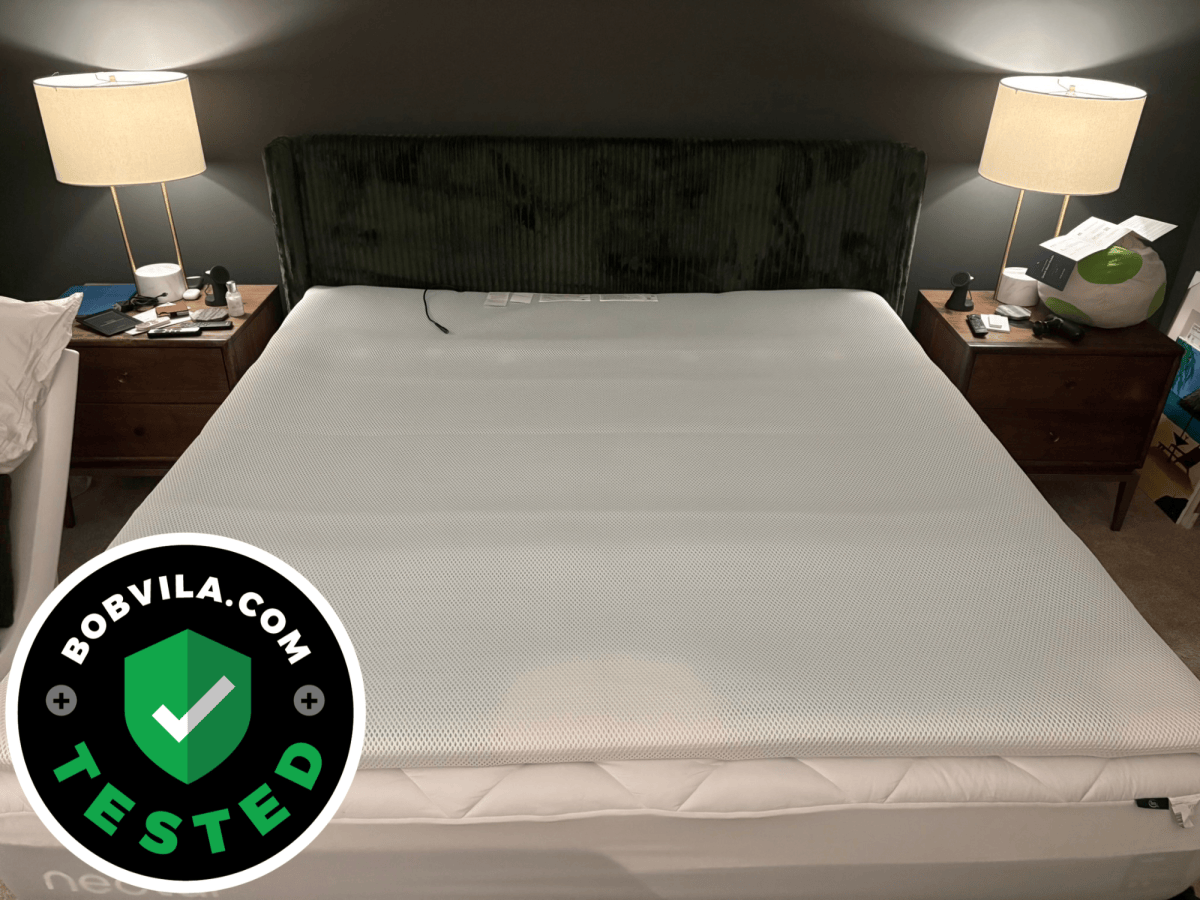
The deployment of the Smart Topper is designed for consumer ease, following a standard "bed-in-a-box" delivery model. Upon unboxing the vacuum-sealed unit, the topper is laid over an existing mattress and secured beneath a standard fitted sheet. The hardware configuration includes a substantial power supply unit and a series of cables that emerge from the head of the topper.
While the installation is straightforward, the physical design presents several logistical considerations. The power supply, while easily concealed behind a headboard, remains a bulky component of the system. Additionally, the cable management system requires the user to account for wires at the head of the bed, which may interfere with sleepers who frequently adjust their pillows or extend their arms overhead. The topper itself possesses a unique tactile profile—initially appearing firm due to the internal mesh, yet providing sufficient pressure relief to maintain ergonomic comfort throughout the night.
Performance Metrics and Environmental Testing
The primary value proposition of the Perfectly Snug Smart Topper lies in its cooling performance, particularly in challenging climates. During a 60-day evaluation in the high-humidity, high-temperature environment of a Florida summer, the device maintained consistent thermal regulation.
Testing data indicates that even at a moderate setting (Level 3 out of 10), the airflow is sufficient to create a perceptible cooling effect. However, the performance is intrinsically linked to acoustic output. As the fan speed increases to meet higher cooling demands, the decibel level rises accordingly. Observations noted that settings above Level 5 generated a noise profile that may be disruptive to light sleepers. To mitigate this, testers utilized the system’s integrated scheduling feature via the companion mobile application. By pre-cooling the mattress at a high setting for 60 minutes prior to occupancy and then reducing the fan speed to Level 3 for the duration of the sleep cycle, users can achieve an optimal balance between thermal comfort and acoustic tranquility.
The Sleep Technology Market Context
The emergence of products like the Perfectly Snug Smart Topper reflects a broader trend in the global sleep economy, which is projected to reach a valuation of approximately $585 billion by 2024. As consumers increasingly view sleep as a metric of productivity and longevity, the demand for "active" bedding has surged.
The Smart Topper competes in a niche market alongside water-based cooling systems, such as the Eight Sleep Pod and the ChiliPad. While water-based systems are often praised for their extreme cooling capabilities, they require the maintenance of a reservoir and carry a risk of leaks. In contrast, the Perfectly Snug system relies entirely on air, offering a lower-maintenance alternative that avoids the complexities of fluid dynamics while still providing dual-zone temperature control.
Software Integration and User Interface
Control of the Smart Topper is facilitated through a dedicated smartphone application and a basic physical control panel mounted on the side of the unit. The application allows users to set schedules, adjust individual temperature levels for both the left and right zones, and toggle between cooling and heating modes.
Despite the sophisticated hardware, the software experience remains an area for potential improvement. Current evaluations describe the app interface as utilitarian and somewhat dated, lacking the polished user experience (UX) typical of other luxury smart-home ecosystems. While functional, the software’s aesthetic and navigation do not yet align with the premium $2,395 price point. Furthermore, the physical control panels, while convenient for manual adjustments, are perceived as basic in their construction and appearance.
Critical Analysis of Design Limitations
While the core technology of the Smart Topper is robust, certain design elements suggest a need for further iteration. A notable observation during the testing period involved the placement of the fans at the foot of the topper. Users occasionally made physical contact with these fan housings, which can result in a momentary mechanical buzzing sound if the fan’s rotation is impeded.
Furthermore, the "industrial" feel of the power components and the visible cables may detract from the bedroom’s aesthetic for design-conscious consumers. For a product marketed as a luxury upgrade, the integration of these components into a more seamless, hidden architecture would likely enhance its market appeal.
Broader Implications for Health and Wellness
The health implications of temperature-regulated sleep are supported by significant chronobiological research. The human body’s circadian rhythm is closely tied to core temperature; a natural drop in body temperature is a prerequisite for the onset of deep sleep and REM cycles. By preventing the "heat soak" common in traditional mattresses, the Perfectly Snug Smart Topper potentially assists in maintaining a lower core temperature, thereby reducing sleep fragmentation and improving overall sleep efficiency.
For individuals suffering from night sweats, menopause-related hot flashes, or general thermal sensitivity, the ability to precisely control the sleep surface temperature is more than a luxury—it is a functional necessity for health maintenance.
Chronology of Product Evolution
The development of the Perfectly Snug Smart Topper follows several years of prototyping and iterative design. The company, founded by engineers seeking to solve the problem of overheating during sleep, has focused on perfecting the airflow-to-noise ratio. The current model represents the latest generation of their technology, featuring improved sensor accuracy and a more durable mesh structure than earlier iterations.
As the company moves forward, the focus is expected to shift toward software refinement and the potential integration of sleep-tracking biometrics, which would allow the topper to automatically adjust its temperature based on the sleeper’s heart rate or respiratory patterns.
Final Assessment of Value
The Perfectly Snug Smart Topper stands as a significant advancement in the field of active sleep surfaces. Its ability to provide consistent, dual-zone cooling in demanding environments justifies its position as a top-tier luxury item for those with specific thermal needs. While the $2,395 investment is substantial, the performance data from the two-month Florida trial suggests that the technology delivers on its core promise of temperature regulation.
However, to truly dominate the luxury sleep-tech market, future iterations will need to address the "analog" feel of the app interface and the external hardware components. Refinement of the fan housing at the foot of the bed and a more sophisticated aesthetic for the control panels would elevate the product from a highly effective utility to a seamless luxury experience. For the current market, it remains a premier choice for "hot sleepers" who are willing to pay a premium for significantly improved sleep hygiene and thermal comfort.