admin
admin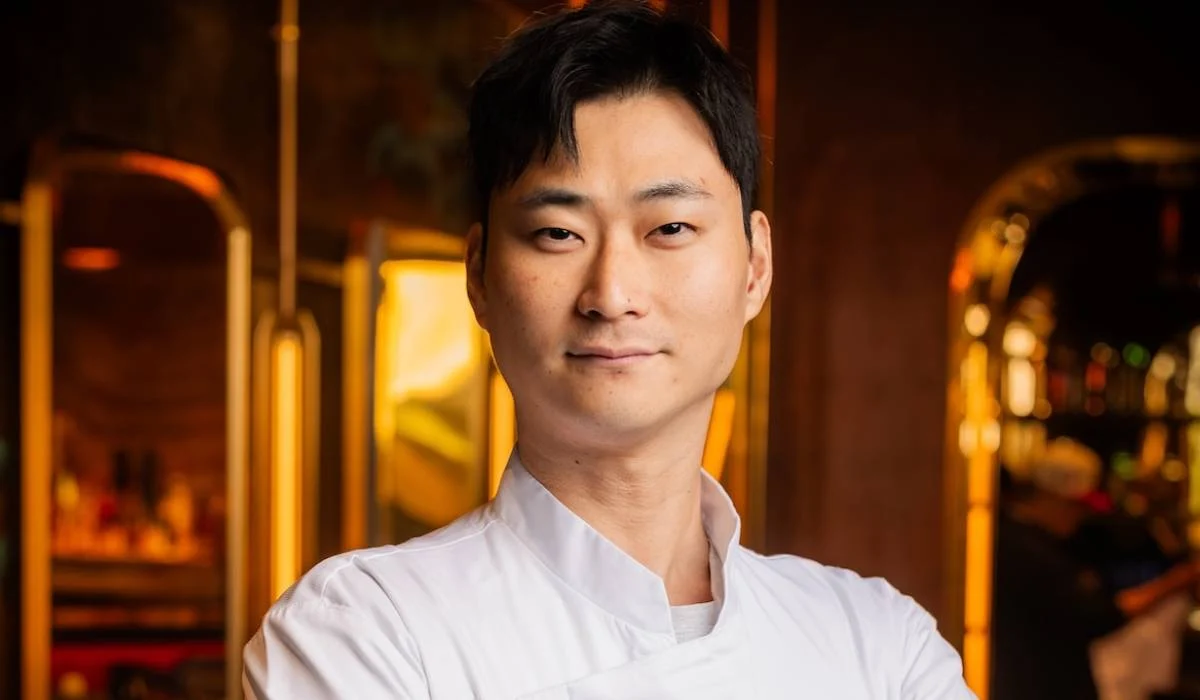
Nuri Steakhouse, the upscale dining destination located in the heart of Uptown Dallas, has officially named Kyungwon Kim as its new Executive Chef, signaling a strategic shift toward a more refined and culturally integrated culinary identity. Chef Kim, a veteran of the highly competitive New York City fine-dining circuit, arrives at Nuri following a prestigious three-year tenure at Daniel, the Michelin-starred flagship of legendary chef Daniel Boulud. His appointment is not merely a change in leadership but the commencement of a new chapter for the restaurant, which seeks to harmonize the robust traditions of the American steakhouse with the nuanced, heritage-driven flavors of Korean cuisine. The transition is marked by the immediate launch of a refreshed menu, providing the first comprehensive look at Kim’s vision for the establishment.
The Professional Path of Executive Chef Kyungwon Kim
The appointment of Kyungwon Kim brings a high level of technical proficiency and creative rigor to the Dallas culinary scene. Born in South Korea, Kim’s career has been defined by a rapid ascent through some of the most demanding kitchens in the United States. Before joining Nuri, he served as the Executive Sous Chef at Daniel in Manhattan. His progression at Daniel—from the line to one of the most senior positions in the kitchen—underscores his mastery of classical French techniques and high-volume fine-dining operations.
Prior to his time at Daniel, Kim was a foundational member of the team at Oiji Mi, a Michelin-starred contemporary Korean restaurant in New York. As a sous chef there, he contributed to a menu that helped redefine Korean food for a global audience, blending traditional ingredients with modern aesthetics. His extensive experience in New York’s Korean dining landscape has equipped him with a unique ability to translate authentic flavors into a format that resonates with international palates. By moving to Dallas, Kim aims to apply this expertise to a new terroir, utilizing the agricultural abundance of Texas to ground his Korean-forward philosophy.
A Vision Rooted in Heritage and Locality
At the core of Kim’s culinary direction is a commitment to "progression through perspective." His approach does not rely on the simple substitution of ingredients but rather on a deep-seated understanding of how Korean flavors can complement and elevate the Texas steakhouse experience. Kim has stated that his goal is to offer guests a window into Korean culture through his own personal history, utilizing flavors that evoke his childhood while embracing the local environment.
A significant portion of Kim’s inspiration is derived from the time he spent with his grandparents in Korea. He often cites the preparation of homemade kimchi—a process involving patience, seasonal awareness, and communal effort—as the bedrock of his culinary identity. This emphasis on "Jeong," a Korean concept of deep affection and hospitality, is what Kim hopes to instill in the Nuri dining experience. He envisions a menu that is less about rigid adherence to tradition and more about preserving the "flavors, memories, and sense of generosity" that defined his early life.
Analysis of the New Menu: Where Seoul Meets the Lone Star State
The debut menu under Chef Kim’s leadership illustrates a sophisticated blending of geographies. Each dish is designed to bridge the gap between the familiar comfort of a steakhouse and the adventurous profiles of Korean gastronomy.
Innovative Appetizers and Seafood
One of the standout additions is the Hamachi & Chamoe Crudo. This dish utilizes the Korean chamoe melon, known for its crisp texture and subtle sweetness, which Kim stuffs with snow crab and cucumber. This is served alongside hamachi, accented by Korean pear, gooseberry, and a kombu-cucumber vinaigrette. The dish represents a departure from standard seafood appetizers, introducing Dallas diners to the specific acidity and fruit profiles common in East Asian coastal cuisine.
Similarly, the Korean Ceviche draws inspiration from "mulhoe," a traditional Korean chilled raw-fish soup. Kim reimagines this as a refined ceviche featuring fluke, a chili vinaigrette, sesame leaf, and seasonal stone fruit. By presenting mulhoe in a ceviche format, Kim makes the dish approachable for a Western audience while maintaining the spicy and refreshing characteristics of the original Korean preparation.
Reimagining Steakhouse Classics
The restaurant’s signature Steak Service remains a focal point but has been enhanced with a clearer Korean lens. Nuri utilizes Texas Akaushi steaks—a breed of Wagyu cattle known for intense marbling and flavor. Kim pairs these premium cuts with house-made steak sauce, ssamjang (a thick, spicy paste made from fermented soy beans and chili), and seasoned salt. This trio of accompaniments is a direct nod to Korean barbecue culture, where the purity of the meat is balanced by fermented and savory condiments.
The Cowboy Crab Cake further bridges the two cultures. While the jumbo lump crab cake is a staple of Gulf Coast and Southern dining, Kim finishes the dish with avocado and serves it alongside roasted Texas sweet peppers stuffed with crab. The addition of charred scallion, Rio Grande Valley citrus, and a house-made romesco crafted with regional peppers introduces layers of smoke and richness that reflect both Texas’s love for the grill and Korea’s affinity for charred aromatics.
Elevated Staples and Sides
The Caviar Service at Nuri has also undergone a transformation. In a bold move, Kim has replaced the traditional buckwheat blinis with "gamja-jeon," or Korean potato pancakes. This substitution adds a crisp, earthy foundation to the caviar, which is further complemented by tamagoyaki (Japanese rolled omelet), finger lime, and citrus zest. Furthermore, the Bibimyeon offers a vegetarian-friendly, refreshing take on Korean cold noodles, utilizing seasonal vegetables, soy, tahini, chili oil, and scallion oil to create a complex, multi-textured dish.
Chronology of Nuri Steakhouse’s Evolution
To understand the significance of Kyungwon Kim’s appointment, it is necessary to look at the timeline of the restaurant’s development:
- Conceptualization (Pre-2023): Owner Wan Kim, who is also the CEO of Smoothie King, envisioned a restaurant that could serve as a cultural bridge. The name "Nuri," meaning "whole world" in Korean, was chosen to reflect this global ambition.
- Opening (2024): Nuri Steakhouse opened in Uptown Dallas, entering a crowded market dominated by traditional power-dining institutions. The initial goal was to provide a high-end steakhouse experience with subtle Korean influences.
- Strategic Pivot (Late 2024): Recognizing the need for a more distinct culinary voice, Wan Kim sought a chef who could bring authentic Korean fine-dining pedigree to the concept.
- Kyungwon Kim’s Appointment (Current): The hiring of Chef Kim marks the start of "Nuri 2.0," where the Korean influence is no longer secondary but central to the restaurant’s identity.
Industry Context and Market Implications
The move to hire a chef of Kim’s caliber reflects broader trends in the American hospitality industry. The "Korean-forward" steakhouse model has seen significant success in other major markets, most notably with the Michelin-starred Cote in New York and Miami. By bringing this level of specialized expertise to Dallas, Nuri is positioning itself to capture a growing demographic of diners who seek "cultural fusion" without sacrificing the luxury and scale of a traditional steakhouse.
Furthermore, the Dallas dining market is currently experiencing a period of intense sophistication. As the city continues to attract corporate headquarters and international residents, the demand for globally-inspired fine dining has surged. Nuri’s investment in a chef from a three-star Michelin background like Daniel suggests a commitment to competing at the highest level of the Texas hospitality sector.
Official Responses and Strategic Vision
Owner Wan Kim has been vocal about how this appointment aligns with the restaurant’s foundational goals. "Nuri was created to bring people and cultures together around the table," he stated. "This next chapter gives that vision a clearer Korean point of view. Chef Kim understands the depth of Korean flavor, the generosity of Korean hospitality, and the standards of a world-class dining experience."
For Wan Kim, the choice of Kyungwon Kim was based on a shared understanding of how food acts as a medium for connection. The owner’s background in global business and the chef’s background in elite kitchens converge in a shared goal: making Nuri a destination that represents the "whole world" through a specific, high-quality lens.
Conclusion: The Broader Impact on Dallas Gastronomy
The arrival of Kyungwon Kim at Nuri Steakhouse is a milestone for the Uptown Dallas culinary landscape. It represents a shift away from "fusion" as a gimmick and toward a more thoughtful, technique-driven integration of heritage and locality. By balancing the bold, beef-centric traditions of Texas with the fermented, acidic, and meticulously prepared flavors of Korea, Kim is carving out a unique space in the market.
As Nuri continues to evolve under Kim’s leadership, it will likely serve as a case study in how international culinary talent can adapt to and enrich regional American food cultures. The success of this new era will depend on the restaurant’s ability to maintain the high standards of a premier steakhouse while pushing the boundaries of what guests expect from Korean cuisine. With a menu that is both deeply personal and professionally rigorous, Nuri Steakhouse is well-positioned to become a defining fixture of modern Texan dining.