admin
admin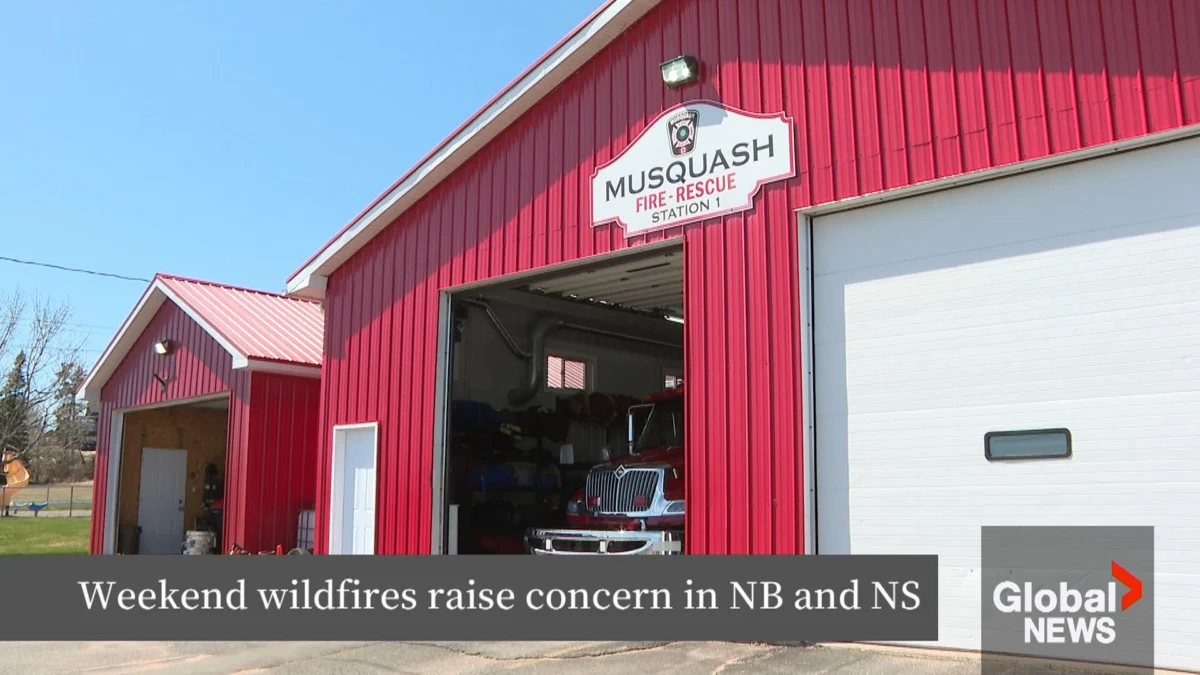
A mandatory evacuation order has been issued for a significant rural area northeast of Halifax, Nova Scotia, as an out-of-control wildfire continues to rage, prompting a coordinated emergency response and raising concerns about the early and intense start to the region’s wildfire season. The blaze, centered near Mooseland, has forced residents from their homes and challenged firefighting crews working against difficult conditions. The incident, first reported on Wednesday, July 15, 2026, has rapidly escalated, underscoring the critical need for vigilance and preparedness across the Maritimes as environmental conditions become increasingly conducive to large-scale fires.
Escalating Threat in Mooseland Prompts Emergency Response
Halifax Regional Fire and Emergency, in conjunction with provincial partners, issued the mandatory evacuation order on Thursday, July 16, 2026, affecting a specific stretch of Mooseland Road and extending south towards Highway 7. This critical measure was enacted to ensure the safety of residents as the wildfire continued its unpredictable spread. Officials from the Halifax Regional Municipality confirmed that the evacuation impacts an estimated 100 to 150 individuals, a significant portion of the sparsely populated community. The fire, which firefighters have been battling relentlessly since its inception, is currently estimated to encompass an area of approximately three square kilometers, or 300 hectares, a size that represents a substantial threat to both residential properties and the surrounding forested landscape.
The decision to pause firefighting operations overnight on Thursday was made due to critical safety concerns for personnel. Low visibility, unpredictable wind shifts, and the inherent dangers of navigating rugged terrain in darkness pose unacceptable risks to the firefighters on the ground. Operations are slated to resume at first light on Friday morning, July 17, 2026, with a renewed focus on containment and protection of structures. This temporary halt, while necessary for safety, highlights the challenging nature of the current blaze and the complex decisions faced by incident commanders.
A Chronology of the Mooseland Wildfire
The Mooseland wildfire’s progression has been swift and concerning, unfolding over several days:

- Wednesday, July 15, 2026 (Day 1 – Initial Ignition and Detection): The exact cause of the fire remains under investigation, but initial reports of smoke and flames began to surface in the Mooseland area, a rural community situated approximately 80 kilometers northeast of downtown Halifax. Local residents were among the first to observe the emerging threat. Halifax Regional Fire and Emergency crews, supported by the Nova Scotia Department of Natural Resources and Renewables (NSDNRR), were dispatched to the scene to assess the situation and initiate initial attack efforts. The fire, fanned by prevailing winds and dry conditions, began to spread through the dense forest.
- Thursday, July 16, 2026 (Day 2 – Escalation and Evacuation): Throughout Thursday, the fire’s intensity increased, leading to a significant expansion of its perimeter. Despite continuous efforts from ground crews and potentially air support (though not explicitly stated in the initial report, it is standard practice for fires of this magnitude), the blaze remained out of control. By mid-day, the threat to human life and property became imminent, leading to the issuance of the mandatory evacuation order for parts of Mooseland Road south to Highway 7. This decision, made by Halifax Regional Fire and Emergency in consultation with the Halifax Regional Municipality, prioritized public safety above all else. Emergency services began coordinating the safe departure of residents, while the estimated size of the fire grew to approximately three square kilometers. As night fell, incident commanders made the difficult but necessary decision to suspend active firefighting operations until daybreak, citing profound safety concerns for the crews operating in challenging conditions.
- Friday, July 17, 2026 (Day 3 – Resumption of Operations and Ongoing Containment Efforts): With the arrival of first light, firefighting crews from both municipal and provincial agencies are expected to resume their intensive efforts. The focus will be on reinforcing existing fire breaks, establishing new containment lines, and deploying water-dropping aircraft if conditions permit and resources are available. The primary objectives will be to prevent further spread towards populated areas and critical infrastructure, and to protect homes within the fire’s proximity. Weather conditions, particularly wind speed and direction, along with humidity levels, will play a crucial role in the day’s operations.
Understanding the Geographic Context and Community Impact
Mooseland is a small, predominantly rural community located within the Halifax Regional Municipality. Characterized by its expansive forests, lakes, and scattered residences, it represents a typical wildland-urban interface area where human dwellings meet natural wilderness. This geographical characteristic makes it particularly vulnerable to wildfires, as fires originating in the forest can quickly threaten homes and infrastructure. Highway 7, a key provincial route, runs south of the affected area, serving as a vital transportation artery for the region. The proximity of the fire to this highway could potentially impact traffic and logistics, although specific closures were not detailed in the initial report.
The mandatory evacuation of 100 to 150 people, while a relatively small number in absolute terms, represents a significant disruption for this close-knit community. Residents are forced to leave their homes, often with little time to gather belongings, facing uncertainty about the fate of their properties. Emergency support services, typically coordinated by the municipality and the Canadian Red Cross, would be activated to provide temporary shelter, food, and emotional support to evacuees. The psychological toll of such an event, including stress, anxiety, and potential displacement, is a profound aspect of wildfire impacts that extends beyond the immediate physical danger.
Intensive Firefighting Operations and Inherent Challenges
The battle against the Mooseland wildfire involves a multi-agency effort, combining the resources and expertise of Halifax Regional Fire and Emergency and the Nova Scotia Department of Natural Resources and Renewables. Municipal firefighters typically focus on structural protection and interface fire management, while provincial crews, often equipped with specialized wildland firefighting gear and techniques, tackle the broader forest fire.
Fighting a fire of this scale presents numerous challenges. The dense Acadian forest, common in Nova Scotia, provides ample fuel, particularly after periods of dry weather. The terrain can be rugged and inaccessible, making it difficult for ground crews to reach the fire front and deploy equipment effectively. Wind is a primary factor influencing fire behavior, dictating its speed, direction, and intensity. Unpredictable wind shifts can cause fires to jump containment lines or change direction rapidly, posing significant risks to firefighters. Furthermore, the smoke produced by large wildfires can severely reduce visibility, both for ground crews and for any air support (helicopters or water bombers) that might be deployed, further complicating operations and contributing to the "safety concerns" cited for the overnight pause. The decision to halt operations at night underscores the paramount importance of firefighter safety, acknowledging the increased risks of fatigue, disorientation, and limited visibility in darkness.
Broader Context: An Alarming Wildfire Season in the Maritimes
The Mooseland wildfire is not an isolated incident but rather a stark reminder of the intensifying wildfire season already underway across the Maritimes. As early as April 27, 2026, concerns about potential wildfire activity were being voiced, as highlighted by a Canadian Press video report titled "Wildfire worries already underway across Maritimes." This early warning indicated that regional authorities were already bracing for a challenging season, likely influenced by a combination of environmental factors.

Nova Scotia, in particular, experienced a devastating wildfire season in 2023, which saw thousands evacuated and significant property damage, including the loss of hundreds of homes in the Halifax area and southwestern parts of the province. That season served as a critical wake-up call, emphasizing the need for enhanced preparedness, rapid response capabilities, and public awareness campaigns. The lessons learned from 2023, including improved inter-agency coordination, updated evacuation protocols, and increased public messaging regarding fire bans and responsible outdoor practices, are now being put to the test in 2026.
Contributing factors to an early or severe wildfire season often include:
- Below-average snowfall or rapid snowmelt: Leading to drier forest floors in early spring.
- Periods of drought or significantly less rainfall: Creating parched conditions that act as fuel.
- Above-average temperatures: Accelerating the drying of vegetation and increasing the risk of ignition.
- Strong winds: Spreading embers and fanning flames, making fires more difficult to control.
- Human activity: The vast majority of wildfires are human-caused, whether accidental (campfires, discarded cigarettes, equipment use) or intentional.
The keywords associated with the earlier video, mentioning "new-brunswick-fire-ban" and "nova-scotia-fire-ban," suggest that preventive measures like burning restrictions have likely been in place or are being considered across the region. These bans are crucial tools for mitigating human-caused ignitions during high-risk periods.
Official Responses and Public Information
Officials from the Halifax Regional Municipality (HRM) and the Nova Scotia Department of Natural Resources and Renewables (NSDNRR) are expected to provide regular updates as the situation evolves. The HRM’s Emergency Management Office (EMO) would be coordinating the broader municipal response, including support for evacuees, public information dissemination, and resource allocation. The NSDNRR, responsible for provincial Crown lands and overall forest fire management, would be leading the strategic firefighting efforts, deploying specialized crews and air assets.
Public communication during such events is paramount. Residents, especially those in surrounding areas, are urged to remain vigilant, monitor official news sources and emergency alerts, and adhere strictly to any fire bans or restrictions. Information on evacuation routes, designated shelters, and support services for evacuees is typically disseminated through official municipal websites, social media channels, and local news outlets. The experience from previous wildfire seasons has highlighted the importance of clear, consistent, and timely communication to prevent panic and ensure public safety.

Broader Implications and Future Preparedness
The Mooseland wildfire, occurring relatively early in what could be a prolonged summer, carries several significant implications. Environmentally, the destruction of forested areas impacts biodiversity, air quality (due to smoke plume), and potentially water sources. Economically, the cost of firefighting operations is substantial, involving personnel, equipment, and air support. Furthermore, potential property losses, disruptions to local businesses, and the long-term costs of recovery and reforestation add to the financial burden.
For the Maritimes region as a whole, this incident serves as a critical stress test for existing wildfire management strategies. It reinforces the need for ongoing investment in firefighting resources, including trained personnel, advanced equipment, and aerial support. Moreover, it underscores the importance of community-level preparedness, including FireSmart programs that encourage homeowners to reduce fuel loads around their properties.
Looking ahead, climate change projections suggest that the Atlantic region may experience warmer, drier summers, potentially leading to more frequent and intense wildfire seasons. This necessitates a long-term, adaptive approach to wildfire management, incorporating scientific research, technological advancements, and public education. The lessons learned from the Mooseland fire, alongside those from previous seasons, will undoubtedly inform future policies and strategies aimed at protecting lives, property, and natural resources from the growing threat of wildfires. The collective efforts of government agencies, emergency services, and the public will be crucial in navigating these challenges in the years to come.