admin
admin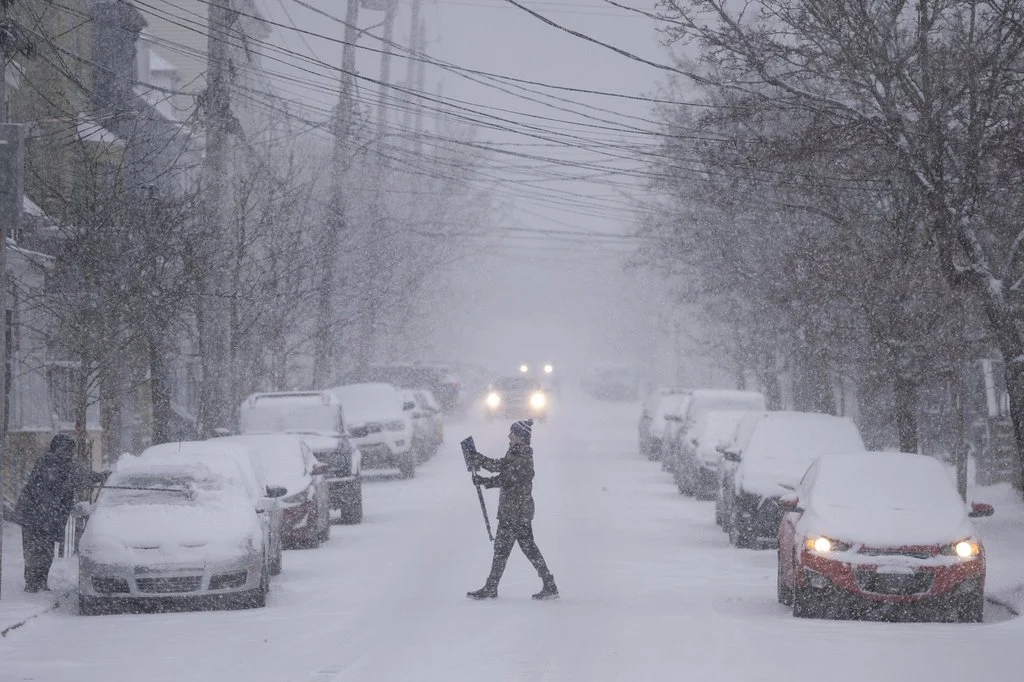
A significant late-season snowstorm has enveloped much of Nova Scotia’s eastern coastline, extending an unexpected day of holiday for thousands of students and causing widespread disruptions to transportation and daily routines. The intense weather system, which began impacting the province on Monday, March 23, 2026, is projected to persist into Tuesday morning, bringing substantial snowfall and hazardous conditions.
Main Facts and Immediate Impact
The storm’s immediate fallout has been most acutely felt in the education sector, with numerous school boards across the eastern half of the province announcing closures or early dismissals. These measures were enacted to ensure the safety of students and staff, preempting the worsening road conditions and reduced visibility brought on by the heavy snow and strong winds. Commuters faced treacherous travel conditions, while essential ferry services connecting Nova Scotia to Newfoundland experienced cancellations, underscoring the broad reach of the weather event.
Environment Canada issued special weather statements for a vast stretch of the province, from Shelburne in the south to the provincial capital of Halifax, and further eastward to Sydney on Cape Breton Island. Forecasters indicated that these areas could anticipate between 10 to 15 centimetres of snow, with coastal regions potentially experiencing even higher accumulations due to localized intensification and ocean effects. The combination of heavy snowfall and robust winds created whiteout conditions in exposed areas, posing significant risks for drivers and pedestrians alike.
Chronology of the Storm’s Progression

The meteorological conditions leading to this late-March snow event began to coalesce over the weekend, with Environment Canada issuing its initial special weather statements late Sunday, advising residents to prepare for a substantial system. By Monday morning, these advisories were solidified, prompting education authorities and transportation providers to make critical decisions.
- Sunday Evening, March 22: Environment Canada’s Maritimes forecast centre began disseminating special weather statements, highlighting the potential for significant snowfall and strong winds across eastern Nova Scotia. The advisory underscored the system’s trajectory, indicating it would track south of the province, drawing moisture from the Atlantic Ocean and intensifying as it moved.
- Monday Morning, March 23: As early Monday dawned, the first flakes began to fall in southwestern Nova Scotia, gradually spreading northeastward. By 6:00 AM AST, multiple Regional Centres for Education (RCEs) and post-secondary institutions, acting on the updated forecasts and emerging conditions, announced full-day closures or early dismissals. This proactive approach aimed to prevent students and staff from being caught in deteriorating travel conditions later in the day.
- Monday Afternoon: The snow intensified markedly throughout the afternoon, particularly along the eastern seaboard. Visibility rapidly diminished in areas experiencing the heaviest precipitation and strongest winds. Municipal snow removal crews were deployed across affected regions, with Halifax Regional Municipality reporting active operations on main thoroughfares.
- Monday Evening into Tuesday Morning: The storm was expected to reach its peak intensity during Monday night, with persistent heavy snow and gusting winds creating near-blizzard conditions in some coastal areas. Environment Canada reiterated its warnings for reduced visibility, cautioning against non-essential travel. The system’s eastward progression meant that the snow would likely continue falling until the early hours of Tuesday, March 24, before tapering off.
Meteorological Context and Historical Perspective
This late-season snowstorm, while disruptive, is not entirely unprecedented for Nova Scotia. The province, situated on the Atlantic coast, is frequently impacted by "Nor’easters" and other low-pressure systems that track up the eastern seaboard, particularly during the winter and early spring months. These systems often draw ample moisture from the relatively warm Atlantic waters, converting it into significant snowfall when cold air is present.
While residents often hope for the arrival of spring by late March, the meteorological reality in Atlantic Canada frequently includes a final push of winter weather. Historically, Nova Scotia has experienced notable snowfalls well into April. For example, records indicate significant snow events in late March and early April in various years, reminding residents that winter’s grip can linger. This particular storm, with its 10-15 cm accumulation, falls within the range of a moderate to significant event for the region, especially considering its late timing in the season. The strong winds accompanying the snowfall are a critical factor, as they contribute to drifting snow, power outages, and dangerously low visibility, amplifying the storm’s impact beyond just accumulation figures. Climate scientists note that while individual weather events cannot be solely attributed to climate change, there is an observed trend towards more intense precipitation events in some regions, which can manifest as heavier snowfalls during colder periods.
Impact on Education and Daily Life
The widespread school closures represented a major disruption for families across several key regions. The Tri-County Regional Centre for Education, serving Yarmouth, Shelburne, and Digby counties; the South Shore Regional Centre for Education, covering Lunenburg and Queens counties; the Strait Regional Centre for Education, encompassing Antigonish, Guysborough, Inverness, and Richmond counties; and the Cape Breton-Victoria Regional Centre for Education, serving most of Cape Breton Island, all announced closures. Furthermore, schools within the Conseil Scolaire Acadien Provincial, which operates French-language schools across the province, also saw cancellations or early dismissals in affected areas.

Beyond K-12 education, Nova Scotia Community College (NSCC) also took precautions, closing its Pictou and Strait Area Campuses for the day. These closures meant thousands of students had an unexpected day at home, creating challenges for working parents who needed to arrange childcare or adjust their work schedules. While providing a measure of safety, such closures also contribute to lost instructional time, though educational institutions often have contingency plans in place for remote learning or make-up days.
For the general public, the storm brought a halt to many non-essential activities. Retail businesses saw reduced foot traffic, and some non-essential services opted for delayed openings or full-day closures. The provincial government and various municipalities urged residents to stay home if possible, to allow snow removal crews to operate efficiently and to minimize the risk of accidents on hazardous roads.
Municipal Operations and Infrastructure Response
Municipalities across the affected zones quickly mobilized their public works departments. In Halifax Regional Municipality (HRM), a comprehensive snow removal operation was initiated. While the city had previously implemented an overnight winter parking ban, HRM officials announced its lifting in both Zone 1 (Central) and Zone 2 (Non-Central) areas for Monday night. This decision, however, came with a caveat: residents were still encouraged to move vehicles where possible, as snow clearing crews remained active in all areas. The municipality reported that main roads were being kept clear and fair, though "detail work" such as clearing residential streets and sidewalks was ongoing and would take time. The lifting of the parking ban despite ongoing operations suggests a strategic decision to balance public convenience with the need for snow removal, perhaps indicating that the primary focus was on maintaining major arteries.
Beyond Halifax, smaller municipalities and the provincial Department of Public Works also deployed resources to clear provincial highways and local roads. The sheer volume of snow combined with high winds meant that plows often had to make multiple passes, and drifting snow could quickly re-cover cleared areas, posing a continuous challenge for maintenance crews.
Transportation Network Disruptions

The most significant inter-provincial impact of the storm was felt by Marine Atlantic, the crown corporation responsible for ferry services between Nova Scotia and Newfoundland. The severe weather prompted the cancellation of several critical crossings, affecting both passenger and commercial traffic.
Specifically, the Monday, March 23, 11:15 PM AST departure from North Sydney, Nova Scotia, to Port aux Basques, Newfoundland, was cancelled, as was the corresponding 11:30 PM NST return trip from Port aux Basques to North Sydney. The disruptions extended into Tuesday, with the 11:45 AM NST trip from Port aux Basques to Sydney and the 12:30 PM AST North Sydney to Port aux Basques ferry also being cancelled. These cancellations have a ripple effect, delaying travel plans for individuals and impacting the flow of goods and supplies to Newfoundland, which relies heavily on the ferry link. Marine Atlantic also issued advisories about potential delays for Tuesday evening’s crossings (the 11:15 PM AST North Sydney to Port aux Basques and the 11:30 PM NST Port aux Basques to North Sydney ferries), underscoring the lingering uncertainty even after the main snowfall subsides. Passengers were advised to monitor Marine Atlantic’s website and social media for the latest updates.
While not explicitly mentioned in the initial reports, significant snowfalls and strong winds can also impact air travel at Halifax Stanfield International Airport (YHZ) and smaller regional airports. Travelers were likely advised to check their flight status before heading to the airport.
Emergency Preparedness and Public Safety
In anticipation of potential widespread power outages due to heavy, wet snow and strong winds, Nova Scotia Power (NSP) likely had crews on standby. Although no major outages were reported immediately, the risk remained high, and residents were reminded to prepare for potential service interruptions by ensuring emergency kits were stocked, cell phones charged, and alternative heating sources (if safe) were available. The provincial Emergency Management Office (EMO) typically issues general safety advice during such events, emphasizing precautions like staying indoors, avoiding unnecessary travel, and checking on vulnerable neighbours.
The Royal Canadian Mounted Police (RCMP) and local police forces urged motorists to exercise extreme caution if travel was unavoidable, recommending reduced speeds, increased following distances, and ensuring vehicles were equipped with proper winter tires. They also advised against attempting to drive through flooded or heavily drifted areas.

Broader Economic and Social Implications
While the immediate economic impact of a single-day snowstorm might seem minor, cumulative disruptions can add up. Businesses that rely on daily foot traffic or timely deliveries experience losses. Supply chains, particularly those reliant on ferry services like the one to Newfoundland, face delays that can impact inventory and fresh produce availability. For tourism-dependent regions, even a late-season storm can dampen enthusiasm for early spring visitors.
Socially, these storms test community resilience. Neighbors often come together to help shovel driveways for the elderly or assist those without suitable vehicles. While inconvenient, such events also serve as a reminder of the importance of community preparedness and cooperation. As the province looks forward to warmer weather, this late-March snowstorm serves as a final, potent reminder of winter’s enduring presence in Atlantic Canada. The focus will now shift to cleanup efforts and assessing any lingering impacts as Nova Scotians prepare for the full arrival of spring.