admin
The American seafood industry is facing a renewed period of volatility as the Alaska Department of Fish and Game (ADF&G) recently announced a significant reduction in the total allowable catch (TAC) for snow crab for the 2026–2027 season. The quota, which serves as a critical benchmark for the North American seafood market, has been slashed by approximately 45 percent, falling from 9.3 million pounds to just 5.1 million pounds. This contraction follows a series of turbulent years for the Bering Sea fisheries, forcing restaurant operators to fundamentally rethink their procurement strategies to maintain profitability without alienating a price-sensitive consumer base.
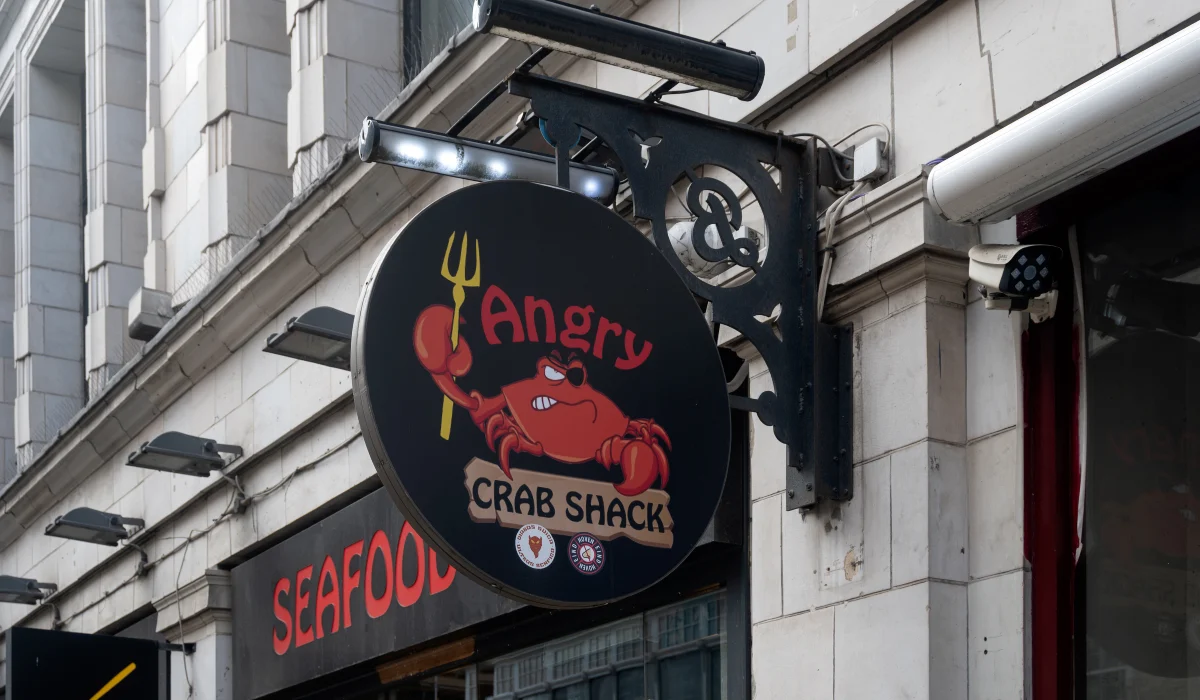
Among the brands navigating this landscape is Angry Crab Shack, a casual-dining franchise with 28 locations across the United States and the United Kingdom. As a concept built around the seafood boil—a menu category where crab is often the centerpiece—the company is particularly exposed to fluctuations in the crustacean market. However, through a combination of international sourcing, species diversification, and long-term purchasing agreements, the brand’s leadership, headed by President and CFO Andy Diamond, is attempting to insulate franchisees and customers from the looming supply shock.
A Chronology of Instability in the Bering Sea
The current supply tightening is not an isolated event but rather the latest chapter in a five-year saga of ecological and regulatory instability in Alaskan waters. To understand the gravity of the 45 percent quota reduction, one must look back to 2021, when the Alaska snow crab population began showing signs of a catastrophic collapse.
In 2022, the situation reached a breaking point when the Bering Sea snow crab fishery was officially designated as "overfished," leading to a historic two-year closure. Scientists attributed the disappearance of billions of crabs to rising ocean temperatures, which spiked the metabolic needs of the species while simultaneously shrinking their habitat. While the fishery eventually reopened, the recovery has been fragile. The 2026–2027 quota reduction signals that the road to a full population rebound is longer and more precarious than industry analysts had initially hoped.
Conversely, the ADF&G report offered a silver lining for other species. Quotas for Tanner crab (specifically the Bairdi variety) and red king crab have seen increases. This divergence in species availability is driving a shift in the "crab hierarchy" on American menus, as operators look to more abundant stocks to fill the void left by the dwindling snow crab supply.
International Sourcing as a Buffer: The Newfoundland Connection
Faced with the unpredictability of Alaskan waters, Angry Crab Shack has pivoted its primary sourcing to the Atlantic coast of Canada. Newfoundland and Labrador operate under a different regulatory framework and a different seasonal calendar than Alaska. While the Alaskan season traditionally begins in October, the Canadian fisheries commence in April.
According to Andy Diamond, this geographical diversification is the cornerstone of the company’s supply chain resilience. In 2026, Canadian fisheries harvested approximately 134 million pounds of snow crab, a massive volume compared to the 5.1 million pounds allowed in Alaska. By securing volume from these high-yield Atlantic fisheries, Angry Crab Shack has been able to lock in pricing and supply through February 2027.
"Though numbers for snow crab look different in Alaska this upcoming season, it’s not entirely unexpected," Diamond noted, highlighting that the company began preparing for these shifts years ago. Even with a minor 3 percent reduction in Canadian quotas for 2025, the sheer scale of the Newfoundland harvest provides a buffer that the domestic Alaskan market currently cannot offer.
Strategic Species Diversification: The Rise of the "Queen Crab"
As snow crab (Opilio) becomes more difficult and expensive to procure, Angry Crab Shack is leaning into the availability of Tanner crab (Bairdi), which they market as "Queen Crab." This move is a textbook example of menu engineering designed to offer consumers a premium experience at a mid-tier price point.
The Bairdi Tanner crab is biologically related to the snow crab but is generally larger and possesses a firmer, sweeter meat profile. From a culinary perspective, it sits between the standard snow crab and the ultra-premium jumbo Alaskan king crab. By promoting the Queen Crab, Angry Crab Shack provides an alternative for customers who want a higher-quality crustacean than Opilio but are unwilling to pay the premium required for king crab legs.
Financially, the strategy is sound: Queen Crab is priced approximately 10 percent higher than snow crab on the Angry Crab Shack menu, yet it remains roughly half the price of king crab. This allows the restaurant to maintain its margins while offering a "value-to-cost" ratio that appeals to the "crab lover" demographic. The tripling of Tanner crab quotas in Alaska further supports this shift, ensuring that even as one species falters, another is available to take its place.
Procurement Power and Franchisee Insulation
One of the primary challenges for multi-unit restaurant brands is ensuring that individual franchisees are not crushed by localized price spikes or supply shortages. In recent years, Angry Crab Shack has centralized its procurement process, moving away from a model where local units had more autonomy over volatile seafood purchases.
Today, the corporate office handles all supplier contacts and bids for shrimp, snow crab, and king crab. By leveraging Master Sales Agreements (MSAs) with major distributors like Sysco, the brand uses its national scale to negotiate favorable terms that a single-unit independent restaurant could never achieve.
"When buying a franchise, you’re simply not purchasing the name, the recipes, and the operational system; you’re buying down your risk," Diamond explained. This centralized approach allows the company to absorb some market volatility at the corporate level. For instance, a recent change in shrimp suppliers resulted in a slight price increase in the Arizona market but a net decrease for franchisees in all other states, demonstrating the complex balancing act required to maintain brand-wide profitability.
Protecting the Consumer: The 18-Month Price Freeze
In an era where "greedflation" and "menu fatigue" are frequent topics of consumer complaint, Angry Crab Shack has taken a counter-cyclical approach to pricing. The brand has managed to keep its seafood boil prices flat for the past 18 months, despite the wild swings in the wholesale crab market.
This stability is achieved through a granular analysis of menu frequency and cost. Instead of a blanket price hike on a high-cost item like crab, the company looks for "under-market" items elsewhere on the menu where a small increase would have a less noticeable impact on the guest but would achieve the same cumulative margin protection.
Furthermore, the brand has introduced aggressive value-driven initiatives to maintain foot traffic. These include:
- The $10 Lunch Special: A half-pound shrimp boil including corn, potato, and a drink.
- The Shrimp and Crab Combo: A $20 lunch offering, representing a 43 percent discount from the standard $35 price point.
These "custom boils" act as a gateway for customers, ensuring that the brand remains an accessible luxury even when the underlying raw material costs are rising.
Broader Economic Impact and the 2027 Outlook
Looking toward 2027, the seafood industry is entering a transformative phase. CFO Andy Diamond projects the seafood market to reach nearly $194 million by 2027, driven in part by unexpected health trends. The rise of GLP-1 medications (such as Ozempic and Wegovy) is shifting consumer demand toward lean, high-protein, and lower-calorie nutrient-dense foods. Seafood is uniquely positioned to benefit from this dietary shift, potentially increasing the baseline demand for crab and shrimp.
However, several external threats remain on the horizon:
- Climate and Weather: Patterns such as El Niño continue to threaten the thermal stability of northern fisheries, potentially leading to further quota cuts in future seasons.
- Trade Policy: Potential shifts in international trade agreements could impact the cost of Canadian imports or the viability of processing seafood overseas.
- Inflationary Pressure: While seafood prices may stabilize, the cost of labor, utilities, and logistics remains a persistent pressure point for restaurant operators.
Diamond remains cautiously optimistic, noting that Angry Crab Shack’s pricing is locked in through the first quarter of 2027. "We remain proactive with our loyal suppliers to stay ahead of the market," he stated. "We might end up paying a little higher price for snow and king crab six months down the road, but it is worth it knowing our franchise partners will not be affected by market conditions that result in price volatility."
Conclusion: The New Normal for Seafood Operators
The 45 percent drop in the Alaska snow crab quota is a stark reminder that the "old normal" of predictable seafood supply is gone. For brands like Angry Crab Shack, survival in this environment requires a departure from traditional restaurant management. It demands a sophisticated understanding of marine biology, global logistics, and psychological menu pricing.
By diversifying species, securing international supply lines, and prioritizing consumer value over short-term margin grabs, the company is attempting to build a "future-proof" model. As 2027 approaches, the success of this strategy will serve as a bellwether for the broader casual-dining industry, proving whether a brand can truly remain "angry" about market conditions while keeping its customers—and its franchisees—satisfied.