admin
admin
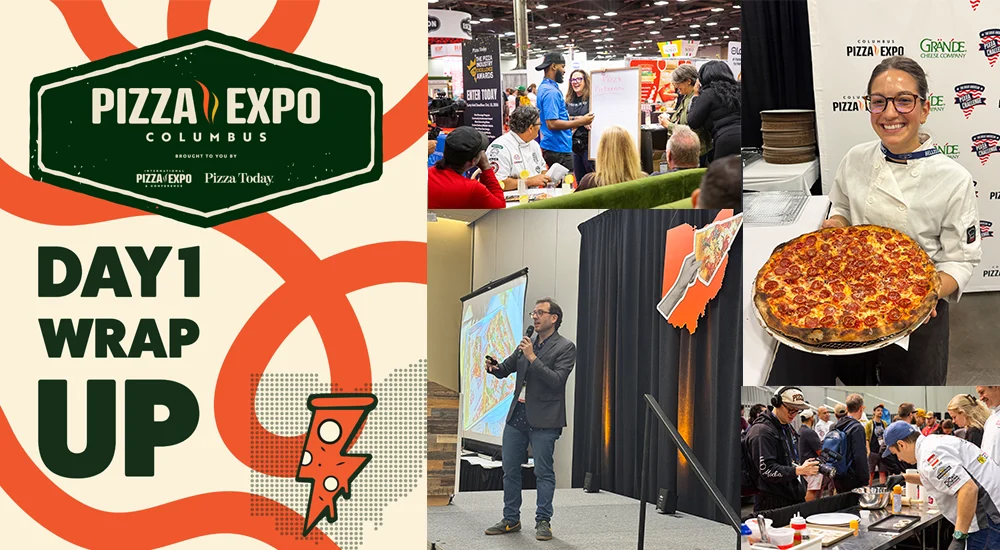
The annual International Pizza Expo, the world’s largest pizza industry trade show, is set to convene in 2026, continuing its legacy as the premier gathering for pizza professionals globally. A cornerstone of this extensive event, the revitalized "Beer & Bull" networking session, promises to serve as an unparalleled platform for operators, makers, and industry legends to converge, exchange insights, and forge lasting connections. This year, the Beer & Bull event, traditionally a post-opening day debrief, has been strategically reinvigorated to foster deeper dialogue and community building among attendees. It moves beyond casual conversation to a structured, yet informal, forum where critical industry issues are openly discussed, lessons are shared, and strategic partnerships are initiated over a cold beverage.
The Enduring Legacy of Pizza Expo and the Evolution of Beer & Bull
For decades, the International Pizza Expo has stood as the definitive event for the global pizza industry, drawing thousands of attendees, hundreds of exhibitors, and countless innovators to a central hub for education, product discovery, and networking. Historically, the expo has been instrumental in shaping trends, introducing groundbreaking technologies, and providing a vital marketplace for suppliers and operators. Its comprehensive agenda typically includes extensive educational seminars, live cooking demonstrations, competitive events like the International Pizza Challenge, and a vast exhibit hall showcasing everything from ovens and ingredients to point-of-sale systems and marketing solutions.
Within this dynamic environment, "Beer & Bull" emerged as an organic, yet essential, gathering. What began as an informal space for operators to unwind and "talk shop" after a demanding day on the show floor has evolved. Recognizing the profound value of peer-to-peer exchange, the organizers have enhanced "Beer & Bull" into a more intentional networking event, designed to facilitate structured conversations around the most pressing challenges and opportunities facing the industry. This reinvigoration underscores a commitment to fostering a vibrant community where direct interaction leads to tangible growth and shared solutions. The 2026 iteration is poised to be a pivotal session, offering attendees a unique opportunity to glean practical advice and strategic perspectives directly from their peers and industry veterans.
To set the stage for these critical discussions, industry professionals who are regular attendees at Pizza Expo were recently engaged in a Q&A session, sharing their perspectives on key topical issues. These insights provide a preview of the rich dialogue expected at the Beer & Bull event, covering areas such as the adoption of Artificial Intelligence, considerations for third-party delivery, effective marketing mediums, and sophisticated menu-engineering strategies.

I. The Rise of Artificial Intelligence in Pizzerias: Innovation and Hesitation
The integration of Artificial Intelligence (AI) tools into small businesses, including pizzerias, represents a significant frontier for operational efficiency and marketing innovation. Operators are exploring AI’s potential, albeit with varying degrees of adoption and a healthy dose of caution.
Current Adoption and Initial Results
For many, the initial foray into AI has been cautious and practical. Patrick and Amanda Elston of Gus Franco’s Pizza in Lower Burrell, Pennsylvania, for instance, have researched AI phone-answering systems but remain hesitant about full implementation, prioritizing the human touch. Their current use of AI is confined to a photo-editor app, which helps streamline social media content creation by handling background removal and color adjustments, thereby freeing up valuable time. Similarly, Louise Joseph of DoughGirls in Greenwich, Connecticut, leverages AI predominantly for engaging Instagram stories, observing a noticeable increase in customer comments and interaction, suggesting AI can enhance brand personality in digital spaces.
Joe Ledwidge of Ranger Joe’s Pizza in Kalispell, Montana, articulates a more strategic vision for AI. He emphasizes that while AI should not replace the authentic "face of a brand," it excels as an "incredible tool when it’s used to elevate what you’re already doing." Ledwidge utilizes tools like Google Flow and ChatGPT to generate backgrounds, concepts, and themed promotional materials for events like the Super Bowl or National Pizza Day. This approach allows for rapid content creation, which is then layered with the brand’s unique design, personality, and, crucially, authentic visuals of the food itself. This marriage of AI-generated elements with real photography, he notes, creates a "powerful creative partner instead of a replacement." David Whiskers of B.C. Pizza in Boyne City, Michigan, also reports positive customer reception to the creativity afforded by AI tools.
Navigating Challenges and Maintaining Authenticity
Despite the clear benefits, pizzeria operators face significant challenges and hesitations regarding AI adoption. A primary concern, echoed by Louise Joseph, is maintaining authenticity. While AI can subtly enhance visuals, there’s a strong desire to avoid "catfishing" customers with unrealistic images. This sentiment highlights a broader industry apprehension about AI potentially diluting the genuine, handcrafted appeal often associated with local pizzerias. Joseph also points to the practical hurdle of finding time to familiarize staff with the rapidly evolving suite of AI tools.
Patrick and Amanda Elston articulate a fundamental concern about customer perception, particularly for their "old-school" shop that relies solely on phone or in-person orders. They worry that customers, both new and old, might be alienated by interacting with a computer instead of a person, underscoring the importance of human connection in their business model. David Whiskers also notes that AI-generated content sometimes fails to meet their specific branding standards, requiring further human intervention.
AI’s Potential for Customer Insights
Beyond marketing and operational efficiency, operators see significant potential for AI in understanding customer behavior. Patrick and Amanda Elston believe AI could revolutionize sales data analysis, optimizing menus and providing deeper insights into customer needs and preferences. Louise Joseph, with a decade of experience, recognizes AI’s capacity for advanced analytics. While her team knows which pizzas sell well in specific locations, AI could "dive deeper," predicting bestsellers and even suggesting tailored specials. David Whiskers concurs, viewing AI as a valuable tool for gleaning information on market trends and purchase habits.
Analysis: The insights from these operators reflect a microcosm of the broader restaurant industry’s cautious yet optimistic embrace of AI. While the fear of dehumanizing customer interaction and compromising brand authenticity remains, the practical applications for marketing, content creation, and data analysis are undeniable. The challenge for pizzerias will be to strategically integrate AI as an augmentative tool that enhances efficiency and creativity without eroding the personal touch and genuine quality that defines their brand. Industry data suggests that the global AI in food and beverage market is projected to grow substantially, indicating that early adopters who navigate these challenges effectively stand to gain a competitive edge in streamlining operations and personalizing customer experiences.
II. The Complex Landscape of Third-Party Delivery: Balancing Convenience and Control
Third-party delivery platforms have fundamentally reshaped the restaurant industry, offering unparalleled customer convenience but introducing a complex array of challenges for operators, particularly regarding costs, brand control, and food quality.
Diverse Approaches to Delivery Services
Pizzerias exhibit diverse strategies when it comes to engaging with third-party delivery. Patrick and Amanda Elston have taken a firm stance against all delivery services, including third-party platforms, opting for a takeaway-only model. While acknowledging potential higher volume from delivery, they prioritize maintaining control over quality and are content with their current business position. John Rae of Via Farina in Omaha, Nebraska, shares a similar "hard stance" against third-party services. His primary concern stems from a lack of control over variables that impact food quality during transit and, critically, the "poor attitude of the vast majority of third-party delivery drivers" in his experience. For Rae, protecting his brand and ensuring a consistent guest experience within his locations outweighs the potential revenue stream from external delivery.
Louise Joseph, operating DoughGirls as a food truck, highlights a unique challenge. While she recognizes the pros of customer convenience and business exposure, the inherent mobility of her operation makes consistent third-party delivery tricky. A customer ordering one week might find the truck significantly further away the next, complicating the logistics and customer experience for location-dependent delivery services. This illustrates how the adaptability of delivery platforms varies greatly depending on a business’s operational model.
Balancing Operational Benefits and Brand Control
Joe Ledwidge provides a nuanced perspective, acknowledging the operational advantages while being acutely aware of the pitfalls. He notes that offloading deliveries to third-party services significantly reduces the need for additional payroll, benefits, insurance, and the inherent risks of on-the-job injuries associated with in-house delivery. This flexibility can be a substantial business advantage, particularly for smaller operations.
However, Ledwidge meticulously details the "clear downsides." Operators cede control over driver interaction, professional representation of the brand, and the condition of the product upon arrival. He points out that some drivers fail to use proper delivery bags, directly compromising food quality. For Ledwidge, brand identity is paramount, and when orders go through third-party services, packaging becomes the primary way to protect and communicate that identity. He emphasizes the critical role of branded pizza boxes, which ensure that even if a third-party driver delivers the order, the customer sees the pizzeria’s name, phone number, and brand front and center, maintaining the crucial connection.
Strategic Relevance in Modern Markets
Despite the complexities, David Whiskers notes that third-party platforms have been instrumental in helping B.C. Pizza "stay relevant in bigger markets." This perspective underscores the reality that in competitive, urban environments, offering delivery through these platforms can be a necessity to meet evolving consumer expectations and capture a broader customer base.
Analysis: The debate around third-party delivery reflects a fundamental tension between convenience, cost, and control. While the global food delivery market continues its rapid expansion, projected to reach hundreds of billions in value, restaurants grapple with commission rates that can significantly erode margins. Operators like Ledwidge who strategically leverage branded packaging demonstrate an astute understanding of mitigating brand dilution, while others like Rae prioritize direct control over the entire customer journey. The decision to adopt or reject third-party delivery is no longer a simple one but a strategic calculus involving market demands, brand philosophy, and operational capacity, with the "Beer & Bull" discussions likely offering further insights into best practices for navigating this evolving landscape.
III. Evolving Marketing Strategies in the Digital Age: Engagement and Authenticity
In an increasingly digital world, pizzerias are refining their marketing strategies to effectively reach customers, measure impact, and cultivate strong community ties. The shift towards online engagement requires both analytical rigor and a keen understanding of local dynamics.

Measuring Success Beyond Metrics
Measuring the success of marketing efforts often involves a blend of quantitative data and qualitative feedback. Patrick and Amanda Elston, operating on a primarily social media and live stream marketing model, gauge success through direct conversations with customers. Increased sales for featured items and customer mentions of specific social media posts serve as their primary indicators.
Louise Joseph employs a more data-driven approach, comparing sales history from events and utilizing her POS system’s analytics to track new versus returning customers. As a mobile business, she also meticulously records weather history, recognizing its significant impact on sales.
Joe Ledwidge leverages a hybrid approach. For email and SMS campaigns, Toast’s analytics hub provides detailed metrics on open rates, delivery, and, crucially, total revenue generated and customer order frequency post-campaign. This allows for a clear, performance-based summary. For social media platforms like Instagram and Facebook, Ledwidge emphasizes engagement—likes, comments, and direct interactions. He actively responds to comments, reinforcing the brand’s presence and fostering a sense of shared "adventure" with his customers.
David Whiskers focuses on specific digital metrics such as menu view clicks and redemption rates, indicating a focus on conversion-oriented performance.
Embracing New Digital Mediums
The exploration of newer marketing mediums, particularly influencer partnerships and platforms like TikTok, is gaining traction. Patrick and Amanda Elston have experienced organic success with food influencers visiting their shop, resulting in positive exposure and a significant influx of first-time customers, sometimes months after the initial post. This suggests that authentic, unpaid endorsements can yield substantial, long-term benefits. Louise Joseph has also seen some positive, though not dramatic, results from influencer collaborations. She recounts an anecdote where an influencer struggled with the heat of a "Day on the Truck" experience, highlighting the realities behind seemingly glamorous online content. David Whiskers reports positive outcomes from these new mediums, including "Lots of views and shares," indicative of strong reach and engagement.
Cultivating Local Community Engagement
Despite the digital shift, tailoring marketing strategies to appeal to the local community remains paramount for many pizzerias. Patrick and Amanda Elston exemplify this by actively sponsoring local teams, fundraisers, and events. They also humanize their brand by highlighting employees and engaging in conversations about the neighborhood, striving to be deeply embedded in their community.

Louise Joseph frequently partners with other local businesses, ensuring mutual promotion at events. She also includes repeat customers in her content, acknowledging their vital role in the business’s success. Joe Ledwidge’s strategy is entirely community-centric, infusing all messaging and visuals with a strong "Montana vibe" and a sense of "adventure" that resonates with his local clientele. David Whiskers adapts his approach based on market size: mail marketing and radio ads for smaller communities, and a greater focus on social media for larger ones, demonstrating a strategic understanding of media consumption patterns across different demographics.
Analysis: The contemporary marketing landscape for pizzerias is characterized by a blend of traditional community engagement and sophisticated digital strategies. The data supports the effectiveness of targeted social media marketing, with platforms like Instagram and TikTok offering unprecedented reach and opportunities for viral content. However, the insights from these operators underscore that true success lies not just in metrics, but in authentic engagement, brand storytelling, and a deep connection to the local community. The "Beer & Bull" sessions at Pizza Expo 2026 will undoubtedly provide a rich forum for sharing successful strategies in balancing these diverse marketing imperatives.
IV. Strategic Menu Engineering for Profitability and Demand: Adapting to Tastes and Economics
Menu engineering, the strategic process of analyzing and optimizing a menu to maximize profitability and customer satisfaction, is a continuous endeavor for pizzerias. This involves responding to customer demand, managing ingredient costs, and refining offerings to streamline operations.
Innovating with "Fan Favorites" and Seasonal Offerings
Operators frequently adjust their menus to meet evolving tastes and financial goals. Patrick and Amanda Elston recently introduced a "Fan Favorites" section to their menu, formalizing two past specials that had garnered persistent demand. This strategic move, driven by direct customer feedback, has resulted in these items becoming some of their best-selling pizzas, demonstrating the power of listening to one’s customer base and integrating popular, proven offerings.
John Rae of Via Farina adopts a more dynamic approach, making menu changes three to four times a year. While some changes are seasonal, others aim to "freshen up" the offerings. After solidifying their brand during the pandemic, Via Farina built a "hit list" menu where most core items remain constant. Innovation largely comes through weekend specials, which might feature seasonal ingredients, promotional items from vendors, or new culinary experiments. Crucially, successful specials often transition to permanent menu items, based on strong customer response. Rae also emphasizes the importance of real-time cost of goods data combined with sales percentages in making informed menu decisions, ensuring that new additions or changes contribute positively to profitability.

Streamlining for Efficiency and Customer Satisfaction
Louise Joseph’s experience with DoughGirls, a food truck, highlights the importance of menu streamlining, particularly in dynamic operational environments. She has learned to tailor her menu according to the event location, understanding that different demographics or event types might favor certain pizzas. Joseph notes that while customers appreciate options, "too many options cause indecisiveness, which creates longer wait times." For a mobile business, efficiency is paramount, and a simplified menu is a "win for everyone," reducing wait times and improving the overall customer experience, directly impacting the bottom line.
Analysis: Menu engineering is a critical discipline for pizzerias, directly influencing both customer satisfaction and financial viability. The insights from these operators underscore the importance of data-driven decisions, customer feedback loops, and an agile approach to menu development. Principles of menu engineering, which categorize items by popularity and profitability, guide these decisions, ensuring that every item on the menu earns its place. The ability to adapt to seasonal ingredients, capitalize on "fan favorites," and streamline offerings for operational efficiency are key factors in maintaining competitiveness and profitability in a constantly evolving food service market. The discussions at Pizza Expo 2026’s Beer & Bull are expected to delve deeper into these strategies, offering practical blueprints for operators looking to optimize their culinary offerings.
The discussions previewed by these industry professionals offer a compelling glimpse into the strategic thinking that will define success in the pizza industry for 2026 and beyond. From the cautious yet innovative adoption of AI to the nuanced navigation of third-party delivery and the dynamic evolution of marketing and menu engineering, these operators demonstrate a forward-thinking approach to their businesses. The revitalized Beer & Bull event at Pizza Expo 2026 is specifically designed to facilitate these crucial conversations, providing a unique environment for peer-to-peer learning, mentorship, and collaboration. It is an essential opportunity for every pizza professional to gain actionable insights, share their own experiences, and connect with a community dedicated to the growth and excellence of the industry.
TO PARTICIPATE IN BEER & BULL, REGISTER FOR PIZZA EXPO 2026 TODAY!