admin
The Landmark Mandarin Oriental, situated in the heart of Hong Kong’s bustling Central district, has unveiled a comprehensive redesign of its interiors, marking the second time Joyce Wang Studio has reimagined the property in just over a decade. This latest transformation encompasses all 109 guestrooms and suites, the mansion foyer, the hotel’s renowned spa, and the space formerly known as the MO Bar. The renovation signals a strategic shift in the hotel’s aesthetic identity, moving away from a purely contemporary international luxury feel toward a deeply rooted, heritage-driven narrative that celebrates the unique cultural and architectural history of Hong Kong.
The project represents a rare continuity in the world of high-end hospitality design, where hotel groups often rotate designers to provide fresh perspectives. By returning to Joyce Wang Studio, The Landmark Mandarin Oriental has opted for an evolutionary approach, allowing the original designer to refine and deepen the property’s "sense of place." The new brief placed a significantly greater emphasis on the hotel’s connection to its local environment, seeking to ground the guest experience in the textures and stories of the city’s past while maintaining the high standards of modern luxury expected by the Mandarin Oriental clientele.
The Design Philosophy: A Lived-In Mansion in Central
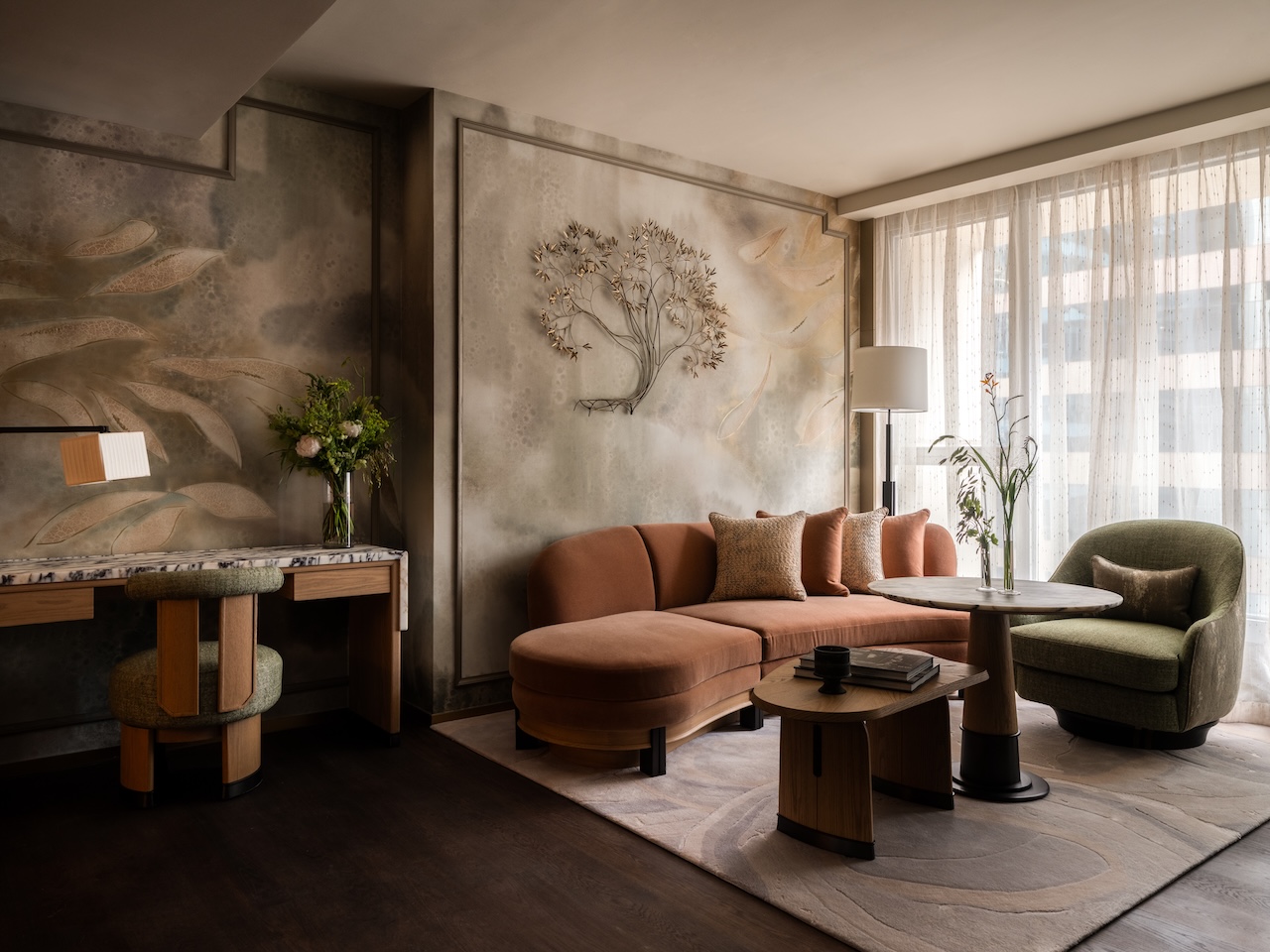
At the core of the redesign is the concept of a "lived-in mansion," a motif that draws directly from the historical residential typologies found in Hong Kong. Joyce Wang, principal of the eponymous studio, noted that the vision was inspired by the colonial country manors frequented by the "Tai Kwuns"—a term historically referring to high-ranking officials or the gentry of a bygone era. These historic homes, characterized by their blend of Eastern and Western architectural influences, provided a template for creating an atmosphere that feels both grand and personal.
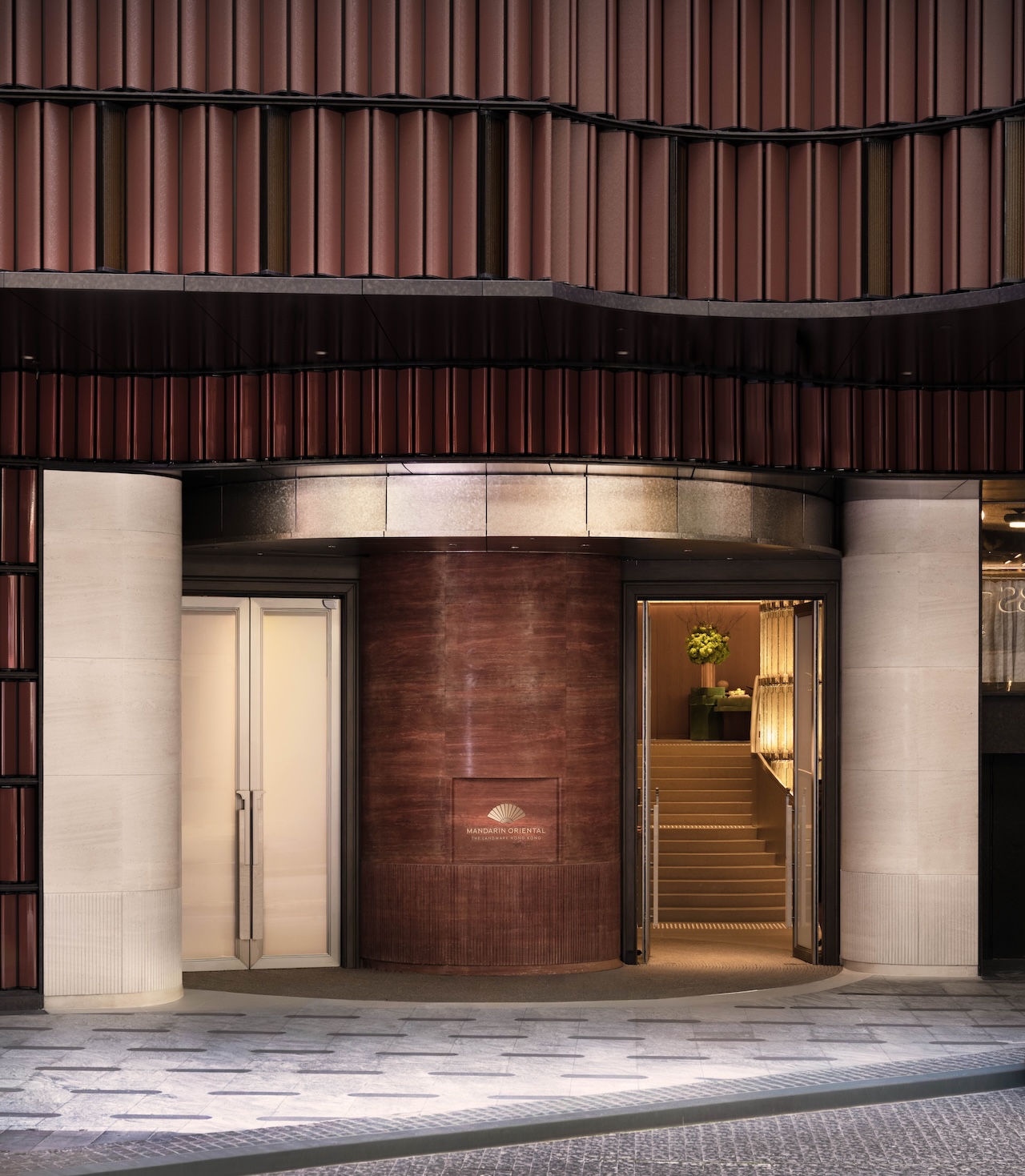
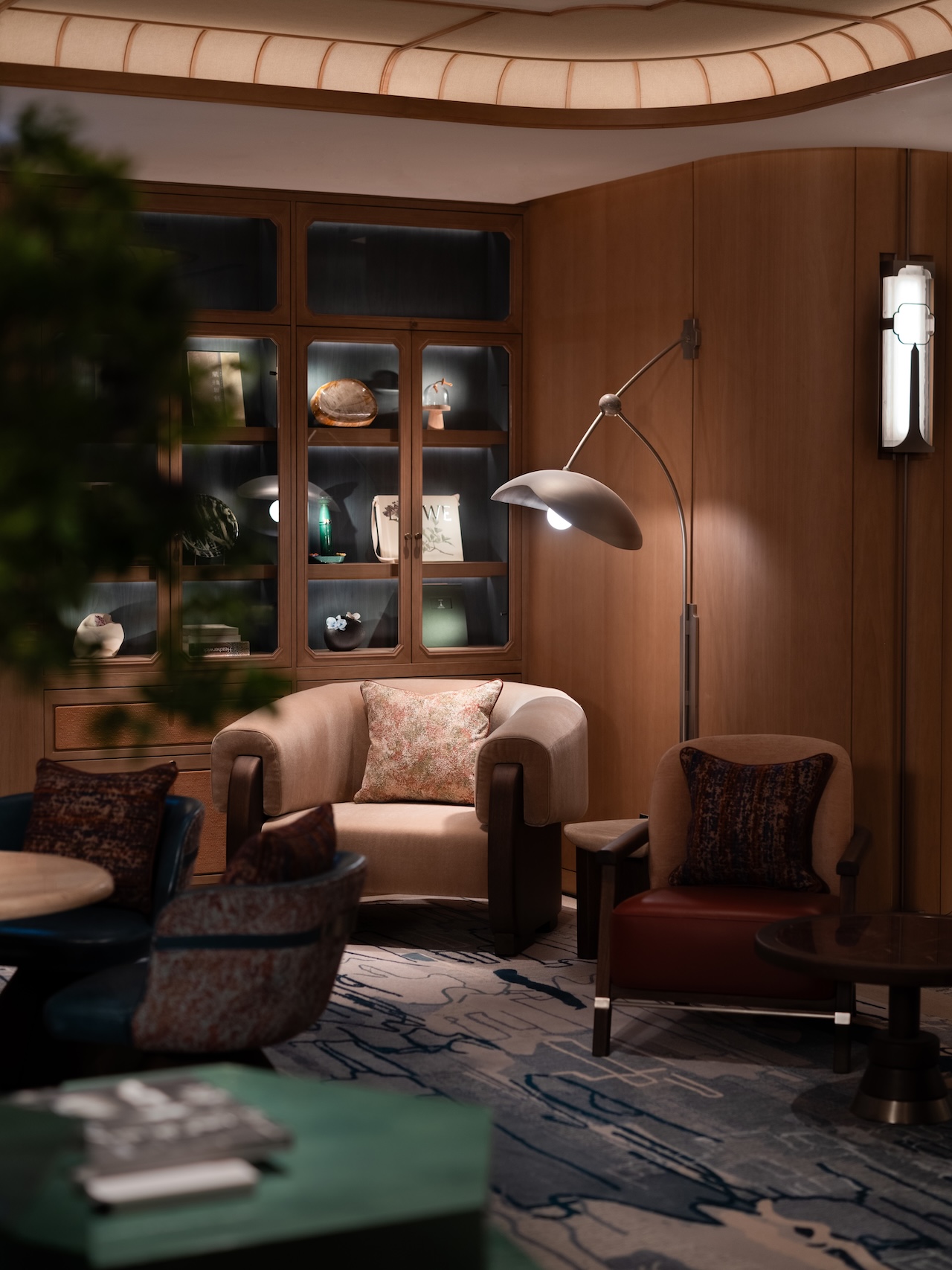
The color palette of the renovation is anchored by deep greens and vibrant oranges. These choices are not merely aesthetic but are functional references to the local landscape: the lush, subtropical gardens that punctuate Hong Kong’s dense urban fabric and the terracotta tones prevalent in its colonial-era architecture. By integrating these hues, the studio has created a visual bridge between the hotel’s interior and the external environment of the city.
Public Spaces and the Arrival Sequence
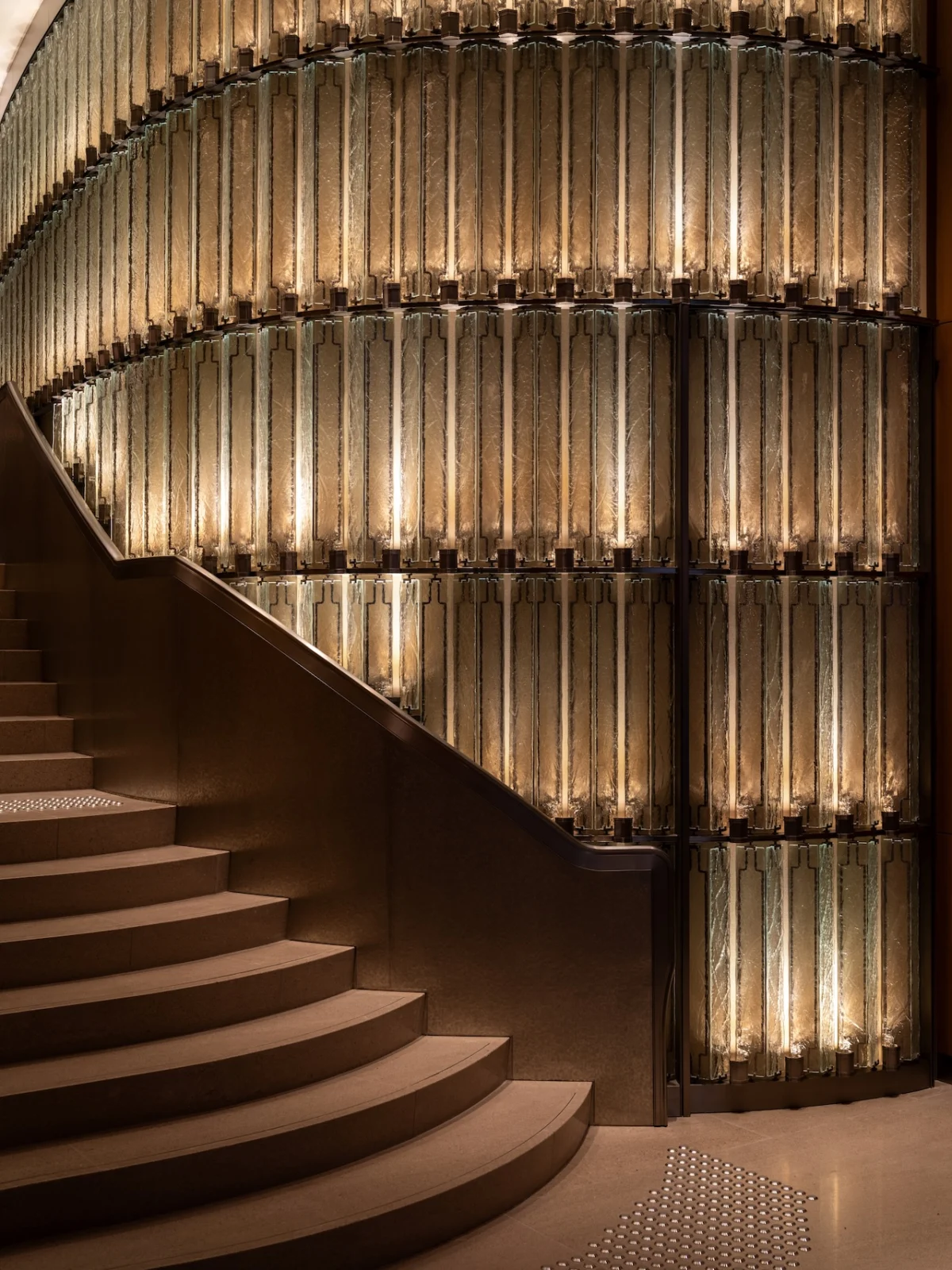
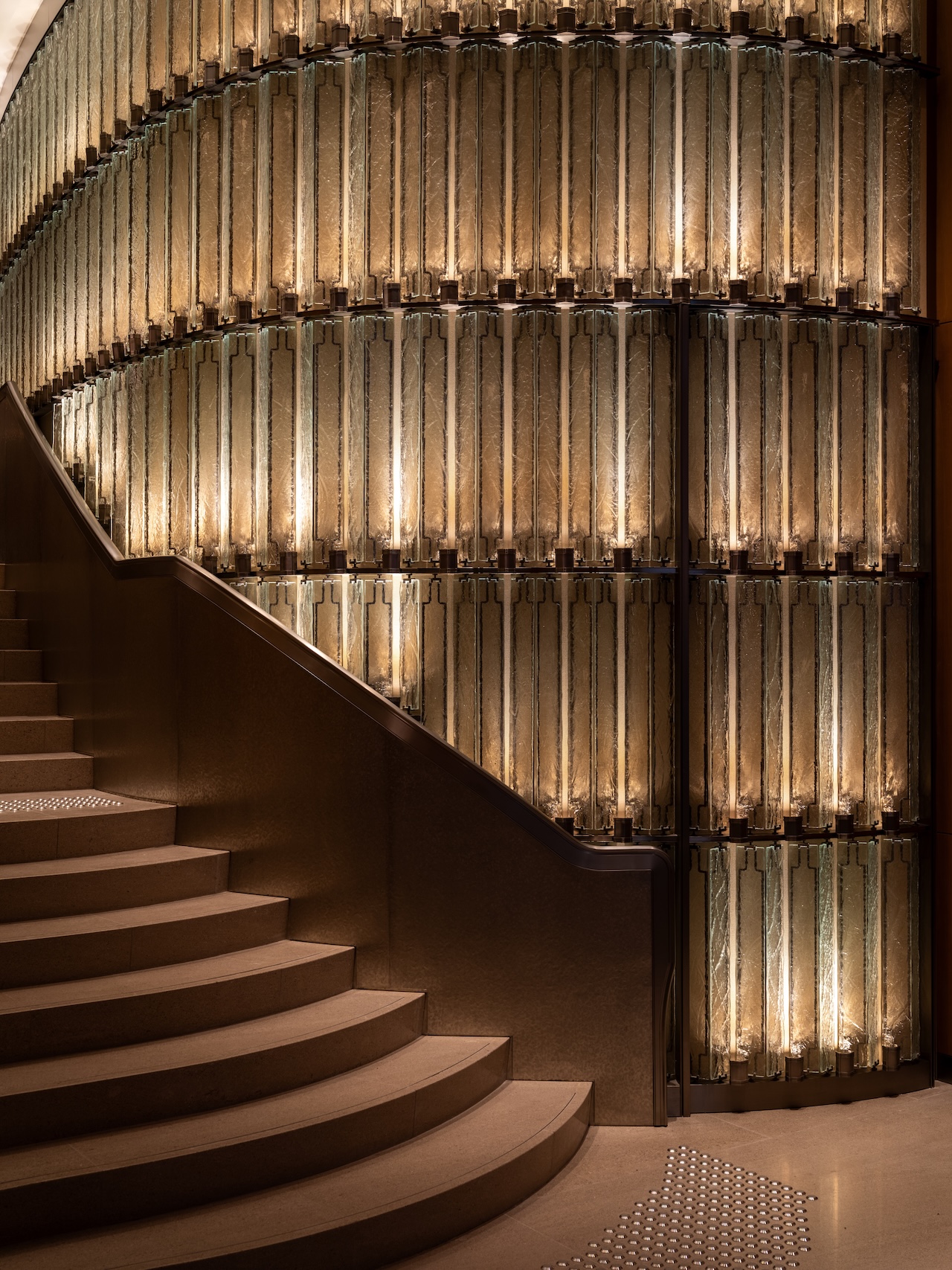
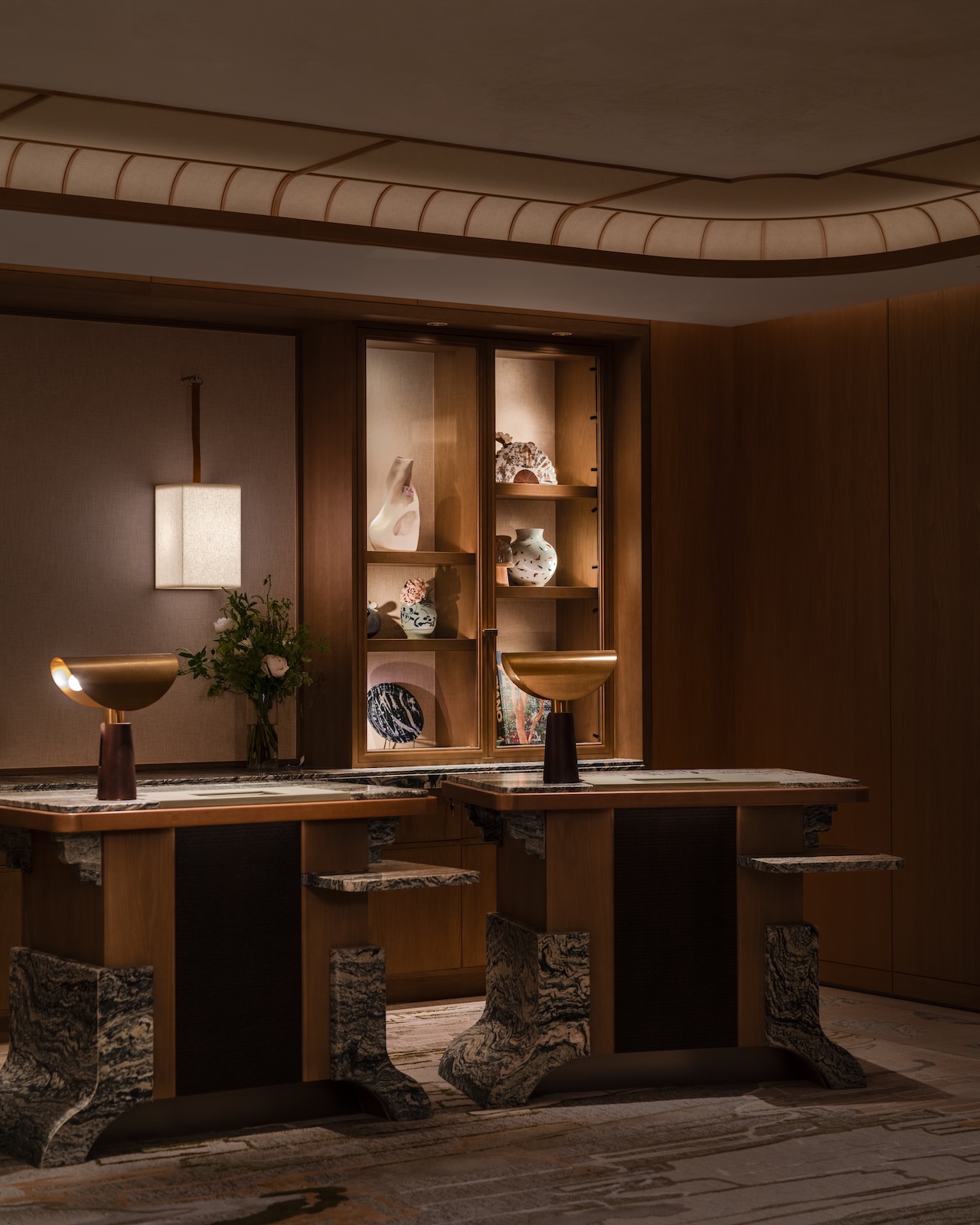
The redesign of the public spaces, particularly the mansion foyer and the arrival sequence, utilizes classic architectural gestures reimagined through a contemporary lens. Guests are greeted by an undulating staircase that serves as a sculptural centerpiece, guiding them through a series of spaces modeled after the flow of a grand private residence. The use of materials in these areas is diverse and highly tactile, featuring a combination of natural stone, timber, and textured wallcoverings.
A standout feature of the lobby and public areas is the extensive use of custom eglomisé glass—a technique of back-painting or gilding glass to create a reflective, layered effect. This material adds a sense of depth and luminosity to the space, complementing the sculptural plinths and artwork bays that display a curated selection of pieces. The former MO Bar has also been integrated into this new design language, ensuring a cohesive transition between the hotel’s social hubs and its private quarters.
The Guest Experience: Reimagining 109 Rooms and Suites
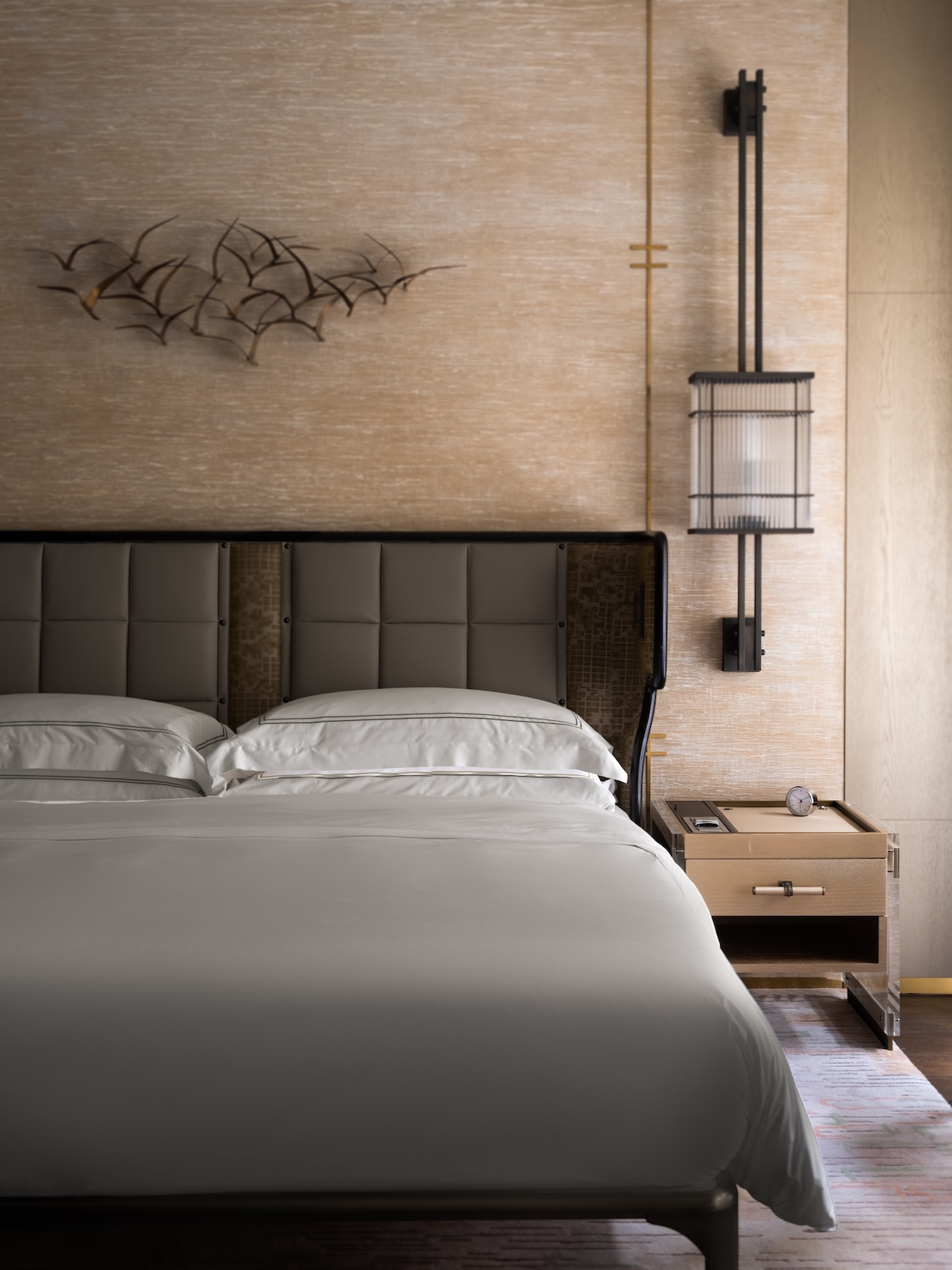
The 109 guestrooms and suites serve as the most intimate expression of the "pied-à-terre" concept. To achieve a balance between luxury and comfort, Joyce Wang Studio introduced lightened timber floors and cracked gesso wall finishes, providing a neutral but textured backdrop for more intricate design elements. One of the most significant additions is the use of Fromental wallcoverings, which incorporate hand-painted details and silk elements, reinforcing the artisanal quality of the renovation.
The city’s skyline is a recurring motif throughout the guestrooms and corridors. The studio created custom artworks depicting the Hong Kong silhouette, which were then translated into various media, including carpets, tapestries, and eglomisé glass panels in the elevators. In the rooms themselves, custom rugs feature patterns derived from Hong Kong’s historic brickwork, further anchoring the design in the city’s physical history. These details are intended to remind guests of their location within one of the world’s most iconic urban environments, even while they are ensconced in a private sanctuary.
A Rigorous Art Program and Curated Objects
Art plays a foundational role in the new design, with Joyce Wang describing the program as "rigorous," with a specific story behind every selected piece. The collection is a mix of works by emerging and established artists, spanning both local Hong Kong talent and international contributors. This diversity reflects Hong Kong’s status as a global art hub and its unique position as a meeting point for Eastern and Western creative traditions.
Beyond traditional wall art, the hotel features an array of sculptural vases, artisanal vessels, and decorative objects. These items were selected to appear as if they were "gathered over time" by a private collector, avoiding the sterile, uniform feel often found in large-scale luxury hotels. This approach supports the "lived-in" narrative, making the guestrooms feel like sophisticated private apartments rather than transient commercial spaces.
Chronology and Context of The Landmark Mandarin Oriental
The Landmark Mandarin Oriental first opened its doors in 2005 as a boutique alternative to the group’s flagship property, the Mandarin Oriental, Hong Kong. Located within the Landmark commercial complex, it quickly became a favorite for business travelers and high-end tourists due to its central location and intimate scale.
The first major renovation by Joyce Wang Studio occurred roughly a decade after the opening, setting a new standard for contemporary luxury in the city. However, the hospitality landscape in Hong Kong has shifted dramatically in the years since. The rise of "ultra-luxury" competitors such as the Rosewood Hong Kong and the St. Regis, along with the renovation of the iconic Regent Hong Kong, has intensified the pressure on established properties to innovate. This second renovation by Joyce Wang Studio is a direct response to this evolving market, emphasizing heritage and bespoke craftsmanship over generic opulence.
Supporting Data: Hong Kong’s Luxury Hospitality Recovery
The timing of the renovation coincides with a broader recovery in Hong Kong’s tourism and hospitality sectors. According to data from the Hong Kong Tourism Board (HKTB), visitor arrivals have seen a steady increase following the full reopening of borders in early 2023. In the first half of 2024, the city saw a significant uptick in high-spending overnight visitors, particularly from mainland China and Southeast Asia.
Luxury hotels in the Central and Admiralty districts have reported higher occupancy rates, with a growing demand for "experiential luxury"—a trend where travelers prioritize unique design and cultural immersion over standard amenities. The decision by Mandarin Oriental Hotel Group to reinvest in The Landmark property reflects confidence in the city’s long-term status as a premier global destination.
Official Responses and Industry Implications
While official statements from the Mandarin Oriental Hotel Group have focused on the aesthetic and guest-experience improvements, industry analysts view the renovation as a strategic move to maintain market share in a highly competitive environment. "The Landmark has always been a ‘fashion-forward’ hotel," noted one hospitality consultant. "By doubling down on a local, heritage-inspired design, they are appealing to a more sophisticated traveler who values authenticity and storytelling."
Joyce Wang’s second intervention at the property also highlights a growing trend in the design industry: the move toward "hyper-localism." Designers are increasingly tasked with creating spaces that could only exist in one specific city. By using materials like terracotta and motifs like local brickwork, the studio has ensured that The Landmark Mandarin Oriental remains distinct from its sister properties in London, New York, or Tokyo.
Broader Impact on the Mandarin Oriental Portfolio
The success of the renovation at The Landmark is likely to influence future projects within the Mandarin Oriental portfolio. The group has been increasingly active in renovating its historic properties, such as the Mandarin Oriental Ritz in Madrid and the Mandarin Oriental Bosphorus in Istanbul, each with a heavy emphasis on local culture.
As the hospitality industry moves further into the mid-2020s, the focus is shifting toward sustainability and the longevity of design. By opting for a renovation that celebrates historic homes and uses high-quality, artisanal materials, The Landmark Mandarin Oriental is positioning itself as a timeless asset. The project demonstrates that luxury is no longer just about the newest technology or the most expensive materials, but about the depth of the narrative and the quality of the connection between the guest and the destination.
The completion of this second renovation ensures that The Landmark Mandarin Oriental remains at the forefront of Hong Kong’s luxury offering, providing a sophisticated, "layered" experience that honors the city’s past while catering to the needs of the modern global traveler. Through the vision of Joyce Wang Studio, the hotel has transitioned from a contemporary landmark into a cultural residence, firmly rooted in the heritage of Hong Kong.