admin
The intersection of Indigenous identity and the Canadian alcohol industry remains one of the most complex socio-economic landscapes in the country. In March 2021, the "Celebrating Sisters" craft beer campaign, spearheaded by a collective known as the Indigenous Brew Crew (IBC), brought these complexities to the forefront of national discourse. Intended to support Indigenous women and celebrate cultural heritage through craft brewing, the initiative instead catalyzed a profound debate regarding the ethics of marketing alcohol within communities still grappling with the generational trauma of colonial liquor policies. This tension reflects a broader struggle for self-determination as Indigenous entrepreneurs seek to reclaim their place in an industry from which they were legally excluded for over a century.
Historical Foundations of Exclusion and the Indian Act
To understand the current friction within the Indigenous brewing sector, one must examine the legislative framework that governed Indigenous life in Canada. The Indian Act of 1876 served as the primary instrument of state control, effectively categorizing Indigenous people as wards of the state. Central to this legislation were strict prohibitions regarding alcohol. For decades, Indigenous people were legally barred from purchasing, possessing, or consuming alcohol. This was not merely a matter of public health but a tool of "cultural genocide," as identified by the 2015 Truth and Reconciliation Commission (TRC).
The prohibition was so absolute that non-alcoholic beer was often colloquially referred to as "Indian Beer," as it was the only fermented beverage Indigenous people could legally obtain. Simultaneously, European settlers utilized alcohol as a predatory tool in trading systems, intentionally fostering dependency to facilitate the acquisition of land and resources. The subsequent establishment of the residential school system and the "Sixties Scoop" created deep psychological wounds. For many, alcohol became a coping mechanism for the trauma of family separation and systemic abuse.
While legislative changes between the 1950s and 1980s eventually granted Indigenous people the same legal rights to alcohol as other Canadians, the social and health-related consequences of century-long exclusion remained. Today, the Indigenous community is divided: some advocate for total prohibition on reserves as a form of harm reduction, while others view the right to brew and sell alcohol as a vital component of economic sovereignty and self-determination.
Chronology of the Celebrating Sisters Campaign and Its Aftermath
The 2021 "Celebrating Sisters" campaign was designed to be a milestone for Indigenous representation in the craft beer sector. The IBC collaborated with various stakeholders, including Anishinaabe artist Chief Lady Bird, who designed a label featuring a blackbird against a woodland backdrop. The project was intended to raise funds and awareness for Indigenous women’s causes.

However, the launch triggered an immediate and polarized response. On social media platforms, the campaign was met with a mixture of praise for its artistry and visibility, and "anguished criticism" from those who viewed the promotion of alcohol as an affront to the families destroyed by addiction. Chief Lady Bird engaged publicly with these critics, facilitating a rare and difficult dialogue about the ethics of Indigenous-themed branding on alcohol products.
By late 2021, the controversy led to the dissolution of the Indigenous Brew Crew. The project’s end marked a period of relative silence on the issue, yet it did not stop the growth of Indigenous-led breweries. Instead, it shifted the focus toward how these businesses could operate with greater sensitivity to historical contexts while still pursuing commercial success.
The Rise of Indigenous-Led Brewing Enterprises
Despite historical barriers, a growing number of Indigenous entrepreneurs are establishing themselves within the Canadian craft beer market, which currently comprises over 1,100 breweries nationwide. These business owners often face a unique set of challenges, ranging from internal community pressure to systemic biases within the broader industry.

Locality Brewing and the Métis Identity
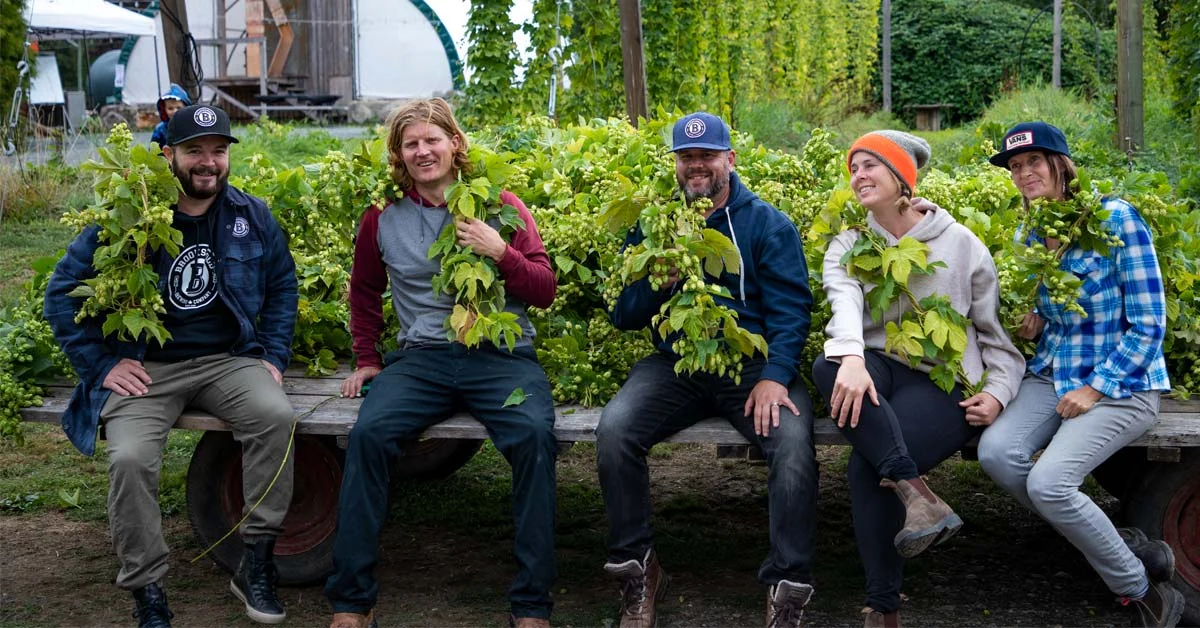
Melanie MacInnes, a Métis woman and co-owner of Locality Brewing in Langley, British Columbia, exemplifies the modern Indigenous entrepreneur’s journey. MacInnes initially hesitated to market her business as Indigenous-led, citing the "visceral response" and heavy responsibility associated with that identity. In 2022, Locality Brewing was nominated for and won the Best Indigenous-Led Business award at the BC Food & Beverage Awards. This recognition served as a turning point, reinforcing the idea that Indigenous culture can be a source of pride and enrichment within the craft beer "fabric of the country."
Kahnawake Brewing: Sovereignty on Indigenous Land
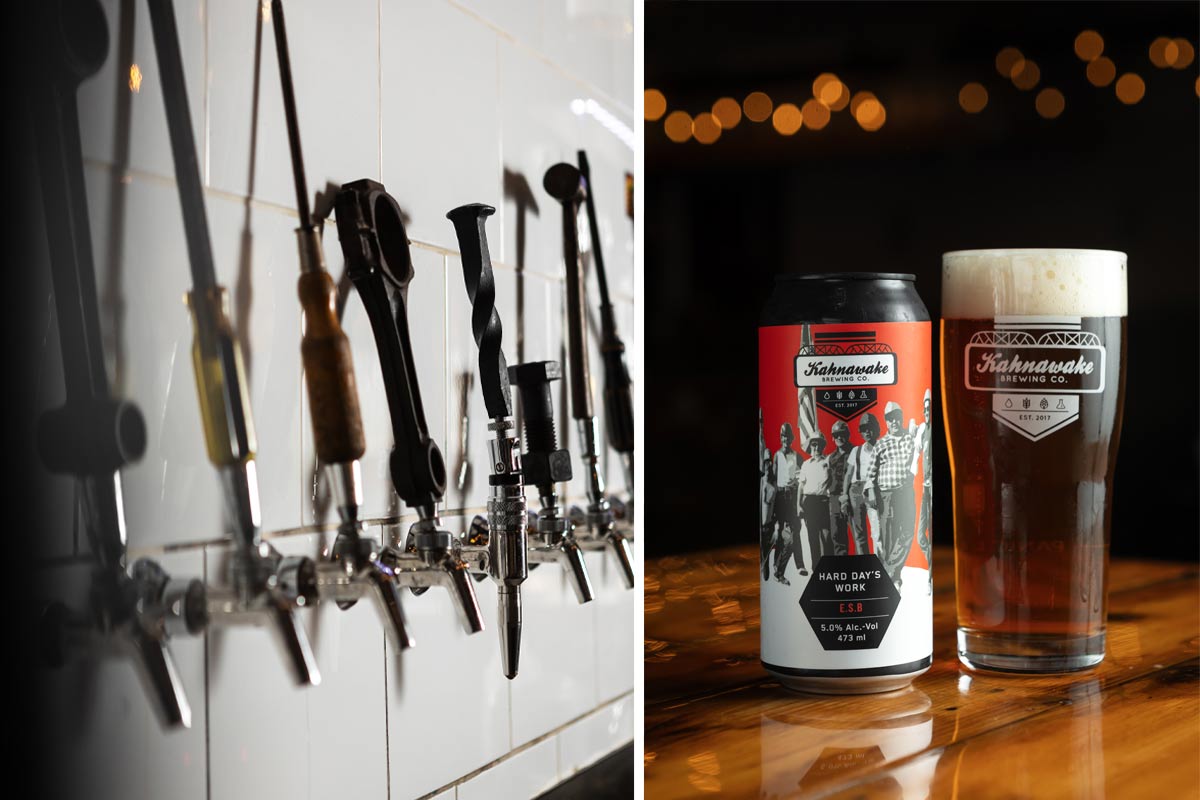
Kahnawake Brewing Company & Black Bridge Taproom holds the distinction of being the first openly Indigenous-owned craft brewery located on Indigenous land in Quebec. Co-owner Fred Leblanc, a former ironworker, integrated local Mohawk history into the brewery’s branding. The "Black Bridge" refers to the Saint-Laurent Railway Bridge, a structure built in 1900 through the combined labor of the Mohawk tribe and French workers. The brewery has achieved significant critical acclaim, winning multiple medals at the Canada Beer Cup in 2024 and 2025. Leblanc’s model emphasizes that an Indigenous brewery can serve as a bridge between cultures, offering a product that is "not just for Natives but for everyone."
Red Tape Brewery and Inuit Representation
In Toronto, Sarabeth Holden, an Inuit brewer and children’s book author, operates Red Tape Brewery. Holden’s experience highlights the intersectional challenges of being an Indigenous woman in a male-dominated industry. She has reported instances of being "brushed off" by tradespeople or feeling out of place in liquor stores that cater to a specific demographic "look." Despite this, she has received overwhelming support from her community. Her brewing process often incorporates traditional ingredients, such as orange pekoe tea and Paunnat (dwarf fireweed), which connect her products to the seasonal rhythms of the north.

Economic Sovereignty and Industry Inclusion
The push for Indigenous inclusion in the beer industry is increasingly viewed through the lens of economic sovereignty. Darnell Stager of Indigenous Tourism BC argues that antagonism toward Indigenous brewers is a lingering effect of colonial economic gatekeeping. He notes that the "ward of the state" status traditionally imposed on Indigenous people must be replaced by total self-determination, allowing individuals to participate in any sector of the economy they choose.
Several organizations have emerged to support this transition:
- The Manitoba Métis Federation: Provides support and resources for Métis entrepreneurs, helping them navigate the complexities of business ownership.
- Farm Credit Canada: Offers Indigenous-oriented financial infrastructure to assist with agricultural and production-based startups.
- The Truth and Reconciliation Commission’s Call to Action #92: Urges the corporate sector in Canada to adopt the United Nations Declaration on the Rights of Indigenous Peoples (UNDRIP) as a reconciliation framework and to provide equitable access to jobs, training, and education opportunities.
Redefining "Indigenous Beer" Through Land and Tradition
The definition of what constitutes an "Indigenous beer" is currently being shaped by the brewers themselves. It is rarely just about the ethnicity of the owner; it involves a holistic approach to sourcing, production, and community engagement.
- Ethical Land Use: For many owners, such as those at Locality Brewing and Crannog Ales, the focus is on regenerative farming and respecting the history of the land on which the brewery sits.
- Cultural Symbolism: Matthew Sabourin of La Brasserie Nonsuch Brewing Co. in Winnipeg uses his space to host "Beer Bannock" experiences. These events allow customers to engage with Indigenous history under a mural of Louis Riel, shifting the focus from consumption to cultural education.
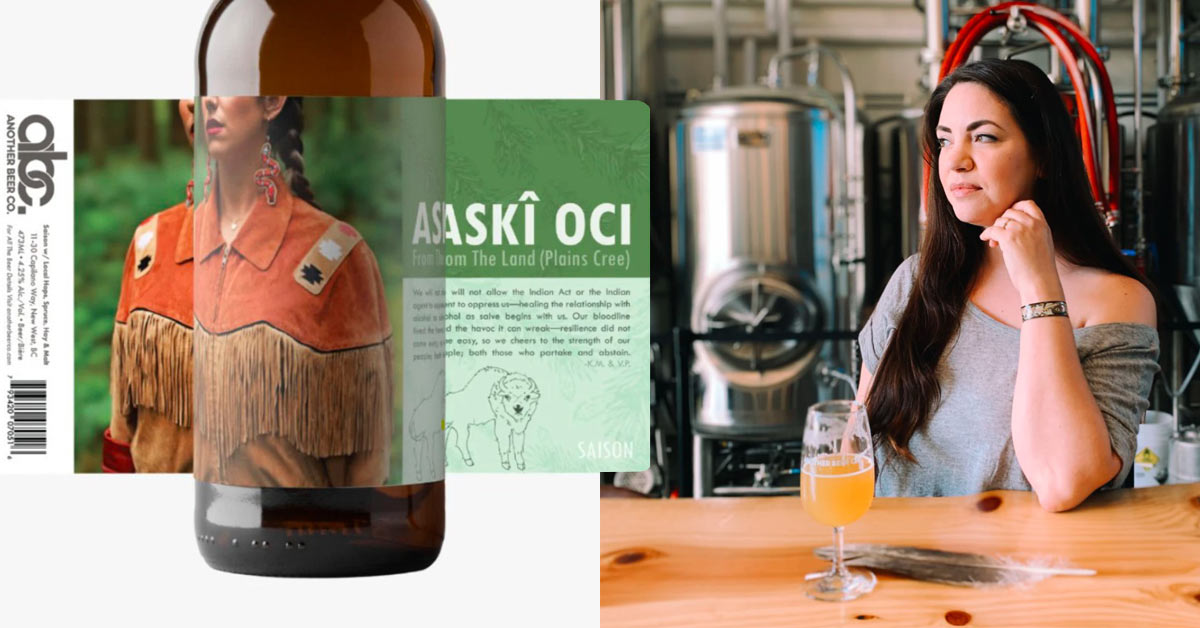
- Ingredient Reclamation: The use of spruce tips, alfalfa, and local berries in recipes—such as those developed by Nadine Jopson for the Askî Oci saison—serves as a "salve" to heal the relationship with alcohol by emphasizing its connection to natural, medicinal elements.
Analysis of Broader Implications and the Path Forward
The evolution of Indigenous participation in the craft beer industry is a microcosm of the broader Canadian journey toward reconciliation. The industry is moving away from a period of forced abstinence and toward a model of responsible sovereignty. As Anishinaabe professor Niigaan Sinclair notes, the goal is not necessarily to encourage consumption but to allow Indigenous people to "make our own decisions" regarding a substance that has been a "violent intrusion" in their history.
Inclusion in the beer industry requires more than just land acknowledgments or tokenistic marketing. Indigenous leaders in the field are calling for visibility at every level of the supply chain, from malt warehouses to hop suppliers. For non-Indigenous brewery owners, the path forward involves active engagement with local tribal nations, characterized by humility and a willingness to "start fresh" through changed behavior.
Ultimately, the success of Indigenous brewers like those at Kahnawake, Red Tape, and Locality Brewing suggests that the industry is capable of holding space for both the pain of the past and the potential of the future. By prioritizing people over profits and respecting the complex history of the land, the craft beer community may find a sustainable way to integrate Indigenous sovereignty into its national identity.