admin
admin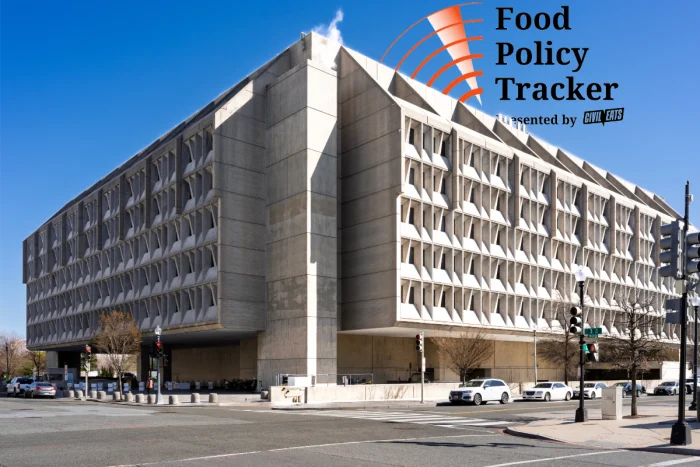
The Department of Health and Human Services (HHS) and the Environmental Protection Agency (EPA) have formally announced a collaboration to coordinate research into the safety of glyphosate, the active ingredient in the world’s most widely used herbicide, Roundup. This inter-agency memorandum of understanding (MOU), signed on September 23, 2026, aims to expand the scientific evidence base available to the EPA as it conducts its ongoing registration review of glyphosate. However, the announcement has been met with significant skepticism from environmental and food safety advocates, who question the likelihood of this partnership leading to meaningful policy changes, citing historical precedents and perceived governmental biases.
The Ongoing Debate Over Glyphosate’s Safety
Glyphosate, first introduced by Monsanto (now owned by Bayer) in the 1970s, rapidly became a cornerstone of modern agriculture due to its effectiveness as a broad-spectrum herbicide. Its widespread adoption was further accelerated by the introduction of "Roundup Ready" genetically modified crops, which are resistant to glyphosate, allowing farmers to spray the chemical over entire fields without harming their crops. Today, glyphosate is applied to millions of acres globally each year, playing a critical role in conventional farming practices for everything from corn and soy to fruits and vegetables.
Despite its ubiquity and economic importance, glyphosate has been at the center of a contentious scientific and public debate for years regarding its potential health and environmental impacts. The controversy intensified in 2015 when the International Agency for Research on Cancer (IARC), a specialized cancer agency of the World Health Organization (WHO), classified glyphosate as "probably carcinogenic to humans" (Group 2A). This classification was based on "limited evidence of carcinogenicity in humans" for non-Hodgkin lymphoma and "sufficient evidence of carcinogenicity in experimental animals."
This IARC finding sharply contrasted with the conclusions of many regulatory bodies, including the EPA and the European Food Safety Authority (EFSA), which have generally maintained that glyphosate is unlikely to pose a cancer risk to humans when used according to label instructions. These divergent scientific assessments have fueled numerous legal battles, with tens of thousands of plaintiffs in the United States alleging that exposure to Roundup caused their non-Hodgkin lymphoma. Bayer has faced significant financial penalties, paying billions in settlements related to these lawsuits, though the company continues to assert that glyphosate is safe.
Beyond human health, environmental concerns about glyphosate are also prevalent. Critics point to its potential impact on biodiversity, particularly pollinators like bees, and its role in the decline of milkweed, the primary food source for monarch butterfly larvae. Concerns about glyphosate’s persistence in soil and water, and its potential to foster herbicide-resistant weeds, also contribute to the ongoing scrutiny.
The EPA’s Mandate and the 2022 Court Decision

Under the Federal Insecticide, Fungicide, and Rodenticide Act (FIFRA), the EPA is responsible for registering pesticides for use in the United States and periodically re-evaluating their safety. This "registration review" process is mandated every 15 years to ensure that pesticides continue to meet contemporary safety standards based on the latest scientific data. Glyphosate is currently undergoing one such critical registration review, a process that determines whether its use should be continued, restricted, or potentially banned.
The urgency and intensity of the current review were significantly heightened by a pivotal 2022 federal court decision. In that ruling, the U.S. Court of Appeals for the Ninth Circuit rejected the EPA’s interim registration decision for glyphosate, finding that the agency had ignored crucial evidence of cancer risks and endangered species risks. The court’s decision mandated that the EPA revisit its assessment, specifically requiring it to conduct a more thorough evaluation of glyphosate’s potential carcinogenic effects and its impact on threatened and endangered species. This judicial intervention underscored the profound legal and scientific pressures on the EPA to conduct a robust and impartial review.
Following the court’s directive, the EPA committed to finalizing its human health risk assessment of glyphosate by early 2027. This timeline places considerable pressure on the agency to synthesize complex scientific literature and address outstanding concerns within a relatively short period. It is against this backdrop that the new collaboration with HHS has been announced, ostensibly to bolster the scientific rigor of the EPA’s review process.
Details of the HHS-EPA Memorandum of Understanding
The memorandum of understanding between HHS and EPA outlines a framework for increased cooperation and data sharing on glyphosate research. Specifically, the agreement aims to:
- Coordinate Research: Establish a formal mechanism for HHS, through its relevant agencies like the National Institute of Environmental Health Sciences (NIEHS) and the Centers for Disease Control and Prevention (CDC), to collaborate with EPA on scientific studies related to glyphosate.
- Identify Scientific Gaps: Jointly work to identify areas where scientific evidence regarding glyphosate’s safety is lacking or inconclusive, and subsequently prioritize research to fill these gaps.
- Expand Evidence Base: Ensure that the EPA’s ongoing registration review has access to the most comprehensive and up-to-date scientific information available, drawing on the expertise and resources of both agencies.
While the MOU signifies a formal commitment to inter-agency collaboration, a critical nuance remains: the EPA retains the ultimate authority over registration decisions. This means that while HHS may influence what research is considered and how scientific findings are interpreted, the final regulatory judgment rests solely with the EPA. This distinction is a primary source of the skepticism voiced by critics.
Skepticism from Environmental and Food Safety Advocates
The announcement, despite its official nature, has been largely met with a dismissive attitude from long-standing critics of glyphosate and the EPA’s historical approach to pesticide regulation. Ken Cook, president of the Environmental Working Group (EWG), articulated a common sentiment, telling Civil Eats, "I think this is a fig leaf. I don’t think this really amounts to anything." Cook’s cynicism stems from a belief that the core issue is not a deficit of scientific data, but rather the EPA’s historical tendency to disregard or downplay adverse findings, particularly when they conflict with the interests of the pesticide industry. He noted that similar inter-agency consultations already exist, and this new MOU might simply be a symbolic gesture without substantive impact on the EPA’s decision-making process.

Bill Freese, science director of the Center for Food Safety, echoed this skepticism in a public statement. He highlighted the EPA’s "history" of overlooking critical scientific evidence, leading him to doubt that the MOU would usher in meaningful change, especially given that the EPA maintains sole authority over registration decisions. Freese also raised concerns about the timeline, suggesting that any new research or deep collaboration stemming from the MOU would likely take years to produce results, thereby having little to no impact on the current, already expedited, glyphosate review process slated for completion by early 2027.
Nathan Donley, environmental health science director at the Center for Biological Diversity, offered an even more pointed critique, calling the announcement "a bunch of smoke and mirrors." Donley asserted, "The problem has never been that EPA’s pesticide office doesn’t compile all the relevant science or consult with outside researchers, it’s that it selectively ignores the science that doesn’t support the pesticide industry’s regulatory goals." His statement encapsulates the deep-seated mistrust among advocates that the EPA’s institutional culture and priorities may be resistant to change, regardless of formal agreements for collaboration.
Political Context and the MAHA Movement
The political landscape surrounding glyphosate regulation has been complex and at times contradictory, particularly under the current administration. The "Make America Healthy Again" (MAHA) movement, a prominent voice among food safety advocates and pesticide critics, has consistently rallied against glyphosate, framing its widespread use as a public health concern.
Initially, the administration appeared to lend some support to these critics. The first MAHA Commission report, released earlier in the administration, seemed to acknowledge concerns about chemical exposures, although it focused more broadly on issues like ultra-processed foods. However, the administration’s stance has since shifted dramatically, leading to accusations of inconsistency and prioritization of industry interests.
Notably, the administration has sided with chemical company Bayer in a recent Supreme Court case involving glyphosate lawsuits, indicating a pro-industry stance. Furthermore, an executive order was issued earlier in 2026 directing the U.S. Department of Agriculture (USDA) to boost domestic glyphosate production, ostensibly to secure agricultural supply chains. These actions directly contradict the sentiments of MAHA advocates and pesticide critics, who view them as prioritizing corporate profits and agricultural convenience over public health and environmental protection.
Despite these shifts, the administration has attempted to keep MAHA voters engaged through efforts to boost regenerative agriculture, a suite of farming practices aimed at improving soil health, biodiversity, and climate resilience, often implicitly or explicitly reducing reliance on synthetic pesticides like glyphosate. This dual approach – supporting conventional pesticide use while simultaneously promoting alternative farming methods – highlights the complex political calculus involved in balancing different constituencies and economic interests.
The MOU did garner some positive, albeit cautious, attention from certain MAHA advocates on social media platforms like X (formerly Twitter), suggesting a degree of hope that inter-agency cooperation might eventually lead to a more thorough review. However, these voices remained outliers amidst a chorus of more seasoned critics who viewed the move with deep suspicion.

Broader Implications and the Path Forward
The outcome of the EPA’s glyphosate registration review, influenced or not by the HHS collaboration, carries significant implications for public health, environmental protection, and the agricultural economy. If the EPA were to impose stricter regulations, or even ban glyphosate, it would necessitate a massive shift in farming practices for many conventional growers. Farmers would need to explore alternative weed management strategies, which could include other herbicides, increased mechanical tillage, or more widespread adoption of regenerative and organic practices. Such a transition would undoubtedly entail economic costs and adjustments for the agricultural sector.
Conversely, if the EPA reaffirms glyphosate’s safety and continues its registration with minimal changes, it would be seen as a victory for Bayer and the agricultural chemical industry. However, it would likely exacerbate the mistrust among environmental and health advocates, potentially leading to further legal challenges and intensified public pressure for reform. The scientific debate would continue, and the credibility of regulatory agencies could be further eroded in the eyes of a significant segment of the public.
The current MOU, while doubted by many, could nonetheless set a precedent for future inter-agency collaborations on other controversial chemicals. In an era where complex environmental and health challenges often cross traditional agency jurisdictions, such agreements could theoretically foster a more holistic approach to chemical risk assessment. However, for this to be effective, critics argue that the EPA would need to demonstrate a willingness to genuinely incorporate dissenting scientific views and prioritize public health over industry interests, a shift they have not yet observed.
As the EPA approaches its early 2027 deadline for finalizing the human health risk assessment, all eyes will be on the agency’s conclusions. The collaboration with HHS, whether a "fig leaf" or a genuine step towards a more comprehensive review, underscores the immense pressure on the federal government to provide a definitive answer on the safety of one of agriculture’s most ubiquitous and controversial tools. The stakes are high, not just for the future of glyphosate, but for the credibility of regulatory science and public trust in federal agencies.