admin
Hanoi, the vibrant urban gem of Northern Vietnam, is a city where 2,000 years of history are actively shaping a landscape undergoing remarkable transformation. Ancient French colonial villas now stand in striking proximity to centuries-old temples, while the labyrinthine alleyways of the Old Quarter gracefully transition into wide, tree-lined boulevards. The city’s streets are a living tapestry, where the enticing aromas of street-food stalls and the comforting buzz of family-run cafés mingle with the sleek displays of big-name retailers and the avant-garde expressions of burgeoning art galleries.
For many visitors, Vietnam’s capital is intrinsically defined by its rich and enduring past. However, the contemporary hotel scene in Hanoi offers a far more nuanced and complete narrative. The city’s accommodations now span a diverse spectrum, from the hallowed halls of iconic Indochine-era landmarks, steeped in colonial elegance, to bold, contemporary interpretations of Vietnamese maximalism that burst with color and cultural flair. Intimate boutique properties, meticulously curated to immerse guests in the city’s everyday rhythms, are also increasingly sought after. Furthermore, many of these establishments are evolving into destinations in their own right, boasting Michelin-starred restaurants, award-winning cocktail bars, and design-centric spas that are earning accolades as some of the best globally. This dynamic evolution has cultivated one of Asia’s most rewarding and fascinating hotel landscapes, offering travelers a profound choice in how they wish to experience Hanoi.
The Enduring Allure of Hanoi: A City of Contrasts
Hanoi’s historical significance is undeniable. Founded in 1010 by Emperor Ly Thai To, the city has witnessed dynasties rise and fall, endured periods of foreign occupation, and emerged as a resilient cultural and political center. This layered history is palpable in its architecture, its traditions, and its people. The French colonial era, spanning from the mid-19th century to 1954, left an indelible mark, introducing grand boulevards, elegant villas, and architectural styles that continue to define significant parts of the city, particularly the French Quarter. Juxtaposed against this colonial legacy are the ancient pagodas and temples, testaments to Vietnam’s indigenous spiritual and architectural heritage.
The Old Quarter, a UNESCO World Heritage site, is the historical heart of Hanoi. For centuries, it was a bustling hub of commerce, with each street specializing in a particular craft or trade. Today, this district remains a captivating maze of narrow streets, traditional shophouses, and vibrant street life, offering an authentic glimpse into the city’s past. The rapid modernization that Hanoi is currently experiencing is not erasing this history but rather integrating it into a dynamic urban fabric. The emergence of modern businesses and contemporary art spaces within or adjacent to these historical areas creates a compelling dialogue between the old and the new.
A Spectrum of Hospitality: From Grand Dames to Contemporary Havens
The hotel landscape in Hanoi mirrors this city’s multifaceted identity. For travelers seeking a connection to the city’s storied past, establishments like the Sofitel Legend Metropole Hanoi stand as enduring symbols of colonial grandeur. Opened in 1901, this iconic hotel has played host to dignitaries, celebrities, and discerning travelers for over a century. Its beautifully restored Heritage Wing rooms evoke a bygone era of elegance, while the hotel’s ongoing commitment to exceptional service and its rich history, including its role during periods of political upheaval, offer a unique "sense of place." The "Path of History" tour within the hotel provides guests with an intimate understanding of its storied past, including its wartime bunkers.
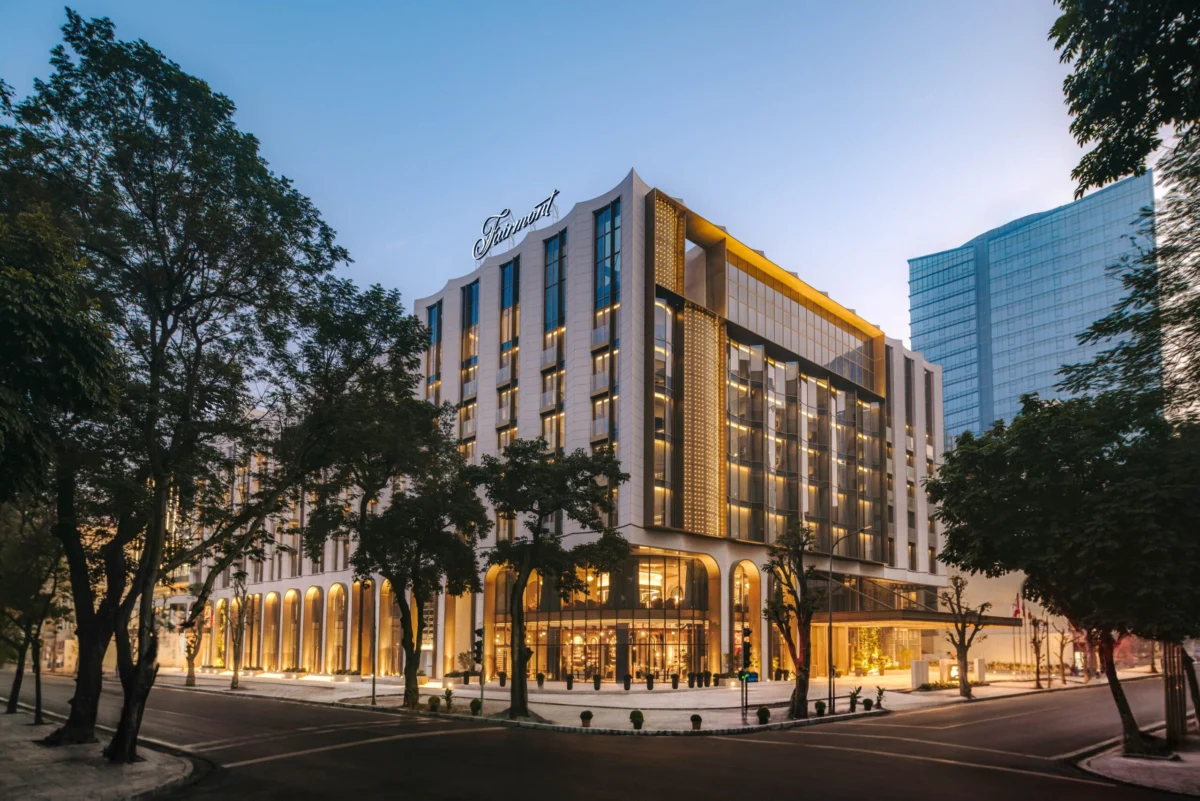
In contrast, newer luxury offerings are redefining contemporary opulence. The Fairmont Hanoi, a recent arrival, represents a bold statement in modern Vietnamese design. Its expansive rooms, luxurious amenities, and the sprawling Cirua Spa, which offers a comprehensive wellness experience, position it as a leading destination for those seeking cutting-edge comfort and sophisticated style. This hotel showcases a modern interpretation of Vietnamese aesthetics, blending local influences with international luxury standards.
Beyond these prominent luxury players, Hanoi’s hotel scene is rich with intimate boutique properties that offer a more personalized and immersive experience. These hotels are often housed in meticulously restored colonial buildings or designed with a keen eye for local craftsmanship and artistic expression. They provide a sanctuary from the city’s energetic pace while remaining deeply connected to its cultural pulse. These properties often champion sustainable practices and support local communities, appealing to a growing segment of conscious travelers.
Navigating Hanoi’s Hospitality Landscape: Choosing Your Experience
The selection of accommodation in Hanoi is not merely about finding a place to rest; it’s about making a conscious choice about the kind of Hanoi experience one wishes to immerse oneself in. The city’s diverse offerings cater to a wide range of preferences and budgets, each promising a unique perspective.
Hoan Kiem Lake Area: The City’s Beating Heart
For first-time visitors, the area surrounding Hoan Kiem Lake is almost universally recommended. This central location serves as the nexus where the historic French Quarter and the ancient Old Quarter converge. Staying here places travelers within easy walking distance of Hanoi’s most significant cultural landmarks, including the Temple of Literature, the Imperial Citadel, and numerous museums. The vicinity is also replete with an abundance of excellent restaurants, vibrant cafés, chic cocktail bars, and diverse shopping opportunities. Its strategic position ensures convenient access to the rest of the city, making exploration effortless.
Within this prime location, luxury seekers might gravitate towards the French Quarter, particularly properties near the iconic Hanoi Opera House, which often exude a classic charm. For those who prefer a more tranquil and intimate boutique experience, venturing just beyond the immediate bustle of the Old Quarter can yield hidden gems. Properties like Hotel de Lagom, known for its stylish design and serene atmosphere, offer a peaceful retreat while remaining well-connected to the city’s attractions.
The French Quarter: Colonial Elegance and Sophistication
The French Quarter, characterized by its wide avenues and grand architecture, offers a more refined and somewhat quieter atmosphere compared to the Old Quarter. Hotels in this district often reflect the colonial heritage, providing an experience steeped in history and old-world charm. This area is ideal for travelers who appreciate a sense of grandeur and are interested in exploring landmarks like the Hanoi Opera House and the State Bank of Vietnam. The proximity to elegant boutiques and high-end dining establishments further enhances its appeal.
The Old Quarter: Immersive Culture and Vibrant Energy
For travelers seeking an immersive cultural experience and a taste of authentic Hanoi life, the Old Quarter is unparalleled. Staying within its narrow, winding streets means being directly in the midst of the city’s vibrant street life, surrounded by traditional markets, bustling eateries, and centuries-old architecture. While some may find the energy intense, it offers an unparalleled opportunity to connect with the local way of life. Boutique hotels tucked away in the Old Quarter provide a unique blend of traditional charm and modern comfort, allowing guests to experience the district’s character firsthand.
Data-Driven Insights: The Growing Significance of Vietnam’s Tourism Sector
The burgeoning hotel scene in Hanoi is a direct reflection of Vietnam’s rapidly growing tourism sector. In 2023, Vietnam welcomed over 12.6 million international visitors, a figure that has more than quintupled since 2022 and surpassed pre-pandemic levels. This surge in tourism underscores the increasing global interest in Vietnam as a travel destination, with Hanoi serving as a primary gateway and cultural anchor. The average length of stay for international tourists in Vietnam has remained robust, indicating a deep engagement with the country’s offerings.
Furthermore, international tourist spending has seen a significant uplift. In 2023, tourism revenue reached an estimated VND 673 trillion (approximately $27.5 billion USD), highlighting the economic impact of the sector. This growth fuels investment in hospitality infrastructure, leading to the development of more diverse and sophisticated hotel options. The increasing number of international awards and recognitions for Vietnamese hotels and restaurants, including Michelin stars and listings in global "best of" guides, further validates the quality and appeal of Hanoi’s hospitality offerings.
Expert Perspectives: The Evolution of Vietnamese Hospitality
Industry experts have noted the strategic shift in Hanoi’s hotel development, moving beyond basic accommodation to offering comprehensive guest experiences. "Hanoi’s hotels are no longer just places to sleep; they are becoming integral to the travel narrative," observes a leading hospitality consultant specializing in Southeast Asia. "Developers and operators are recognizing the demand for authentic experiences, where design, culinary offerings, and cultural immersion are paramount. The success of properties that integrate world-class spas, innovative dining, and unique historical elements demonstrates this trend."
This trend is supported by data from travel analytics firms, which indicate a growing preference among travelers for hotels that offer more than just a room. Factors such as unique design, local culinary experiences, and wellness facilities are increasingly influencing booking decisions, especially among millennials and Gen Z travelers who often prioritize experiential travel.
Navigating Your Stay: Practical Considerations and Recommendations
Choosing the Right Area: As highlighted, the Hoan Kiem Lake area is ideal for first-timers due to its central location and proximity to major attractions. For those seeking a more tranquil, luxurious experience, the French Quarter provides a classic ambiance. Adventurous travelers eager for an authentic urban immersion will find the Old Quarter captivating.
Duration of Stay: While three days can offer a solid introduction to Hanoi’s core attractions, including Hoan Kiem Lake, the Old Quarter, the French Quarter, and the Temple of Literature, it is a concise visit. To truly savor the city’s pace, enjoy its culinary scene, and perhaps undertake day trips to nearby destinations like Ninh Binh or Ha Long Bay (which require additional travel time), a longer stay of four to five days is recommended. This allows for a more relaxed exploration, including lingering over classic egg coffee and wandering through the ancient alleys.
How Hotels are Chosen: The selection of hotels featured in reputable travel publications is typically the result of rigorous evaluation by experienced journalists. These reviewers are often well-versed in the destination and have personally experienced the properties. Their assessments prioritize hotels that offer an authentic and insider perspective, considering key factors such as design innovation, prime location, exceptional service standards, and demonstrable commitment to sustainability. This ensures that recommendations are not only aspirational but also grounded in genuine guest experiences.
Broader Impact and Implications
The dynamic growth of Hanoi’s hotel sector has significant implications for the city and the wider Vietnamese economy. It signals Hanoi’s increasing prominence on the global tourism map, attracting a more diverse and discerning international clientele. This influx of visitors supports local businesses, creates employment opportunities, and fosters cultural exchange.
Furthermore, the emphasis on luxury, design, and experiential travel elevates Vietnam’s brand as a sophisticated destination. The investment in high-quality hospitality infrastructure not only caters to tourists but also contributes to the overall development and attractiveness of the city for both residents and potential investors. The ongoing evolution of Hanoi’s hotel scene is a testament to its resilience, its embrace of modernity, and its enduring ability to blend its rich past with a promising future, offering travelers an unforgettable journey through its vibrant streets and captivating narratives.