admin
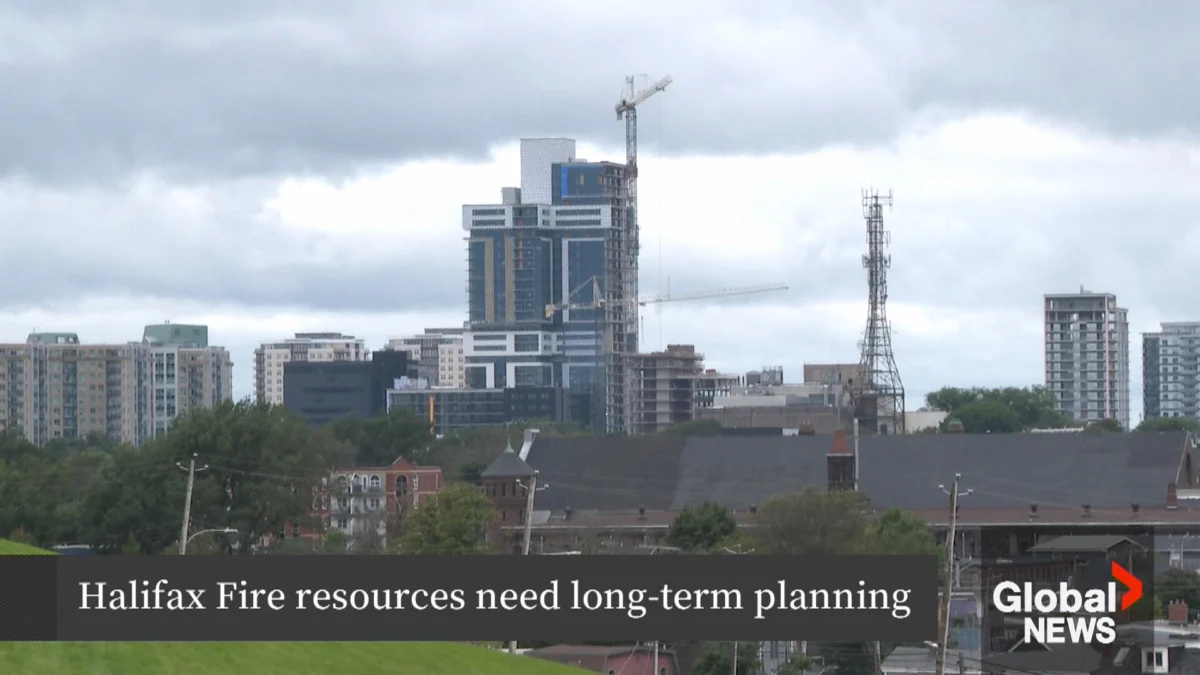
Halifax Regional Council has unanimously passed two critical motions, initiating the development of a comprehensive long-term service and resource strategy for Halifax Regional Fire & Emergency (HRFE). This pivotal decision, widely lauded by the Halifax Professional Fire Fighters Union (HPFFU), marks a significant step towards addressing decades of perceived underfunding and ensuring the city’s emergency services can adequately meet the demands of its burgeoning population. The union has consistently argued that HRFE has been operating with insufficient resources since the amalgamation of municipal units, a shortfall now exacerbated by the unprecedented pace of urban expansion.
For years, the HPFFU has been a vocal advocate for increased investment in the city’s fire service, drawing attention to a growing disparity between operational needs and available resources. Brendan Meagher, President of the HPFFU, articulated the gravity of the situation, stating, “I say the mountain continues to grow if we don’t continue to climb. The deficits that we’re looking at now in our capabilities are due to the first 20 years after amalgamation of contracting our service. So it’s time to build.” Meagher’s powerful metaphor underscores the union’s long-standing contention that a reactive approach to resource allocation is no longer sustainable, and that proactive investment is essential to avert potential public safety crises. The unanimous vote by council on November 13, 2026, represents a crucial acknowledgement of these concerns and a commitment to charting a more sustainable course for HRFE.
Decades of Underinvestment: The Amalgamation Legacy

To understand the current challenges facing HRFE, it is imperative to delve into the historical context of municipal amalgamation in Nova Scotia. The Halifax Regional Municipality (HRM) was formed on April 1, 1996, through the amalgamation of the City of Halifax, the City of Dartmouth, the Town of Bedford, and Halifax County Municipality. This restructuring aimed to streamline governance, reduce redundancies, and foster regional economic development. However, according to the HPFFU, the integration of diverse fire services from these distinct entities led to a period of consolidation that, rather than optimizing resources, inadvertently resulted in a contraction of service capabilities.
Post-amalgamation, the focus often shifted towards cost efficiencies, which, critics argue, came at the expense of maintaining and expanding the fire service in line with projected growth. Fire stations were rationalized, staffing levels were often frozen or minimally increased, and capital investments in equipment and training did not keep pace with technological advancements or evolving risks. This period, spanning roughly the first two decades of the HRM’s existence, created what Meagher describes as "deficits in our capabilities." These deficits manifest in various ways, including an aging fleet, inadequate staffing ratios for complex incidents, and a lag in specialized training necessary for modern urban environments. The union contends that these historical decisions have left HRFE playing catch-up, with the "mountain" of unaddressed needs only growing steeper with each passing year of population surge.
Halifax’s Explosive Growth and Strain on Public Services
The urgency for a long-term strategy is particularly acute given Halifax’s remarkable and sustained population growth. Over the past decade, Halifax has consistently been one of Canada’s fastest-growing urban centres. Statistics Canada data reveals that between 2016 and 2021, Halifax’s population grew by 9.1 percent, reaching over 465,000 residents. This trajectory has not only continued but accelerated in the subsequent years, with projections indicating the HRM could surpass half a million residents well before 2030. This rapid influx of new residents, coupled with significant urban densification, particularly in the form of high-rise residential and commercial developments, places immense pressure on all municipal services, with emergency services at the forefront.

Councillor Tony Mancini succinctly captured this broader challenge, stating, "We have to add to that concern of infrastructure, in my opinion, our emergency services, both police and fire. Do we have enough as it is right now? And fire and emergency services are a very expensive business." His observation highlights a critical intersection between urban planning, infrastructure development, and public safety. New housing developments, especially high-rises, require specific firefighting capabilities, including specialized equipment for aerial access, advanced ventilation techniques, and enhanced training for interior operations in complex structures. Increased traffic congestion, a byproduct of population growth, can also impede response times, further emphasizing the need for strategically located resources and adequate staffing. The rise in call volumes, encompassing everything from medical first responses to motor vehicle incidents and structure fires, directly correlates with population density, stretching existing personnel and equipment to their limits.
Councillor Steele’s Vision: Predictability and Transparency
The recent council motions were championed by Councillor Janet Steele, who has consistently witnessed the HRFE’s annual struggle during budget deliberations. "Since she’s been on council, the department has come to budget meetings asking for more staffing and resources every year," the original report noted. This reactive, year-by-year approach to funding emergency services is inefficient and lacks the foresight required for long-term planning in a rapidly evolving city.
Councillor Steele’s motivation for bringing forward these motions was rooted in a desire for greater predictability, transparency, and proactive planning. "This is about more predictability for council, more transparency, a little more planning ahead, and I think it gives residents a better idea of what’s coming up as well as firefighters who serve all of us," she explained. Her motions direct city staff to develop a comprehensive strategy that will provide a clear roadmap for HRFE’s future needs, encompassing staffing levels, equipment upgrades, facility improvements, and training requirements over a multi-year horizon. This strategic framework aims to move away from crisis-driven budget requests towards a data-informed, sustainable investment plan, allowing both council and the public to understand the rationale behind resource allocations and the long-term vision for public safety.

Charting the Path Forward: A Comprehensive Strategy
The unanimous passage of Councillor Steele’s motions signals a collective commitment from Halifax Regional Council to address these pressing issues. The next crucial step involves city staff, in collaboration with HRFE leadership and the HPFFU, embarking on the detailed work of developing this long-term strategy. This will entail:
- Needs Assessment: A thorough analysis of current HRFE capabilities against present and projected demands, considering population growth, demographic shifts, urban development patterns, and evolving risk profiles (e.g., climate change impacts, industrial growth).
- Staffing Model Review: Evaluation of current firefighter-to-population ratios, international best practices, and the specific requirements for various types of emergencies (e.g., structural fires, technical rescues, medical first response). Brendan Meagher specifically highlighted the hope for a "significant increase in staffing."
- Capital Infrastructure Plan: Assessment of existing fire stations, their strategic locations, and the need for new facilities or upgrades to accommodate growth and modern equipment. This includes an updated fleet management plan for apparatus and specialized vehicles.
- Training and Development: A focus on advanced training, particularly for high-rise fire incidents, which pose unique operational challenges. This might involve specialized equipment, simulation facilities, and inter-agency exercises.
- Technological Integration: Exploring how new technologies, such as advanced dispatch systems, drone technology, and data analytics, can enhance operational efficiency and effectiveness.
- Financial Projections: Developing realistic long-term financial forecasts, outlining the costs associated with the recommended strategy, and exploring potential funding sources, including municipal budgets, provincial and federal grants, and innovative financing models.
Meagher also emphasized that this cannot be a "one-time endeavour." The strategy must incorporate mechanisms for regular review and adaptation, ensuring that HRFE remains agile and responsive to the dynamic needs of the municipality. The initial development of the strategy is expected to be a multi-month process, culminating in a detailed report and recommendations presented back to council for further deliberation and approval.
The Financial Imperative and Broader Implications

While the unanimous vote reflects strong political will, the financial implications of adequately resourcing HRFE are substantial. Fire and emergency services are inherently capital-intensive, requiring significant investment in personnel, training, equipment, and infrastructure. Councillor Mancini’s remark about it being a "very expensive business" underscores this reality. The costs associated with a comprehensive upgrade and expansion could run into tens, if not hundreds, of millions of dollars over the coming years.
However, the cost of inaction could be far greater. Meagher issued a stark warning: "I would suggest that if a good objective look is taken at the fire service, that the economic impact of not investing properly in emergency response is potentially catastrophic." This "catastrophic" impact could manifest in various forms:
- Increased Property Losses: Slower response times or inadequate resources could lead to greater damage from fires, impacting property values and insurance rates.
- Loss of Life and Injury: The most tragic consequence of an under-resourced emergency service is the potential for increased fatalities and injuries to both residents and firefighters.
- Economic Disruption: Major incidents that are not effectively managed can disrupt businesses, infrastructure, and the overall economic activity of the city.
- Reputational Damage: A city perceived as unsafe due to inadequate emergency services can suffer in terms of attracting new residents, businesses, and tourism.
- Higher Long-Term Costs: Deferred maintenance and delayed investments often result in more expensive, emergency repairs down the line.
Beyond the immediate financial and safety implications, this strategic planning initiative carries broader significance for urban planning and governance in Halifax. It sets a precedent for how the municipality approaches the challenges of rapid growth across all its essential services. By proactively addressing the needs of HRFE, Halifax can demonstrate a commitment to sustainable development, where robust public safety infrastructure is considered as fundamental as roads, water, and transit. It also offers an opportunity for enhanced collaboration between municipal departments, fostering an integrated approach to city building that prioritizes the well-being and security of all residents.
The path ahead will undoubtedly involve difficult financial decisions and sustained political commitment. However, the unanimous vote by Halifax Regional Council, coupled with the persistent advocacy of the Halifax Professional Fire Fighters Union, signals a critical turning point. It is a shared recognition that for Halifax to continue thriving, its emergency services must not only keep pace with growth but be positioned to lead in ensuring the safety and resilience of this dynamic urban centre. The development of this long-term strategy is not merely an administrative exercise; it is an investment in the future security and prosperity of the entire Halifax Regional Municipality.