admin
admin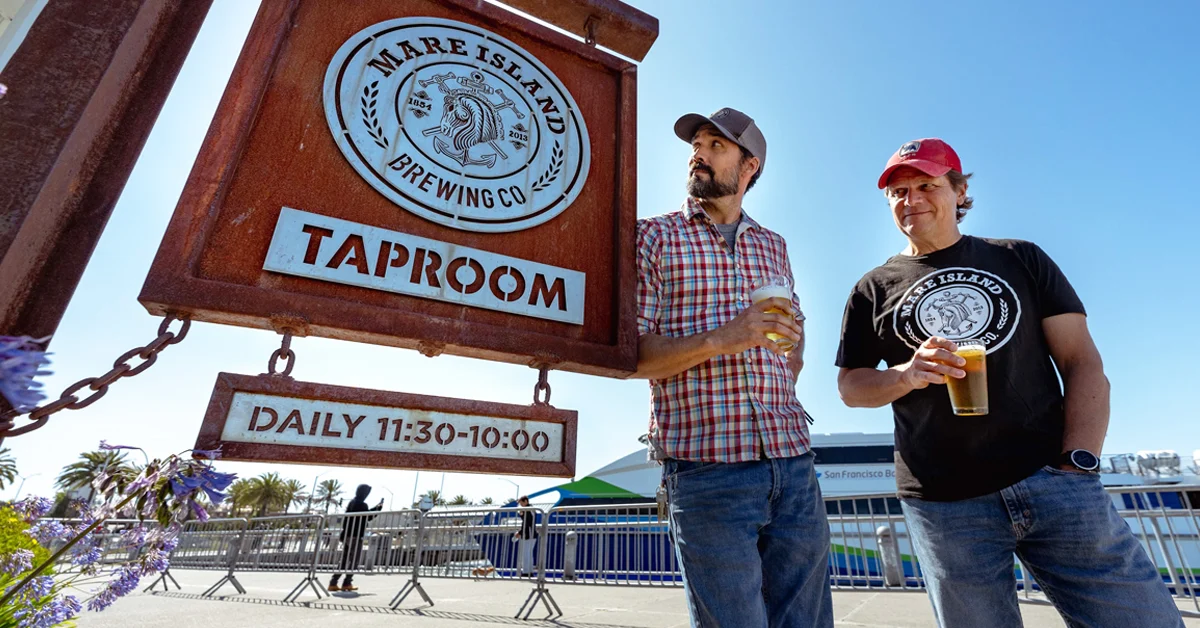
The production of premium wine and craft beer has long been viewed as two distinct disciplines, yet in the fertile valleys of California, the lines between the cellar and the brewhouse are increasingly blurred. While winemakers focus on the nuances of terroir, grape variety, and aging regimens, an enduring industry adage—"it takes a lot of beer to make good wine"—suggests a deep-seated symbiotic relationship. This crossover is not merely a matter of personal preference for refreshment; it represents a growing trend of "dual-discipline" artisans who apply the rigorous scientific standards of enology to the creative flexibility of brewing.
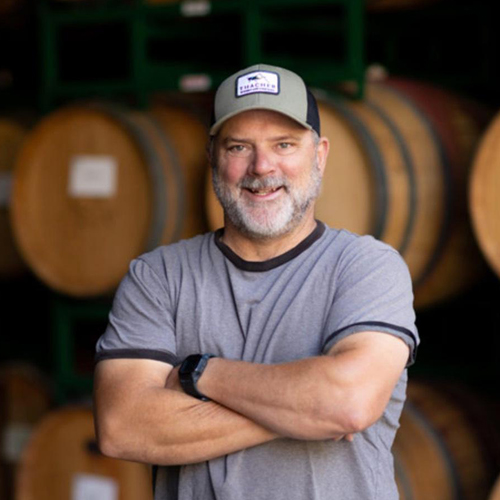
In the high-stakes environment of a California harvest, the physical and sensory demands on winemakers are immense. After a day spent evaluating the high acidity, tannins, and complex sugars of fermenting must, the palate often reaches a point of exhaustion. Sherman Thacher, the founder and winemaker of Thacher Winery in Paso Robles, notes that beer serves as the ultimate professional reset. Thacher, whose winery is nestled in the rugged coastal mountains of California’s Central Coast, explains that beer offers a necessary "change of pace" due to its carbonation, lower temperature, and significantly lower acidity compared to wine.
Thacher’s perspective is informed by a professional pedigree that spans both industries. Before establishing his reputation in the wine world, he served as a brewmaster at the Los Gatos Brewing Company from 1992 to 2006, where he specialized in traditional German-style lagers and ales. His transition from the stainless steel tanks of a brewery to the oak barrels of a winery highlights a broader phenomenon in California: the rise of the hybrid producer.
The Cultural and Economic Context of California’s Fermentation Industry
California stands as the undisputed leader in American alcohol production, serving as the largest producer of both wine and craft beer in the United States. According to data from the Wine Institute, California produces more than 80% of the nation’s wine, contributing approximately $170 billion annually to the U.S. economy. Simultaneously, the Brewers Association identifies California as a powerhouse in the craft beer sector, hosting over 1,100 craft breweries—the most of any state—which generate an annual economic impact exceeding $9 billion.
This density of production has created a unique ecosystem where knowledge, labor, and equipment often overlap. In regions like Napa, Sonoma, and Paso Robles, it is common to find production facilities where seasonal workers transition from the "crush" (grape harvest) in the autumn to full-time brewery operations in the winter and spring. This cross-pollination of talent has led to a sophisticated exchange of ideas regarding fermentation kinetics, sanitation protocols, and barrel management.
Case Studies in Crossover: Mare Island Brewing Co.
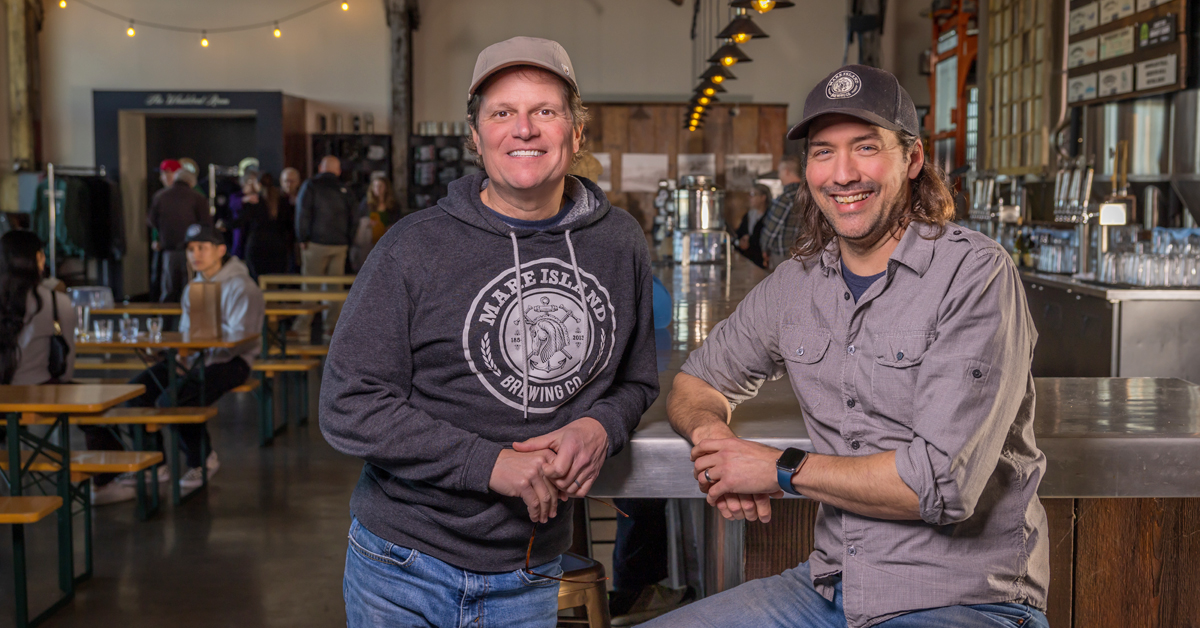
The professional trajectory of Kent Fortner and Ryan Gibbons, co-founders of Mare Island Brewing Co., illustrates the organic nature of this industry crossover. The two met on a crush pad in Napa Valley, the epicenter of American winemaking, where they were both training as winemakers. Their shared background in viticulture eventually led them to explore the possibilities of grain-based fermentation.
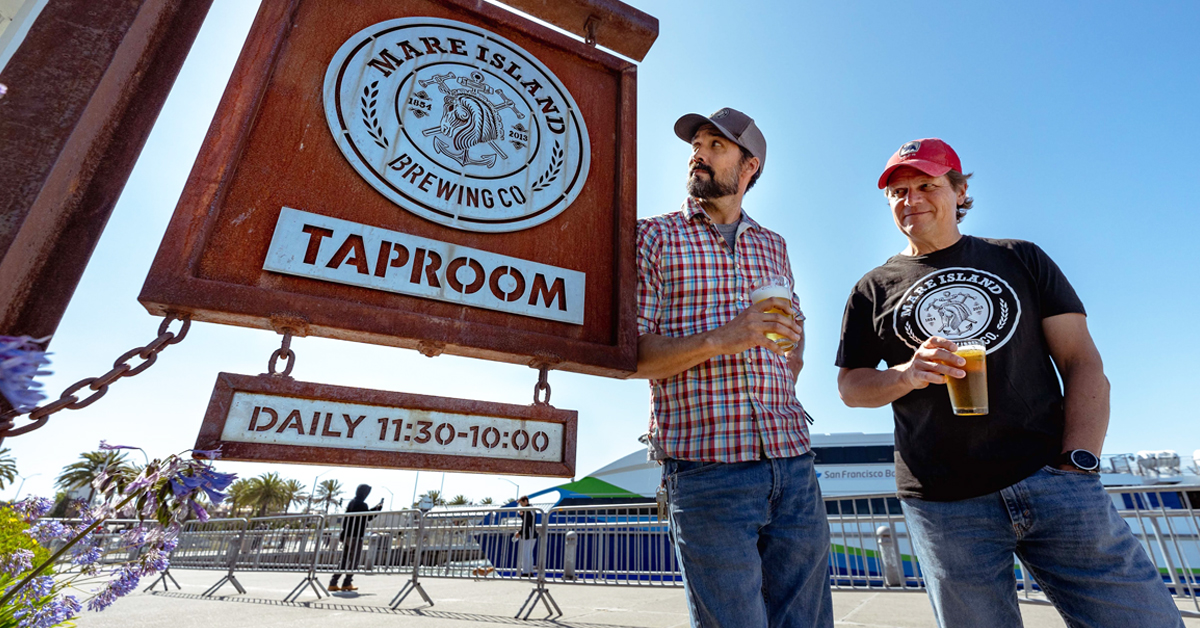
In 2013, they brewed their inaugural beer, Saginaw Golden Ale. The name was a deliberate nod to the maritime history of Vallejo, California, where Mare Island served as the first U.S. naval shipyard on the West Coast, established in 1854. Since then, the duo has expanded their operations to include the Ferry Taproom in Vallejo, the Coal Shed Brewery on the Mare Island waterfront, and the First Street Taproom in Benicia.
Despite the success of the brewery, the influence of the vineyard remains central to their business model. Fortner continues to operate Road 31 Wine Co., a boutique venture he started over two decades ago that produces a singular, highly regarded Napa Valley (Carneros) Pinot Noir. This dual identity allows the partners to bring a "winemaker’s lens" to their brewing operations. Gibbons notes that their winemaking background dictates everything from their palate development to their marketing strategy. Unlike many craft breweries that opt for irreverent or "cheeky" branding, Mare Island Brewing Co. utilizes an aesthetic rooted in the elegance and historical reverence typically associated with estate wineries.
The Fogbelt Connection: From Fetzer to Forest-Themed Ales
The intergenerational ties between the two industries are perhaps most evident at Fogbelt Brewing in Sonoma County. Co-founder Remy Martin grew up immersed in wine culture; his father, the late Dennis Martin, was a legendary figure who spent 30 years as a winemaker at Fetzer Vineyards. While wine was the family business, the younger Martin felt a pull toward the diversity of brewing.
While working a harvest in New Zealand—a common rite of passage for young winemakers—Martin and co-founder Paul Hawley began experimenting with homebrewing in a garage. This hobby eventually transformed into a professional pursuit, leading Martin to complete the Master Brewers Program at the University of California, Davis. UC Davis is globally recognized as one of the premier institutions for both viticulture and brewing science, acting as a bridge for many students moving between the two fields.
At Fogbelt, the influence of wine is felt in the technical execution of the beer. Martin points out that while beer and wine production have distinct differences, certain concepts—such as anaerobic fermentation practices and the topping of barrels to prevent oxidation—are universally applicable. However, he also highlights a key philosophical divide: the concept of the "vintage."
Technical Analysis: Consistency vs. Variation
A fundamental difference between the two crafts lies in the consumer’s expectation of the final product. In winemaking, the "vintage" is a celebrated variable. Each year’s weather patterns, soil conditions, and harvest dates create a unique profile that is expected to vary from year to year. A 2021 Cabernet Sauvignon is intentionally different from a 2022 bottling.
In contrast, the hallmark of a successful brewery is consistency. Consumers expect a flagship India Pale Ale (IPA) or Stout to taste identical regardless of when it was brewed. This requires a level of process control and raw material management that differs from the seasonal rhythm of a winery. Brewers operate on a year-round schedule, lacking the "slow season" that typically follows the wine harvest. This constant production cycle requires a different type of stamina and attention to detail, which many former winemakers find refreshing.
The Science of the Palate Cleanser
The preference for beer among wine professionals also has a biological basis. Wine is characterized by high levels of tartaric and malic acids, as well as tannins that can cause astringency (a drying sensation in the mouth). Over the course of a professional tasting session, these elements can "fatigue" the taste buds, making it difficult to discern subtle flavor profiles.
Beer, particularly lagers and pilsners, typically has a higher pH (lower acidity) and contains carbon dioxide, which mechanically "scrubs" the tongue. The presence of hop bitterness also provides a counterpoint to the fruit-forward sweetness of many wines. As Ryan Gibbons observes, at a certain point in a career, the choice of beer is driven by its "refreshing properties" rather than its alcohol content. This has led to a rise in "sessionable" beers (those with lower alcohol by volume) being stocked in winery breakrooms across the state.
Broader Implications for the Hospitality Industry
The convergence of these two industries is reshaping California’s tourism landscape. In regions like Sonoma and Paso Robles, "fermentation trails" now feature both wineries and breweries, often located within walking distance of one another. This allows tasting rooms to appeal to a broader demographic of visitors and encourages a longer "stay time" in the region.
Furthermore, the collaboration between brewers and winemakers is resulting in innovative hybrid products. "Oenobeers" or "grape-ale hybrids," which use wine grapes or must during the brewing process, are becoming increasingly popular. These products represent a true synthesis of the two crafts, utilizing wine yeast for primary fermentation or aging beer in freshly emptied wine barrels to pick up the character of the wood and the previous vintage.
Conclusion: A Unified Craft
As the California beverage industry continues to evolve, the distinction between "beer people" and "wine people" is becoming less relevant. The shared dedication to the mastery of fermentation, the preservation of local history, and the pursuit of sensory excellence unites these artisans.
Whether it is Sherman Thacher utilizing his brewmaster’s precision to craft Paso Robles Syrah, or the team at Mare Island Brewing Co. bringing the elegance of a Carneros Pinot Noir to a waterfront taproom, the crossover between grapes and grains is enriching the state’s culinary identity. The end of a long day in the cellar or the brewhouse may always call for a cold beer, but the expertise behind that beer is increasingly likely to have been honed in the vineyard. This duality ensures that California remains at the forefront of the global fermentation movement, proving that while the raw materials may differ, the spirit of the craft remains the same.