admin
The San Francisco Bay Area has long maintained a reputation as a global epicenter for the craft brewing movement, a legacy rooted in the mid-20th-century revival of traditional brewing methods. While San Francisco proper and the East Bay have historically dominated the headlines, a distinct and sophisticated beer culture has solidified along the western bayfront of San Mateo County. Stretching approximately 30 miles along the Highway 101 corridor—from the transit-oriented hub of Burlingame in the north to the historic downtown of Redwood City in the south—a new "beer trail" has emerged. This geographic strip, characterized by its proximity to the Caltrain commuting line and major technology campuses, now hosts a dense concentration of independent breweries, taprooms, and gastropubs that cater to a discerning demographic of locals and travelers alike.
The Economic and Cultural Shift Toward the Peninsula
The maturation of the Peninsula’s beer scene reflects broader economic trends within Northern California. As real estate prices in San Francisco and Oakland reached record highs over the last decade, many entrepreneurs and brewers looked toward San Mateo County’s industrial and suburban pockets to establish their operations. According to data from the California Craft Brewers Association, the state remains the leader in the U.S. craft beer industry, with over 1,100 craft breweries contributing more than $9 billion to the state’s economy annually. Within this framework, the San Francisco Peninsula has transitioned from a mere residential corridor for Silicon Valley commuters into a primary destination for culinary and fermented beverage innovation.
The development of this trail is not accidental. The strategic location near San Francisco International Airport (SFO) and the high-traffic Highway 101 allows these establishments to capture a diverse clientele, ranging from international tourists to tech professionals seeking a "third space" outside of the office and home. The following examination details the key anchors of this trail and the specific contributions they make to the regional craft beer landscape.
Burlingame: The Convergence of Tech and Plant-Based Gastronomy
At the northern gateway of the trail lies Burlingame, where Twelvemonth has redefined the traditional brewery model. Founded by Bob Trahan, a former technology executive who transitioned into the culinary arts, Twelvemonth occupies a expansive, light-filled space that previously functioned as a brewery. This establishment represents a growing trend in the industry: the integration of high-end, plant-based dining with a sophisticated beverage program.
Unlike many breweries that focus exclusively on their own production, Twelvemonth serves as a curated gallery of West Coast brewing excellence. Their tap list frequently features "gold standard" offerings such as Pliny the Elder from Russian River Brewing Company, alongside regional staples like East Brother Beer Co. from Richmond. The inclusion of non-alcoholic options from Fort Point Beer Company reflects a significant shift in consumer behavior toward "mindful drinking." Market research indicates that the non-alcoholic beer segment is one of the fastest-growing niches in the beverage industry, expected to grow at a CAGR of over 7% through 2030. Twelvemonth’s success suggests that the Peninsula’s beer enthusiasts are increasingly looking for environments where high-quality beer is part of a broader, health-conscious lifestyle.
Belmont’s Industrial Innovation: Alpha Acid Brewing Company
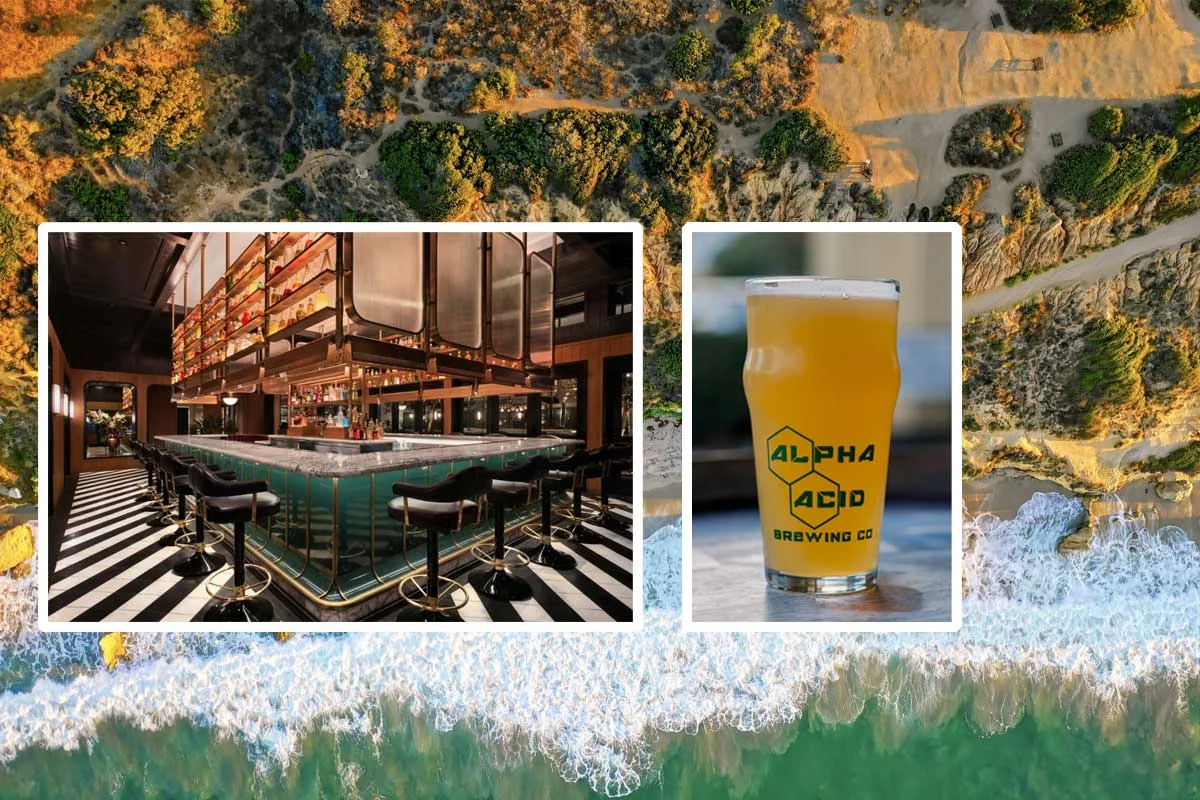
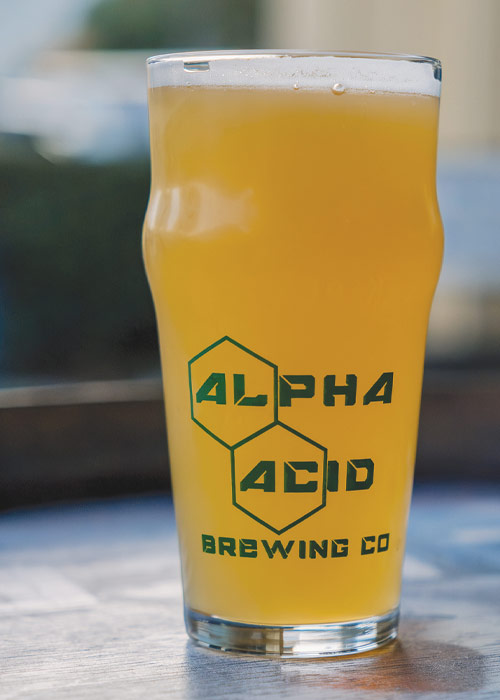
Moving south into Belmont, the beer trail takes a turn toward the industrial. Tucked within the Harbor Business Center, Alpha Acid Brewing Company exemplifies the "garage-to-taproom" success story that defines much of American craft beer. Established in 2014, Alpha Acid has carved out a niche by focusing on high-gravity ales and experimental flavors.
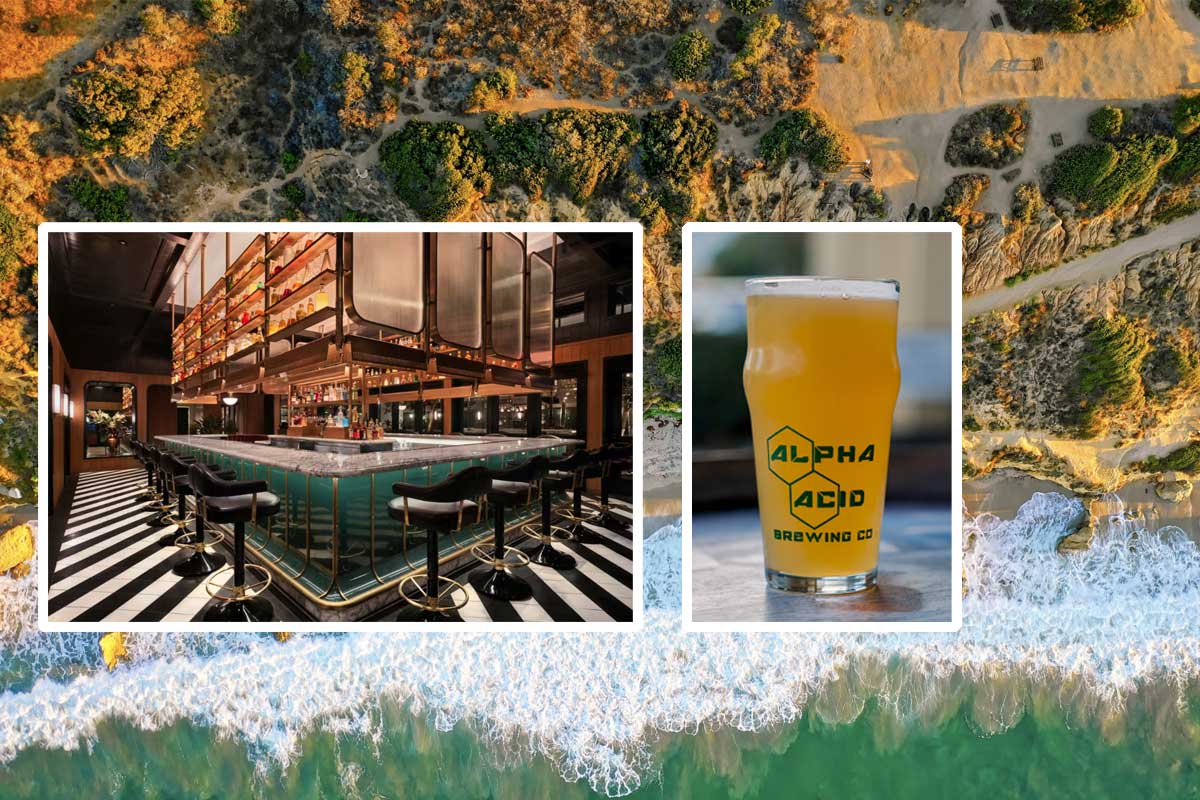
The brewery’s portfolio is diverse, ranging from the La Chulita Mexican Lager—often paired with local food truck offerings—to complex, barrel-aged stouts. Technical precision is a hallmark of their production, evidenced by "Murder She Wroatmeal," an oatmeal stout utilizing cacao and coconut, and "May The Haze Be With You," a New England-style IPA that utilizes specific hop profiles to achieve notes of orange and pine without excessive bitterness. The presence of sought-after barleywines and rum-barrel-aged tropical stouts like the "Flying Dutchman" (10.2% ABV) demonstrates the brewery’s appeal to "beer hunters"—consumers who travel specifically for limited-release, high-alcohol offerings.
San Carlos: The Science of Sours and Thiolization at Blue Oak
In San Carlos, Blue Oak Brewing Co. has established itself as a leader in the specialized field of sour ales and "juicy" IPAs. The brewery’s facility provides a sprawling indoor-outdoor environment that is essential for the community-centric atmosphere of the Peninsula. Blue Oak’s "Cherry Bomb" and "POG is My Copilot" (a blend of passion fruit, orange, and guava) highlight the brewery’s expertise in fruited sours, a category that has seen a resurgence as consumers move toward more acidic and refreshing flavor profiles.
Of particular interest to industry analysts is Blue Oak’s use of thiolized yeast in beers like "Hello Motueka." Thiolization is a bio-engineering process in yeast that unlocks "thiols"—aromatic compounds found in hops and grape skins—resulting in an intensified fruit aroma that traditional fermentation cannot achieve. By adopting these cutting-edge fermentation techniques, Blue Oak remains at the forefront of brewing science, attracting a demographic that values technical innovation as much as flavor.
Redwood City: A Multi-Faceted Brewing Hub
Redwood City serves as the southern terminus of this 30-mile stretch and boasts perhaps the highest density of craft beer establishments per capita in the county. The city’s brewing scene is characterized by its diversity, ranging from modern American lagers to traditional English cask ales.
Ghostwood, a neighborhood favorite, has gained critical acclaim for its "Extra Crispy" American lager. While the craft beer movement was built on heavy IPAs, there has been a notable "return to lager" among brewers and consumers who value drinkability and technical cleanliness. Ghostwood also embraces the social aspect of brewing culture, incorporating trivia nights, billiards, and gaming into its business model. This focus on "community-building" is a strategic response to the isolation of the digital age, positioning the brewery as a vital social anchor in Redwood City.
In contrast to the modern American style of Ghostwood, Freewheel Brewing Company offers a specialized experience rooted in British tradition. Since 2012, Freewheel has been one of the few breweries in California dedicated to English cask ales. These beers are naturally carbonated and served at a slightly warmer temperature than standard keg beer, allowing for a more nuanced expression of malt and hop character. Their flagship "Big V Amber" and various nitro pours cater to both expatriates and local enthusiasts who appreciate the creamy texture and malt-forward profiles of the United Kingdom’s brewing heritage.
The Role of International Influence and Culinary Pairings
The Peninsula beer trail is further enriched by establishments that bridge the gap between international tradition and local craft. Gourmet Haus Staudt in Redwood City functions as a classic Bavarian Bierstube. It is widely recognized for its high volume of Weihenstephaner—the world’s oldest continuously operating brewery—serving more of the German import than almost any other venue in the region. This connection to historical European styles provides a necessary context for the modern American craft movement, reminding consumers of the centuries-old foundations of their current pints.
The integration of world-class food is another defining characteristic of this trail. State of Mind Public House and Pizzeria, located near Freewheel Brewing, exemplifies this synergy. Founded by Lars Smith, a member of the U.S. Pizza Team and an international award-winner, State of Mind pairs elite-level culinary offerings with a rotating draft list of local independent beers. This "quality-meets-quality" approach has elevated the Peninsula’s reputation, proving that the region can compete with the gastronomic centers of San Francisco and Napa.
Implications for Regional Tourism and the Future of the Industry
The emergence of the San Francisco Peninsula beer trail has significant implications for regional economic development. As these breweries continue to win awards and attract media attention, San Mateo County is increasingly seen as a destination for "beertourism." This shift encourages longer stays from visitors who might otherwise only pass through on their way to Silicon Valley or San Francisco.
Furthermore, the concentration of these businesses along the Caltrain corridor promotes sustainable tourism. The "transit-adjacent" nature of these breweries allows for a safer and more environmentally friendly way to explore the trail, aligning with the Bay Area’s broader goals of reducing car dependency.
However, the industry faces challenges. Rising costs of raw materials, such as aluminum and CO2, combined with shifting consumer preferences toward spirits and canned cocktails, mean that Peninsula breweries must continue to innovate. The focus on "experience-based" taprooms—those offering high-quality food, community events, and technical excellence in brewing—appears to be the most viable path forward.
The 30-mile stretch from Burlingame to Redwood City represents more than just a collection of bars; it is a sophisticated ecosystem of small businesses that reflect the values of the modern Bay Area: innovation, tradition, and a commitment to quality. As the San Francisco Peninsula continues to evolve, its beer trail stands as a testament to the enduring appeal of the craft movement and its ability to transform suburban corridors into vibrant cultural destinations.