admin
admin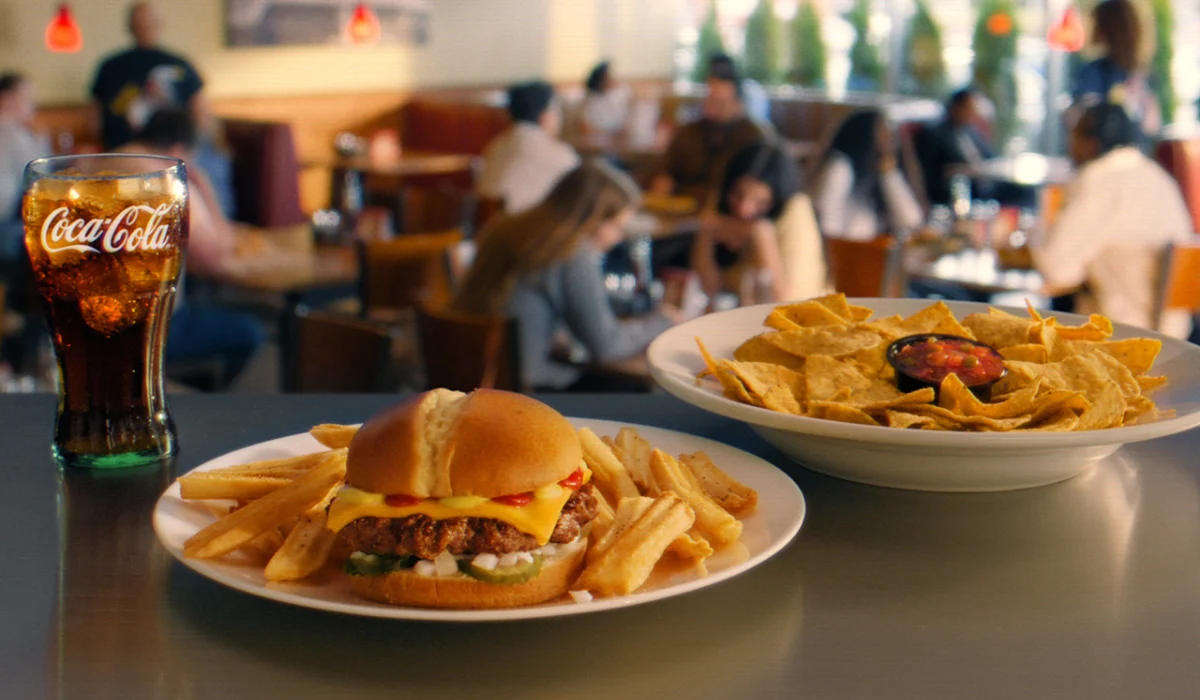
Denny’s, the venerable American diner chain that has served as a cornerstone of the casual dining industry for over seven decades, has officially announced the nationwide rollout of its Triple Play Combo Meals. This strategic menu expansion represents a significant pivot toward high-value bundling, a move designed to capture the attention of price-sensitive consumers navigating a period of persistent inflation in the food-away-from-home sector. Inspired by the legendary Grand Slam breakfast—a menu staple since 1977—the new Triple Play platform seeks to translate the brand’s historical success with "slam" breakfasts into a comprehensive, multi-course dining experience that spans breakfast, lunch, and dinner.
The Triple Play Combo Meal is structured as a three-part customizable offering, allowing guests to select a beverage, a starter, and a primary entrée. With a base price point of $9.99, the initiative places Denny’s in direct competition with both quick-service restaurant (QSR) value bundles and casual dining "3 for Me" style promotions. By integrating tiered pricing, the diner allows patrons to scale their meals based on appetite and budget, moving from value-centric staples to premium protein options like sirloin steaks.
Comprehensive Breakdown of the Triple Play Menu
The architecture of the Triple Play Combo Meal is designed for maximum flexibility, catering to the "anytime" dining philosophy that has defined Denny’s since its inception. The three-course structure is detailed as follows:
Phase One: The Beverage
Diners begin their meal by selecting from a variety of standard refreshments. This includes the brand’s Signature Diner Blend Coffee, which has long been a hallmark of the Denny’s experience, alongside fountain soft drinks, fresh-brewed iced tea, and lemonade. In an era where beverage prices in restaurants have seen sharp increases, the inclusion of a drink in the $9.99 base price provides a significant psychological and financial value hook for the consumer.
Phase Two: The Starter
To differentiate the Triple Play from standard combo meals, Denny’s has introduced a "starter" course. Options currently include:
- Maple Stuffed Donut Holes: A warm, sweet appetizer designed to bridge the gap between breakfast and dessert.
- Chips & Salsa: A savory, crisp option that aligns more closely with the brand’s lunch and dinner personas.
Phase Three: The Entrée
The entrée selection serves as the anchor of the meal, with tiered pricing depending on the complexity and ingredient cost of the dish.
- Value Tier: Includes classic favorites such as the Super Slam and golden chicken tenders.
- Mid-to-Premium Tier: Features the all-new Diner QP burger, hearty "Slamwiches," and high-protein options like sizzling sirloin steaks.
Introduction of the Diner QP: A Direct Challenge to Fast Food
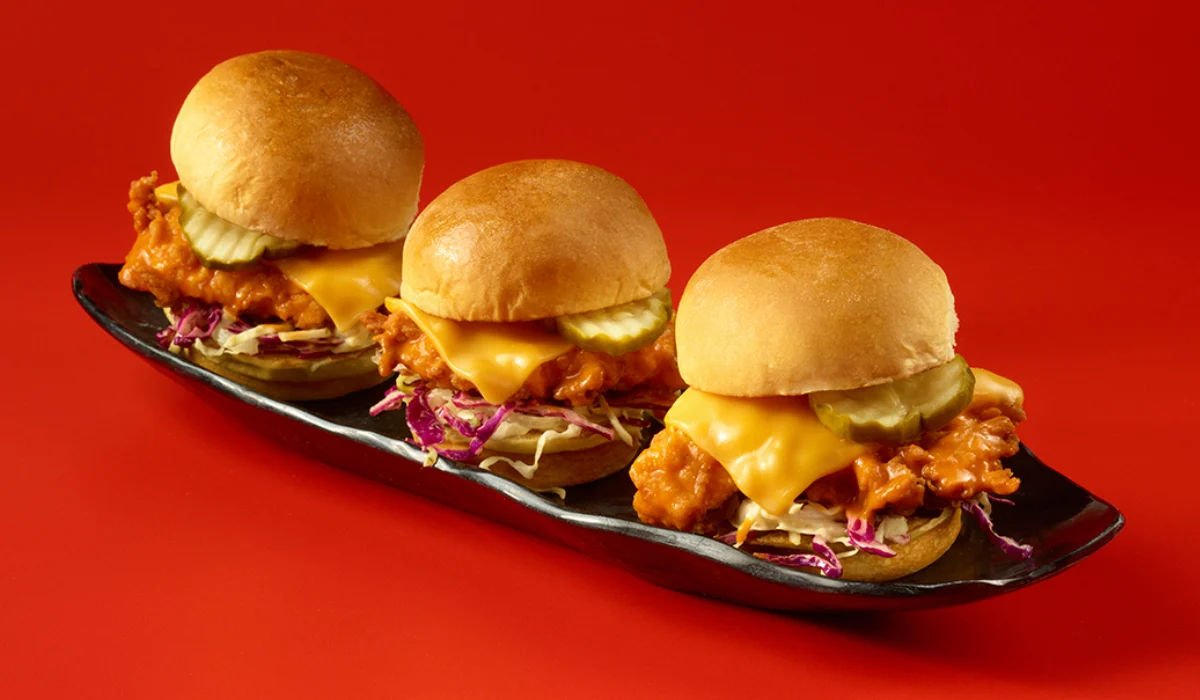
A central component of this menu refresh is the debut of the Diner QP. This new burger is a clear attempt by Denny’s to lure customers away from traditional fast-food drive-thrus by offering a "bigger value and bigger portions" alternative in a sit-down environment. The Diner QP features a 100% all-beef patty, melted American cheese, diced onions, pickles, mustard, and ketchup, all served on a toasted Brioche bun.
Accompanied by the chain’s signature wavy-cut fries, the Diner QP is positioned as a direct competitor to the "quarter-pound" offerings of major QSR chains. By pricing this within the Triple Play framework, Denny’s is betting that consumers will prefer a full-service dining experience with a starter and a drink for a price comparable to—or lower than—the cost of a large fast-food meal.
Strategic Context: The 2024 "Value Wars"
The launch of the Triple Play Combo Meal does not occur in a vacuum. Throughout 2024, the American restaurant industry has been embroiled in what market analysts describe as a "Value War." Following years of menu price hikes driven by supply chain disruptions and rising labor costs, consumer foot traffic across the industry began to soften in late 2023 and early 2024.
Competitors like McDonald’s, Burger King, and Wendy’s have all recently introduced $5 value meals to win back lower-income diners. In the casual dining space, Chili’s Grill & Bar has seen success with its "3 for Me" platform, which also offers a drink, appetizer, and entrée. Denny’s entry into this space with a $9.99 starting point is a calculated move to defend its market share as "America’s Diner."
"At Denny’s, we know our Guests are looking for maximum value without having to compromise on quality or choice," stated Chris Bode, President and CEO of Denny’s. Bode’s leadership has focused on operational efficiency and menu innovation to navigate the post-pandemic economic landscape. "With our new Triple Play Combo Meals, we’re offering a fully loaded, drink-to-appetizer meal starting at just $9.99. Whether you’re craving a Super Slam or our all-new Diner QP burger, the Triple Play Combo Meals menu lets you build the exact meal you want at an unbeatable value."
Chronology of Innovation at Denny’s
To understand the significance of the Triple Play, one must look at the historical trajectory of the Denny’s brand:
- 1953: Harold Butler and Richard Jezak open "Danny’s Donuts" in Lakewood, California.
- 1959: To avoid confusion with another local chain, the name is changed to Denny’s.
- 1966: The company goes public, expanding rapidly as a 24/7 dining destination.
- 1977: The Grand Slam is introduced in Savannah, Georgia, as a tribute to baseball legend Hank Aaron. It eventually becomes the most famous breakfast meal in American history.
- 2010s: Denny’s undergoes a "Heritage Remodel" program, updating the look of its diners while leaning into its mid-century roots.
- 2024: The launch of the Triple Play Combo Meal and the Diner QP marks the next evolution of the "value-first" philosophy.
Corporate Social Responsibility: The 16th Annual No Kid Hungry Campaign
Parallel to the menu launch, Denny’s has reaffirmed its commitment to social impact through its 16th consecutive year of partnership with No Kid Hungry. This national campaign, which officially began on August 19, aims to eradicate childhood hunger in America—a mission that aligns with Denny’s identity as a family-centric brand.
Since the partnership’s inception, Denny’s, alongside its franchisees and guests, has raised over $15 million. These funds are directed toward connecting children with effective nutrition programs, including school breakfasts, summer meals, and after-school snacks. During the campaign period, guests at participating restaurants can make donations at the register or online.
The timing of the No Kid Hungry campaign alongside the Triple Play launch is strategic. It reinforces the brand’s community-focused image at a time when consumers are increasingly looking to spend their money with companies that demonstrate social responsibility.
Industry Implications and Financial Outlook
Market analysts suggest that Denny’s Triple Play could serve as a vital driver for "Same-Store Sales" (SSS) growth in the second half of the fiscal year. By offering a multi-course meal for under $10, Denny’s is targeting the "lunch rush" and "weekday dinner" segments—periods where diners often trade down to fast food due to time and cost constraints.
Data from recent restaurant industry reports indicates that while breakfast remains the most loyal daypart for diners, the lunch and dinner segments are highly volatile. The introduction of the Diner QP is specifically designed to bolster the lunch and dinner dayparts, diversifying Denny’s revenue stream beyond its traditional breakfast stronghold.
Furthermore, the "Triple Play" branding leverages the nostalgic connection between diners and baseball, much like the Grand Slam did in the 1970s. This cultural resonance is a key differentiator for Denny’s, allowing it to compete on emotion and heritage as much as on price.
Conclusion: The Future of America’s Diner
The nationwide launch of Triple Play Combo Meals and the Diner QP reflects a brand that is both honoring its past and aggressively pursuing its future. By synthesizing the "Slam" heritage with modern value-bundling techniques, Denny’s is positioning itself as a resilient player in a crowded and competitive market.
As the 2024 fiscal year progresses, the success of these initiatives will likely be measured by the brand’s ability to maintain guest frequency while managing the tight margins associated with sub-$10 value meals. However, with a 70-year history of navigating economic shifts and a renewed focus on both culinary quality and social advocacy, Denny’s appears well-equipped to remain a fixture of the American landscape. For the consumer, the Triple Play offers a rare opportunity to enjoy a full-service, three-course meal without exceeding a ten-dollar budget, proving that in the world of diners, the "Grand Slam" spirit is still very much alive.