admin
admin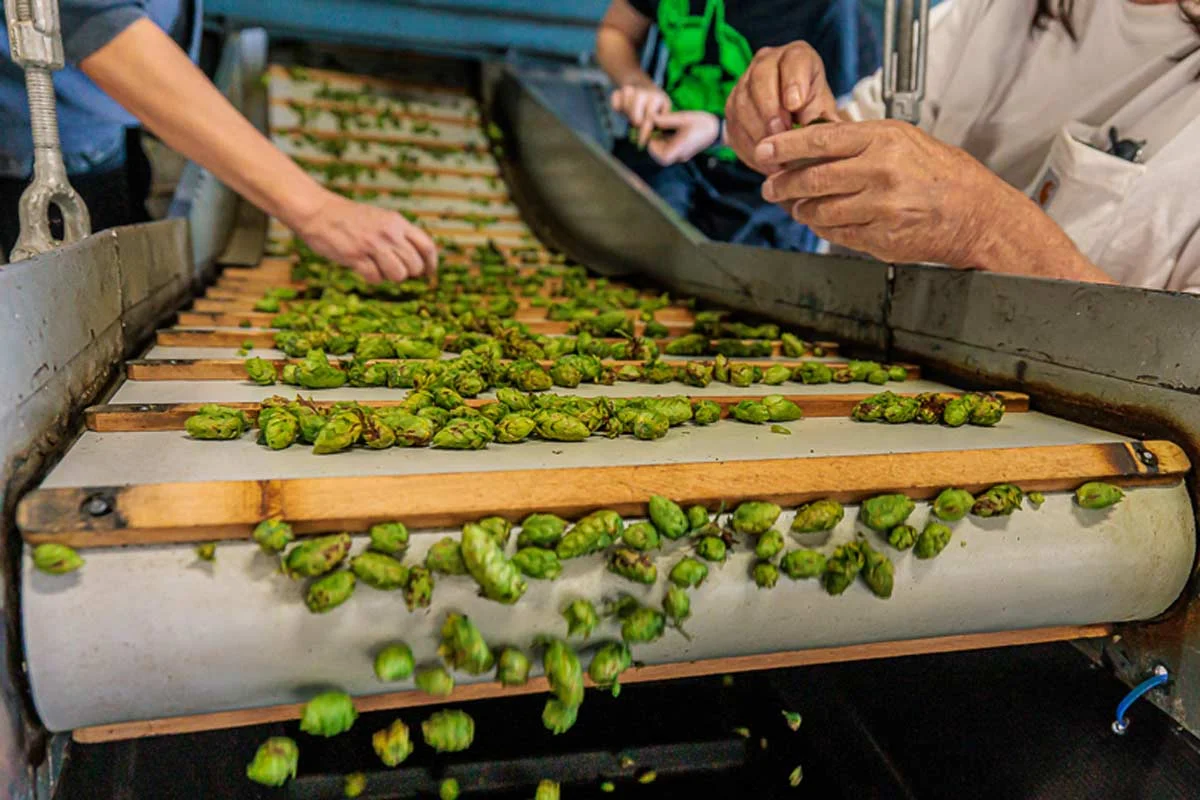
Michigan currently stands as a titan in the American specialty crop landscape, ranking first in the Great Lakes region and fourth nationally for total hop acreage. While the state’s craft beer industry often spotlights the brewers and the final pours, a critical demographic remains largely behind the scenes of the agricultural engine: women. From greenhouse propagation and integrated pest management to land stewardship and harvest orchestration, female leaders are driving the success of Michigan’s hop industry. Despite their foundational roles, many of these professionals face a persistent lack of visibility in a sector historically dominated by male-centric narratives. As the industry grapples with market shifts and climate volatility, these women are not only sustaining the crop but are actively defining a unique Michigan identity for the perennial plant.
The Geographic and Historical Context of Michigan Hops
The resurgence of the Michigan hop industry is a relatively recent phenomenon, following a nearly century-long hiatus. In the late 19th century, New York and the Midwest were primary producers before pests, disease, and Prohibition shifted production almost exclusively to the Pacific Northwest. The modern revival began in earnest around 2008, fueled by the explosive growth of the craft beer movement and a desire for local sourcing.
Michigan’s success is rooted in its unique geography. The 45th parallel, which traverses the state, provides the precise photoperiod—long, sunny summer days—required for hop flowering. Furthermore, the state’s glacial history left behind well-drained, sandy loam soils that prevent "wet feet," a condition where excess moisture rots the roots of the Humulus lupulus plant. Unlike common vines that use tendrils to climb, hops are "bines," utilizing stiff, downward-pointing hairs to wrap clockwise around twine. These bines can grow up to 20 feet in a single season, requiring immense structural support and constant monitoring.
Scientific Guardians: The Role of Academic Support
The technical backbone of the state’s hop production is heavily supported by Michigan State University (MSU). Erin Lizotte, MSU’s integrated pest management coordinator and senior statewide educator, has become an indispensable figure for growers navigating the complexities of specialty crop cultivation. As Michigan’s climate shifts, bringing increased humidity and unpredictable heat waves, the threat of Downy Mildew and spider mites has intensified.
Lizotte’s work involves bridging the gap between laboratory research and field application. Through MSU’s Plant and Pest Diagnostics lab, she provides growers with data-backed strategies for chemical approvals and disease mitigation. Farmers across the state cite her responsiveness as a primary factor in their ability to make high-stakes decisions regarding crop health. This academic partnership has allowed Michigan to compete with the established infrastructure of Washington’s Yakima Valley by ensuring that local growers have access to the same level of scientific rigor.
Propagation and the Clean Plant Protocol
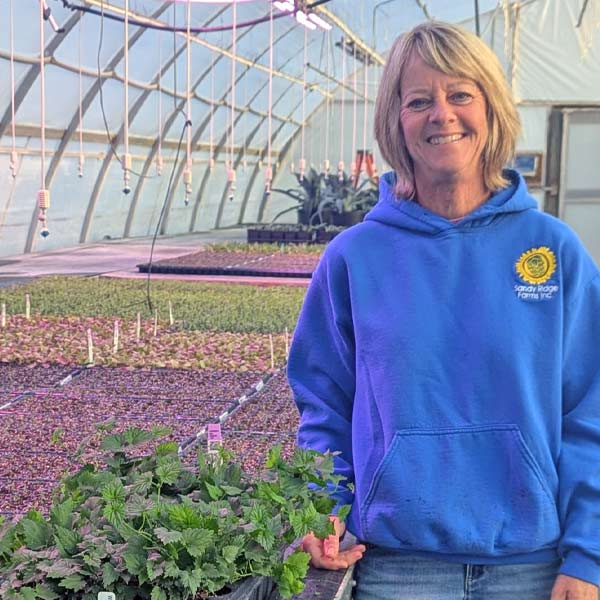
Before a hop bine ever reaches the trellis, it begins in a controlled greenhouse environment. Julie Kane of Sandy Ridge Farms in Zeeland, Michigan, has spent over two decades in the greenhouse industry, eventually specializing in hop propagation as interest in the crop surged in the late 2000s. As one of the first propagators in the state, Kane had to establish a reputation for quality in a field where her expertise was initially overlooked.
Kane’s operation adheres to the "Clean Plant" protocol, a rigorous standard designed to prevent the spread of viruses and hop latent viroids that can devastate an entire yard. By starting with virus-free mother plants from the National Clean Plant Network, Kane ensures that the industry’s foundation is untainted. This work has become increasingly difficult due to climate change; recent summer heat waves saw greenhouse temperatures exceeding 100 degrees Fahrenheit, necessitating advanced shade cloth technology and intensified irrigation schedules. Her work ensures that when a farmer invests in several acres of hops—an endeavor that can cost upwards of $15,000 to $20,000 per acre in startup costs—they are starting with healthy, resilient stock.
Industrial Precision in the Field
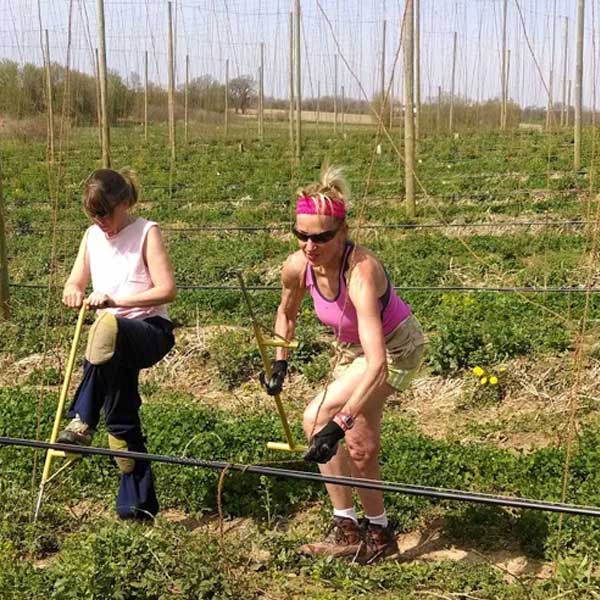
The transition from traditional farming to modern hop production often requires a blend of agricultural knowledge and industrial efficiency. Mel Trowbridge, an owner at Top Hops Farm in Goodrich, brought 40 years of experience as an automotive engineer and quality control specialist to her operations. This background has translated into a process-driven farm where labor is managed with the precision of a manufacturing plant.
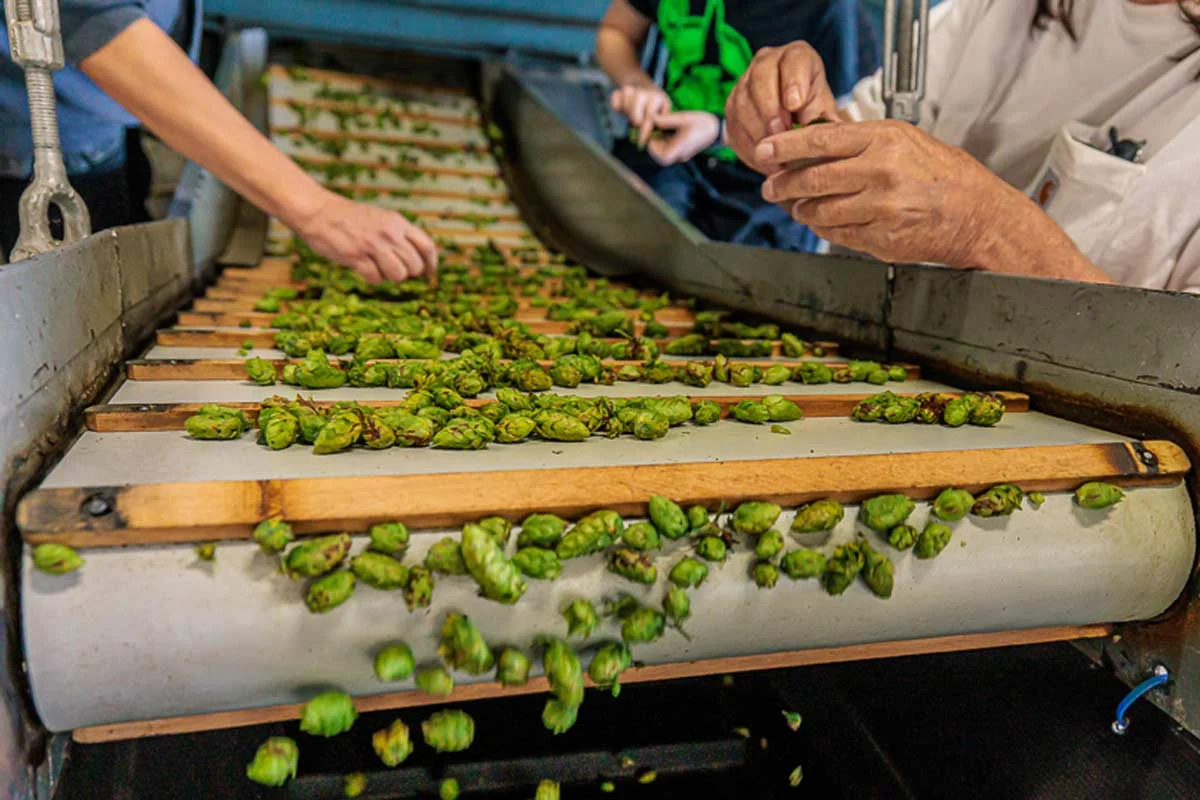
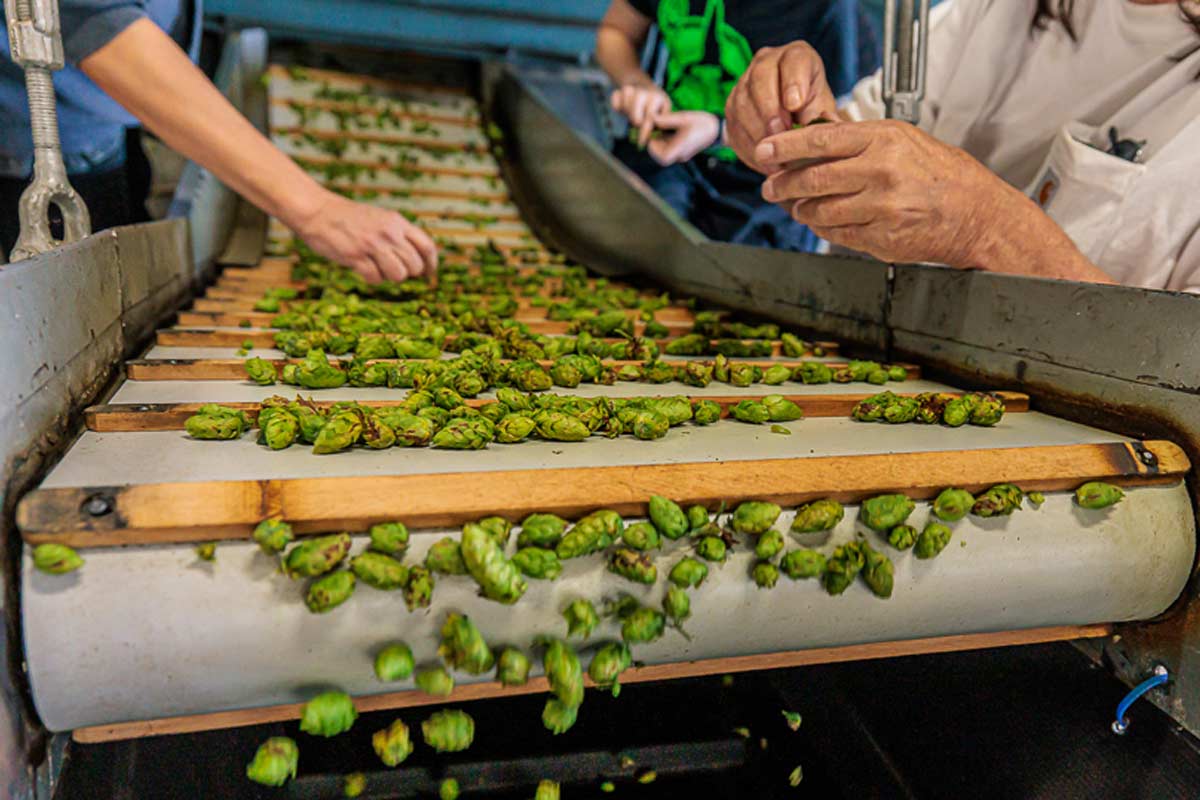
At Top Hops, Trowbridge oversees the "jungle" of the harvest, a period where timing is everything. Hops must be harvested at the peak of their lupulin maturity—the yellow dust inside the cone containing the essential oils and alpha acids. Trowbridge’s approach involves daily debriefs and rotating task schedules, ensuring that the labor force remains effective under the physical strain of harvest. Her role highlights a critical shift in the industry: the move away from anecdotal farming toward data-centric management where every variable is tracked and optimized.
Stewardship and Sensory Education at Bell’s Brewery
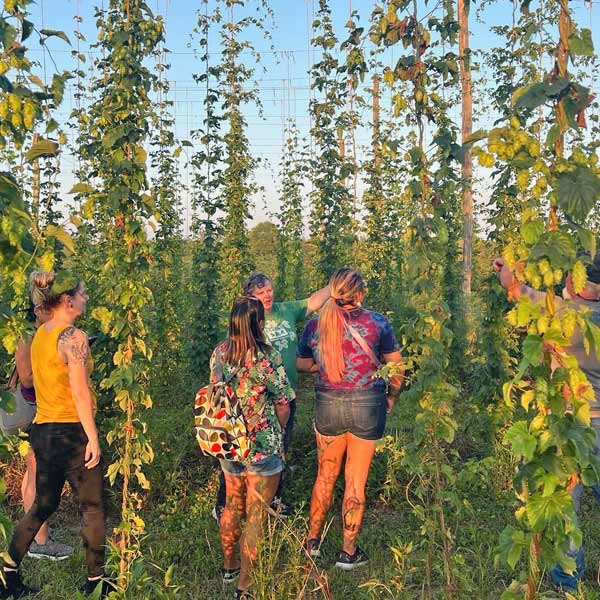
In Comstock, Michigan, the legendary Bell’s Brewery maintains its own hop yard, managed by Bonnie Steinman and Elizabeth Mullins. Steinman, a horticulturist and co-founder of Hop Head Farms, serves as the land steward, focusing on the intersection of local agriculture and brewery sustainability. Her mentorship of Mullins, who leads field operations and pest scouting, represents a deliberate effort to cultivate the next generation of female agricultural leaders.
One of their most significant contributions to the industry is the "Hideaway," a lush gathering space located directly beneath the towering bines. Inspired by Oregon’s TopWire Hop Project, the Hideaway serves as an educational tool, allowing brewers and consumers to experience the crop in its raw, living state. Steinman emphasizes the sensory aspect of the harvest, teaching staff to identify the shift in Chinook hops from grassy notes to pineapple and resinous oils through daily "rub and smell" tests. This focus on the organoleptic qualities of the hop ensures that the final beer reflects the specific terroir of Michigan soil.
The Michigan Chinook: Defining a Regional Identity
Central to the state’s identity is the Michigan-grown Chinook hop. While Chinook is a standard variety in the Pacific Northwest, the Michigan version has been found to exhibit a distinct flavor profile—often described as having more prominent notes of pineapple and citrus and less of the piney harshness associated with its Western counterparts.
Rose Stahl, co-owner of Mr. Wizard’s Hops in Monroe, has been a key advocate for this variety. Since 2017, she has helped organize the Chinook Cup, a competition held at the Great Beer State Conference that honors the highest quality harvest of the state’s signature hop. Stahl’s entry into the industry was born of necessity; after a catastrophic flood destroyed their corn crop, her family pivoted to hops on the advice of her son, a brewer. Over a decade later, she remains a fixture in the community, proving that small-scale family farms can achieve national recognition through specialization and community engagement.
Economic Impact and the Path Forward
The Michigan hop industry is inextricably linked to the state’s $9.9 billion craft beer economy. With over 400 breweries operating in the state, the demand for local ingredients remains a primary driver for agricultural growth. However, the industry faces significant headwinds. Market contraction in the craft sector and the rising costs of labor and specialized machinery (such as picking machines and kilns) have forced many smaller growers to scale back or exit the market.
Amy Tennis of the Michigan Hop Alliance notes that the "behind-the-scenes" labor of women—handling bookkeeping, grant applications, irrigation management, and fundraising—is often what keeps these operations solvent during lean years. Farming is a "long game," and the ability to adapt to year-over-year climate and market data is essential for survival.
As the industry matures, the focus is shifting from pure acreage to quality and branding. Researchers like Nicole Shriner at MSU are working to ensure that "Michigan Hops" becomes a protected or recognized designation of quality, similar to wine appellations. This effort to carve out a unique identity is being led by the women who have spent the last fifteen years mastering the nuances of the 45th parallel’s soil and climate.
Conclusion and Broader Implications
The story of Michigan hops is one of resilience and reinvention. While the physical bines are strong enough to "wrestle a jungle," the industry’s true strength lies in the expertise of its female leaders. From the scientific rigor of Erin Lizotte to the propagation mastery of Julie Kane and the industrial precision of Mel Trowbridge, these women are the architects of the Great Lakes hop resurgence.
The continued success of the Michigan hop industry will depend on its ability to address climate challenges and market volatility through innovation. By fostering a diverse professional landscape and elevating the visibility of its female contributors, Michigan is setting a precedent for the future of American specialty agriculture. The next time a consumer enjoys a craft beer with Michigan-grown hops, they are tasting the result of a sophisticated, female-led agricultural network that has successfully reclaimed a piece of the state’s heritage.