admin
As Decanter’s highly anticipated Top 50 US Wines of 2026 list progresses, the unveiling of wines ranked 20 through 11 on Day 4 offers a deeper insight into the dynamic and diverse landscape of American fine winemaking. This segment of the countdown spotlights a remarkable array of producers, from storied estates with decades of history to innovative projects pushing the boundaries of viticulture and enology across California, Washington, and New York. Each of these wines achieved a score of 95 points or higher from Decanter’s discerning US-based reviewers within the last 12 months, signaling their exceptional quality and significance in the current fine-wine scene.
Decanter’s Rigorous Selection Process and the Evolving US Wine Landscape
The annual Decanter Top 50 US Wines list is a testament to the meticulous evaluation undertaken by the publication’s experienced US-based reviewers. The selection criteria are stringent: wines must score 95 points or higher in recent tastings, ensuring that only those exhibiting outstanding quality, complexity, and typicity make the cut. This rigorous methodology underpins Decanter’s commitment to providing authoritative guidance on the best wines emerging from the American market. The 2026 list, in particular, aims to capture the full spectrum of innovation and tradition, highlighting not just the established giants but also the rising stars and unique terroirs that define the contemporary US wine industry.
This latest release, spanning ranks 20 to 11, presents a fascinating cross-section of the American fine-wine scene. It showcases some of California’s most historic vineyards, particularly within Napa Valley and Sonoma County, alongside a powerful Cabernet Sauvignon from Washington State, an intriguing collaboration from the Finger Lakes, and a dedicated old-vine Zinfandel project from the San Francisco Bay Area. A significant portion of this tier is dedicated to Sonoma County Pinot Noir and Chardonnay, underscoring the growing recognition of distinct sub-regions like the Moon Mountain District and the evolving identity of the Sonoma Coast as a premier cool-climate viticultural area. These selections include both long-standing pioneers and newer names with deep historical roots, reflecting a balance between heritage and forward-thinking approaches.
Beyond the rankings, Decanter is enhancing the experience for wine enthusiasts. To celebrate the 2026 list, readers have the opportunity to enter a prize giveaway for a pair of tickets to a 2027 Decanter Fine Wine Encounter Grand Tasting, an event offering unparalleled access to the world’s finest wines and winemakers. Additionally, Decanter Premium members gain exclusive access to a curated list of 200 more top wines, including highly anticipated 2023 Napa Cabernets, Oregon Pinot Noirs, West Coast Chardonnays, and holiday values. A special 20% discount is available for new subscribers in November using the promo code TOPUS2026.
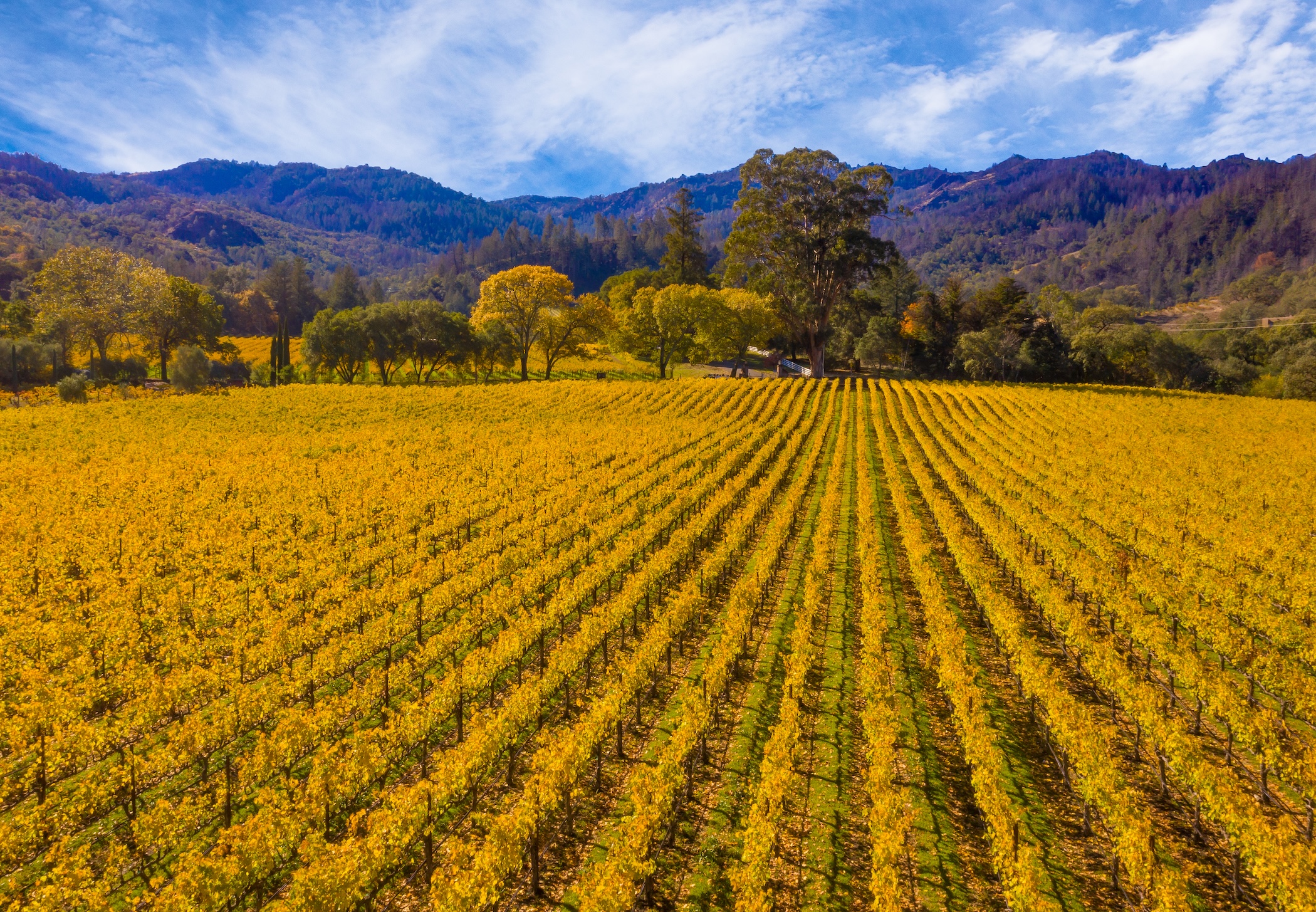
Spotlight on the Exceptional: Wines Ranked 20 to 11
Wine No. 20: Stewart Cellars, Nomad Beckstoffer Las Piedras Vineyard, Cabernet Sauvignon, St Helena, Napa Valley, California, USA, 2023
Score: 98 Points
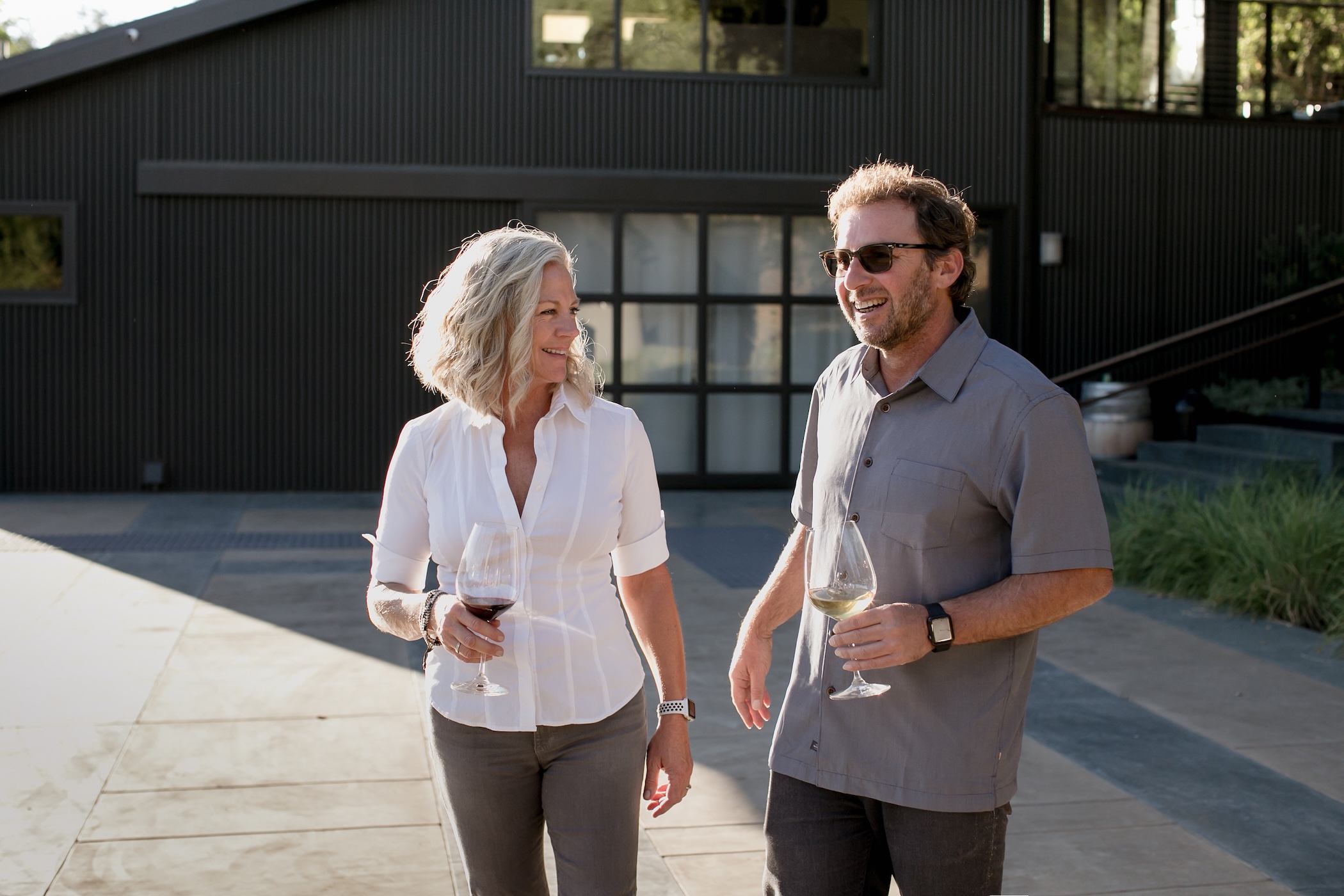
This Cabernet Sauvignon embodies the pinnacle of Napa Valley viticulture, stemming from a partnership between Stewart Cellars and the legendary Beckstoffer Vineyards. Andy Beckstoffer is widely regarded as Napa Valley’s pre-eminent grape grower, owning a portfolio of six historic vineyards that supply fruit to an elite group of wineries. Among these esteemed clients is Stewart Cellars, a family-owned winery founded in 2000 by Michael Stewart, who transitioned from a career in computer engineering to pursue his passion for wine. He successfully recruited renowned consultant Paul Hobbs to craft his early wines. In 2017, his children, James and Caroline, took the helm. Caroline, having interned for Hobbs at Crossbarn, met Blair Guthrie, who is now Stewart’s accomplished winemaker.
Beyond their own historic Montecillo estate vineyard in Sonoma County’s Moon Mountain District, which they dry farm organically, Stewart Cellars also produces Cabernet from all six Beckstoffer heritage vineyards, bottled under their exclusive NOMAD collection. The 22-acre Las Piedras Vineyard, meaning "little pebbles," has been owned by Beckstoffer since 1983, but its history stretches back to the 1840s as the first vineyard in the St. Helena area, initially planted with Mission grapes before transitioning to fine-wine varieties in the 1860s. Beckstoffer replanted Las Piedras with two clones of Cabernet Sauvignon shortly after acquiring it. From the exceptional 2023 vintage, which saw four other Beckstoffer-designated Cabernets from Stewart score 98 points and their Montecillo bottling achieve a remarkable 99 points, the Las Piedras stood out. Reviewers praised Guthrie’s crafting of a "beautifully polished, classically fashioned Cabernet" that is both immediately enjoyable and possesses significant aging potential, capable of evolving gracefully for decades. Its aromatic complexity of sagebrush, tobacco, and loamy earth, coupled with a full-bodied palate framed by sleek, fine-grained tannins, truly sets it apart.
Wine No. 19: Melka Estates, La Mekerra Vineyard Proprietary White, Knights Valley, Sonoma County, California, USA, 2023
Score: 98 Points
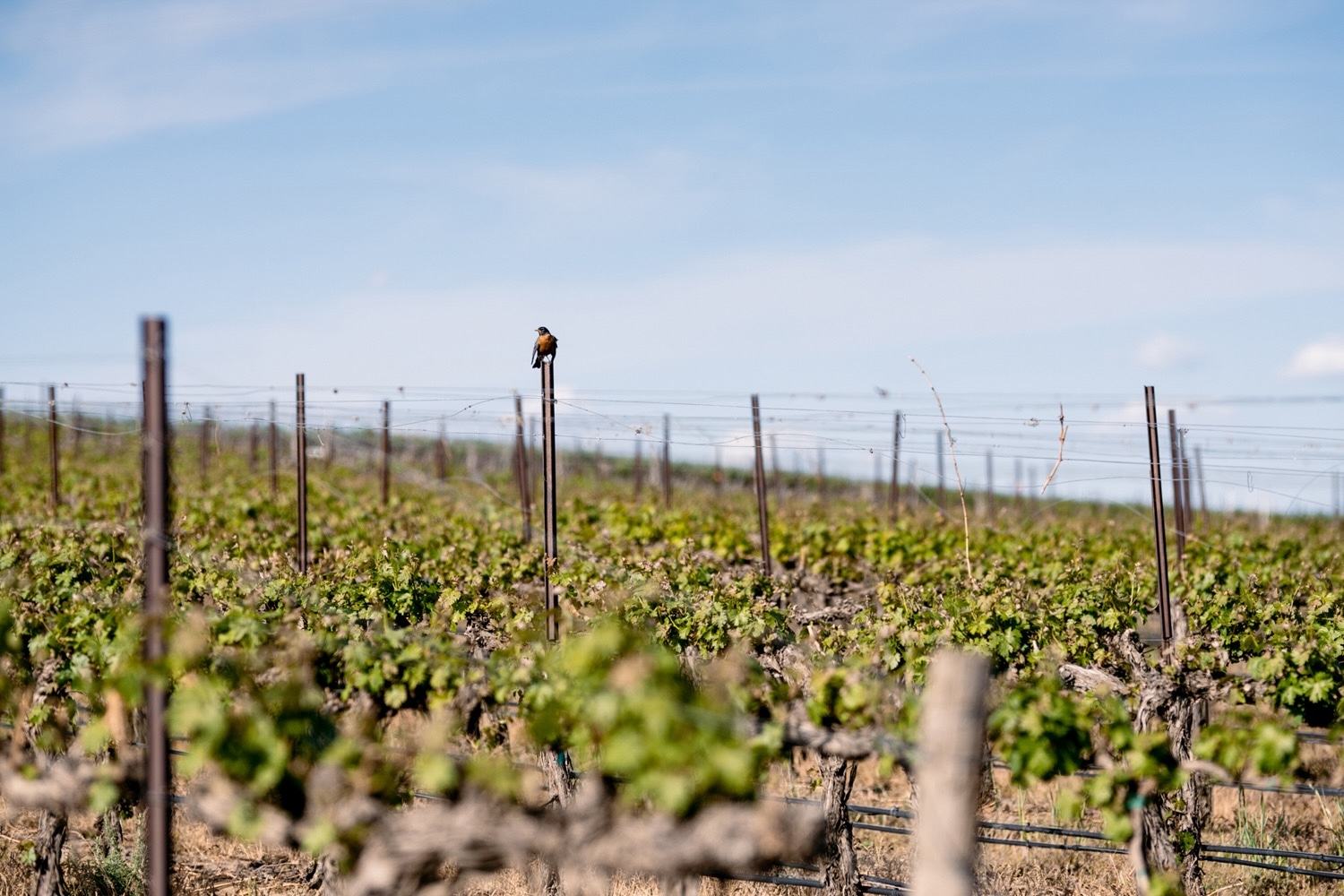
While California is often celebrated for its mountain Cabernets, Melka Estates presents a compelling case for a "mountain white." This proprietary white blend, predominantly Sauvignon Blanc with a touch of flinty Muscadelle, has been hailed by reviewer Jonathan Cristaldi as "one of the absolute best Sauvignon Blancs that Philippe and Cherie Melka have produced." Now in its 13th vintage, the wine originates from Melka Estates’ La Mekerra Vineyard, nestled in Knights Valley at elevations ranging from 2,300 to 2,500 feet, situated above the renowned Peter Michael property. The site’s unique terroir, characterized by volcanic ash and heavy clay soils, contributes significantly to the wine’s distinctive profile.
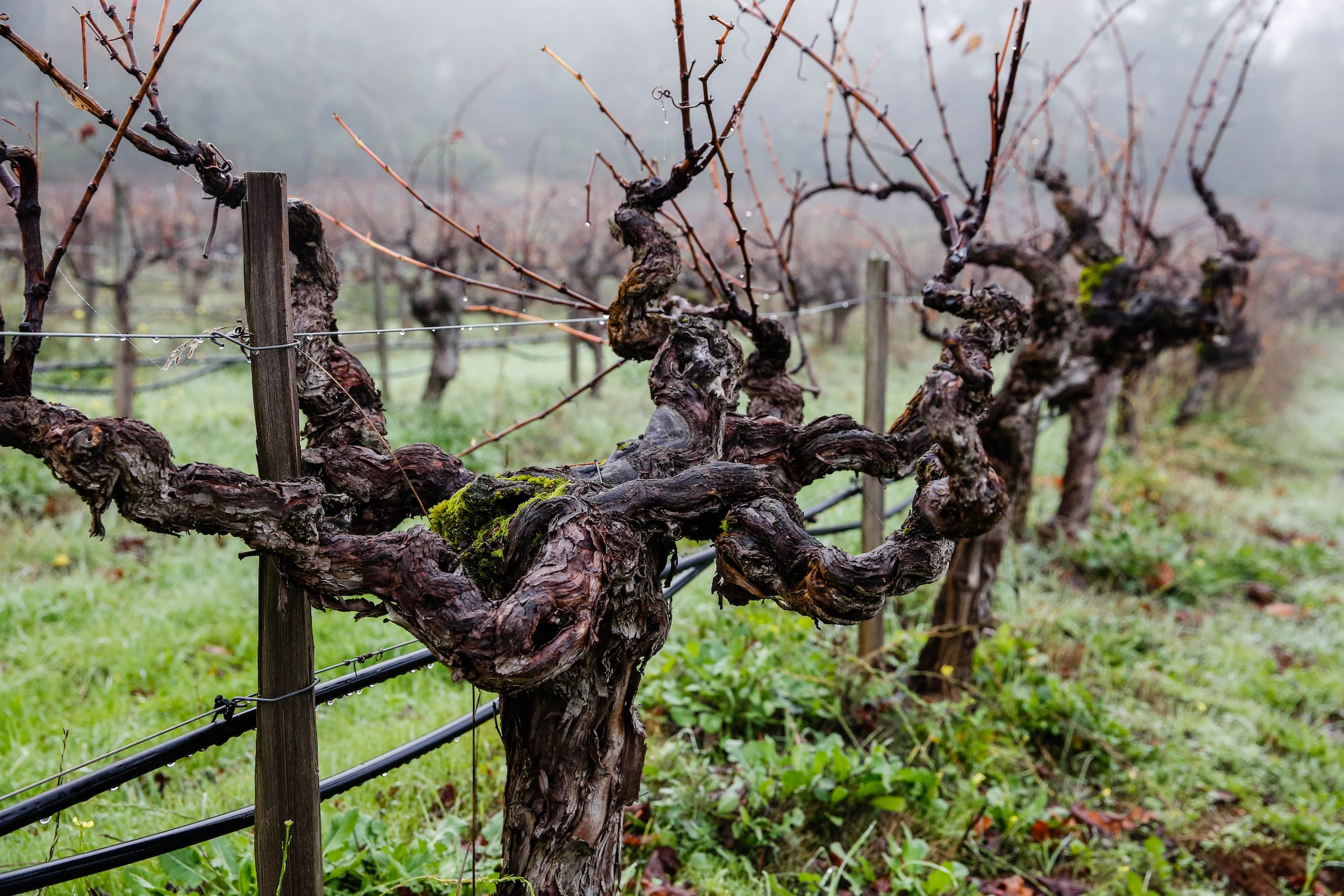
Philippe Melka, a French-born, highly sought-after consultant whose Atelier Melka clients include illustrious names like Lail Vineyards, Moone-Tsai, Roy Estate, and Spring Mountain Vineyard, collaborates with his wife, Cherie, a microbiologist and enologist with experience at Beaulieu Vineyard, Ridge, and Silver Oak. The Melkas acquired the Knights Valley land in 2001, planting red varieties in 2004, prior to purchasing their Napa estate in St. Helena in 2011. The volcanic ash and clay soils proved exceptionally well-suited for white varieties such as Chardonnay and Sauvignon Blanc. The La Mekerra white is 100% barrel-fermented with mostly indigenous yeasts and aged for 18-20 months in cigar barrels, which are larger than standard barriques. This meticulous approach yields a wine that is ultra-fresh, bright, and precision-focused, with friendly yet intense acidity, ripe fruit notes, subtle oak spices, and apricot and white floral notes. Unlike many Sauvignon Blancs, this is not a "drink-me-now" wine; it is built for longevity, capable of aging for 10 to 15 years. The 2023 vintage, which also saw four other Melka Estates wines score between 97 and 99 points, marks a spectacular way to celebrate their 30th anniversary.
Wine No. 18: Quilceda Creek, Cabernet Sauvignon, Columbia Valley, Washington, USA 2023
Score: 97 Points
For connoisseurs of Washington wine and sophisticated, age-worthy Cabernet Sauvignon, Quilceda Creek requires little introduction. Founded in 1978 by Alex and Jeannette Golitzin, it was a pioneering venture, becoming only the 12th bonded winery in Washington since Prohibition. Alex Golitzin, born in France after his family fled Russia, had the unique advantage of mentorship from his uncle, the legendary California winemaker Andre Tchelistcheff, who sponsored his move to the US and offered invaluable winemaking guidance. The winery quickly garnered acclaim, with its wines evolving in complexity as vineyard sources expanded.
A pivotal moment came in 1986 when Quilceda Creek began sourcing Cabernet from the Champoux Vineyard in the Horse Heaven Hills AVA. Planted in 1972, Champoux is now widely recognized as one of Washington’s finest sites, known for producing powerful yet elegant Cabernet from its relatively cool microclimate within the warm AVA. Champoux has since become the cornerstone of Quilceda Creek’s Columbia Valley bottling; the winery gradually acquired a stake, then majority ownership, and finally full ownership this year. Portions of the vineyard have been replanted to maintain its vitality. Winemaking transitioned to the Golitzins’ son, Paul, in 1992. Today, as president, Paul leads a dedicated team including general manager Scott Lloyd, winemaker Mark Kaigas, and vineyard manager Dan Nickolaus. Recent years have seen the addition of new vineyards, such as Mach One, also in Horse Heaven Hills, which now contributes a small, successful portion to the Columbia Valley blend. New small-lot wines like Palengat, Galitzine, Tchelistcheff, and CVR have also been introduced, all achieving high scores in 2023. However, the Columbia Valley bottling, a 100% Cabernet aged 22 months in 100% new French oak, remains the flagship offering with wider availability beyond the winery’s private membership program. It is this wine that has consistently upheld Quilceda Creek’s reputation for exceptional quality over decades, delivering dark berry fruit, currant, black cherry, sandalwood, and a distinctive dusty mineral and earthy character, all framed by refined, gravelly tannins.
Wine No. 17: Hanzell Vineyards, The Ambassador’s 1953 Vineyard Pinot Noir, Moon Mountain District, Sonoma County, California, USA 2023
Score: 98 Points
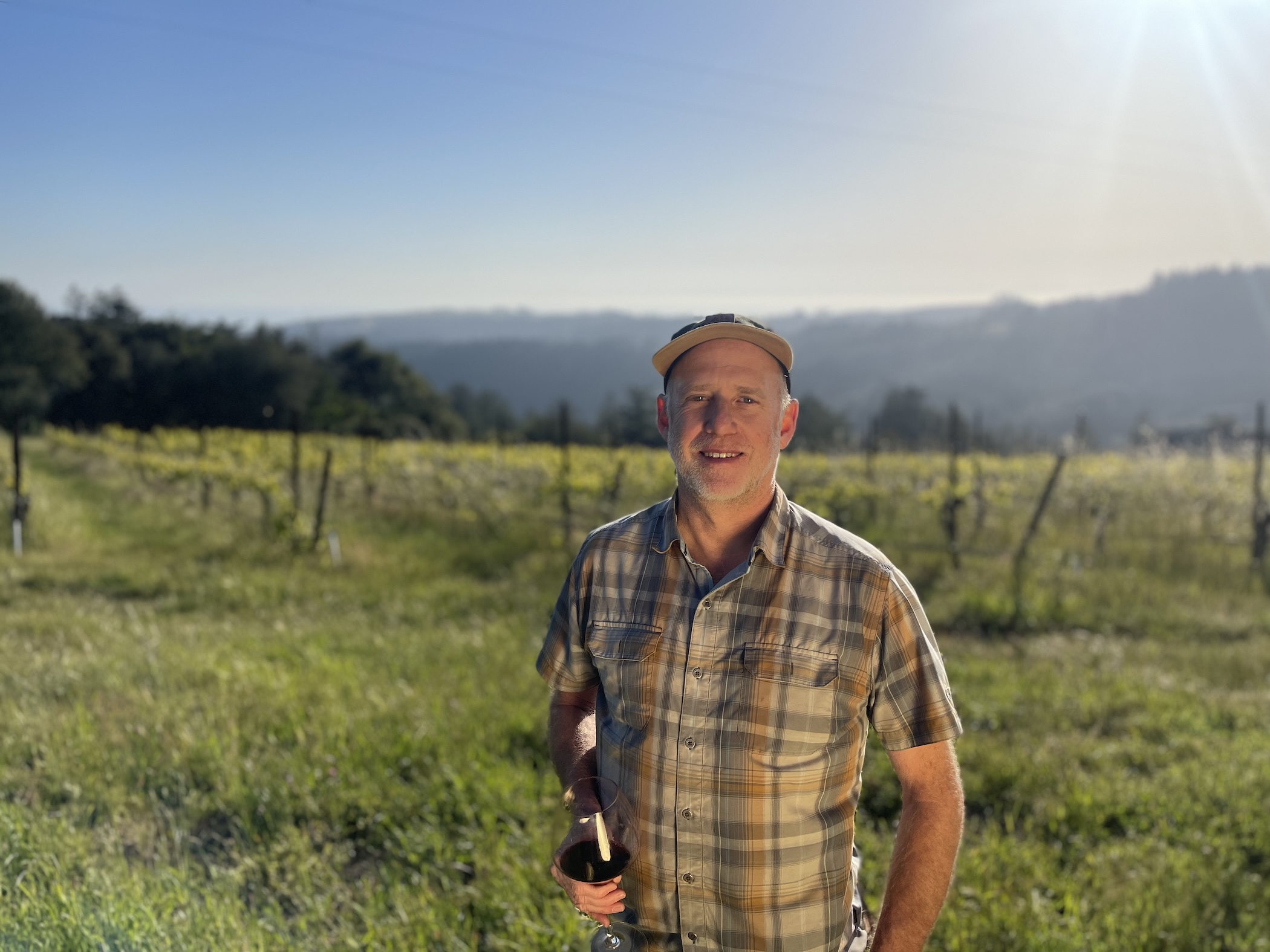
Under the visionary leadership of president and director of winemaking Jason Jardine, Hanzell Vineyards has become a beacon of holistic, regenerative agriculture over the past decade. The 46 acres of vineyards are not monocultures but rather vibrant ecosystems, interplanted with fruit orchards, vegetable gardens, and diverse cover crops, all surrounded by native forests. The vineyard team employs a rotational grazing system involving cows, sheep, pigs, chickens, geese, and ducks, meticulously managed to enhance soil fertility and minimize the environmental impact of machinery. This innovative approach reflects a deep respect for the land and is part of a continuum of progressive thinking that has defined Hanzell throughout its history, from the long tenure of former winemaker Bob Sessions to the current proprietor, Alexander de Brye, whose family has owned the property since 1975.
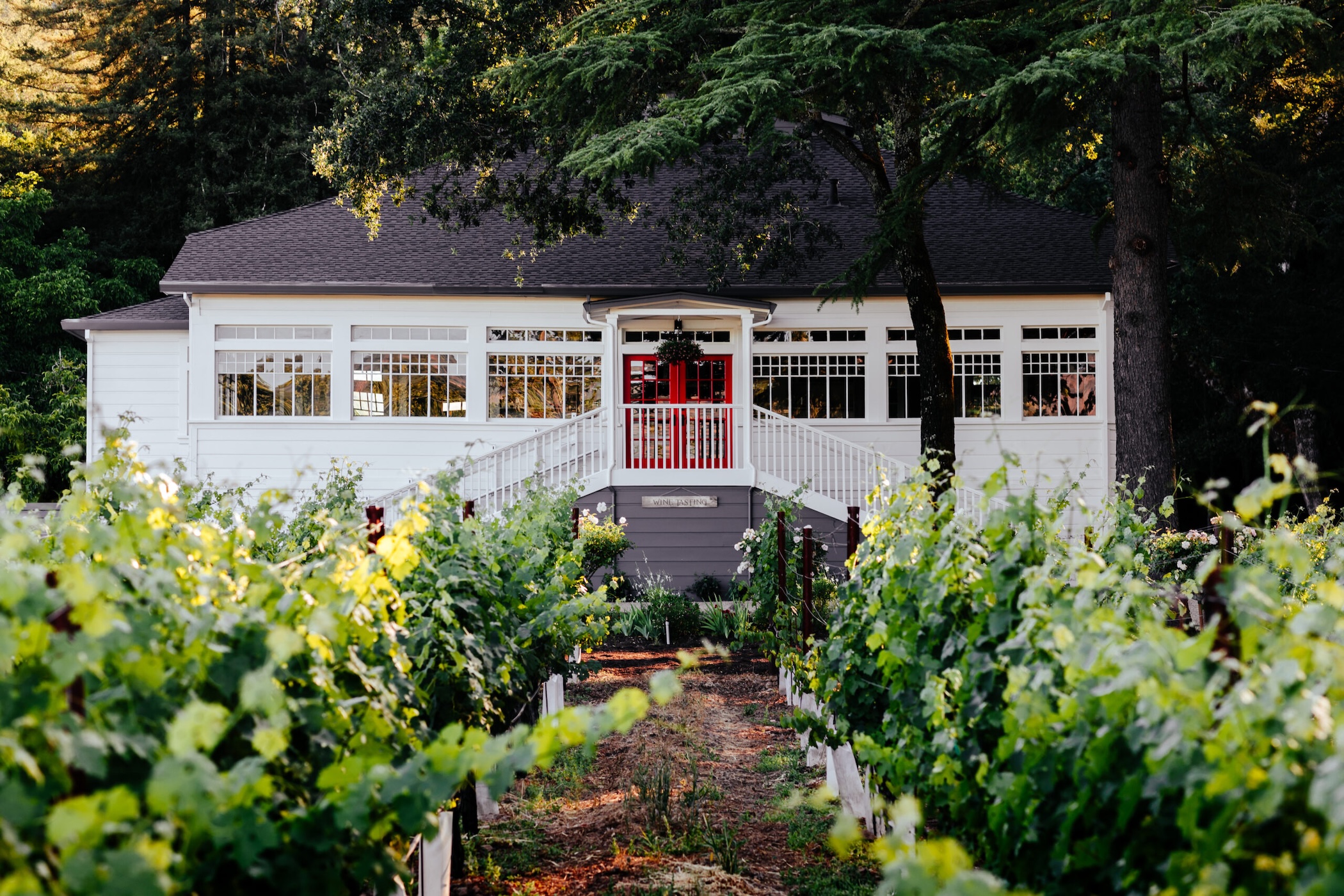
The organic-certified vineyard from which this wine hails is named in honor of Hanzell’s founder, Ambassador James D. Zellerbach. In 1953, Zellerbach, inspired by his time as ambassador to Italy and his experiences in Burgundy, established the winery with winemaker Brad Webb and viticulturalist Ivan Schoch. His pioneering vision focused on Chardonnay and Pinot Noir, varieties then scarcely planted in California. The Ambassador’s 1953 Vineyard stands today as the oldest continuously producing Pinot Noir vineyard in North America. Situated in the rugged volcanic soils of the Moon Mountain District on the western slopes of the Mayacamas Mountains, the area benefits from a cooler climate due to its greater Pacific Ocean influence, yet its sunny hillsides remain warmer than the Sonoma Valley floor, creating ideal conditions for Pinot Noir. This small-lot wine, from the original two-acre Ambassador’s block, celebrated its 70th anniversary with the 2023 vintage. Further reflecting Hanzell’s commitment to sustainability, it is bottled in lightweight, US-made glass without foil capsules to reduce its carbon footprint. Reviewers lauded this wine as "fantastic and very seductive," noting its deep ruby hue, striking aromas of cooking herbs (thyme, bay leaf) mingled with bright tart raspberry and citrus, and a focused palate of pomegranate juice and pluot with a spicy, mineral edge, all supported by bright acidity and fine tannins.
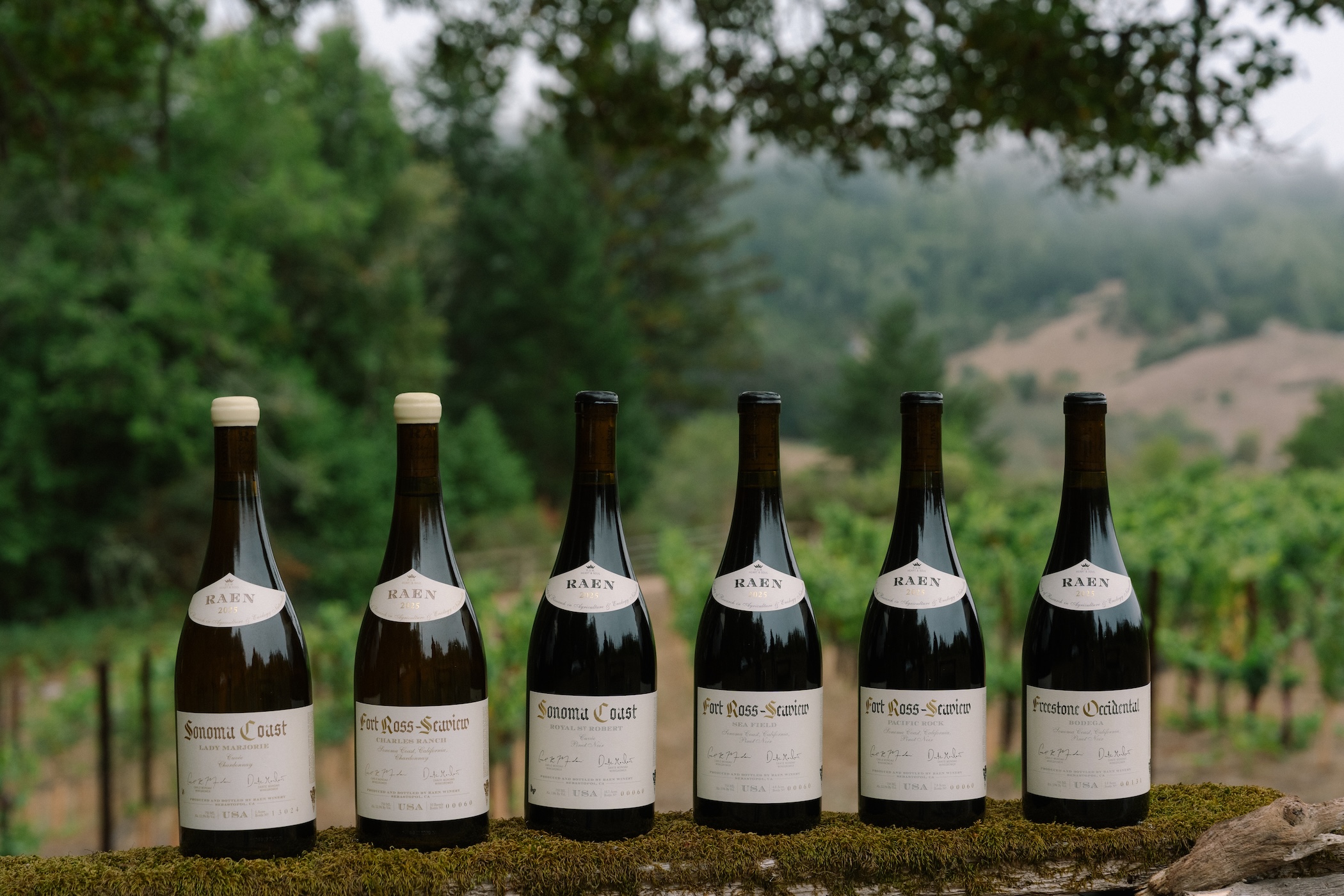
Wine No. 16: Raen, Pacific Rock Pinot Noir, Fort-Ross-Seaview, Sonoma Coast, Sonoma County, California, USA 2024
Score: 98 Points

The winegrowing brothers Carlo and Dante Mondavi, grandsons of the iconic Napa vintner Robert Mondavi and sons of Continuum founder Tim Mondavi, have made significant "waves" with their Sonoma Coast project, RAEN, since its inception in 2013. The name RAEN, pronounced "rain," is an acronym for "Research in Agriculture and Enology Naturally," encapsulating their philosophy. Their commitment extends beyond eco-conscious farming in their vineyards; through initiatives like their Monarch Challenge rosé, they actively promote farming free of synthetic pesticides, supporting organizations like The Xerces Society for Invertebrate Conservation and Sonoma County Wildlife Rescue.
RAEN’s portfolio spans approximately 38 acres of Pinot Noir and Chardonnay vines across the Sonoma Coast, Freestone-Occidental, and Fort Ross–Seaview AVAs. The Pacific Rock vineyard, with fewer than 8 planted acres, is the newest addition to their esteemed collection. Perched on a ridge at around 1,000 feet of elevation and close to the Pacific Ocean, it is enveloped by wild forest, exposing the vines to the coast’s characteristic winds and abundant sunshine. This challenging environment fosters vines with thicker trunks, gnarled canopies, and thick-skinned grapes, which in turn impart a clear intensity of flavor and aroma to the wine. The 2024 vintage marks its inaugural release, emerging from a long, harmonious growing season on the Sonoma Coast with a "barn-storming first iteration." Winemaker Melanie McIntyre, adhering to RAEN’s general practice, employed native yeasts and 100% whole cluster fermentation for the Pacific Rock Pinot, aging it in neutral French oak barrels. The resulting wine offers an inviting mix of dried flowers and savory, umami notes, a complex palate of tart, dark berries with a sense of richness without weight, carried by fine-grained tannins, minerality, and freshness. Its tight structure suggests fascinating evolution over the coming years, making it a compelling addition to RAEN’s acclaimed portfolio.
Wine No. 15: Cobb, Diane Cobb Coastlands Vineyard Pinot Noir, Sonoma Coast, Sonoma County, California, USA 2023
Score: 98 Points
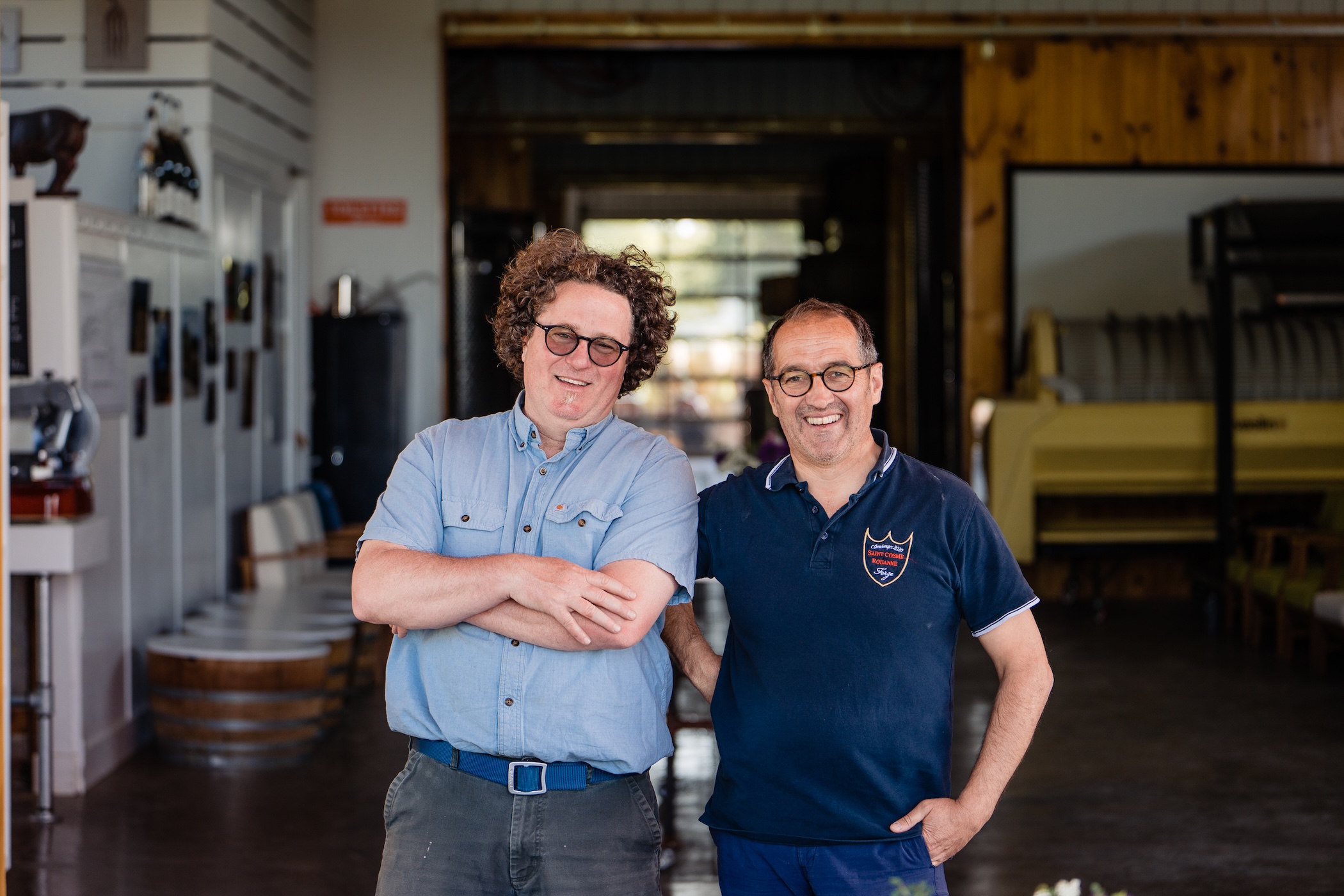
Another exciting Sonoma Coast project making waves is Cobb Wines, under the expert direction of Ross Cobb. With an impressive résumé that includes stints as winemaker at leading Pinot Noir estates such as Williams Selyem, Flowers, and Hirsch, Ross brings a wealth of experience to his family’s winery. He and his parents, David and Diane, established Cobb Wines in 2001, building upon the Coastlands vineyard that David (a marine biologist seeking retirement near the Pacific) and Diane had meticulously planted on a hilltop near Occidental.
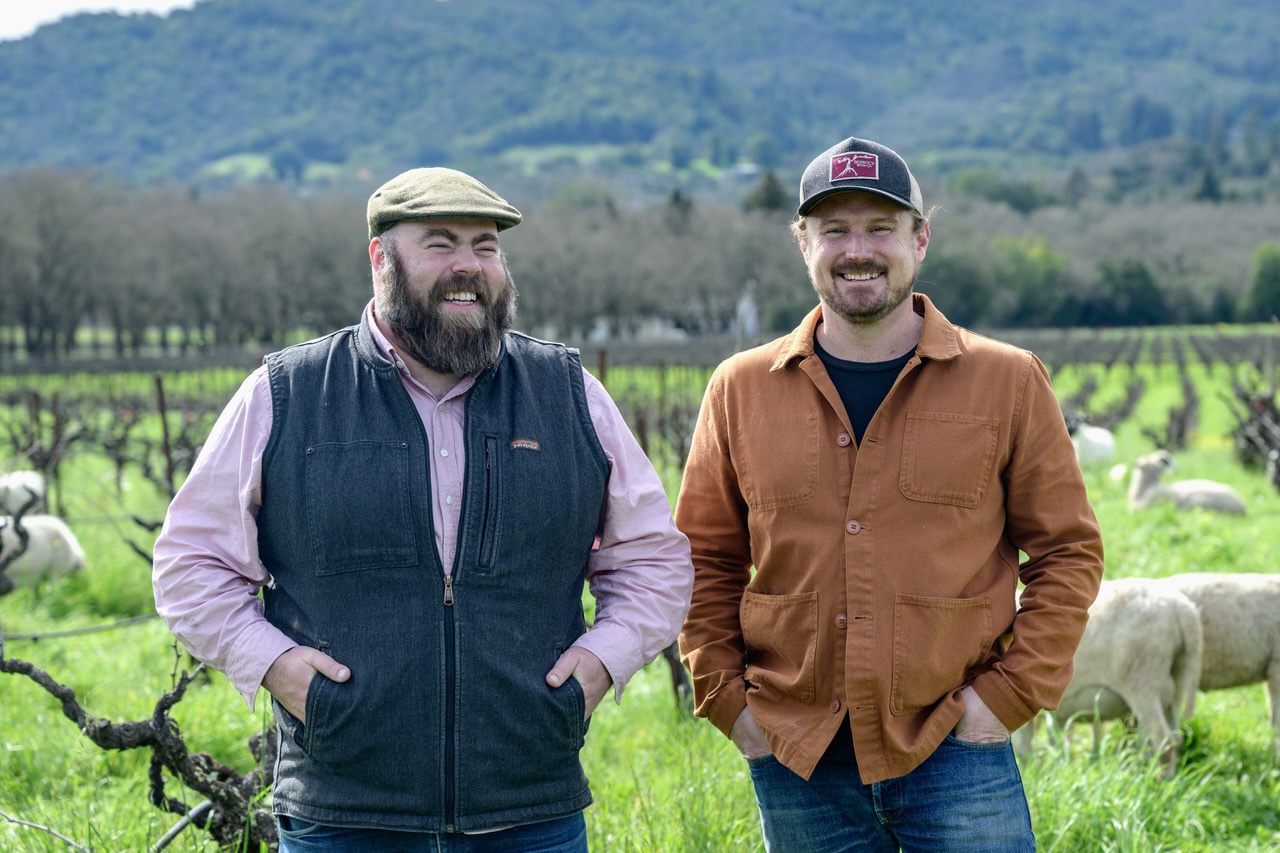
The Coastlands Vineyard, initially planted with Pinot Noir in 1989, features some of the oldest plantings on the Sonoma Coast. The original intention was solely to sell the high-quality fruit. However, while working with his family’s grapes at Williams Selyem, Ross became convinced of their potential for a dedicated label. He and his father built the business by personally selling their wines to top restaurants in the San Francisco Bay Area. Over the years, Ross expanded the estate, now overseeing three estate vineyards and sourcing from other esteemed Sonoma Coast and Anderson Valley growers, adding Chardonnay and Riesling to their acclaimed Pinot Noir lineup. The "Diane Cobb Coastlands Vineyard Pinot Noir" is a special bottling, crafted with 60% whole-cluster fermentation from the original own-rooted nursery block of Coastlands, and named in honor of his late mother, Diane. Reviewers consistently rank it among the best wines in the Cobb portfolio, describing the 2023 vintage as "quite delicious," with scents of dusty soils, eucalyptus, bay leaves, violets, and a woodsy note intertwined with citrus and berry. Its savory, concentrated mid-palate is remarkably lifted, leading to a spicy, balanced, and salty citrus finish, earning it a 98-point score and solidifying its place among the highest-scoring recent Sonoma Pinots.
Wine No. 14: AXR, Ritchie Vineyard, Sonoma County, California, USA, 2024
Score: 98 Points
As one reviewer aptly put it, "Seeing Ritchie Vineyard on a label is enough to excite on its own, but with Jean Hoefliger at the helm, expectations rise further." This sentiment perfectly captures the allure of AXR Napa Valley’s Chardonnay from the legendary Ritchie Vineyard. Jean Hoefliger, a partner and winemaker at AXR (and previously featured on this list for his 3/Thirds project), joined forces with Kelly Trevethan, Mark Schratz, and Don Van Laeken—collectively known as the FAB 4—to establish the winery in 2015. While AXR, based in St. Helena, is primarily known for its single-vineyard Cabernet Sauvignons (two of which garnered perfect 100-point scores in the 2023 vintage), this Chardonnay stands out as the sole white in their single-vineyard collection, and for its Sonoma County provenance from one of California’s most esteemed Chardonnay sites.
The Ritchie Vineyard, located in the Russian River Valley, was originally planted in 1972. Its old Wente clone vines thrive under the influence of coastal fog and in the prized sandy-loam Goldridge soils, which rest atop volcanic pumice. Farmed by Kent Ritchie, the grapes from this vineyard are highly sought after by other Chardonnay luminaries such as Aubert, Ramey, and Patz & Hall. AXR’s name itself carries historical significance, derived from the AxR1 rootstock, developed to resist the devastating phylloxera vine louse that ravaged vineyards in the 19th and 20th centuries. Although AxR1 eventually proved susceptible in the mid-1980s, leading to further replanting in Napa Valley, the partners chose the name to symbolize the valley’s enduring resilience, adaptability, and innovative spirit. Hoefliger’s masterful handling of the fruit, from vineyard to élevage, results in a complex, multidimensional, and highly compelling wine. The 2024 vintage, cropped at a low 1.5 tonnes per acre, showcases a measured richness with notes of lemon and tangerine oil, layers of apple and apricot, and a subtle beeswax undertone. Concentrated yet light on its feet, it concludes with a long