admin
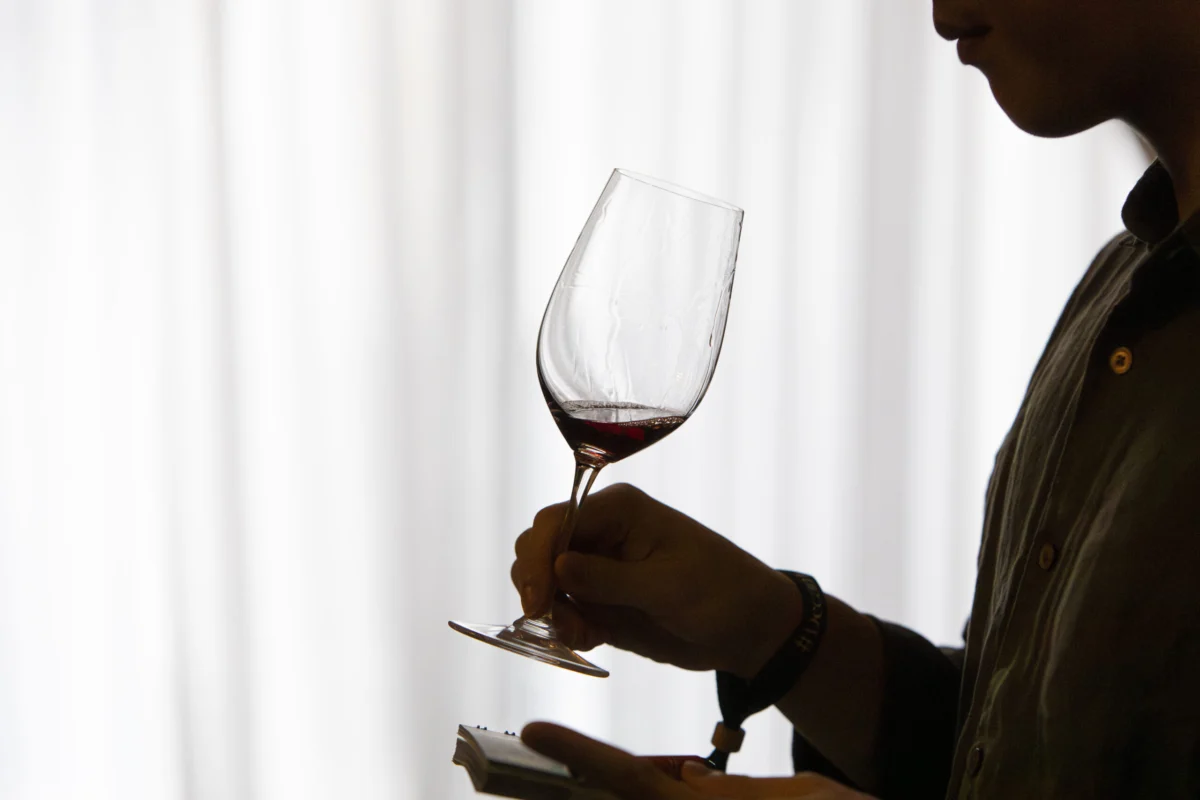
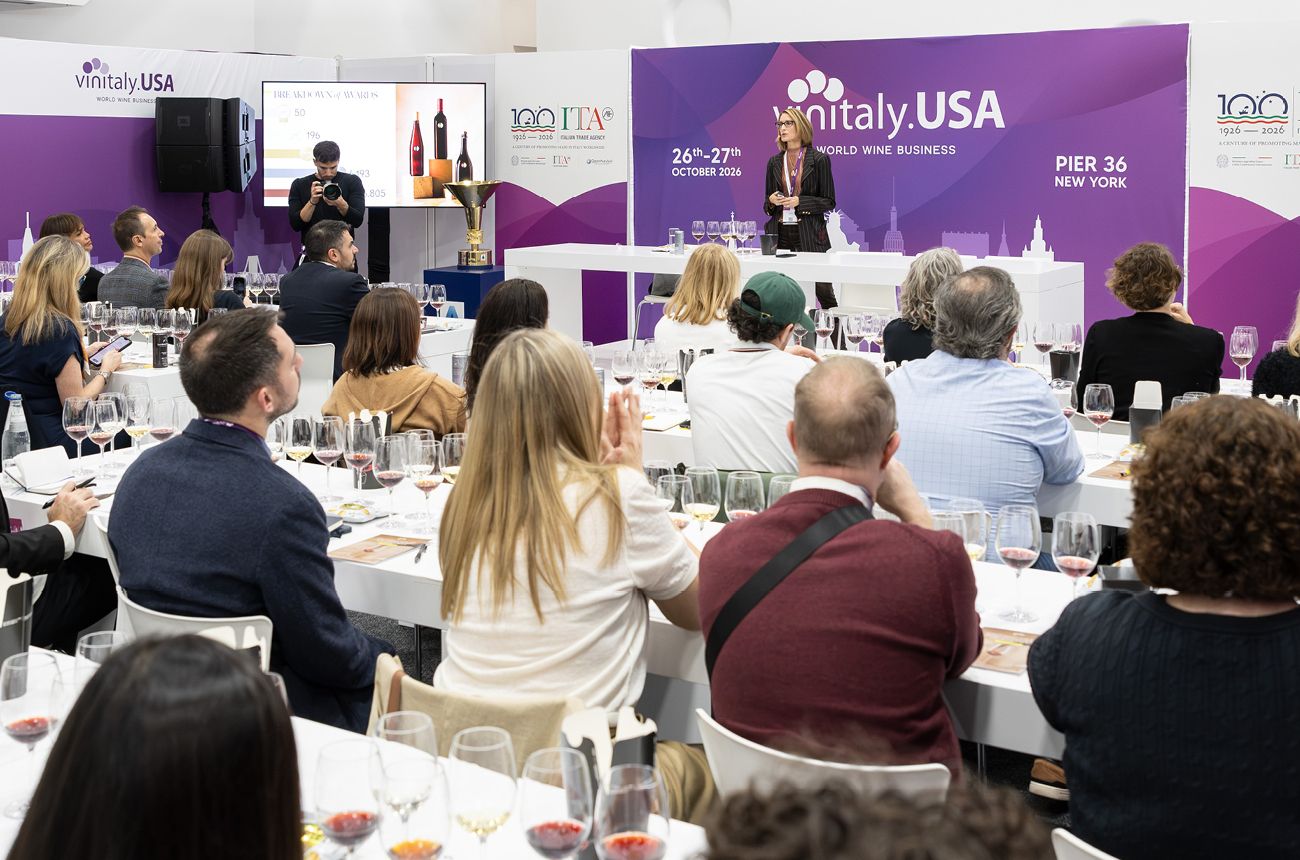
The unparalleled diversity of Italian wine, a characteristic often overshadowed by the global renown of its flagship reds from Barolo, Chianti, Montalcino, and Valpolicella, took center stage at Vinitaly.USA 2026. This premier showcase of Italian viticulture in the United States, held at New York City’s Pier 36, served as a crucial platform for exploring the country’s vast mosaic of appellations, indigenous grape varieties, unique winemaking traditions, and distinctive regional expressions. Amidst a bustling schedule of tastings and industry events, an exclusive seminar guided by international wine writer and educator Michaela Morris, Regional Chair for Piedmont at the prestigious Decanter World Wine Awards (DWWA), offered an attentive, fully booked audience a curated journey through Italy’s rich vinous landscape, highlighting six exceptional DWWA 2026 medalists.
Vinitaly.USA 2026: A Premier Showcase in New York
Vinitaly.USA, the American extension of Italy’s largest annual wine exhibition, Vinitaly, plays a pivotal role in promoting Italian wines to the North American market. Held annually, the event brings together Italian producers, importers, distributors, sommeliers, and media, fostering trade relationships and enhancing consumer awareness. The 2026 edition in New York City underscored the event’s commitment to education and insight, with Morris’s masterclass being a prime example. The bustling atmosphere at Pier 36, a venue renowned for hosting significant industry gatherings, reflected the burgeoning interest in Italian wines among American professionals and enthusiasts alike. For many Italian wineries, particularly smaller, family-owned estates, Vinitaly.USA offers an invaluable direct conduit to one of the world’s most lucrative and influential wine markets, facilitating partnerships and expanding their global footprint. The event is strategically timed to align with market trends and consumer demand, ensuring that the latest vintages and award-winning selections receive maximum exposure.
Decanter World Wine Awards 2026: A Global Benchmark
The Decanter World Wine Awards (DWWA) stands as the world’s largest and most influential wine competition, a critical benchmark for quality and excellence in the global wine industry. The 2026 competition, held in London in May, evaluated an astounding 17,000 wines from 58 countries. Its rigorous three-stage blind-tasting process is a hallmark of its integrity and prestige. A panel of 245 international wine experts, including 63 Masters of Wine and 24 Master Sommeliers, meticulously assessed each entry, ensuring that only wines of truly exceptional quality are recognized. This stringent methodology provides an unbiased evaluation, allowing wines to be judged solely on their merit, free from brand recognition or regional reputation. For consumers, a DWWA medal serves as a reliable guide to quality, while for producers, it offers invaluable international recognition and a significant boost in market visibility and credibility. Winning a top award at DWWA can dramatically impact a winery’s sales and reputation, opening doors to new markets and cementing its status among the world’s elite.
Italy’s Stellar Performance at DWWA 2026
Italy’s performance at DWWA 2026 was nothing short of spectacular, reaffirming its status as a global winemaking powerhouse. The nation secured an impressive total of 144 medals across the competition’s most coveted tiers: 109 Gold, 29 Platinum, and six highly prized Best in Show medals. This remarkable tally positioned Italy as the second most awarded country, only surpassed by France, a testament to the consistent quality and innovation emanating from its diverse wine regions. The six Best in Show medals, awarded to only 50 wines out of the tens of thousands entered, signify extraordinary excellence and represent the pinnacle of global winemaking.
Digging deeper into the results, Tuscany emerged as the most awarded Italian region within these top three tiers, a predictable yet consistently impressive outcome given its historical pedigree and the global demand for its Sangiovese-based wines. Piedmont followed closely, showcasing the enduring strength of its Nebbiolo and other indigenous varieties. However, Michaela Morris highlighted a particularly striking success story: Trentino-Alto Adige. This northern region, often celebrated for its crisp white wines and elegant sparkling wines, distinguished itself by earning the highest number of Platinum awards of any Italian region, with an impressive nine Platinum medals. This achievement underscores the region’s commitment to quality and its ability to produce world-class wines that resonate with international palates.
Beyond the established giants, the DWWA 2026 results also celebrated emerging and often overlooked categories. Morris specifically noted the inclusion of a Barbera from Nizza on the Best in Show list. This recognition challenged conventional perceptions, reminding the audience that "It’s not always just about the Barolos and Brunellos," and spotlighting the exceptional quality found in Italy’s broader spectrum of native grape varieties. This diversification of recognition is crucial for the sustainable growth and continued innovation of the Italian wine industry, encouraging producers to explore and refine their unique regional offerings.
The Masterclass: Unveiling Italy’s Terroir Tapestry
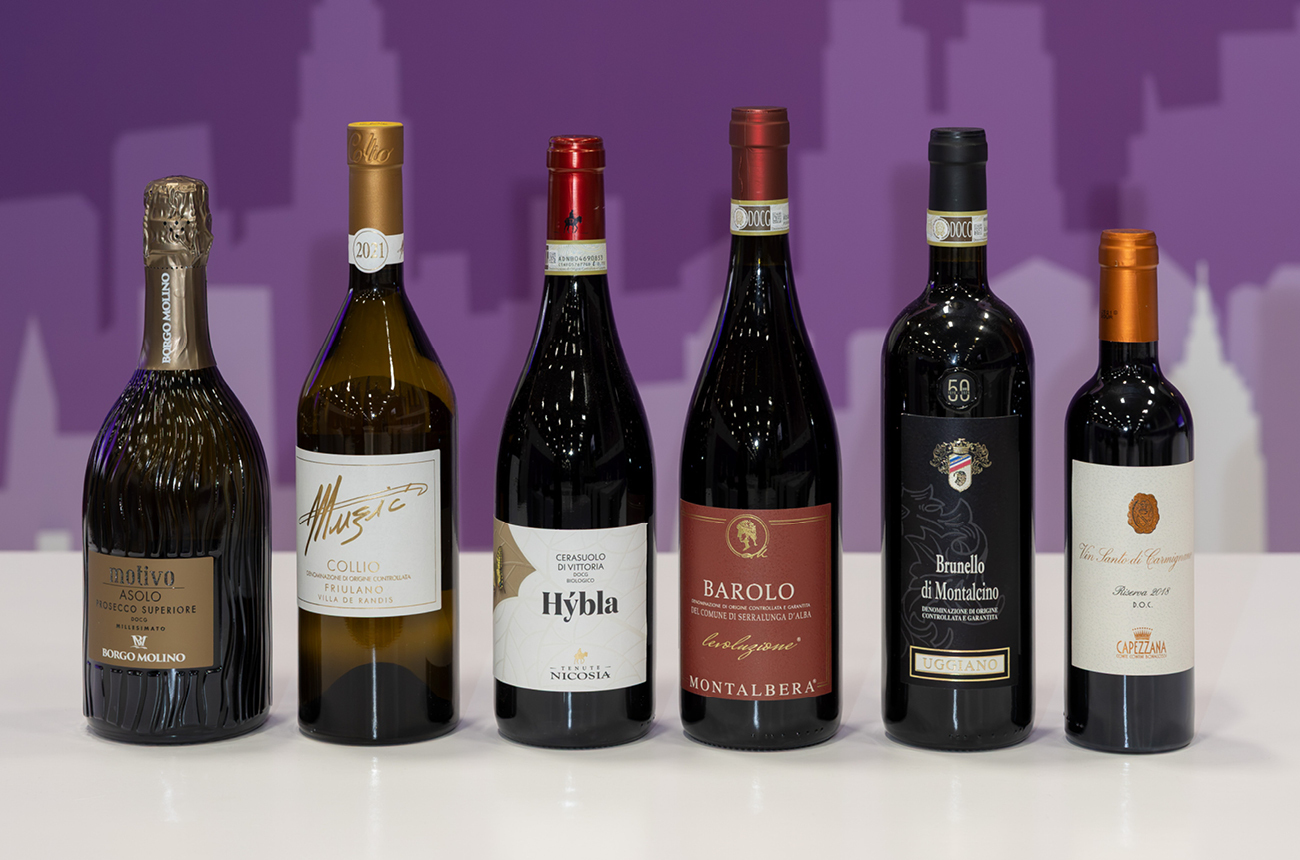
Michaela Morris’s masterclass at Vinitaly.USA 2026 was meticulously designed to illustrate Italy’s profound viticultural diversity through a curated selection of DWWA 2026 medalists. Her expertise, honed through years of judging and extensive knowledge of Italian terroir, provided attendees with a unique perspective on the characteristics that define these exemplary wines. The tasting journey commenced with a sparkling wine, setting a vibrant tone, and progressed through distinctive white and red wines before concluding with a traditional Tuscan dessert wine, each representing a unique facet of Italy’s winemaking heritage.
A Sparkling Overture: Asolo Prosecco’s Refined Expression
The tasting began with a sparkling wine from the Veneto region, a choice that immediately challenged preconceptions about Prosecco. Morris deliberately selected a wine not from the more famous Valdobbiadene-Conegliano area but from the smaller, yet equally significant, Asolo DOCG. "We often forget about the smaller region of Asolo where you get some really lovely Proseccos as well," Morris remarked, drawing attention to its distinct character. Asolo, situated across the river from Valdobbiadene, shares a similar hilly topography and comparable permitted yields for its Superiore designation. However, its unique soil composition, characterized by well-drained marl and sandstone, imparts a more delicate, mineral profile to its wines compared to the often fruitier expressions from its larger neighbor.
The Borgo Molino Motivo Millesimato Prosecco Asolo Superiore 2025 was one of four Proseccos to earn a Gold medal (95 points) at DWWA 2026, alongside one Platinum winner. Judges lauded its "fragrant potpourri, blossom and baked apple notes" and a "peachy palate with its fine mousse and subtle mineral aftertaste." This wine perfectly encapsulated Morris’s message of discovering excellence beyond the most prominent names, sparking enthusiastic discussion among the audience and highlighting the nuanced quality available within the broader Prosecco appellation.
Friuli’s White Jewel: The Age-Worthy Friulano
The masterclass then moved north to the Friuli-Venezia Giulia region, renowned for its exceptional white wines. In 2026, this region secured two Platinum and five Gold medals for its whites, a testament to its consistent quality. Among these was the Platinum-winning Villa de Randis Friulano Collio 2021 from Muzic, a family-owned winery Morris described as "a perennial achiever at DWWA." Collio, whose name aptly translates to "hill" in Italian, is an appellation blessed with a unique microclimate. It benefits from the cool air descending from the Alps to the north and the warm, moderating breezes from the Adriatic Sea to the south. Its hilly terrain, ranging from 165 to 900 feet above sea level, is characterized by layers of well-drained marl and sandstone, rich in marine fossils, contributing to the distinctive minerality and structure of its wines. Morris noted that "the wines from here are quite subtle," reflecting the elegant restraint often found in Collio expressions.
Muzic’s vineyards, including the historic Villa de Randis site with its 60- to 80-year-old vines, are located in the highest parts of the appellation. The family began producing this 100% Friulano bottling in 2018, distinguishing it with a practice of extended bottle aging—four to five years—before release, making the 2021 vintage their current offering. This commitment to aging allows the wine to develop complexity and depth. Awarding it 97 points, the DWWA judges praised its "stunning dried flowers, yellow apples, pears, apricots and peaches aplenty!" coupled with a "buttery texture, lingering acidity and a nutty mineral character on the finish." This wine eloquently demonstrated the aging potential and sophisticated character of Friuli’s indigenous white varieties.
Sicily’s Rising Star: Cerasuolo di Vittoria’s Historic Achievement
The journey continued south to the sun-drenched island of Sicily, where the Nicosia Hybla Biologico Cerasuolo di Vittoria 2023 achieved a Platinum medal and, notably, was named to the Best in Show list. This marked only the second time a Sicilian wine has received this ultimate recognition, signaling a significant moment for the island’s burgeoning wine industry. Cerasuolo di Vittoria is Sicily’s only DOCG (Denominazione di Origine Controllata e Garantita), a prestigious classification that guarantees quality and origin. It is located in the low-lying southeastern section of the island, where a mix of sandy, limestone, and clay soils provides ideal conditions for its unique blend.
The Hybla is a blend of 60% Nero d’Avola, providing structure and dark fruit, and 40% Frappato, contributing freshness and aromatic lift. To preserve the wine’s vibrant fruit and freshness, Nicosia employs a winemaking approach that primarily utilizes stainless steel, with only about eight months in large oak barrels. Morris, who personally judged the Platinum round in 2026, singled out the Hybla as Nicosia’s "modern interpretation" of Cerasuolo, noting its remarkable appeal: "There’s a joy and pleasure in drinking this wine." The DWWA judges concurred, describing the 2023 Hybla as "unique and unforgettable," praising its "aromatic blend of strawberry and cherry fruits with herbs, pepper and something a little more savoury and salami-like." Despite its bright and fresh palate, the wine concludes with "brisk acidity…balanced by a tannic grip that brings a little closing seriousness," showcasing its elegant complexity and food-friendliness.
Piedmont and Tuscany: Iconic Reds Reimagined
The latter half of the tasting session was dedicated to the regions most familiar and beloved by American consumers: Piedmont and Tuscany. While their reputations are well-established, Morris’s selections highlighted nuances and innovative approaches within these classic territories.
Barolo: Serralunga’s Elegance Beyond Power
Piedmont’s Barolo, often hailed as the "King of Wines," lived up to its regal reputation at DWWA 2026, with 10 wines earning Gold medals, two Platinum, and one Best in Show. The featured wine, Montalbera Levoluzione Serralunga d’Alba Barolo 2021, hailed from the commune of Serralunga d’Alba, traditionally known for producing Barolos of intense structure and pronounced tannins. Morris humorously referred to it as "the poster child for tannic Barolos." However, Montalbera, a multi-generational family winery primarily based in Monferrato and celebrated for its Ruchè wines, approaches Barolo production with a distinct philosophy. Morris explained that Montalbera "makes fruit-forward wines" and strives to "bring a lightness to the fruit and not overextract the wine." This approach, coupled with aging predominantly in large oak casks (botti), results in a Barolo that, while complex, maintains a certain elegance.
The 2021 Levoluzione displayed a "deep, brooding nose of purple flowers, Alpine herbs, ample blackberries and strawberries that wind up in a smoky haze of terroir-driven complexity." Morris underscored the impartiality of the DWWA judging process, noting, "We don’t know the villages when we judge. We just know it’s Barolo." This blind assessment ensures that the wine’s intrinsic qualities, rather than regional prestige, dictate its recognition. Montalbera’s success in Serralunga d’Alba showcases how a nuanced winemaking approach can yield a Barolo that is both powerful and refined, challenging traditional expectations of the sub-region.
Brunello di Montalcino: A Contemporary Classic from Uggiano
In Tuscany, the revered Brunello di Montalcino appellation garnered significant accolades at DWWA 2026, with a total of two Platinum and five Gold medals across the excellent 2020 and 2021 vintages. The highlighted wine, Uggiano Brunello di Montalcino 2020, came from a winery with a fascinating history. Established in the 1970s in Chianti Classico by Giuseppe Losapio, the estate was later sold to his dedicated employees—winemaker Daniele Prosperi, export manager Giacomo Fossati, and finance head Fabio Martelli—before Losapio’s passing at 100 years old. This transition underscores a commitment to continuity and passion for winemaking.
Uggiano’s Brunello is crafted from grapes sourced from six distinct vineyards spread across the eastern side of Montalcino, running north to south. This geographical diversity contributes to the wine’s complexity and balance. The 95-point, Gold medal-winning 2020 vintage was described by DWWA judges as having "fabulous red plums, rosemary, sage and earthy florals" and a "fulsome, smoky palate." Morris noted that both the Montalbera Barolo and the Uggiano Brunello, despite coming from prestigious and often high-priced categories, represent "great value," offering exceptional quality for their cost. This insight is particularly valuable for consumers seeking top-tier Italian reds without prohibitive expense.
A Sweet Conclusion: Tuscany’s Timeless Vin Santo
The masterclass culminated with a sweet wine, demonstrating Tuscany’s prowess beyond its celebrated reds. Vin Santo, a traditional Tuscan dessert wine, is a testament to patience and artisanal craftsmanship. Its production involves drying grapes on mats until they become raisined, concentrating their sugars and flavors. These shriveled grapes are then gently pressed, and the resulting must is placed into small, sealed barrels (caratelli) to undergo a slow, natural fermentation that can take months to initiate and years to complete. This extended process results in a wine of remarkable depth and complexity.
The Capezzana Riserva Carmignano Vin Santo Tuscany 2018 earned a Platinum medal and 97 points. This exquisite wine is a blend of 90% Trebbiano, a widely planted white grape, and 10% San Colombano, an obscure, ancient white grape primarily reserved for sweet wines. Morris, clearly captivated by its allure, declared, "I could drink this all day," a sentiment echoed by many attendees. She added, "You can feel the love in this wine," acknowledging the dedication and tradition inherent in its creation. The Capezzana estate, synonymous with the Carmignano denomination in northern Tuscany near Prato, boasts a winemaking history spanning over 1,000 years, with the Contini Bonacossi family having owned it for over a century. The DWWA judges described this "mouth-coating, honeyed, voluptuous wine" as possessing "exquisite dried figs, prunes and caramelised walnuts," balanced by "delectable kumquat acidity," and a "remarkable freshness on the enduring finish." Morris’s final comment, "If you don’t eat or drink anything after, you will be tasting this for the rest of the day," perfectly summarized the lingering impression of this exceptional sweet wine, a fitting close to a masterclass that celebrated the profound and multifaceted beauty of Italian viticulture.
Broader Implications: Diversity as Italy’s Strength
The Vinitaly.USA 2026 masterclass, underpinned by the rigorous evaluations of the DWWA 2026, served as a powerful reminder of Italian wine’s greatest asset: its unparalleled diversity. The success of regions like Trentino-Alto Adige, the recognition of a Barbera as Best in Show, and the historic achievement of Cerasuolo di Vittoria collectively point to a maturing and evolving global appreciation for Italy’s vast oenological landscape. This recognition extends beyond the traditional "big names," highlighting the immense quality and character found in less-mainstream appellations and indigenous grape varieties.
For the Italian wine industry, these accolades translate into significant economic and cultural benefits. Increased international recognition, particularly through platforms like Vinitaly.USA, can drive exports, boost tourism to lesser-known regions, and encourage further investment in sustainable and quality-focused winemaking practices. For consumers, the message is clear: the exploration of Italian wine should not be limited to a handful of famous labels. The country offers a treasure trove of unique, high-quality wines, each telling a story of specific terroir, ancient traditions, and passionate producers. The insights shared by Michaela Morris and the impressive DWWA results underscore that Italy’s future in the global wine market lies not just in its established icons, but in the vibrant, ever-evolving tapestry of its entire vinous heritage. The journey through Italy’s diverse wine regions, as experienced at Vinitaly.USA 2026, leaves no doubt that the country’s exceptional reds, whites, and sweet wines continue to set global standards for quality and character.
The Enduring Appeal of Italian Viticulture
As Vinitaly.USA 2026 drew to a close, with its halls still beckoning with dozens more wines to be sampled, the enduring appeal of Italian viticulture remained palpable. The masterclass not only celebrated individual wines but also championed a philosophy: that true understanding and appreciation of wine come from embracing its vast, intricate diversity. Italy, with its millennia of winemaking history, its mosaic of microclimates, and its dedication to local grape varieties, stands as a prime example of this philosophy. The consistent performance at international competitions like DWWA and the successful outreach at events like Vinitaly.USA ensure that this rich heritage continues to be discovered and celebrated by a global audience, solidifying Italy’s irreplaceable position at the heart of the wine world.