admin
admin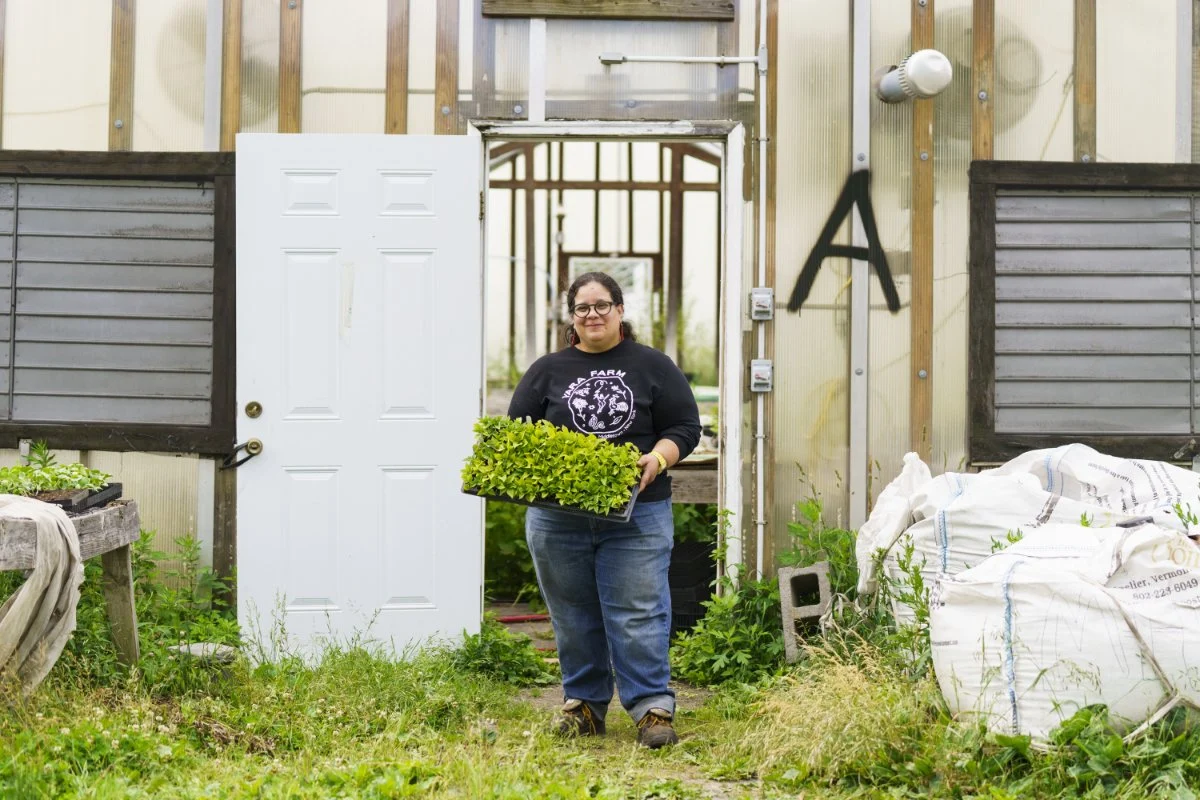
The agricultural landscape is undergoing a significant transformation, driven by innovative initiatives like the BIPOC Queer Expressway (BQE), an aggregation and distribution network co-founded by farmer and food justice activist Karen "Mama K" Washington and overseen by Gabriela Pereyra, Director of Operations at the Chester Agricultural Center. The BQE is strategically addressing systemic inequities in food systems by empowering Black, Indigenous, and People of Color (BIPOC) and queer farmers, ensuring authentic representation, and delivering fresh, often organic, produce to communities that have historically been marginalized and underserved. This collaborative model, leveraging partnerships and programs like Nourish New York, not only bolsters economic opportunities for diverse farmers but also challenges long-held perceptions about who grows our food and who deserves access to high-quality nutrition.
A Vision Born from Disparity: The Genesis of BQE
The conceptualization of the BIPOC Queer Expressway arose from a fundamental observation: the prevailing image of a farmer in the public consciousness, particularly in Western societies, is predominantly that of a white male. This narrow representation often obscures the rich diversity of individuals who cultivate the land and contribute to the nation’s food supply. Karen "Mama K" Washington, a veteran farmer and outspoken advocate for food sovereignty, articulated the core challenge: "When people think of farmers, they think of a white male, and a lot of the food that goes into communities of color—they don’t have our faces." This disconnect perpetuates a cycle where communities of color, often grappling with issues of food insecurity and limited access to healthy options, rarely see themselves reflected in the agricultural production chain.
The BQE was thus envisioned as a deliberate counter-narrative, a powerful statement of identity and purpose. Its name itself, a play on New York City’s Brooklyn Queens Expressway, symbolically reclaims urban infrastructure for a rural-urban connection centered on equity. The acronym "BIPOC Queer Expressway" signifies a commitment to inclusivity, encompassing individuals across a spectrum of racial, ethnic, and sexual identities—Black, Indigenous, People of Color, queer, and straight allies. This broad definition ensures that the network is a welcoming and representative space for all its members, fostering a sense of belonging and collective empowerment that has often been absent in mainstream agriculture. The initiative aims to create a visible and authentic presence for diverse farmers, ensuring that the food reaching communities of color is grown by people who share their cultural backgrounds and understand their needs.
Gabriela Pereyra: From Venezuelan Fields to New York’s Agricultural Hub
The operational backbone of the BQE is deeply intertwined with the expertise and dedication of Gabriela Pereyra, Director of Operations at the Chester Agricultural Center and co-owner of Yara Farm. Pereyra’s journey into agriculture began in her native Venezuela, where her undergraduate studies involved working directly with small farmers cultivating staple crops such as cocoa, rice, and white corn. This foundational experience instilled in her a profound understanding of community-based agriculture and the critical role of small-scale producers in food systems. Her passion for sustainable food systems led her to pursue advanced education, securing a scholarship to study agricultural systems in Germany for her Ph.D.

During her doctoral studies, Pereyra’s commitment to personal and professional growth extended to mastering English. A fortuitous encounter with a New Yorker, initially driven by a desire to improve her language skills, blossomed into a profound personal connection. Thirteen years later, they are married, their lives intertwined in both personal partnership and a shared agricultural endeavor. This personal connection proved pivotal in Pereyra’s relocation to the United States and her subsequent immersion in the New York agricultural scene.
The Urban-Rural Bridge: From Queens to Chester
Pereyra’s wife, a native of Queens, New York, grew up in a starkly different environment from the agricultural landscapes Pereyra knew. Raised in a redlined neighborhood—areas historically subjected to discriminatory housing policies that concentrated poverty and limited access to resources—her exposure to food production was minimal. For her, food primarily came from markets and was often subsidized by food stamps, reflecting a common reality in many urban centers grappling with food apartheid. This background provided a crucial perspective on the disparities in food access and the urgent need for equitable food systems.
The COVID-19 pandemic served as a catalyst for a significant life change for the couple. Confined to a small apartment in Queens during the initial outbreak, and with Pereyra having previously traveled extensively across the Northeast assisting BIPOC farmers with land access, capital, and market opportunities, the idea of owning their own land took root. Pereyra, witnessing the vulnerabilities exposed by the pandemic and driven by her agricultural background, convinced her wife to seek land outside the city.
Their search led them to a remarkable opportunity: a 27-acre parcel of raw land in the Hudson Valley, near the Chester Agricultural Center, which had lain fallow for an estimated 30 to 40 years. The acquisition was serendipitous, prompted by the tragic loss of the previous owner’s husband during the pandemic. The grieving widow, unable to continue farming herself, harbored a desire for the land to remain productive, to honor the dream she and her husband once shared. This convergence of circumstances allowed Pereyra and her wife to establish Yara Farm, laying the groundwork for their direct contributions to a more equitable food system.
Karen "Mama K" Washington: A Champion of Food Justice
Karen Washington, affectionately known as "Mama K," brings decades of experience as a farmer, food justice activist, and community leader to the BQE. Her work is deeply rooted in the principles of land sovereignty, food access, and empowering communities to nourish themselves. As a co-owner of Rise & Root Farm and a co-founder of Black Urban Growers (BUGs), Washington has been at the forefront of the food justice movement, advocating for policies and practices that address racial and economic disparities in the food system. Her commitment to dismantling systemic barriers has made her a revered figure, particularly in urban agriculture circles where she has championed the transformation of vacant lots into vibrant community gardens and productive farms.

Washington’s extensive advocacy has consistently highlighted the racial inequities in land ownership and access to capital for farmers of color. According to the USDA, farmers of color operate a disproportionately small percentage of U.S. farmland and face significant challenges in securing loans and resources compared to their white counterparts. Mama K’s work with the BQE directly confronts these statistics by creating an economic network designed to uplift and support these underserved agricultural entrepreneurs. Her vision extends beyond simply providing food; it encompasses fostering self-determination, wealth building, and cultural affirmation within BIPOC and queer communities.
The BQE Model: Aggregation, Partnerships, and Impact
The BQE’s operational model, spearheaded by Pereyra at the Chester Agricultural Center, is built on aggregation and strategic partnerships. The Chester Agricultural Center serves as a central hub, collecting produce from its own Yara Farm and other participating BIPOC and queer farmers. This aggregation model allows individual small farms to collectively meet larger demands, access broader markets, and streamline distribution, overcoming logistical hurdles that often challenge independent producers.
A significant turning point for the BQE came in 2024 with the leveraging of the Nourish New York program. Initiated in response to the COVID-19 pandemic, Nourish New York is a state-funded initiative designed to purchase surplus agricultural products from New York farms and direct them to food banks and other emergency food providers across the state. This program provided a critical funding mechanism for community-based organizations (CBOs) to purchase directly from BQE farmers. Initially, these CBO partners sought produce from Yara Farm. However, as demand grew, the BQE expanded its network, reaching out to other BIPOC and queer farmers to aggregate their produce through the Chester Agricultural Center, effectively scaling its impact and extending its reach.
This symbiotic relationship addresses multiple facets of food justice:
- Economic Empowerment: Farmers receive fair prices for their produce, ensuring sustainable livelihoods.
- Market Access: Small-scale farmers gain access to larger institutional markets they might not otherwise reach.
- Food Access: Fresh, high-quality food is delivered to underserved communities.
- Community Building: The network fosters solidarity and mutual support among diverse farmers.
Challenging Perceptions of "Organic" and Healthy Food
One of the most profound impacts of the BQE lies in its ability to challenge ingrained perceptions about healthy food, particularly within communities of color. As Mama K, a Bronx native, observes, the term "organic" often carries an "elitist tag" in these neighborhoods. It’s frequently associated with "white people food," perceived as expensive, inaccessible, and culturally alien. This perception is a direct consequence of systemic inequalities, where healthier food options are often concentrated in affluent areas, leaving low-income communities with a prevalence of fast food, processed items, and limited fresh produce.

The BQE directly confronts this narrative by presenting a different reality. When community members see farmers who look like them—Black, Latina, queer—growing certified organic produce, it shatters these stereotypes. "Wait a second," Mama K articulates the shift in perspective, "you mean to tell me that there are farmers that look like us that are growing organic food that is nourishing, and it’s not expensive, and we can eat that? It’s not the fast food, the processed food, the junk food that we have been so used to, and have been dumped in our neighborhoods?" This realization is revolutionary, connecting people to their food sources in a way that fosters trust, cultural relevance, and a sense of ownership over their nutritional well-being. By inviting community clientele to visit their farms, BQE farmers provide transparency and build direct relationships, further demystifying organic agriculture and making it relatable.
Cultivating Safety and Visibility in Agricultural Spaces
Beyond economic and nutritional benefits, the BQE addresses a critical, often overlooked aspect of agricultural work: the need for safety and visibility for marginalized groups. Farming spaces have historically been dominated by a singular demographic, often proving unwelcoming or even hostile to queer individuals, particularly queer people of color. Research indicates that LGBTQ+ farmers often face discrimination, lack of support, and isolation within conventional agricultural networks. The creation of networks like the BQE is therefore not just about food; it’s about creating safe havens and affirming spaces.
"It isn’t only about who gets seen. It’s about who gets to feel safe being seen," emphasizes Pereyra. This sentiment underscores the profound importance of the BQE’s inclusive mission. By actively building a community where BIPOC and queer identities are celebrated and supported, the BQE ensures that younger farmers entering the field find an established, welcoming infrastructure. This sense of belonging is vital for mental health, professional development, and the long-term sustainability of diverse farming populations. It signals that there is a place for them, that their unique perspectives and contributions are valued, and that they are not alone in their agricultural journey. This intentional cultivation of safe spaces is a powerful tool for retention and growth within these demographic groups in agriculture.
Broader Implications and Future Outlook
The model pioneered by the BIPOC Queer Expressway and supported by the Chester Agricultural Center holds significant implications for the future of food systems.
- Decentralized Food Systems: It promotes a more decentralized and resilient food system, less reliant on large-scale industrial agriculture and more responsive to community needs.
- Economic Equity: It provides a tangible pathway to economic equity for historically disadvantaged groups, fostering entrepreneurial growth and wealth creation.
- Health Outcomes: By increasing access to fresh, healthy, and culturally relevant food, it has the potential to improve public health outcomes in food-insecure communities, reducing diet-related diseases.
- Cultural Affirmation: It affirms the cultural identities and contributions of BIPOC and queer individuals within agriculture, challenging prevailing stereotypes and fostering pride.
- Replicability: The success of the BQE, particularly its effective use of aggregation and partnerships like Nourish New York, offers a replicable blueprint for other regions seeking to build more equitable and inclusive food systems. Advocacy groups and policy makers across the nation are increasingly looking for successful models to address food insecurity and farmer diversity, making the BQE a compelling case study.
The journey of Gabriela Pereyra, from Venezuelan cocoa fields to co-owning Yara Farm, alongside the tireless advocacy of Karen "Mama K" Washington, culminating in the creation of the BIPOC Queer Expressway, represents a powerful convergence of passion, expertise, and a deep commitment to social justice. Through their work, they are not only growing food but also cultivating a more just, equitable, and inclusive future for agriculture, one where every farmer is seen, valued, and empowered, and every community has access to nourishing food grown with care and respect.