admin
admin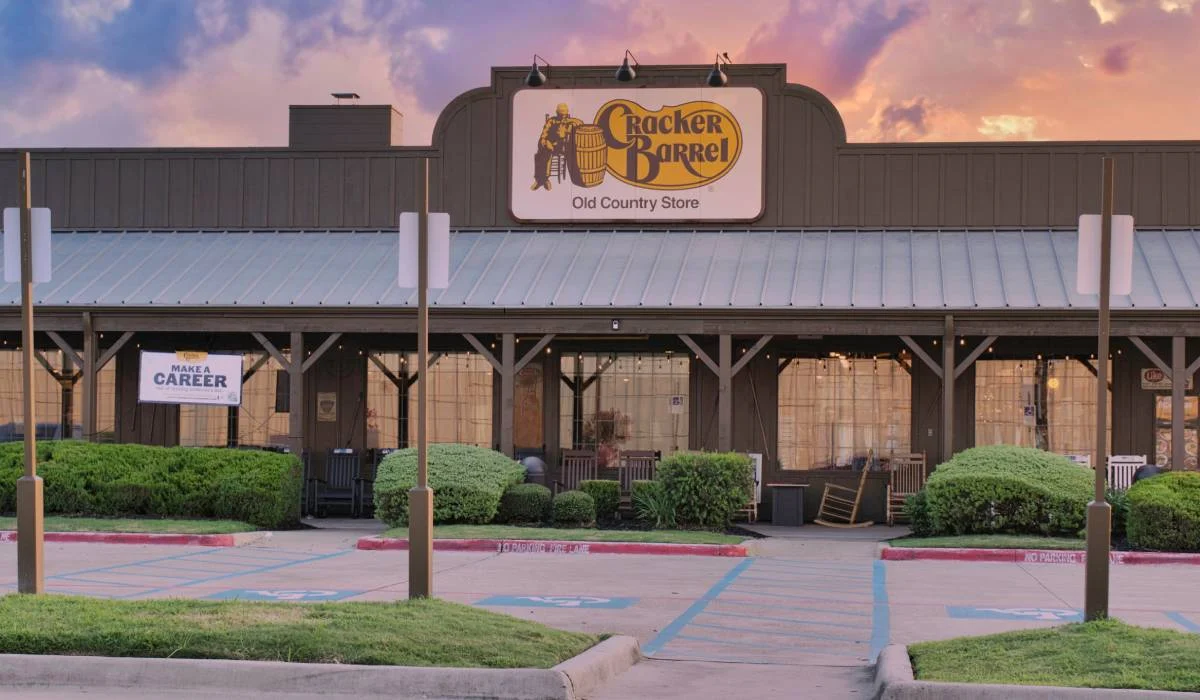
Cracker Barrel Old Country Store, Inc. has entered a pivotal transition period as the company navigates a challenging macroeconomic environment characterized by shifting consumer habits and inflationary pressures. Following the conclusion of its fiscal fourth quarter, the Lebanon, Tennessee-based chain reported a decline in restaurant traffic but signaled a robust long-term recovery plan anchored by its new leadership. David Deno, the former CEO of Bloomin’ Brands who took the helm at Cracker Barrel roughly six weeks prior to the company’s latest earnings call, has begun implementing a multi-year strategy aimed at revitalizing the brand’s dinner offerings, optimizing its unique retail component, and leveraging digital tools to reclaim market share by fiscal 2027.
The Strategic Vision of David Deno
David Deno’s appointment comes at a critical juncture for the 55-year-old brand. With a resume that includes significant leadership roles at some of the world’s largest casual dining companies, Deno was brought in to spearhead a turnaround for a brand that has struggled to maintain consistent traffic in the post-pandemic era. His first order of business involved a comprehensive "listening tour," during which he visited numerous store locations and engaged directly with frontline employees and guests to identify operational friction points.
Deno’s early assessment identifies the dinner daypart as the primary area for investment and improvement. While Cracker Barrel has historically maintained a dominant position in the breakfast segment—which continues to produce the chain’s highest guest satisfaction scores—the dinner period has lagged. The company’s strategy involves a total overhaul of core menu items, specifically upgrading the quality of chicken, hamburgers, and steaks. The objective is to ensure that every meal meets rigorous standards for taste, temperature, and presentation, addressing a historical inconsistency that Deno believes has contributed to traffic erosion.
Analyzing the Fiscal Fourth Quarter Performance
The company’s fourth-quarter results reflect the broader challenges facing the casual dining industry. Total revenue for the quarter reached $849.3 million, a figure that exceeded internal expectations despite underlying volatility. This revenue was comprised of $698.5 million from restaurant operations and $150.8 million from the retail segment.
However, comparable restaurant sales fell by 2.1 percent during the period. The most significant headwind was a 6.1 percent decline in guest traffic. This drop was partially mitigated by a 4.2 percent increase in the average check, driven largely by a 4.4 percent price increase implemented to offset rising labor and commodity costs. Chief Financial Officer Craig Pommells noted that while the traffic numbers appear stark, the trend showed signs of gradual improvement when adjusting for year-over-year variability between the third and fourth quarters.
The off-premises business remained a bright spot, accounting for 19 percent of total restaurant sales. This represents a one-percentage-point increase over the previous year, a growth trend fueled primarily by the expansion of third-party delivery services. As consumers continue to prioritize convenience, Cracker Barrel’s ability to translate its "country cooking" into a portable format remains essential to its revenue stability.
The Dinner Pivot: Revitalizing the Evening Daypart
To combat the decline in traffic, Cracker Barrel is focusing on menu mix and culinary innovation. The company’s fiscal 2027 outlook assumes that these changes will drive comparable restaurant sales growth of 3 to 5 percent. Management is betting on the idea that guests will respond to "craveable" additions and perceived value.
CFO Craig Pommells highlighted that recent menu adjustments have already begun to bear fruit. Guests have shown a high affinity for new appetizers and shareable items, which serve the dual purpose of enhancing the guest experience and increasing the total check size. Additionally, a new option allowing guests to upgrade an entrée from two sides to three has proven popular. This "win-win" strategy allows the company to improve menu margins while providing guests with more customization and variety.
The focus on dinner is not just about the food itself but about the value proposition. Deno acknowledged that lower-income consumers are feeling the pinch of inflation, leading to more cautious spending. To keep the brand accessible, Cracker Barrel continues to lean on its "value anchors," such as the $7.99 Sunrise Pancake Special and the weekday "Early Dine" meals that start at $8.99. By maintaining these entry-level price points, the chain hopes to remain a viable option for families who might otherwise trade down to quick-service restaurants.
The Dual Revenue Stream: Retail Synergy and Performance
One of Cracker Barrel’s most distinct competitive advantages is its retail shop, which guests must pass through to enter or exit the dining room. In the fourth quarter, comparable retail sales grew by 0.7 percent. While seemingly modest, this represents the segment’s strongest performance since the second quarter of fiscal 2023.
The growth in retail was driven by higher average selling prices and an increase in the number of items per transaction, which helped offset a lower volume of shoppers. Specific categories, such as toys and housewares, outperformed expectations. Furthermore, the strategic decision to introduce Halloween merchandise earlier in the season provided a measurable lift to late-summer sales.
Deno plans to modernize the retail experience by simplifying product layouts and improving store navigation. By widening aisles and creating clearer sightlines, the company aims to make the shopping experience less cluttered and more inviting. Deno emphasized that the retail component is not just a secondary revenue stream but a core part of the brand identity that no other full-service restaurant chain can replicate.
Operational Excellence and Guest Satisfaction Trends
Despite the financial pressures, Cracker Barrel reported significant gains in internal operational metrics during the fourth quarter. The company’s Google Star rating increased by 2 percent year-over-year, hovering near an all-time high. More importantly, internal scores for food taste and service rose by nearly 400 basis points, while food temperature scores—a common pain point in large-scale restaurant operations—improved by 500 basis points.
These improvements are closely linked to a stabilization of the workforce. Cracker Barrel, which employs approximately 75,000 people, saw hourly employee turnover improve by 450 basis points. Manager turnover also saw a modest improvement of 85 basis points. Deno pointed to training and development as the "secret sauce" for sustaining these gains, noting that a consistent guest experience is impossible without a stable and engaged store team.
Digital Transformation and the Cracker Barrel Rewards Program
In an era of data-driven marketing, the Cracker Barrel Rewards program has become a cornerstone of the company’s retention strategy. The program currently boasts more than 12.5 million members, and these individuals account for more than 40 percent of the company’s tracked sales.
The company recently overhauled its digital presence, launching a new website and mobile app designed to provide a more seamless user interface. The next phase of the digital strategy involves using the data collected through the rewards program to send more tailored, personalized offers to members. By moving away from "one-size-fits-all" promotions, Cracker Barrel hopes to increase visit frequency among its most loyal customers. To support these efforts, the company expects to maintain advertising spending at approximately 3 percent of sales through fiscal 2027.
Financial Health and Capital Allocation Strategy
From a balance sheet perspective, Cracker Barrel has taken aggressive steps to reduce its debt. The company ended the fourth quarter with $337.2 million in debt, a significant reduction of $147.4 million compared to the previous year. This deleveraging was supported by a sale-leaseback transaction, which generated $77 million in net proceeds.
Looking toward fiscal 2027, the company has set a total revenue target of $3.325 billion to $3.4 billion, with adjusted EBITDA projected between $180 million and $200 million. Capital spending for the upcoming year is earmarked at $110 million to $125 million. Notably, approximately 65 percent of this capital will be dedicated to maintenance and store refreshes, while the remaining 35 percent will be funneled into technology upgrades and other strategic initiatives. In a move reflecting a cautious approach to expansion, the company stated it plans to open no new restaurants in the current fiscal year, choosing instead to focus on optimizing its existing fleet of approximately 660 locations.
Economic Headwinds and Broader Implications
The challenges facing Cracker Barrel are emblematic of the broader casual dining sector. As the "K-shaped" recovery continues, higher-income households continue to spend on dining out, while lower-income households—Cracker Barrel’s traditional core demographic—are increasingly price-sensitive.
The success of Deno’s turnaround plan will likely depend on the company’s ability to bridge this gap. By improving food quality (to appeal to higher-income diners) while maintaining aggressive value pricing (to retain lower-income diners), Cracker Barrel is attempting a delicate balancing act. Furthermore, the decision to pause new store openings suggests a shift from a "growth-at-all-costs" mindset to one of "operational discipline," a trend increasingly seen among legacy brands looking to modernize.
The Road to Fiscal 2027
While David Deno noted that it is too early in his tenure to set definitive long-term targets for restaurant growth or margins beyond the current projections, his immediate focus remains clear: consistency and "craveability." The company is banking on the fact that if it can fix the dinner daypart and maintain its operational momentum, the traffic will follow.
As Cracker Barrel moves deeper into its transformation, the industry will be watching closely to see if this American icon can successfully evolve without losing the rustic charm that has defined it for over half a century. With a leaner balance sheet, a massive loyalty database, and a renewed focus on culinary quality, the company has laid the groundwork for what it hopes will be a period of sustained growth and relevance in an increasingly competitive landscape.