admin
admin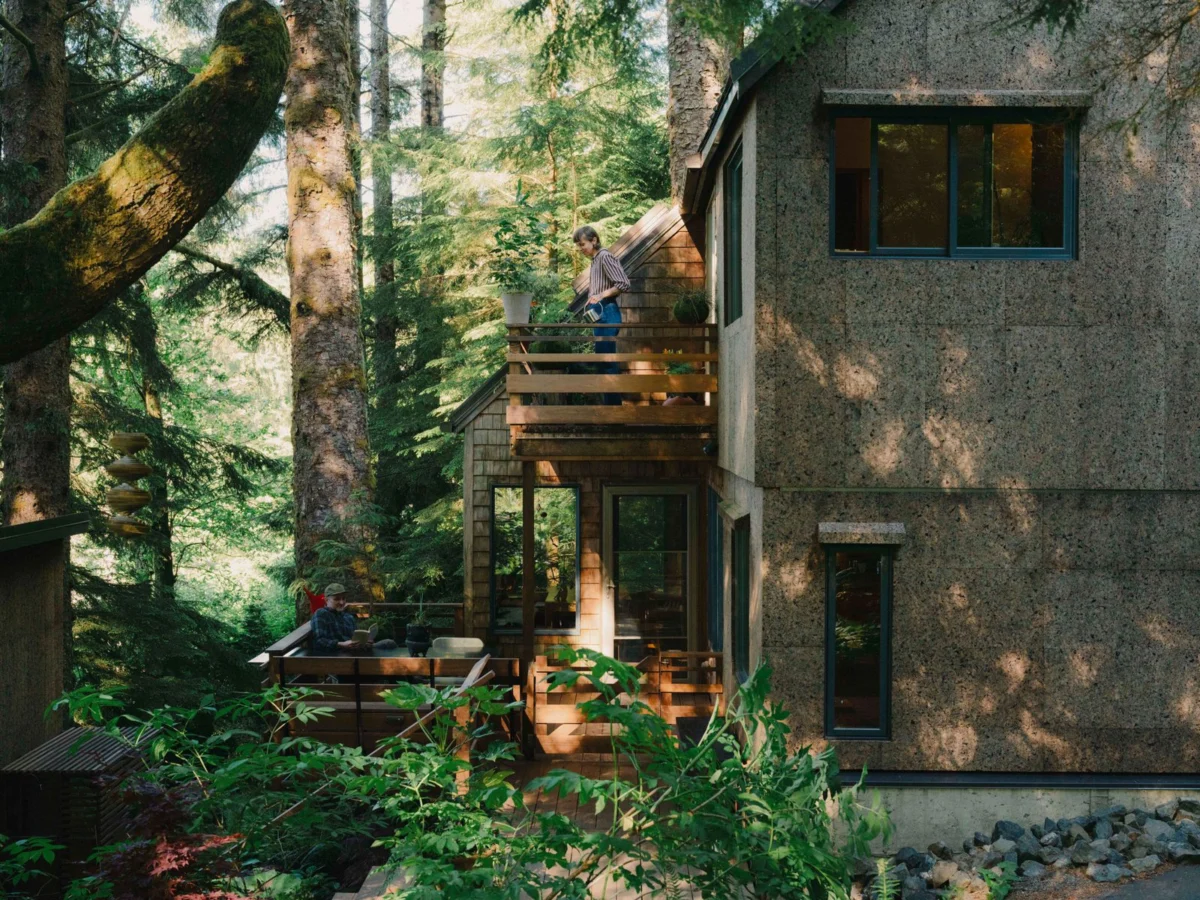
The adage that major life events often occur in threes found profound resonance for Texans Alyson Fox and Derek Dollahite, who, in a concentrated period, navigated significant personal challenges that ultimately propelled them toward a transformative geographical and architectural undertaking. Following difficult health news and, shortly thereafter, the heartbreaking loss of their beloved canine companion, the couple made a decisive move to reclaim agency over their destiny, choosing their third major event to be a dramatic relocation and a new design project. This deliberate act of reinvention saw them exchange the familiar landscapes of the Texas Hill Country for the rugged, dramatic beauty of the Oregon coast, where they are now poised to reimagine a 1980s beach cabin into a reflection of their evolving vision and resilience.
The Catalyst for Change: A Confluence of Events
The initial phase of this profound shift began with deeply personal health challenges, the specifics of which remain private but underscored the fragility of life and the importance of well-being. This somber period was then compounded by the subsequent passing of their cherished dog, an event that, for many pet owners, is akin to losing a family member. The emotional weight of these back-to-back experiences created a crucible from which a new resolve emerged. Psychologists often note that sequential stressors can prompt individuals to seek greater control over their environment and future, often manifesting as significant lifestyle changes. For Fox and Dollahite, this manifested as a powerful desire to channel their grief and introspection into a constructive, forward-looking endeavor. They decided that rather than passively enduring a third challenging event, they would proactively orchestrate a positive, life-altering change—a move that promised both a fresh start and a substantial creative challenge.
Roots in the Texas Hill Country: A Foundation of Craft and Design
Before embarking on their westward migration, Alyson Fox and Derek Dollahite were deeply entrenched in the vibrant design community of the Texas Hill Country. Their previous residence, a testament to their collaborative spirit and design acumen, was a house they not only designed but also largely built themselves, with substantial support from family and friends. This previous project was more than just a home; it was a deeply personal expression of their aesthetic and a demonstration of their hands-on approach to creation. The Texas Hill Country, known for its rolling hills, native limestone, and a distinctive blend of rustic charm and modern sophistication, profoundly influenced their design sensibilities. Their previous home likely reflected a harmonious integration with the natural environment, characterized by thoughtful material selections, an emphasis on natural light, and a connection to the outdoors—principles that Alyson Fox, a multidisciplinary artist and designer renowned for her textile work, photography, and product design, often explores in her professional practice. This experience of manifesting a vision from the ground up provided them with invaluable skills, an understanding of the intricacies of construction, and an unwavering belief in their ability to transform spaces.
The Quest for a New Horizon: Casting a Wide Net
With the decision to relocate firm in their minds, the couple embarked on an extensive search for a new property, specifically a "fixer-upper" that they could imbue with their unique style and make entirely their own. This preference for a renovation project over a turnkey solution speaks volumes about their creative drive and their need for a tangible outlet for their energy and ideas. The choice of a fixer-upper is also a common trend, particularly in post-pandemic real estate markets, where supply chain issues and high construction costs have made existing structures ripe for modernization an attractive option. Data from the National Association of Home Builders (NAHB) indicates a sustained interest in remodeling projects, with homeowner spending on improvements and repairs showing robust growth over recent years, driven by desires for personalization and increased functionality. Fox and Dollahite’s search was not confined to a specific region; they cast a wide net, exploring diverse geographies that might offer a stark contrast to their Texan roots and inspire a new chapter. This broad search eventually led them far from the sun-drenched plains of Texas to the misty, verdant shores of the Pacific Northwest.
Discovering the Oregon Coast: A Shift in Landscape and Lifestyle
After an exhaustive search, the couple "reeled in" a 1980s beach cabin nestled on the dramatic Oregon coast. This selection represents a significant departure from their former life in the Texas Hill Country, both geographically and atmospherically. The Oregon coast is renowned for its rugged beauty, characterized by towering sea stacks, ancient forests meeting the ocean, a cooler, wetter climate, and a pervasive sense of natural grandeur. This stands in stark contrast to the arid, warmer climate and rolling, scrubby landscapes of Central Texas. The move signifies a deliberate choice for a different pace of life, one potentially more attuned to introspection and the raw power of nature.
The appeal of coastal living has seen a significant uptick in recent years, with demographic shifts indicating a growing preference for areas that offer a strong connection to nature and a perceived higher quality of life. The 1980s architectural style, often characterized by a blend of rustic elements, practical layouts, and sometimes dated finishes, presents a unique design challenge. While such cabins might feature large windows to capture ocean views and durable materials to withstand coastal weather, they often require significant updates to meet contemporary aesthetic and functional standards. For Fox and Dollahite, this cabin was not merely a property but a blank canvas, offering the perfect opportunity to apply their accumulated design wisdom and adapt it to a completely new environmental context.
The Oregon Cabin: A Blank Canvas for Reinvention
The acquisition of the 1980s beach cabin marks the beginning of their new creative chapter. These structures, while often well-built and sturdy, typically reflect the design trends and material palettes of their era, which can include heavy wood paneling, utilitarian fixtures, and layouts that may not optimize modern living or capture the full potential of their stunning coastal surroundings. For a designer like Alyson Fox, such a property is a treasure trove of possibilities. The transformation will likely involve a thoughtful blend of preservation and modernization. They might retain elements that speak to the cabin’s history and character, while simultaneously introducing contemporary finishes, optimizing natural light, enhancing energy efficiency, and reconfiguring spaces to foster a sense of openness and connection to the breathtaking views.
The design challenges are considerable, from addressing the specific demands of a marine climate—such as corrosion resistance and moisture management—to integrating the interior aesthetic with the dramatic, ever-changing exterior landscape. Their experience building in the Hill Country, where natural materials and site-specific design were paramount, will undoubtedly inform their approach to the Oregon cabin. The goal will be to create a home that not only provides comfort and sanctuary but also serves as a seamless extension of its unique coastal environment, reflecting both the couple’s personal journey and their refined design philosophy.
Broader Context: Migration Trends and the Pursuit of Lifestyle
The decision by Alyson Fox and Derek Dollahite to move from Texas to Oregon is reflective of broader national migration trends that have accelerated in recent years. Post-pandemic, many individuals and families re-evaluated their living situations, prioritizing factors such as access to nature, slower paces of life, and proximity to remote work opportunities. Data from the U.S. Census Bureau and various relocation studies indicate significant interstate movement, with states like Oregon often attracting residents from more populous or warmer regions. For instance, while California has historically been a primary source of migrants to Oregon, there’s been an increasing diversification of origin states, including Texas. The allure of the Pacific Northwest, with its robust environmental ethos, outdoor recreational opportunities, and distinct cultural landscape, provides a compelling draw for those seeking a different lifestyle. This shift also underscores a growing trend where the concept of "home" is less tied to geographical origins and more to personal values, aspirations, and the pursuit of well-being.
The Psychology of Transformation: Design as Therapy
Beyond the practicalities of relocation and renovation, the couple’s undertaking holds a profound psychological dimension. Engaging in a large-scale creative project, particularly one that involves building and transforming a physical space, can serve as a powerful therapeutic tool in the wake of loss and difficult experiences. The act of planning, designing, and physically working on a home provides a sense of purpose, agency, and control during a period when external events might have felt overwhelming. It offers a tangible way to channel grief and stress into positive action, fostering a sense of renewal and hope. This phenomenon is well-documented in psychological literature, where creative engagement is often linked to improved mental health outcomes, including reduced anxiety and depression, and enhanced feelings of self-efficacy. For Fox and Dollahite, the Oregon cabin is not just a building project; it is a canvas for healing, a crucible for resilience, and a testament to the human spirit’s capacity for reinvention. It allows them to literally build a new future, brick by brick, design choice by design choice, embodying their commitment to moving forward with intention and creativity.
Anticipating the Future: A New Chapter Unfolds
As Alyson Fox and Derek Dollahite embark on this significant new chapter, their journey from the Texas Hill Country to the Oregon coast serves as an inspiring narrative of resilience, adaptation, and the transformative power of design. Their decision to proactively shape their destiny, turning a period of challenge into an opportunity for profound creative and personal growth, resonates deeply. The transformation of their 1980s beach cabin is more than just an architectural endeavor; it is the physical manifestation of their renewed spirit and vision.
The design community, and those interested in personal narratives of reinvention, will undoubtedly follow their progress with keen interest. The Dwell magazine article, slated for publication on September 3, 2026, promises to offer an in-depth look into the culmination of their efforts, showcasing how their unique design philosophy has translated into their new coastal sanctuary. Their story will stand as a compelling example of how difficult life events, when met with courage and creativity, can pave the way for extraordinary new beginnings, reminding us that home is not merely a structure, but a dynamic reflection of our journey, our values, and our unwavering capacity for change.