admin
admin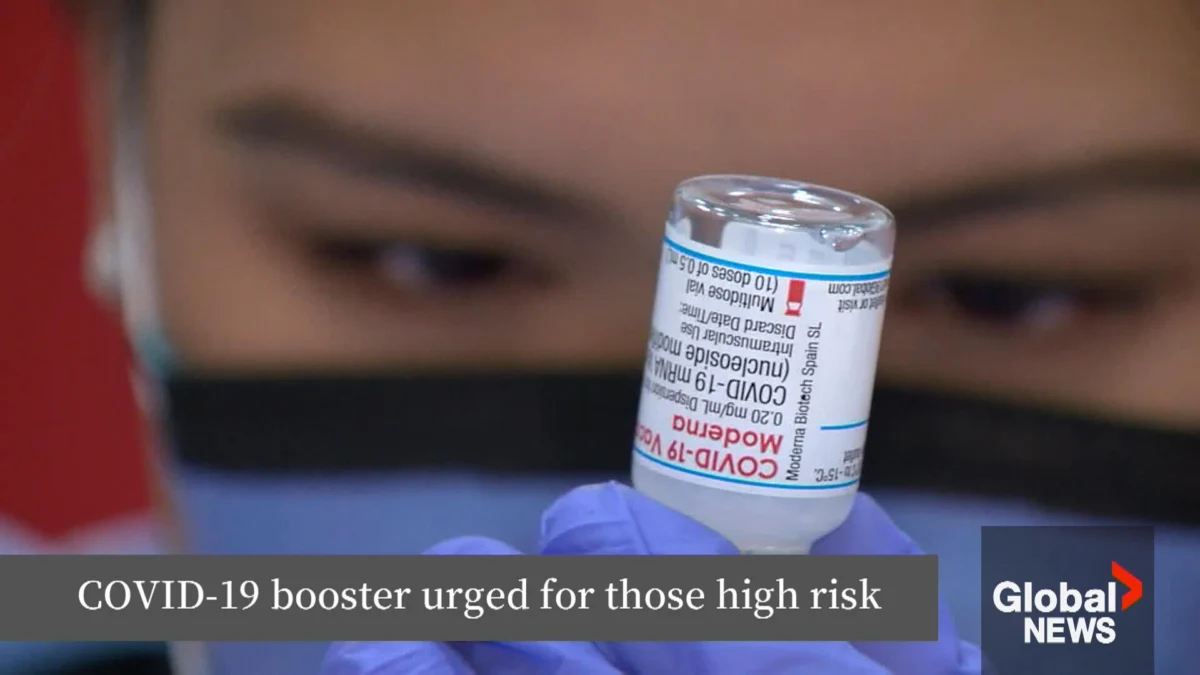
Canada’s provinces and territories have initiated their comprehensive fall vaccination campaigns, rolling out both influenza and updated COVID-19 vaccines with a primary focus on safeguarding the nation’s most vulnerable populations. This synchronized effort underscores a proactive public health strategy aimed at mitigating the potential burden of respiratory illnesses on individuals and the healthcare system as the cooler months approach. The dual vaccination drive, guided by recommendations from the National Advisory Committee on Immunization (NACI), represents a critical component of Canada’s ongoing response to circulating viruses.
Background and the Evolving Landscape of Vaccination
The advent of the fall vaccination season marks a significant juncture in Canada’s public health calendar, particularly in the wake of the global COVID-19 pandemic. Since early 2020, the nation has navigated successive waves of the novel coronavirus, necessitating a dynamic and adaptive immunization strategy. Initial mass vaccination efforts in 2020 and 2021 were pivotal in controlling the spread and severity of COVID-19. As the virus evolved and population immunity increased, the focus has shifted from widespread primary vaccination to targeted booster campaigns designed to protect against severe outcomes, particularly for those at higher risk. Concurrently, annual influenza vaccination programs have long been a cornerstone of seasonal public health, aiming to prevent widespread illness, reduce hospitalizations, and maintain healthcare capacity. The current simultaneous rollout of both flu and COVID-19 vaccines reflects a strategic imperative to address the co-circulation of these respiratory pathogens, a phenomenon sometimes referred to as a "twindemic" or "tridemic" when other viruses like RSV are also prevalent. This integrated approach simplifies public access and reinforces the holistic message of respiratory virus prevention.
The National Advisory Committee on Immunization (NACI), Canada’s authoritative body providing independent, expert advice on immunization, plays a central role in guiding these national efforts. NACI’s recommendations are crucial for provinces and territories in developing their specific immunization programs, ensuring a consistent, evidence-based approach across diverse jurisdictions. The original guidance on COVID-19 vaccines for fall 2026 was released earlier this year, outlining forward-looking strategies for future seasons while provinces implement immediate campaigns based on current epidemiological data and vaccine availability.
NACI’s Comprehensive Recommendations for Fall 2023
NACI’s guidance for the current fall season emphasizes a strong recommendation for COVID-19 immunization programs targeting individuals at increased risk of severe illness or complications from the virus. This includes, but is not limited to, adults aged 65 and older, frontline healthcare workers, and residents of long-term care homes. These demographic groups are consistently identified as priorities due to their heightened vulnerability to severe disease, potential for exposure, or critical role in maintaining healthcare services. NACI also advises that COVID-19 immunization programs should be made available to anyone six months of age and older, acknowledging that individuals may elect to receive the vaccine based on their personal risk assessment and preference. A key recommendation for COVID-19 vaccination is to observe an interval of approximately six months since the last COVID-19 vaccine dose or known infection before receiving a new dose, optimizing immune response and protection.

In parallel, NACI has issued specific guidance for influenza vaccination, advocating for the prioritization of groups at high risk of influenza-related complications, hospitalization, or those who could transmit the virus to vulnerable individuals. This includes young children aged six months to five years, adults aged 65 and older, healthcare providers and other care staff in various facilities, and household contacts of individuals at high risk. The rationale behind these recommendations is rooted in epidemiological evidence demonstrating the effectiveness of vaccination in reducing disease burden, preventing severe outcomes, and safeguarding public health infrastructure.
Provincial and Territorial Rollout Strategies: A Detailed Overview
Across Canada, jurisdictions are implementing varied but largely consistent approaches to vaccine distribution, reflecting provincial healthcare structures and local population needs.
Ontario:
Ontario was among the first to announce its detailed rollout plan for both flu and COVID-19 vaccines, with high-risk groups gaining access starting September 28. This initial phase prioritizes hospitalized patients, hospital staff, residents and staff of long-term care and retirement homes, and adults aged 65 and older, allowing them to receive both COVID-19 and influenza shots concurrently. Following this targeted launch, a broader availability is scheduled for October 26, when free flu and COVID-19 shots will become accessible to the general public. These vaccines will be administered through a wide network of participating pharmacies, public health units, and participating physician and nurse practitioner offices, ensuring broad accessibility. Significantly, COVID-19 vaccines remain free of charge for all eligible residents in Ontario.
Quebec:
Quebec has outlined its eligibility criteria for free flu and COVID-19 vaccines, with availability expected in the early fall. While specific dates are pending, the province has identified key groups for prioritized, no-cost vaccination. This includes individuals residing in long-term and residential care centres, intermediate resources supporting seniors’ autonomy, and residents of private seniors’ residences. Additionally, people aged 65 and older, pregnant individuals, adults in remote and isolated areas, healthcare staff, and anyone six months or older who is immunocompromised, on dialysis, or living with certain chronic diseases are eligible for free doses. A notable distinction in Quebec is that individuals aged 12 and older who do not meet these specific eligibility criteria may need to pay for flu and COVID-19 vaccines, with costs to be determined by pharmacies or medical clinics.
British Columbia:
British Columbia, similar to Quebec, has indicated a fall 2026 timeframe for its flu and COVID-19 vaccine availability, encouraging residents to register with the province’s "Get Vaccinated" system. This system is designed to notify individuals when a vaccine is recommended for them and when appointments can be booked. Further information regarding precise eligibility criteria and specific immunization locations is anticipated to be released later in the fall, allowing for flexibility based on evolving public health data.
Alberta:
Alberta has specified that COVID-19 vaccines will be available free of charge only to designated groups starting October 19. These eligible cohorts largely mirror those prioritized in Ontario and Quebec, including individuals aged 65 and older. Unique to Alberta’s eligibility are people experiencing homelessness and teachers covered under the Back to School Act. Children aged six months up to 11 years who meet eligibility criteria can receive a provincially-funded vaccine. For individuals aged 12 and older who do not fall under the provincial eligibility criteria for free COVID-19 vaccination, doses can be purchased at participating community pharmacies. Furthermore, those who do not meet eligibility requirements for free COVID-19 vaccines can obtain a dose at Primary Care Alberta for an administrative fee of $100 per dose or series. In contrast to COVID-19 vaccines, influenza vaccines are provided free of charge to all Albertans, underscoring a universal approach to seasonal flu protection.

Saskatchewan:
Saskatchewan plans to make appointments for flu and COVID-19 vaccines available starting in October, with immunization clinics projected to commence in the middle of the month. The province has committed to providing both vaccines at no cost for all residents aged six months and older. For the youngest demographic, children aged six months to five years, vaccines can be accessed through Saskatchewan Health Authority public immunization clinics, public health offices, or from a physician or nurse practitioner, ensuring specialized care for this age group.
Manitoba:
Manitoba has announced it will maintain its established criteria from the previous year for both vaccine programs, with the rollout for both vaccines beginning in early to mid-October. Priority eligibility for COVID-19 and flu vaccines includes adults aged 65 years or older, Indigenous Manitobans aged six months and older, individuals with underlying medical conditions, pregnant Manitobans, people providing essential community services, and residents of long-term care homes. Additionally, all other Manitobans aged six months or older, regardless of previous vaccination status or increased risk, are eligible to receive a dose. A notable addition this year in Manitoba is the availability of a non-mRNA COVID-19 vaccine through public health locations, catering to individuals aged 12 and older who are unable or unwilling to receive an mRNA vaccine. Interested individuals are encouraged to contact a public health office or the provincial call centre for locations offering this alternative.
Nova Scotia:
Nova Scotia has indicated its intention to provide COVID-19 and flu vaccines for individuals aged six months and older this fall. Further details regarding the precise timing and availability of the program are expected to be shared closer to its official commencement, allowing for flexibility in response to provincial health needs.
New Brunswick:
New Brunswick plans to begin its vaccination efforts in mid-October, though specific rollout dates have not yet been provided. The province has stated that anyone aged six months or older is eligible to receive the latest COVID-19 and flu vaccine. However, it strongly recommends vaccination for higher-risk groups, including adults aged 65 and older, healthcare workers, and individuals with medical conditions that could elevate their risk of severe outcomes.
Prince Edward Island:
Prince Edward Island’s Health PEI nurses will offer flu and COVID-19 shots at community vaccination clinics starting in October. The province has also indicated that these vaccines may be available through community pharmacies, family physicians, or nurse practitioners, expanding access points for residents. Vaccination is provided free of charge to anyone living in the province, emphasizing equitable access.
Newfoundland and Labrador:
Newfoundland and Labrador is expected to release comprehensive details of its fall rollout next month. While specific dates remain pending, the province’s vaccination booking website confirms that anyone aged six months and older will be eligible for both COVID-19 and flu vaccination, signalling a broad public health initiative.
Yukon:
The Yukon has advised its residents that appointments for flu and COVID-19 vaccines are now available for booking at local clinics, participating community pharmacies, or local health centres. All Yukoners aged six months and older are eligible to receive a vaccine, with a particular encouragement for high-risk recipients, healthcare workers, and caregivers to get vaccinated promptly.

Northwest Territories and Nunavut:
As of September 28, the Northwest Territories and Nunavut have yet to provide specific details regarding their fall vaccination schedules, indicating that information for these northern jurisdictions will be forthcoming.
Broader Implications and Public Health Imperatives
The synchronized and staggered rollout of flu and COVID-19 vaccines across Canada highlights a mature phase in the nation’s pandemic response, integrating COVID-19 vaccination into the established framework of seasonal respiratory virus prevention. This comprehensive approach is designed to achieve several critical public health objectives. Firstly, it aims to reduce the overall burden of respiratory illnesses, preventing severe cases that lead to hospitalizations and intensive care admissions. By protecting vulnerable populations, provinces and territories seek to safeguard healthcare capacity, allowing hospitals to manage other critical medical needs without being overwhelmed by seasonal surges.
Secondly, widespread vaccination contributes to community protection, reducing transmission rates and creating a protective shield around those who cannot be vaccinated or who may have a weaker immune response. The emphasis on healthcare workers and caregivers also acknowledges their vital role in the healthcare ecosystem and the need to protect them to ensure continuity of care.
The varying policies on payment for COVID-19 vaccines for non-eligible individuals in some provinces, while flu vaccines remain universally free, reflects evolving provincial funding models and resource allocation strategies post-emergency phase of the pandemic. This distinction may influence uptake rates in certain demographics and will be a point of ongoing observation for public health officials.
Ultimately, this fall’s vaccination campaign is a testament to Canada’s ongoing commitment to public health. By making these essential vaccines widely available and promoting their uptake, authorities aim to foster a healthier, more resilient population, better prepared to navigate the challenges of seasonal respiratory viruses. Public health messaging will continue to stress the importance of timely vaccination as a personal health choice with significant community benefits, reinforcing that protection against both influenza and COVID-19 remains a shared responsibility.