
 admin
admin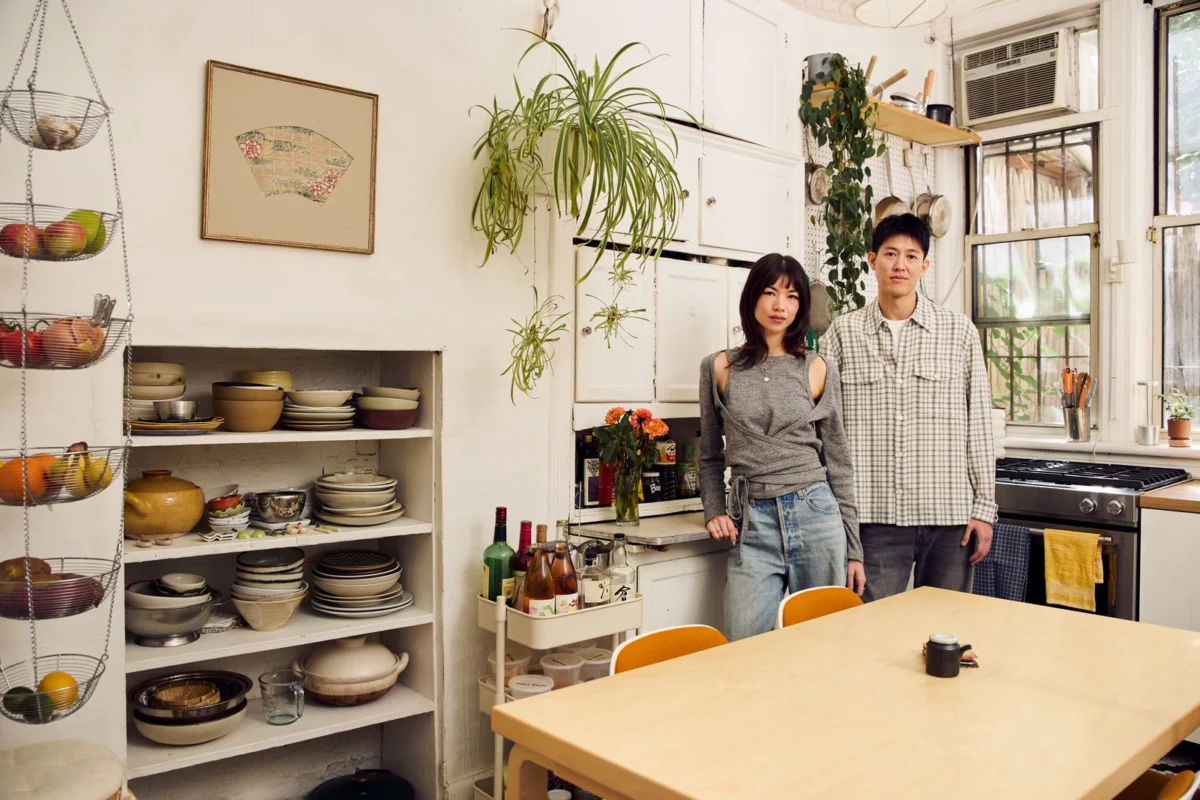
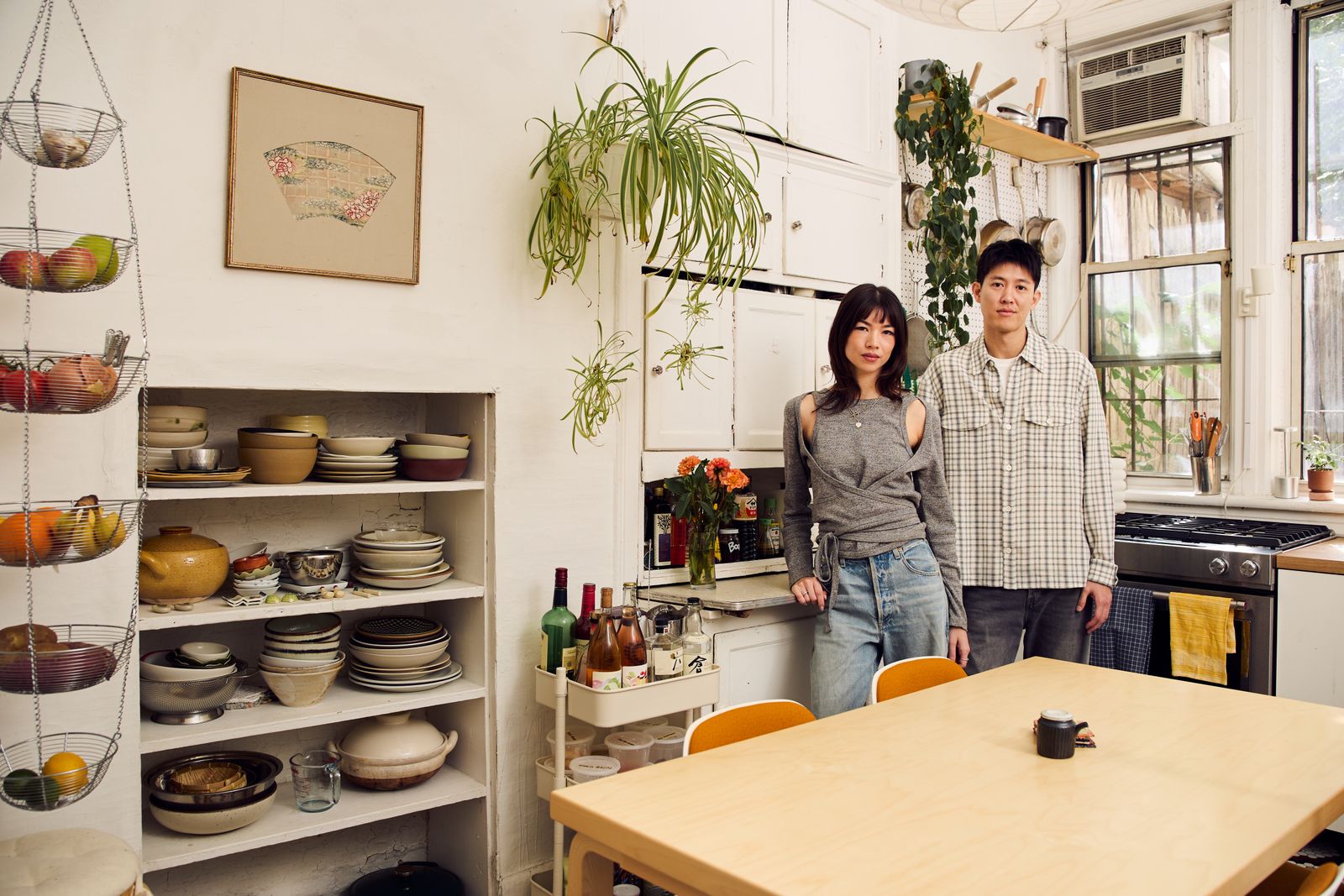
Anna Archibald and Kevin Serai, the dynamic food content creator duo behind the widely recognized platform Cabagges, have successfully transformed their uninspired Williamsburg rental kitchen into a highly functional and aesthetically pleasing culinary studio. Their journey, marked by shared heritage, a common love language of cooking, and strategic DIY initiatives, offers a compelling case study in adapting urban living constraints to fuel a burgeoning creative enterprise. What began as an anonymous foray into online content creation has evolved into a full-time profession, deeply rooted in a space meticulously customized to their needs.
The Genesis of Cabagges: From Shared Passions to a Digital Phenomenon
The story of Cabagges began in 2016 when Archibald and Serai met through a mutual friend in New York City. They quickly discovered profound commonalities: both hailed from Hawaii, shared half-Japanese ancestry, and were immersed in creative industries. Archibald worked as a graphic designer, while Serai specialized in marketing for an eyewear brand. Their connection deepened in 2021 when they began dating, uncovering a mutual passion for cooking that rapidly became a cornerstone of their relationship. "Our first few dates, Anna came over [to my apartment in the Lower East Side] and I cooked for her, and then she cooked for me," Serai recounted, emphasizing the reciprocal nature of their culinary bond. Their early gastronomic explorations often revolved around traditional Japanese cuisine and local Hawaiian dishes, serving as a joyful process of learning and shared enjoyment.
The advent of TikTok provided an unexpected, low-pressure avenue for them to document their culinary adventures. In 2021, when cooking content was not yet saturating social media platforms, their initial posts felt relatively anonymous. This changed dramatically with their very first video, which featured mille-feuille nabe – a visually stunning hot pot dish layered with cabbage and pork. "It’s very simple, but looks beautiful," Archibald explained, a sentiment echoed in their brand name, Cabagges, a subtle homage to this viral dish. Despite the immediate and widespread social media engagement, the couple initially viewed content creation as a casual pastime, maintaining their separate professional careers and living arrangements. It was only after moving in together in Williamsburg and recognizing the immense potential of their online presence that they decided to commit to food content creation full-time, marking a significant pivot in their lives and careers.
Navigating New York City’s Rental Realities: A Kitchen’s Humble Beginnings

The decision to transition to full-time content creation necessitated a functional kitchen, a formidable challenge in New York City’s competitive and often compromising rental market. Approximately two and a half years ago, around early 2024, Archibald and Serai embarked on their apartment search, eventually settling on a rental in Williamsburg. Serai candidly recalled their desperation: "We were like, ‘Okay, nothing is looking better,’" when faced with limited options. What ultimately drew them to the apartment, despite its glaring deficiencies, was its blank canvas quality. "I think one thing we both appreciated about this place was that it didn’t have anything in it," he noted.
The kitchen, in particular, presented a stark reality. It embodied what many New Yorkers colloquially refer to as the "landlord special"—minimalist, often outdated, and poorly maintained fixtures. Instead of conventional upper cabinetry, a built-in shelf, heavily caked with layers of paint, rendered its doors unusable. A solitary, exposed light bulb dangled precariously from the ceiling, offering inadequate illumination. A small, freestanding range sat beside the room’s single window, adjacent to an antiquated radiator. The thin sheet metal sink was visibly rusted and bent, and, critically for a couple whose profession revolved around food, there were zero integrated countertops. The previous tenant had improvised with a small corner table, highlighting the chronic lack of practical workspace.
While many might perceive these shortcomings as insurmountable negatives, Archibald and Serai viewed them as opportunities. "I think a lot of people would see all of this as a negative, but we were like, ‘At least we can do something with the space,’" Serai articulated. Archibald added that the kitchen’s inherent positives—its original tile floor and generous high ceilings—offered a foundation for their vision. Their apartment search had been "centered around a kitchen," and despite its initial barrenness, they saw "potential" where others might have seen only problems.
The DIY Imperative: Crafting Functionality from Scratch
Now, nearly three years into their residency, the kitchen has been utterly transformed, becoming not only the primary set for their cooking videos but also their home office, where recipes are developed and merchandise designed. Their transformation is a testament to affordable DIY projects, primarily utilizing materials from big-box retailers like Home Depot, Lowe’s, and Ikea.
Custom Countertops and Space Optimization: The most pressing need was for functional counter space. The couple ingeniously addressed this by constructing a new countertop next to the stove. This involved assembling an Ikea cabinet, which provided crucial lower storage, and topping it with a piece of wood laminate, also from Ikea, meticulously trimmed to size. This new counter served a dual purpose, cleverly concealing the old radiator, which, fortunately, never reached temperatures high enough to damage the MDF cabinet components. For the sink area, which featured an awkwardly cut counter, Serai built a custom extender using plywood. This simple addition significantly expanded the usable surface area, accommodating various appliances and discreetly housing a trash can underneath. This ability to customize was greatly facilitated by Serai’s acquisition of a circular saw, an investment made possible by their ground-level apartment’s small backyard, which served as their dedicated DIY workshop for cutting, sanding, and painting.
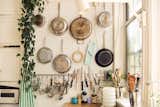
The Iconic Peg Board: Storage and Aesthetic: One of the most recognizable features of their revamped kitchen is the large peg board, a project inspired by the legendary Julia Child’s kitchen. "This is the feature I think people really recognize our apartment for," Archibald stated. Comprising two laminate-coated MDF panels sourced from Home Depot and custom-cut on-site to accommodate specific dimensions, including a cutout for an air conditioner cable, the peg board was installed using an Amazon-bought spacer kit. This allowed the board to float a few centimeters off the wall, providing space for J-hooks and ensuring easy access to various kitchen tools. At the base, an Ikea rail for utensils and a magnetic knife rack, both brought by Serai from his previous kitchen, further enhanced functionality. The entire peg board project cost a mere $30, underscoring the couple’s commitment to budget-friendly solutions. Serai highlighted its practical benefit: "I think seeing all of your tools right next to the range makes you want to cook more because you don’t have to look for all the specific pots or pans in your cabinets. It makes the cooking process so much easier." This visible organization aids both efficiency and visual appeal, an important factor for video content.
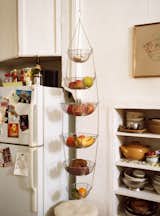
Ingenious Solutions for Everyday Needs: Beyond the major installations, the Cabagges kitchen incorporates several smaller, creative storage solutions. Archibald, for instance, reconfigured an extra-long hanging fruit basket by disassembling and combining two three-tier basket sets, maximizing a small, otherwise unused corner for produce storage. These bespoke solutions highlight a thoughtful approach to maximizing space in a typically cramped urban kitchen environment.
Strategic Lighting for Culinary Content Creation
Given the kitchen’s limited natural light from a single window, strategic lighting was paramount for both daily use and the professional demands of shooting cooking videos. The couple eschewed complex, expensive studio setups in favor of a layered approach using readily available and affordable fixtures.
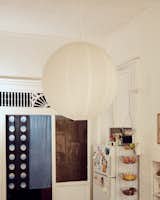
The most prominent feature is a gigantic lantern pendant, chosen to capitalize on the kitchen’s high ceilings. After exploring options from high-end brands like Hay, Herman Miller, and Noguchi, they discovered a 30-inch white round paper lantern at Pearl River Mart for an astonishing $20. Inside, a Phillips dimmer bulb provides flexible ambient lighting, allowing them to adjust the mood and intensity as needed.
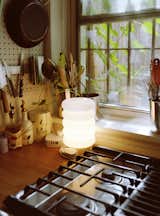
Above the range and counter, an Ikea wall light with a movable arm offers targeted illumination directly over the cooking surface. A simple Ikea bar light was installed on the underside of the lowest shelf above the sink, providing essential task lighting. For additional versatility during filming, they incorporated portable lamps: a medium-sized Gantri table light and a set of smaller tabletop lights from Amazon. Archibald noted, "People think we’re bringing in ring lights because we shoot a lot of food content at night, but it’s just our main overhead light and four lamps," demonstrating how thoughtful placement of standard lighting can achieve professional results.

Thoughtful Furniture Investments: The Balance of Splurge and Savings
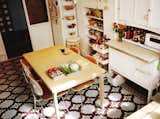
While their kitchen’s foundational elements were built on DIY savings, Archibald and Serai made conscious investments in furniture pieces that resonated with their long-term vision and aesthetic preferences. One of their first significant joint purchases was a long, rectangular dining table designed by Alvar Aalto for the Finnish brand Artek. Serai recalled Archibald presenting it: "I had never really thought about an Artek table, but I remember Anna scrolled to this and I was like, ‘Oh my God, that’s my dream table.’ She said let’s get it. It was a splurge, but we were down." The table’s proportions perfectly complement the kitchen’s elongated layout, providing ample space for work, meal preparation, and hosting guests without overwhelming the room. Four Eames molded plastic chairs from Herman Miller serve as permanent seating, supplemented by a stack of stools for larger gatherings. This balanced approach—saving on functional infrastructure through DIY to allow for investment in enduring design pieces—reflects a pragmatic yet aspirational philosophy for home furnishing.
Tenant-Landlord Collaboration and Compromises: A Mutually Beneficial Dynamic
The relationship between Archibald, Serai, and their landlord exemplifies a nuanced balance of negotiation and self-sufficiency often seen in long-term rental situations. The couple approached their landlord with three primary requests for kitchen improvements.
Their initial request for more counter space was ultimately fulfilled through their own DIY efforts, which allowed them greater control over materials and design. The dilapidated and unanchored sink was a clear health and safety concern, leading to a successful request for replacement. While the landlord agreed to a new sink, they chose a black marble countertop, a material and color that was not Archibald and Serai’s preferred aesthetic. This outcome, as they philosophically noted, was a "win some, lose some" scenario, prioritizing functionality over absolute stylistic control.
Finally, a significant upgrade involved swapping their old gas-only range for a gifted KitchenAid dual fuel range (a similar model, the 30-inch 4-Burner Commercial Style Dual Fuel Range with No Preheat Air Fry Mode, is currently available). This required electrical wiring to accommodate the new appliance’s electric components. The landlord granted permission for the new range, but the couple bore the cost of hiring a licensed electrician for the installation. This decision was a calculated one, given that their entire livelihood centered around the kitchen. Archibald observed, "From our landlord’s perspective, I would think these upgrades only add value." This dynamic highlights a growing trend where tenants, particularly those in creative or home-based professions, are willing to invest in improvements that enhance their living and working conditions, simultaneously increasing the property’s appeal and value for the landlord.
Broader Implications: The Future of Rental Living and the Creator Economy
The Cabagges kitchen transformation offers valuable insights into several contemporary trends. Firstly, it underscores the increasing agency that renters are taking over their living spaces. In markets like New York City, where homeownership is often a distant dream and rental conditions can be suboptimal, tenants are demonstrating a willingness to invest time, effort, and even capital into customizing their apartments. This not only improves their quality of life but also fosters a sense of ownership and personal connection to their temporary homes. The global DIY home improvement market, valued at over $800 billion and projected to grow, reflects this widespread inclination towards personalization and cost-effective upgrades.
Secondly, the story is a powerful illustration of the creator economy’s impact on domestic spaces. As more individuals build careers online, their homes transition into multifunctional studios, offices, and content production sites. The Cabagges kitchen is a prime example of how a dedicated space can be optimized for professional output, blurring the lines between personal life and work. The global creator economy, estimated to be worth over $250 billion and rapidly expanding, relies heavily on creators’ ability to produce high-quality content efficiently, often from home. Their strategic lighting, accessible tools, and organized workflow directly contribute to their ability to consistently deliver engaging culinary content.
Finally, Archibald and Serai’s approach champions a sustainable model of living and working. By prioritizing affordable DIY solutions and making judicious splurges, they demonstrate that a highly functional and aesthetically pleasing environment can be created without exorbitant costs or extensive renovations that might not be recouped in a rental. Their journey, from discovering shared passions to building a successful brand from their customized rental kitchen, serves as an inspiring blueprint for urban dwellers navigating similar challenges. While their ultimate goal remains homeownership, their Williamsburg apartment stands as a testament to ingenuity, adaptation, and the transformative power of a well-loved kitchen.








