admin
admin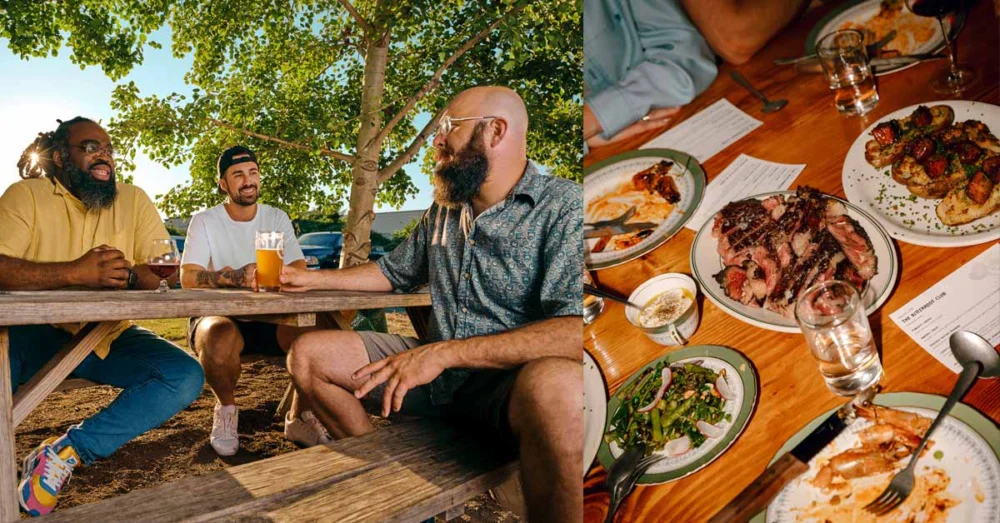
The landscape of the American craft beer industry is currently undergoing a significant structural transformation, and nowhere is this evolution more visible than in Portland, Oregon. At Grand Fir Brewing, located in the historic Buckman neighborhood of Southeast Portland, the traditional concept of the brewpub is being redefined through a sophisticated integration of high-end culinary arts and technical brewing precision. This shift is exemplified by The Bitterroot Club, a weekly supper club operated by co-owners Doug Adams and Whitney Burnside Adams. The program leverages Doug Adams’ experience as a Top Chef finalist and James Beard Award semifinalist to create a prix fixe dining experience that treats beer with the same reverence usually reserved for fine wine. This model represents a strategic response to a maturing market where consumer expectations have shifted from simple novelty to integrated, high-quality experiences.
The Culinary Shift: Grand Fir Brewing and the Supper Club Model
The Bitterroot Club functions as a specialized extension of Grand Fir Brewing’s broader operational philosophy. By utilizing a "backstage" industrial space transformed into a rustic, hunting-lodge-inspired environment, the brewery offers a $135-per-person tasting menu that highlights seasonal, locally sourced ingredients. The menu is meticulously paired with beers designed by Whitney Burnside Adams, a veteran of the Pacific Northwest brewing scene with a pedigree that includes Upright Brewing, Elysian, and a tenure as brewmaster for 10 Barrel Brewing Company.
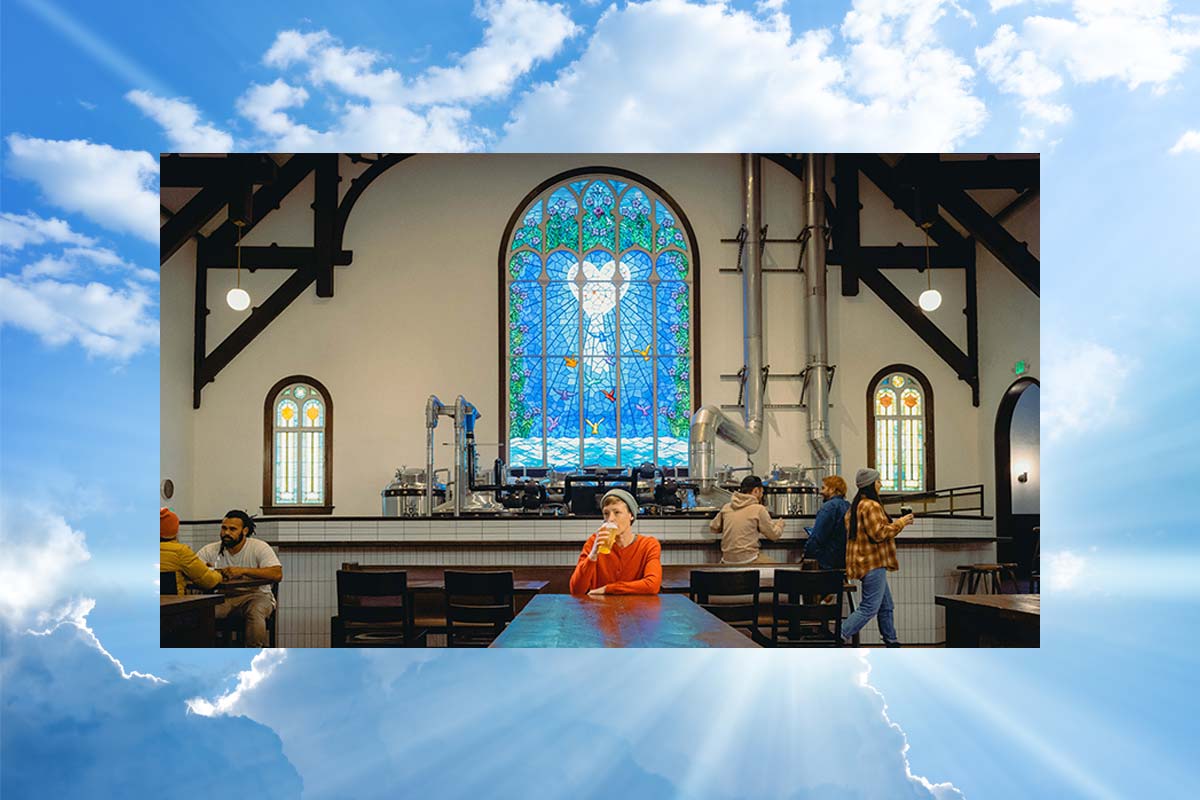
The technical execution of these pairings demonstrates a high level of gastronomic intentionality. For instance, the Tamarack Fest, a bready German-style lager, is utilized to provide a malty counterpoint to the rich fats of Columbia River king salmon served with fig and basil. Similarly, the Bandit Run Mosaic American IPA, characterized by its clean finish and piney bitterness, is paired with charcoal-grilled pork chops to cut through the salt and smokiness of the meat. This synergy between the kitchen and the brewhouse is not merely a marketing tactic but a necessary evolution in a city where the "elevated" brewpub has become the new baseline for success. According to Whitney Adams, the decision to lead with a strong culinary angle was a pragmatic one, noting that in the current competitive climate, a brewery must offer more than just a standard taproom experience to remain viable.
A Chronology of Beervana: From Microbrewery Dawn to Global Standard
The term "Beervana" was first introduced to the public consciousness in 1994 by the Willamette Week, a Portland-based alternative weekly. However, the roots of this identity were established a decade earlier. The mid-1980s saw the emergence of foundational entities such as BridgePort Brewing (1984) and Widmer Brothers (1984), followed by the opening of the Deschutes Brewery public house in 1988. These pioneers benefited from a unique set of geographic and economic circumstances that allowed a local beer culture to flourish in relative isolation.
By the early 2000s, Portland had solidified its reputation as the most developed craft beer market in the United States. Van Havig, master brewer and co-founder of Gigantic Brewing, notes that during this period, the city operated like the "big leagues" of brewing. The 2010s brought a second wave of innovation, characterized by the "growler phenomenon," where dedicated beer shops, grocery stores, and even gas stations installed multi-tap draft towers. This expansion of draft real estate provided an unprecedented platform for small, independent breweries to reach the public without the immediate need for large-scale bottling or canning lines.
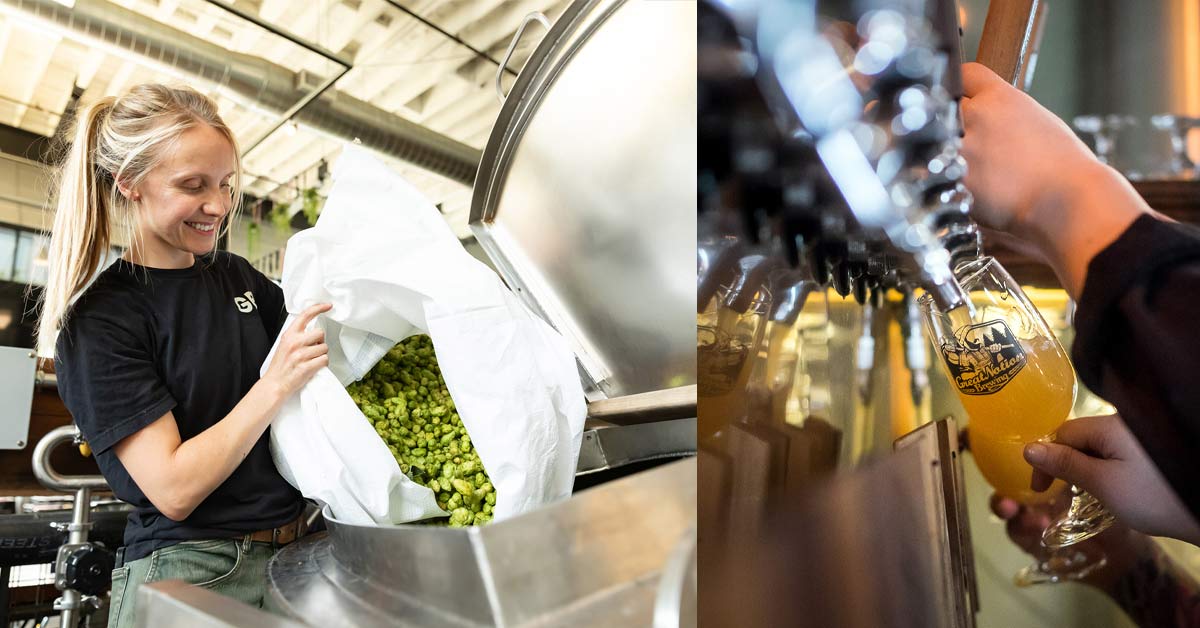
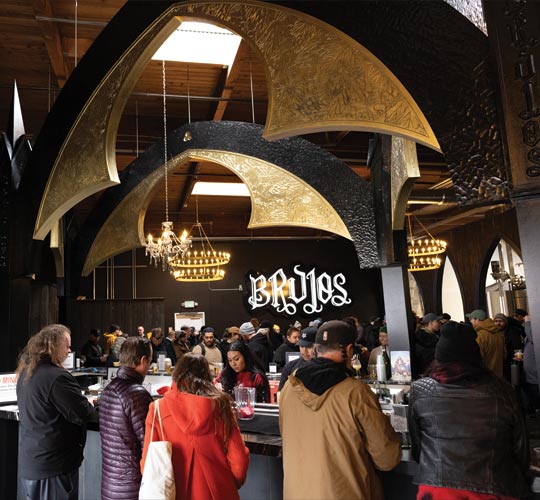
The current era, beginning in the early 2020s, is defined by a "brewing family tree" effect. Longtime industry veterans who cut their teeth at established regional powerhouses are now branching out to open highly specialized, boutique operations. This transition has birthed a new generation of breweries, including Grand Fir, Living Häus Beer Company, and Brujos Brewing, each focusing on specific niches ranging from traditional European lagers to experimental "pastry" sours and "Cold IPAs."
Geographic Isolation and the Resilience of Local Distribution
The dominance of independent beer in Portland can be attributed, in part, to historical geographic isolation. Historically, major national brands like Miller and Budweiser maintained a smaller footprint in the Pacific Northwest compared to other regions. This lack of "Big Beer" saturation allowed local distributors and brewpubs to capture the market early. In Portland, the distinction between "craft beer" and "beer" is often non-existent; for the local population, craft beer is the default standard.
Furthermore, the proximity to the Willamette Valley provides Portland brewers with a logistical advantage. The valley is one of the world’s premier hop-growing regions, producing coveted varieties that define the American IPA. The close relationship between the agricultural sector in the valley and the brewing sector in the city creates a feedback loop of innovation. This proximity allows for the production of "fresh hop" beers—brewed with hops harvested and utilized within hours—a seasonal delicacy that has become a hallmark of the Oregon brewing calendar.
Economic Indicators and the Modern Oregon Beer Marketplace
The economic impact of the brewing industry in Oregon remains substantial, though it faces headwinds from rising real estate costs and shifting post-pandemic consumer habits. According to data from the Brewers Association, Oregon consistently ranks among the top states for breweries per capita. As of the most recent industrial census, the state is home to over 300 breweries, contributing billions of dollars to the state’s economy and supporting tens of thousands of jobs.
However, the marketplace is no longer characterized by the rapid, unchecked growth seen in the 2010s. The current environment is one of "discerning consumption." While the total number of beer drinkers may have plateaued, the sophistication of those drinkers has increased. This has led to a survival-of-the-fittest scenario where quality and brand identity are paramount. The closure of several legacy breweries in recent years serves as a reminder that historical significance does not guarantee future success in a market defined by high overhead and intense competition.
Innovation as a Survival Mechanism: Lagers, IPAs, and Non-Alcoholic Offerings
To maintain their foothold, Portland breweries are increasingly turning to technical innovation. Wayfinder Beer, for example, gained national acclaim for its role in popularizing the "Cold IPA," a style that uses lager yeast at higher temperatures to create a crisp, hop-forward profile. Meanwhile, established brands like Deschutes have invested heavily in high-tech dealcoholization equipment to produce non-alcoholic (NA) versions of their flagship beers, such as Black Butte Porter. This move targets the growing demographic of "sober-curious" consumers and those looking to reduce alcohol intake without sacrificing the flavor profile of traditional craft beer.
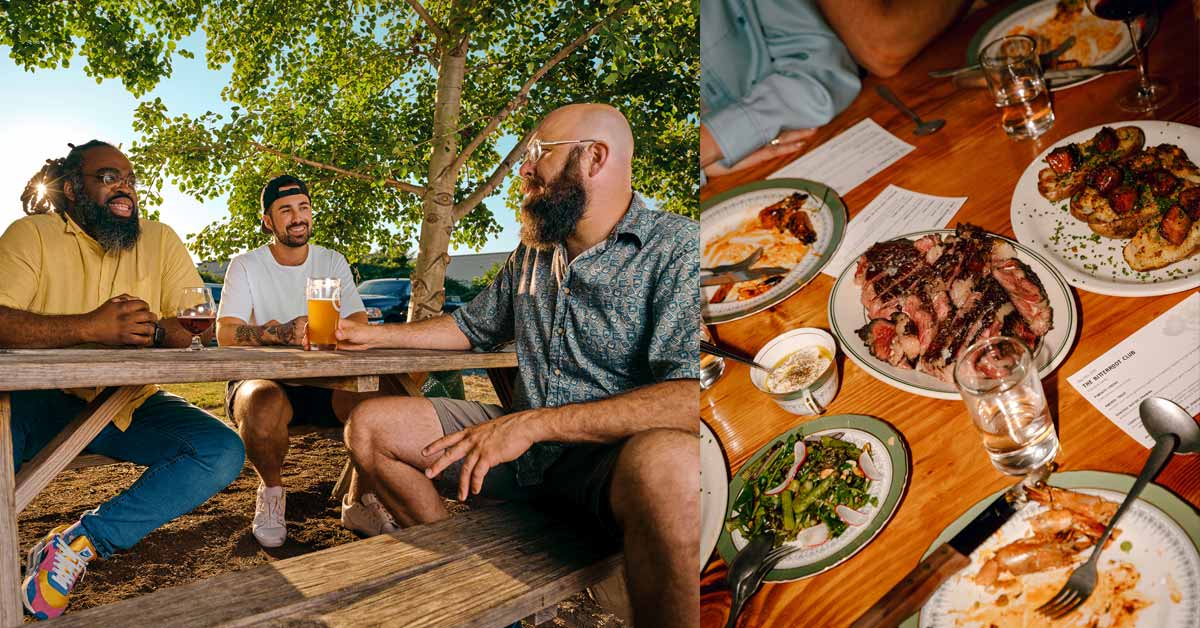
The diversity of styles currently available in Portland reflects a move away from the "hop bomb" monoculture of the early 2000s. While the Northwest-style IPA remains a staple, there is a burgeoning market for technical lagers, wood-aged wild ales, and experimental hybrids. This variety ensures that the local market remains resilient even as national trends fluctuate.
The Future of the Portland Model: Quality as the Primary Barrier to Entry
The resilience of Portland’s beer scene is rooted in its integration into the daily life of its citizens. Industry experts, including Ben Edmunds of Breakside Brewing, suggest that the city’s strength lies in its "savvier group of beer drinkers." In Portland, beer is not a novelty; it is a cultural cornerstone. This high level of consumer literacy acts as a natural quality control mechanism—subpar products rarely survive in a market where the average patron can distinguish between hop varietals and fermentation profiles.
Looking forward, the "Portland Model" appears to be moving toward a more holistic hospitality experience. The success of Grand Fir Brewing and its Bitterroot Club suggests that the future of craft beer lies in its ability to interface with other artisanal industries, such as high-end gastronomy and sustainable agriculture. While economic challenges such as skyrocketing commercial rents and labor shortages persist, the foundational love for the craft remains. As Van Havig succinctly puts it, Portland is "where craft beer won." The battle now is not for market share against national conglomerates, but for continued innovation and excellence within an increasingly sophisticated local ecosystem.