admin
admin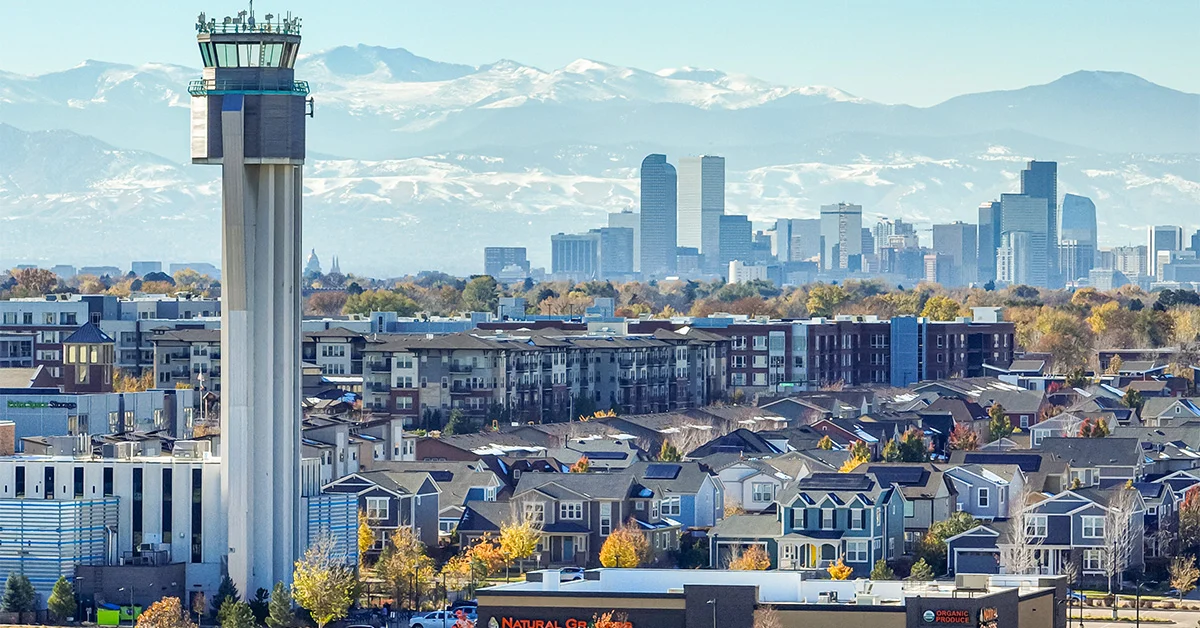
The logistical complexity of producing fresh hop ale reached a critical impasse in late August 2025 as adverse weather patterns over the Rocky Mountains grounded a long-standing Colorado tradition. Eric Serani, co-founder and president of Denver-based FlyteCo Tower, was forced to postpone and eventually cancel the annual "hop flight," a mission involving the transport of freshly harvested hops from the Western Slope to Denver via a private Van’s Aircraft RV-10. This marks the first time since the brewery’s inception in 2019 that the specialized flight could not be completed, highlighting the volatile intersection of agricultural timing, aviation safety, and craft brewing precision.
For six consecutive years, FlyteCo has utilized aviation to bypass the traditional supply chain, moving hops from Billy Goat Hop Farm in Montrose, Colorado, to their brewing facility in Denver within a matter of hours. The 2025 season, however, saw a series of persistent cloud ceilings and unpredictable mountain weather that prevented the four-seater aircraft from safely navigating the 175-nautical-mile route. While the brewery had previously managed to find windows of clear skies, the 2025 harvest window closed before the weather cleared, necessitating a shift to overnight ground shipping to salvage the seasonal production.
The Technical Imperative of Fresh Hop Logistics
The production of fresh hop beer, often referred to as "wet hop" beer, is one of the most time-sensitive endeavors in the craft beverage industry. Unlike standard brewing, which utilizes dried and pelletized hops that are stable for months or years, fresh hop ales require cones that have been harvested within 24 to 48 hours. Once removed from the vine, hops begin a rapid process of oxidation and enzymatic breakdown, which can lead to off-flavors if the product is not utilized immediately.
FlyteCo’s reliance on flight is not merely a branding exercise but a solution to a geographical challenge. The drive from Montrose to Denver via Interstate 70 can take upwards of five to six hours, often subject to heavy traffic and construction delays at the Eisenhower Tunnel. By utilizing an RV-10 aircraft, Serani is able to transport the harvest at altitudes between 11,000 and 13,000 feet, completing the delivery in approximately 90 minutes. This speed ensures that the volatile oils and aromatic compounds—specifically myrcene, humulene, and caryophyllene—remain at their peak when they enter the kettle.
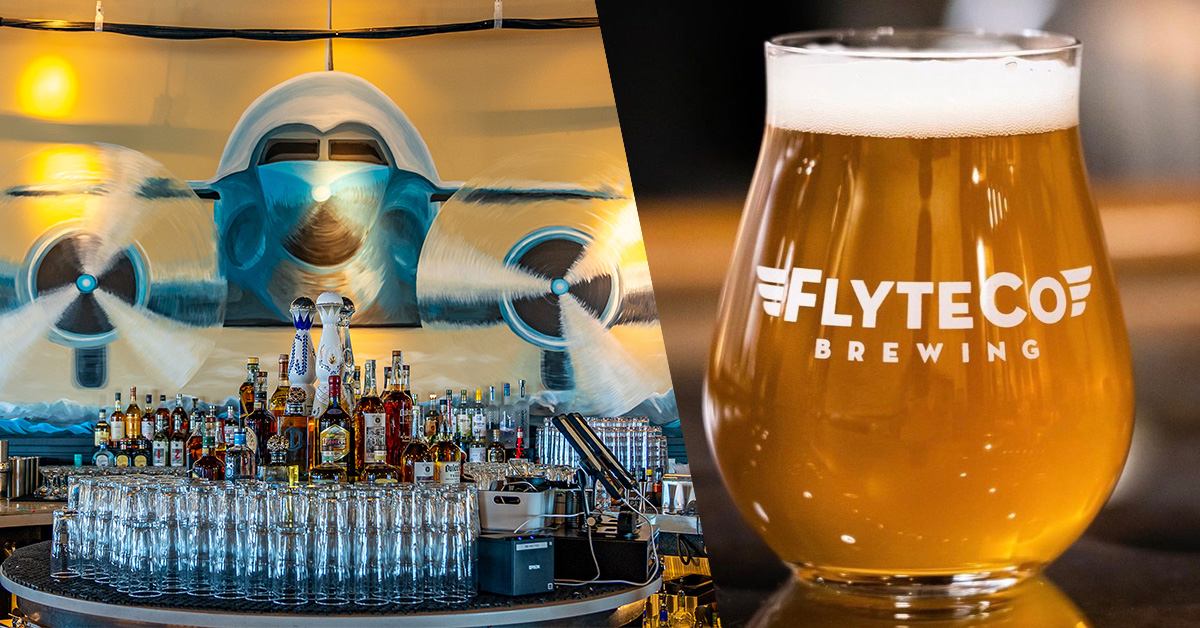
In a typical year, the FlyteCo team coordinates a "just-in-time" brewing schedule. As the aircraft departs from Erie Municipal Airport for the Western Slope, the brewing staff in Denver begins the mash process. By the time the hops touch down and are shuttled to the brewery, the wort is ready for the addition of the fresh cones. The 2025 cancellation underscores the fragility of this "miracle" timeline, as Serani noted that the harvest dates are often only confirmed a few weeks in advance, leaving little room for meteorological error.
A Legacy of Aviation in the Mile High City
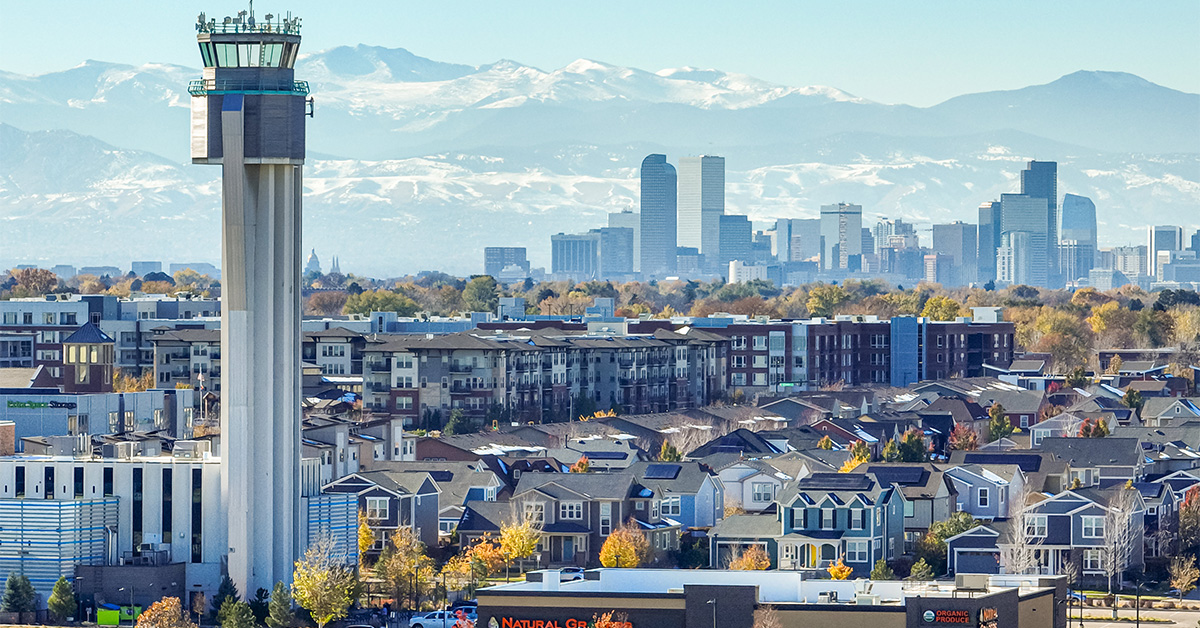
The ethos of FlyteCo is deeply rooted in the history of Colorado aviation, a connection that is physically manifested in their primary location. FlyteCo Tower operates out of the former air traffic control tower of Stapleton International Airport. Stapleton served as Denver’s primary aviation hub from 1929 until its closure in 1995, at one point ranking as the third busiest airport in the world. The 11-story tower, which sat dormant for decades after operations transitioned to Denver International Airport (DIA), now serves as a multi-level hospitality complex and a de facto museum of flight history.
The connection to aviation is personal for the founders. Eric Serani and co-founder Jason Slingsby met while studying at the University of Colorado Boulder, where Serani pursued aerospace engineering and Slingsby studied chemical engineering. Serani’s background includes a tenure at Boeing, though he eventually transitioned to the brewing industry to combine his technical expertise with his passion for flight.
The Serani family’s involvement in aviation spans generations. Eric Serani began flying at the age of 13, guided by a family tradition that included his grandfather and his father, Scott Serani. This deep-seated community connection was instrumental during Serani’s youth; after his grandfather passed away, members of the Experimental Aircraft Association (EAA) provided a scholarship to help him complete his pilot certification at Erie Municipal Airport. Today, FlyteCo maintains this community link by donating 10% of its profits to aviation-focused initiatives, including the Young Eagles program, which introduces children to the world of flight.
Strategic Shifts and the Evolution of FlyteCo
The grounding of the 2025 hop flight occurs during a period of significant transition for the brewery. In early 2025, FlyteCo closed its original location on Tennyson Street to consolidate operations at the Tower location in the Central Park neighborhood. To maintain the supply of its flagship beers while focusing on innovation at the Tower, FlyteCo entered into a production partnership with Copper Kettle Brewing Company.
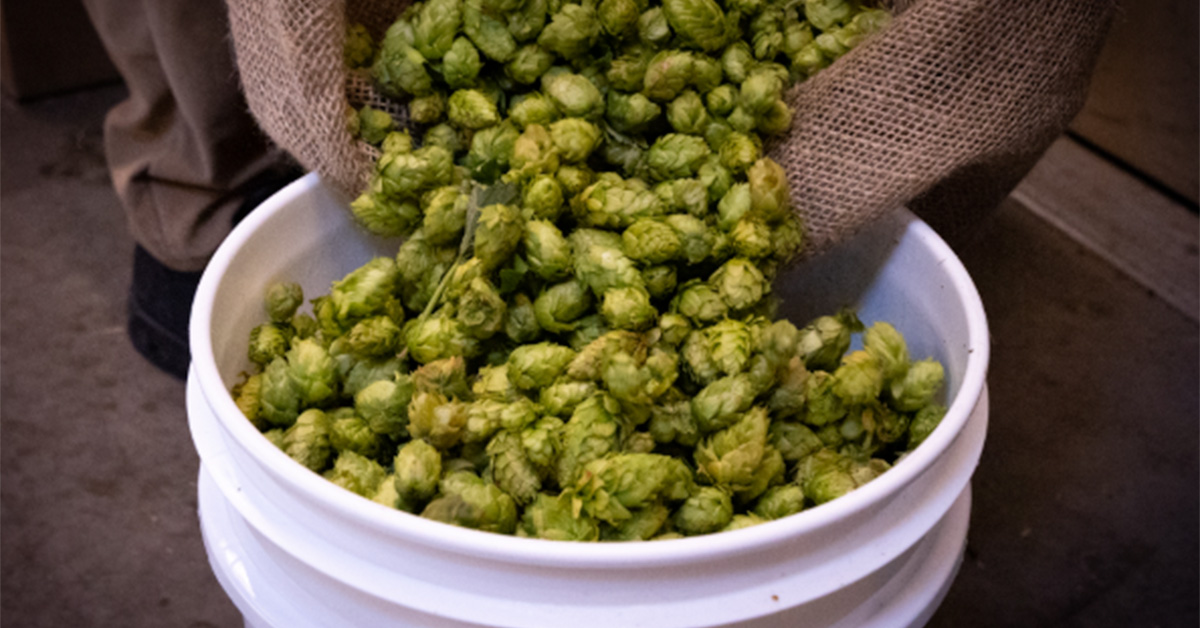
This strategic pivot allows the 2.5-barrel system at FlyteCo Tower to function as a research and development hub. This smaller system is where limited-run projects, such as the "Hop Is My Co-Pilot" Fresh Hop IPA, are developed. By outsourcing high-volume production of core brands, the founders have been able to lean into the "experiential" nature of the Tower location. The facility features a massive entertainment footprint, including bowling alleys, arcade games, and mini-golf, aimed at creating a diversified revenue stream in an increasingly competitive craft beer market.
The 2025 season saw the brewery pivot to a 20-pound hop addition for their smaller system, utilizing varieties such as Chinook, Cascade, and Nugget. Despite the lack of a flight this year, the brewery continues to emphasize the importance of the Billy Goat Hop Farm partnership. Located in the Uncompahgre Valley, the farm is a critical supplier for Colorado’s craft beer scene, providing the high-quality, high-altitude hops that define the region’s terroir.
Historical Context: Denver’s Ascent in Aviation
To understand FlyteCo’s mission is to understand Denver’s role in aviation history. The city’s "Mile High" altitude was once considered a barrier to flight due to the decreased air density, which affects lift and engine performance. This theory was famously debunked in 1910 when French aviator Louis Paulhan completed the first successful flight in Denver.
Following Paulhan’s success, the region became a hub for innovation. In 1954, Bob Stanley established Stanley Aviation in Aurora, near the current FlyteCo Tower site. Stanley Aviation became a global leader in the production of aircraft ejection seats, further cementing the region’s reputation as an aerospace powerhouse. FlyteCo Tower honors this history through the work of in-house historian Sean Henson, who conducts tours of the control tower. These tours highlight figures like Marlon Green, who broke racial barriers in commercial aviation, and Emily Howell Warner, the first woman to be hired as a pilot by a major U.S. airline.
The Economic and Cultural Impact of Experiential Brewing
The challenges faced by FlyteCo in 2025 reflect broader trends in the craft brewing industry. As the market reaches saturation, breweries are increasingly moving toward "destination" models that offer more than just a product. The integration of a historical museum, a community center, and an aviation-themed entertainment complex allows FlyteCo to maintain relevance even when external factors—like weather—disrupt their primary brewing projects.
Industry analysts suggest that this "something-for-everyone" approach is vital for survival. By combining aerospace education with craft beverage production, FlyteCo taps into a niche market of aviation enthusiasts and families. The commitment to donating a portion of profits to flight training also builds brand loyalty through social responsibility.
While the 2025 "Hop Is My Co-Pilot" IPA may lack the "flight-to-kettle" pedigree of previous years, the brewery’s leadership remains focused on the long-term mission. The cancellation of the flight is viewed not as a failure, but as a testament to the high stakes and inherent risks of mountain aviation. For Serani and his team, the goal remains the same: to inspire the public to push boundaries, whether in the cockpit or the brewhouse.
As the 2025 harvest season concludes, the FlyteCo team has already begun preliminary planning for the 2026 flight. The reliance on the RV-10 and the partnership with Billy Goat Hop Farm will remain central to their identity. The grounding of the 2025 flight serves as a reminder that in the world of fresh hop brewing, the elements remain the ultimate arbiter of success. For now, the brewery continues to serve its Azacca Pale Ale and other flagship offerings, maintaining the spirit of aviation in the heart of Denver’s historic air traffic hub.