admin
admin
Homeowners often view a smudge, a patch of fog, or a small pile of dust on a window sill as a simple cleaning chore, yet residential maintenance experts are warning that these seemingly minor nuisances are frequently the primary diagnostic indicators of severe structural threats. While the immediate impulse is to reach for a microfiber cloth and glass cleaner, experts from the roofing, window, and pest control industries suggest that "erasing the evidence" can lead to thousands of dollars in deferred repair costs. Windows serve as the most vulnerable transition point between a home’s controlled interior and the external environment; consequently, they are often the first components to exhibit signs of systemic failure, ranging from humidity imbalances to invasive wood-destroying organisms.
The Diagnostic Role of the Modern Window
In the hierarchy of home maintenance, windows are frequently undervalued as mere aesthetic or ventilating features. However, according to industry data, windows account for approximately 25 to 30 percent of residential heating and cooling energy use. When a window begins to "communicate" through visual cues, it is often indicating a breakdown in the home’s thermal envelope or structural integrity.
Constantine Anest, owner of Ethos Roofing and Restoration in Denver, Colorado, emphasizes that the window is a canary in the coal mine for a home’s health. By understanding the specific nature of window-based "dirt" and "grime," homeowners can transition from reactive cleaning to proactive preservation.
1. Internal Condensation: The Humidity Red Flag
Condensation on the interior surface of a window is a common sight during winter months, but it is rarely a benign occurrence. As Anest notes, this moisture typically points to excessively high humidity levels within the home. When warm, moist indoor air contacts the cold surface of the glass, it reaches its dew point and liquifies.

While a quick wipe might clear the view, it does nothing to address the underlying moisture load. "If you don’t wipe it away, water can run down onto the frame and sill, and over time, that moisture can damage the finish and lead to mold," Anest explains. This persistent moisture can eventually rot wooden frames or cause drywall failure around the window aperture.
Supporting Data and Analysis:
According to the American Society of Heating, Refridgerating and Air-Conditioning Engineers (ASHRAE), indoor relative humidity should ideally be maintained between 30 and 50 percent. Levels consistently above 60 percent promote the growth of mold and dust mites. Experts recommend using a hygrometer—a low-cost device that measures humidity—to determine if the condensation is a result of lifestyle factors (such as cooking or showering) or a mechanical failure in the home’s ventilation system, such as a malfunctioning bathroom exhaust fan or a blocked dryer vent.
2. "Sawdust" Piles: The Signature of Wood-Destroying Organisms
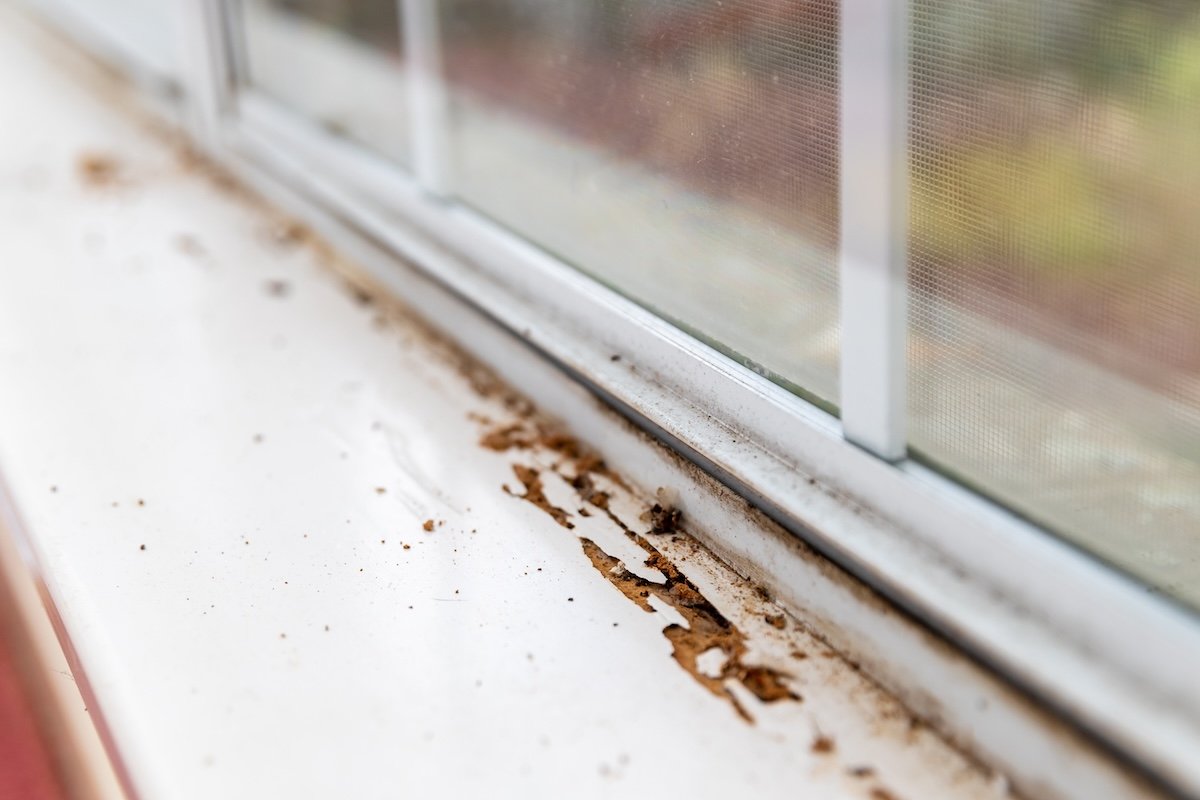
Perhaps the most dangerous visual cue to ignore is the appearance of small piles of what looks like sawdust, technically known as "frass." If these piles reappear shortly after cleaning, it is a definitive sign of active insect activity.
Anest warns that these particles are often the byproduct of carpenter ants, wood-boring beetles, or carpenter bees. Unlike termites, which consume wood, carpenter ants excavate it to create galleries for their nests, pushing the debris out of small "kick-out" holes.
Chronology of Infestation:
- Initial Scouting: Insects identify a moisture-damaged section of a window frame (often caused by the aforementioned condensation).
- Excavation: Over weeks, the insects hollow out the structural timber, leaving the exterior "skin" of the wood intact while the interior becomes honeycombed.
- Visible Evidence: The accumulation of frass on the sill becomes constant.
- Structural Failure: If left unaddressed for a season or more, the window frame may lose its ability to support the weight of the glass, leading to cracks or sticking.
The National Pest Management Association (NPMA) estimates that wood-destroying insects cause more than $5 billion in property damage annually in the United States—damage that is rarely covered by standard homeowners’ insurance policies.
3. Permanent Fogging: The Collapse of the Thermal Seal
When a window appears "foggy" or "dirty" in a way that cannot be cleaned from either the inside or the outside, the issue is internal. Corbett Proctor, owner of Window World Panama City, explains that this phenomenon occurs in double-pane or triple-pane windows, also known as Insulated Glass Units (IGUs).
These windows are manufactured with a spacer containing a desiccant (a moisture-absorbing material) and are often filled with an insulating gas like argon or krypton. "If you’ve cleaned the inside and outside of a window and that cloudy patch is still staring back at you, it’s probably between the panes," Proctor says.
Implications of Seal Failure:
A failed seal signifies that the insulating gas has escaped and has been replaced by moisture-laden atmospheric air. Once the internal desiccant becomes saturated, condensation forms between the panes. This is not merely an aesthetic issue; a window with a failed seal has lost a significant portion of its R-value (thermal resistance). In the long term, this leads to higher utility bills and puts additional strain on the home’s HVAC system. Replacement of the glass unit or the entire window is typically the only viable solution.
4. Dark Staining and Discoloration: The Leak Indicator
Mold, mildew, or dark staining in the corners of a window sill or on the surrounding drywall should never be treated as a simple cleaning task. Anest suggests a diagnostic approach: "See whether condensation is running down the glass onto those areas. If they’re wet after it rains but the glass is dry, water may be getting in where the window meets the wall."
Official Response and Safety Standards:
The Environmental Protection Agency (EPA) warns that mold growth can begin within 24 to 48 hours of water exposure. If a window’s flashing—the material that directs water away from the window-to-wall interface—is compromised, water can seep into the wall cavity. This "hidden" water damage can lead to the rot of the house’s structural studs and headers, which are significantly more expensive to repair than the window itself. Cleaning the surface mold without fixing the leak is a futile exercise that allows the structural decay to continue unabated.
5. Biological Debris: The Pest Trail
Beyond sawdust, other biological markers provide critical data regarding the home’s perimeter security. Nicole Carpenter, president of Black Pest Prevention, notes that insect wings, droppings, egg sacs, and specific types of webbing are indicators of an imminent or active infestation.
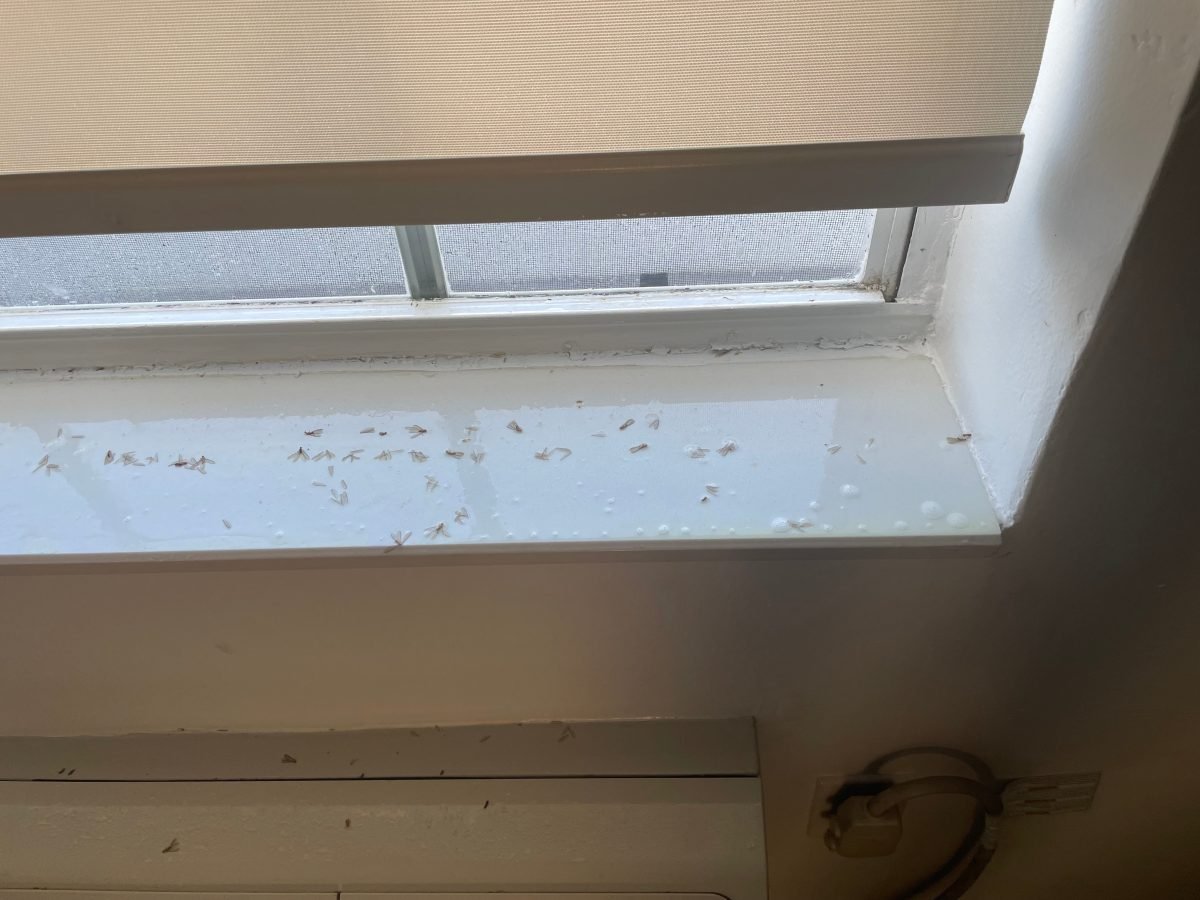
- Discarded Wings: Often found on window sills in the spring, these are a sign of subterranean termite swarmers. Termites are attracted to the light of windows, and finding their shed wings indoors is a high-probability indicator of an infestation within the home’s foundation or walls.
- Egg Sacs: Finding spider or moth egg sacs in the window tracks suggests that the window’s weatherstripping has failed, providing a "highway" for pests to enter the living space.
Broader Economic and Structural Impact
The refusal to "just wipe it away" is a shift toward a more sophisticated model of home ownership. Data from the 2023 Home Improvement Report suggests that proactive window maintenance and timely replacement can offer a Return on Investment (ROI) of up to 68% at the time of a home sale. Conversely, deferred maintenance related to windows is one of the most frequent "red flags" cited in professional home inspection reports, often leading to price concessions or the collapse of real estate transactions.
Summary of Expert Recommendations:
- Monitor: Use tools like hygrometers to track indoor conditions.
- Investigate: Before cleaning any reappearing substance, determine its origin (e.g., is it coming from inside the wood or outside the glass?).
- Consult Professionals: If sawdust, permanent fog, or shed wings are found, the cost of a professional inspection (pest or window) is significantly lower than the cost of structural remediation.
- Seal and Shield: Ensure that exterior caulking and interior weatherstripping are intact to prevent the moisture cycles that lead to both mold and pest attraction.
By treating the window as a diagnostic interface rather than just a piece of glass, homeowners can protect their largest financial asset from the silent, incremental damage caused by water, weather, and wood-destroying pests. The next time you reach for the window cleaner, take a moment to look closer—the "dirt" you see might be trying to save you thousands of dollars.