admin
admin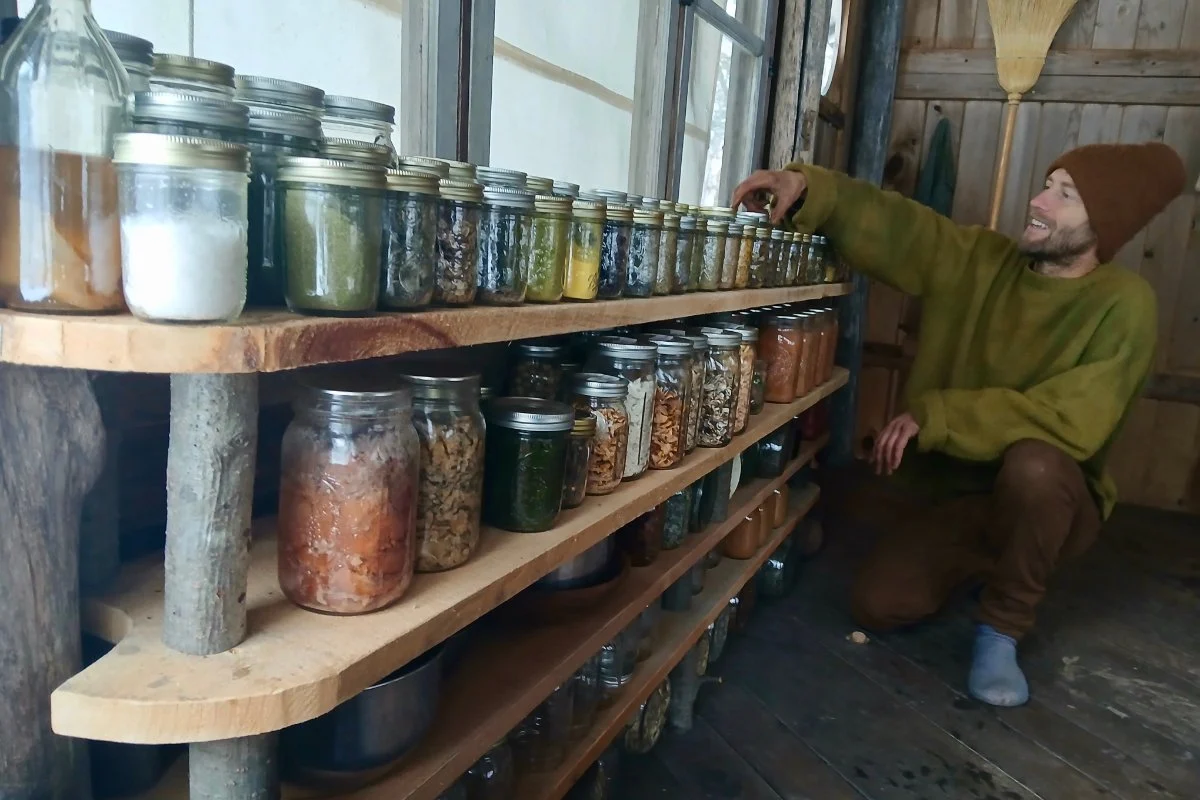
Activist, author, and speaker Robin Greenfield is set to conclude an ambitious year-long endeavor on October 8, 2026, during which he has subsisted entirely on wild, foraged food and medicine, without purchasing or cultivating any resources. This radical experiment, initiated in late 2025 from his home base in Northern Wisconsin, represents a profound personal challenge and a powerful statement against the perceived failings of the industrialized global food system, advocating for a deeper, more harmonious relationship with the Earth.
Greenfield’s journey into extreme self-sufficiency is not his first foray into alternative food systems. In 2018, he embarked on an earlier, year-long project to grow and forage 100 percent of his diet. That initial experience, driven by a growing disillusionment with the environmental and societal impacts of conventional food production, reportedly left him in “exceptional health and high spirits.” He meticulously documented this transformative period, culminating in the publication of his book, Food Freedom: A Year of Growing and Foraging 100% of My Food, released in 2024. The success and insights gained from that foundational experiment undoubtedly paved the way for his latest, more extreme undertaking, which eliminates even the act of gardening to focus solely on the gifts of the wild.
The Genesis of a Radical Experiment
Greenfield’s current project is rooted in a fundamental critique of modern society’s detachment from its food sources. He posits that the global industrial food system is inherently destructive, harming the Earth, its inhabitants, and the delicate balance of ecosystems. His year of exclusive foraging serves as a living laboratory, a "way of seeing if it’s possible to live outside of this broken system, and provide for ourselves in a way that is harmonious with the Earth and beneficial to ecosystems." This philosophy extends beyond mere sustenance; it’s an attempt to dissolve the "illusion of separateness" that he believes pervades contemporary human existence, fostering a deep sense of belonging and interdependence with nature.
The activist’s commitment to this lifestyle is a direct response to the escalating environmental degradation and social inequities often linked to large-scale industrial agriculture. Concerns over pesticide use, monoculture farming, extensive transportation networks, and the resulting carbon footprint have fueled a growing movement towards localized, sustainable, and regenerative food practices. Greenfield’s work, while extreme in its execution, resonates with broader discussions about food sovereignty, ecological footprint reduction, and the re-establishment of traditional ecological knowledge.

A Forager’s Pantry: The Wild Diet
From his Northern Wisconsin home, Greenfield’s daily life revolves around the rhythms of nature and the availability of wild edibles. His diet, far from sparse, is a testament to the bounty of the land, comprising staples like wild rice and acorns, supplemented by venison and fish. His pantry also includes a variety of preserved goods such as applesauce, plum sauce, and pear sauce, meticulously prepared from seasonal harvests. Mushrooms, including varieties like maitake and chicken of the woods, provide essential nutrients, while greens such as watercress, stinging nettle, and basswood offer fresh, vibrant sustenance.
Herbs like bee balm (monarda) and wild onion serve both culinary and medicinal purposes. He highlights lesser-known but abundant fruits like chokecherries and Autumnberry, which, despite often being overlooked or mistaken for poisonous, are rich in antioxidants and vital nutrients. Nuts, including black walnuts, hazelnuts, hickory nuts, and pecans, contribute crucial fats and proteins to his diet. Even seasoning is sourced from nature, with salt harvested from the ocean, and medicinal teas brewed from wild plants like elderberries and various mushrooms. This diverse array of foods underscores the potential for a nutrient-rich diet derived entirely from wild ecosystems, challenging the conventional grocery store paradigm.
Life on the Road: Spreading the Message
Greenfield’s foraging experiment is not confined to his Wisconsin homestead. He has taken his unique "pantry" of foraged goods on extensive tours across the West Coast, Southeast, and Midwest. These travels involve a demanding schedule of leading foraging walks, delivering talks, conducting media interviews, and facilitating full-day foraging immersions. His objective during these tours is twofold: to share his message about the industrial food system and its alternatives, and to actively continue his foraging lifestyle, often harvesting and processing foods while on the move.
The logistics of such a journey are complex, requiring constant vigilance for edible plants, careful processing (e.g., shelling acorns, making applesauce), and managing the demands of public engagement. Despite the rigorous schedule, Greenfield also dedicates time to writing, creating videos, and managing a nonprofit organization with a team of five, demonstrating that a life deeply connected to nature does not necessarily preclude engagement with modern communication and advocacy. His tours serve as a tangible demonstration that foraging, while demanding, can be integrated into a contemporary, active lifestyle, offering a peaceful form of protest and a direct path to reconnecting with food sources.
Foraging and Food Insecurity: A Nuanced Perspective
When addressing the critical issue of food insecurity, Greenfield offers a nuanced perspective. He acknowledges that for most individuals struggling with food insecurity, foraging alone may not provide the necessary caloric intake due to the significant time commitment and specialized skills required. This aligns with broader analyses of food poverty, which often highlight systemic barriers such as lack of time, financial constraints, and limited access to safe foraging environments.

However, Greenfield passionately argues for foraging’s vital role in addressing another core aspect of food insecurity: access to nutritious food. He emphasizes that "one of the main issues with food insecurity in this country is access to nutritious food, and that is very easy to access [through foraging]." Wild greens, often dismissed as weeds, are typically far richer in vitamins, minerals, and antioxidants than their cultivated counterparts. Similarly, wild fruits and herbs provide essential micronutrients and medicinal properties often lacking in diets heavily reliant on processed, calorie-dense but nutrient-poor foods commonly found in food deserts.
Foraging for these nutrient-dense items, he suggests, can be relatively time-efficient. "For some of these fruits, you can harvest a multiple month’s supply often in just an afternoon." While not a complete solution for caloric needs, supplementing diets with foraged greens, fruits, and herbs can significantly improve the nutritional status of individuals and communities, offering a tangible pathway to enhanced health and reduced reliance on a broken food supply chain. This perspective is particularly relevant given statistics indicating widespread micronutrient deficiencies even in developed nations, often exacerbated by diets heavy in ultra-processed foods. Foraging, therefore, presents an accessible and cost-effective method to enhance dietary quality.
Personal Transformation and Future Vision
The year-long immersion in a completely foraged diet has profoundly impacted Robin Greenfield. He describes a fundamental shift in his relationship with food and the world. "I don’t think about grocery stores or restaurants anymore. For me, it’s absolutely normal to go outside and harvest my food and medicine." This normalization of a radically different lifestyle underscores the deep psychological and habitual changes that have occurred.
More significantly, Greenfield speaks of a dissolution of the "illusion of separateness," leading to a feeling of being "much more connected," "more at home," and "more whole and complete inside." He notes a significant reduction in personal "yearnings and cravings," finding contentment in his current existence and a deep relationship with plants. This echoes sentiments often expressed by proponents of nature connection and mindfulness, suggesting that direct engagement with the natural world can foster psychological well-being and a sense of belonging that is often absent in modern, urbanized societies. This personal transformation serves as a powerful testament to the holistic benefits of his chosen path.
Looking beyond the October 8th conclusion of his current experiment, Greenfield has a clear vision for his future dietary practices, progressively integrating more elements while maintaining his core commitment to sustainability. Initially, he plans to continue eating 100 percent foraged food for at least another month, but will broaden his scope to include food foraged by others, fostering a community-centric approach to wild harvesting. Following this, he will transition to a diet of foraged and homegrown foods, drawing from a personal garden. The subsequent phase will incorporate foraged, homegrown, and locally grown foods from small, sustainable farms.

His ultimate intention is to "break free from the global industrial system forever." While acknowledging the social challenges of navigating a world where most people consume industrial food, he aims to "largely or completely live outside the global industrial food system," dedicating his life to supporting food systems that are beneficial to the Earth and local communities. This progressive integration strategy reflects a practical understanding that while extreme foraging is transformative, a broader, community-supported, localized food system is more scalable and socially sustainable for many.
Broader Implications and Call to Action
Robin Greenfield’s work, while seemingly niche, carries significant implications for broader discussions around environmental sustainability, public health, and societal resilience. His experiments serve as powerful case studies demonstrating the potential for human beings to thrive outside of conventional, resource-intensive food systems. In an era grappling with climate change, biodiversity loss, and diet-related diseases, his advocacy for foraging and localized food production offers a tangible, if challenging, alternative path.
Experts in sustainable agriculture and environmental science often highlight the inefficiencies and ecological damage caused by long supply chains, monocultures, and chemical-intensive farming. Greenfield’s lifestyle directly counters these practices, offering a vision of direct, respectful engagement with ecological systems. While not advocating for everyone to become a full-time forager, his message encourages a re-evaluation of our relationship with food and nature.
His final piece of advice is accessible and empowering: "I encourage people to learn about one plant at a time. You only need to know one plant in order to eat one plant." He points to common, easily identifiable plants like dandelion, Plantago, mulberries, or elderberries, often found in urban and suburban environments. Learning just one new edible plant per month for a year, he asserts, can be "life-changing for a lot of people." This incremental approach demystifies foraging, making it a less daunting prospect and inviting individuals to take their first steps towards greater food autonomy and connection with the abundant, free food and medicine growing all around them. His journey, therefore, is not just a personal quest but a potent invitation for others to reconsider their place within the natural world and their role in building a more sustainable future.