admin
admin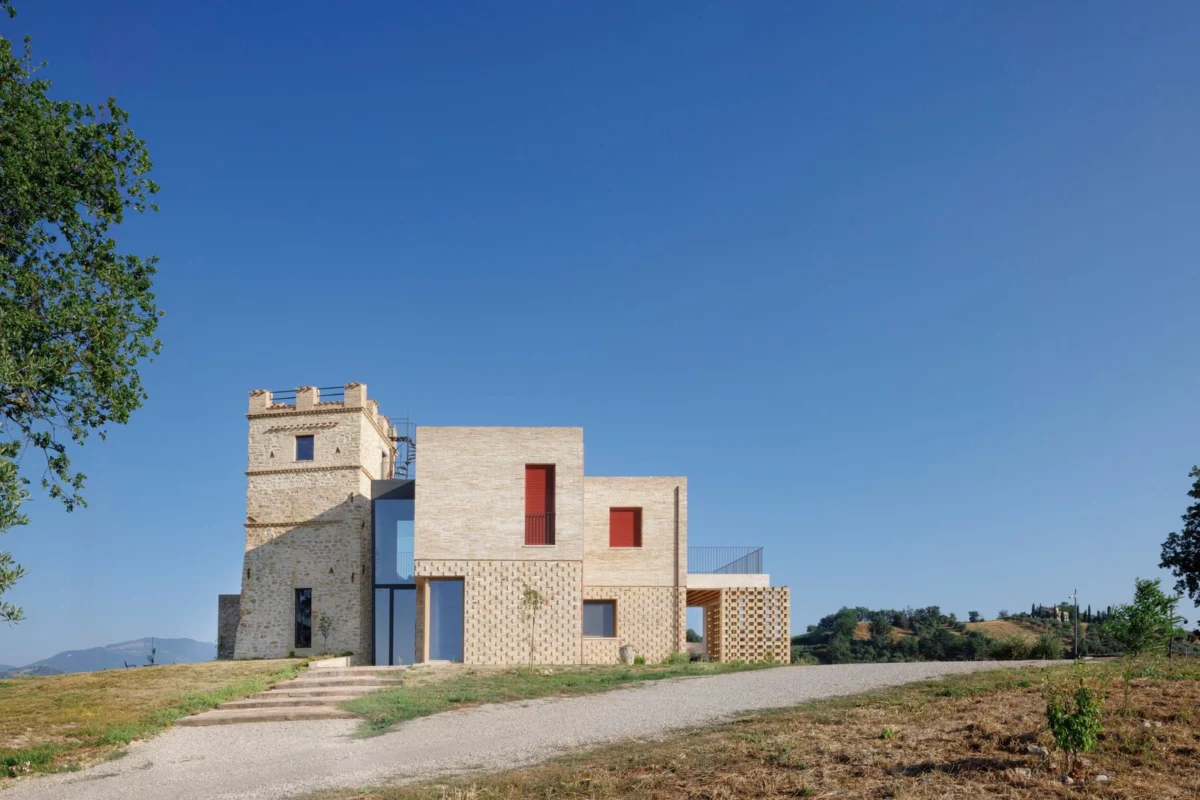
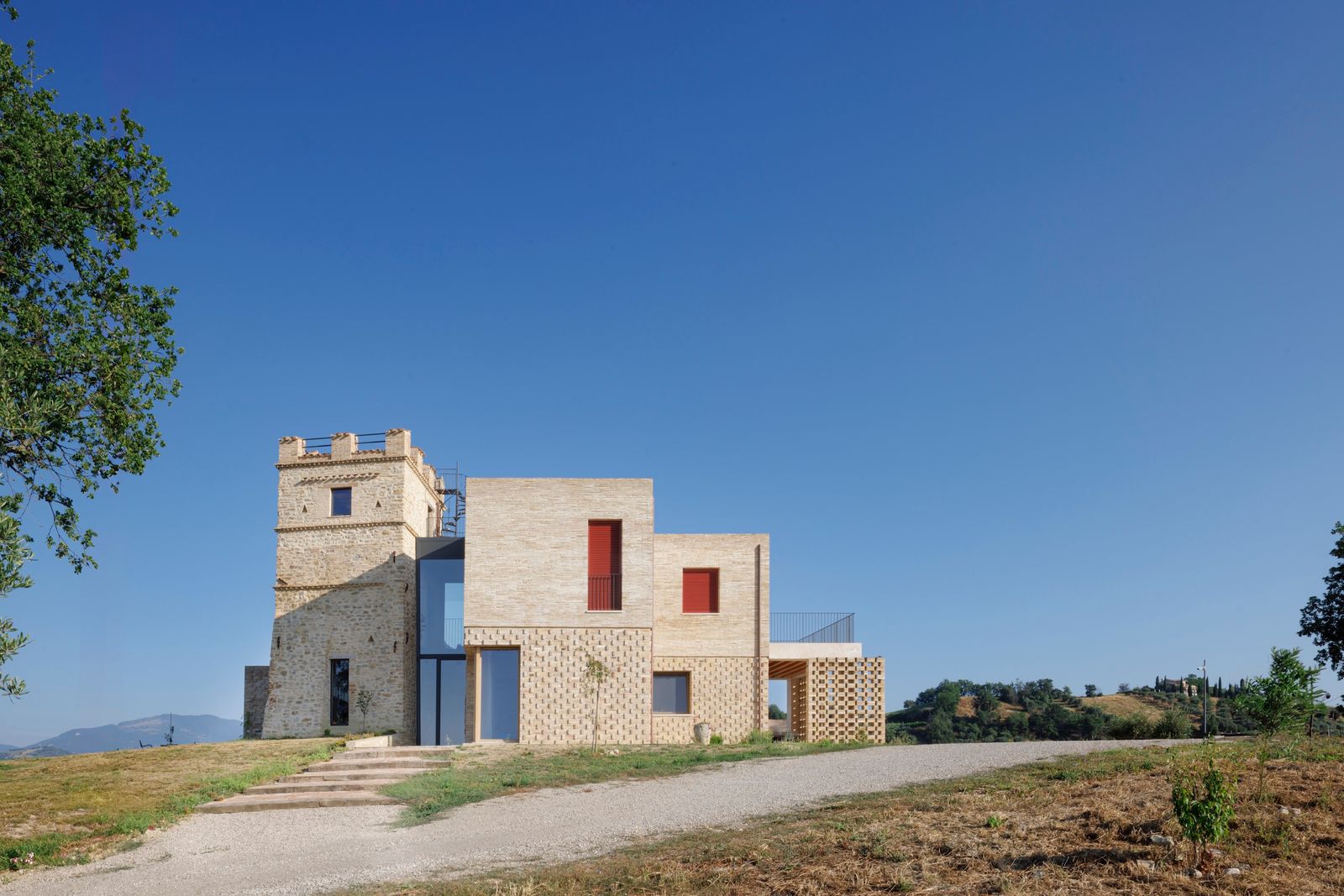
The mountainous heart of Italy, specifically the picturesque Abruzzo region, has long been a tapestry of ancient history, rugged beauty, and resilient communities. It was here, atop a famously steep incline affectionately dubbed "Peppa Pig hill" by its owners, Emanuela and Francesco, that a remarkable architectural endeavor unfolded. Their vision: to transform a dilapidated, earthquake-ravaged farmhouse, steeped in Francesco’s family history, and its adjacent 17th-century watchtower into a vibrant, modern family residence. This ambitious project, meticulously brought to life by the Florence-based studio Map Architetti, stands as a testament to the power of adaptive reuse, sensitive design, and structural innovation in the face of profound historical and geological challenges. The resulting home is not merely a renovation but a dialogue between centuries, offering panoramic vistas of the majestic Gran Sasso range while anchoring itself firmly in the region’s rural vernacular.
The Historic Canvas: Abruzzo’s Enduring Legacy and Seismic Realities
Abruzzo, a region often characterized by its dramatic Apennine peaks and a coastline stretching along the Adriatic Sea, boasts a rich and complex history. Its strategic geographical position, particularly its elevated vantage points, made it a crucial area for defense and observation throughout various historical periods. The presence of a 17th-century watchtower on Francesco’s family property near Teramo is a direct echo of this past. These structures, built to guard against invaders or to monitor trade routes, are ubiquitous across Italy’s historical landscape, serving as silent sentinels of bygone eras. For Emanuela and Francesco, this watchtower represented a tangible link to their heritage, a monument they were determined to integrate rather than merely preserve. Its strategic location on a prominent hilltop would have offered commanding views, explaining its original purpose and now, its allure for a modern home.
However, Abruzzo’s history is also marked by a recurring geological adversary: earthquakes. The region lies within one of Italy’s most seismically active zones, a reality that has profoundly shaped its architecture and societal resilience. The Apennine mountain range, running down the spine of Italy, is a complex geological area where the African and Eurasian tectonic plates converge. Over the centuries, countless towns and villages have been devastated and rebuilt. More recently, devastating tremors, such as the 2009 L’Aquila earthquake (which caused extensive damage and over 300 fatalities) and the series of central Italy earthquakes in 2016-2017 (which led to widespread destruction in towns like Amatrice, Norcia, and Accumoli), have underscored the vulnerability of historic masonry structures and the critical need for robust, earthquake-resistant construction. It was these very seismic events, unspecified in their exact timing relative to the project but undoubtedly part of the region’s constant threat, that had rendered Francesco’s ancestral farmhouse "unlivable," reducing it to a shell of its former self and necessitating a complete structural overhaul rather than a simple restoration. This context elevates the project from a mere design challenge to an act of cultural and structural reaffirmation, ensuring that a piece of family and regional history could safely continue into the future. Italian building codes for seismic zones are among the strictest in the world, particularly for new constructions or major renovations in areas prone to earthquakes, adding another layer of complexity to the project.
From Ruin to Residence: The Architectural Journey
The journey to create this unique family home began with the fundamental decision to not merely restore but to rebuild and integrate. Emanuela and Francesco sought an architectural partner who could navigate the complexities of combining a historic relic with contemporary living requirements, all while respecting the demanding topography of their "Peppa Pig hill." Florence-based Map Architetti, known for their expertise in reactivating historic buildings through modern interventions, proved to be the ideal choice. Their philosophy aligns perfectly with the project’s core challenge: to imbue old structures with new ideas, creating spaces that are both deeply rooted in their past and vibrantly forward-looking. Their portfolio often features projects that demonstrate a sensitive approach to historical context while employing innovative construction techniques and modern aesthetics.
The initial phase, overseen by structural design and construction management specialists Gabriele Ninni and Alessandra Ninni, involved extensive site analysis and structural assessment. The farmhouse, a traditional rural dwelling, was beyond conventional repair due to cumulative earthquake damage and prolonged disuse. This allowed for a new construction that could fully embrace modern seismic standards while aesthetically harmonizing with the ancient watchtower. The watchtower itself, though possessing greater inherent structural stability due to its robust construction, also required "extensive repairs" to ensure its long-term stability and functionality, particularly as it was to become an integral part of the new living space, rather than a separate, decorative element. This involved careful masonry repair, consolidation of existing walls, and potentially the integration of modern reinforcing elements discreetly within the historic fabric.
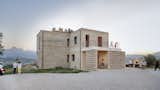
Map Architetti’s design concept revolved around a fluid, organic plan that literally wraps around the 17th-century watchtower. This strategic embrace positions the tower as the central, immutable core of the new dwelling, around which modern life unfolds. The architectural flow begins with a striking glass-walled entry, a transparent threshold that immediately establishes a dialogue between the ancient stone and contemporary materials. This choice of a transparent entry maximizes natural light and provides an immediate visual connection to the landscape, contrasting sharply with the solid, defensive nature of the tower. From this entry, the layout seamlessly transitions into the dining area and then around to the expansive living room, creating a continuous, open-plan space that cleverly integrates the tower’s solid, historic presence into the fabric of daily life. This dynamic arrangement ensures that the panoramic views of the Gran Sasso mountain range, a key asset of the hilltop location, are maximized from multiple vantage points across the home’s two levels, including from the watchtower itself. The architects’ decision to create a "wrap-around" design is a masterstroke in both spatial organization and symbolic integration, literally making the old tower the heart of the new home.
Crafting Continuity: The Art of Reclaimed Brickwork
One of the most defining and technically challenging aspects of the project was Map Architetti’s decision to utilize reclaimed brick for the new construction. This choice was deeply symbolic and practical. By sourcing bricks from nearby farmhouses that had been demolished, the architects not only championed a sustainable approach but also ensured a material continuity with the region’s traditional rural architecture. This decision allowed the new family home to visually blend with the historic watchtower, creating a cohesive aesthetic that appears to have evolved organically over time, rather than presenting a stark contrast between old and new. The patinated surfaces and irregular textures of reclaimed bricks imbue the new structure with an immediate sense of history and warmth.
However, working with reclaimed bricks presented significant design and construction hurdles. As Santini of Map Architetti noted, "The work with the bricks has been very challenging, but the result for us is very interesting." Unlike standardized modern bricks, reclaimed materials vary considerably in size, texture, color, and structural integrity, requiring meticulous planning and skilled craftsmanship. The firm had to develop specific methodologies to sort, clean, and lay these irregular bricks, transforming a potential obstacle into an opportunity for unique artistic expression. This process often involves a higher labor cost and requires masons with specialized experience in traditional techniques.
Map Architetti’s ingenuity is particularly evident in the façade treatment. For the ground-floor exterior, the team devised an innovative pattern where bricks jut out at regular intervals. This subtle yet dynamic articulation creates a mesmerizing play of shadows that shifts and evolves with the sun’s movement throughout the day, imbuing the robust brickwork with a sense of lightness and animation. This design choice pays homage to traditional masonry techniques while introducing a contemporary sculptural quality. It also provides a textured surface that interacts beautifully with the strong Abruzzo sunlight. In contrast, the upper floor features slimmer bricks, deliberately chosen to give this section of the house a lighter, more ethereal feel, further differentiating the structural massing and adding visual interest. This nuanced approach to brickwork not only merges the home with its historic counterpart but also creates a novel hilltop dwelling that, while distinctly modern, profoundly references its surroundings and the material heritage of the region.
Interiors: A Harmonious Blend of Modernity and Rustic Charm
Inside, the home continues the sophisticated dialogue between the historic and the contemporary, functionality and aesthetics. Map Architetti crafted interiors that are both robust and refined, designed to complement the natural beauty outside and the ancient structure within. The material palette is thoughtfully curated, featuring bespoke oak joinery that provides warmth and custom storage solutions throughout the house. This tailor-made cabinetry, designed by Map Architetti and expertly installed by DeRe Cucine, ensures optimal space utilization and a seamless, uncluttered aesthetic, characteristic of high-quality modern design. The natural grain of the oak adds a touch of organic elegance, contrasting with the more rugged brick and concrete elements.
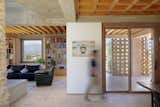
The flooring throughout the main living areas consists of rich brick, a direct echo of the exterior and a nod to traditional Italian farmhouses. Crucially, these brick floors are heated, offering both comfort during Abruzzo’s colder months and energy efficiency. This choice exemplifies the project’s commitment to blending traditional materials with modern amenities, creating a comfortable living environment that respects regional architectural precedents. Overhead, exposed concrete and wood beams lend an industrial-chic edge, balancing the rustic elements and adding structural honesty to the design. This combination creates a visually dynamic ceiling that showcases the construction process itself.
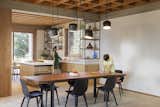
The living spaces are further enriched by a selection of iconic and contemporary furnishings. Flos Aim pendants, designed by Ronan and Erwan Bouroullec, hang gracefully above the dining table, providing focused illumination and a touch of modern elegance. These are paired with practical yet stylish Odger dining chairs in anthracite from Ikea, demonstrating a smart mix of high-design lighting with accessible, sustainable seating options (Odger chairs are notably made from recycled wood and plastic, aligning with the project’s sustainable ethos). The dining table and the integrated kitchen, central to family life, were custom-designed by Map Architetti, emphasizing bespoke solutions that cater specifically to the family’s needs and the unique spatial constraints.
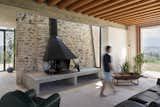
In the living room, comfort meets classic design with a plush Vanity Fair armchair by Poltrona Frau, a timeless piece of Italian furniture craftsmanship renowned for its luxurious leather and iconic form, complemented by a Frau Sofa by Nicolain. Against the raw, ancient wall of the watchtower, which has been artfully incorporated into the living room, sits a striking steel fireplace, also designed by Map Architetti. This modern, minimalist fireplace provides a focal point, drawing attention to the seamless integration of the historic tower within the contemporary interior, serving as a symbolic hearth for the new family home.
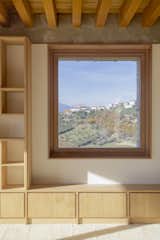
Window frames, made of durable and aesthetically pleasing okoumé wood, frame the breathtaking views of the Gran Sasso, allowing natural light to flood the interiors while providing excellent thermal insulation. Okoumé is a strong, lightweight, and moisture-resistant wood, ideal for such applications. The thoughtful inclusion of latticed screens on outdoor areas offers protection from harsh sun and strong winds, extending the usability of exterior spaces and blurring the lines between indoor and outdoor living. These screens, while functional, also add a layer of architectural detail and texture to the facades.
The Watchtower Reimagined: Structural Integrity and New Purpose
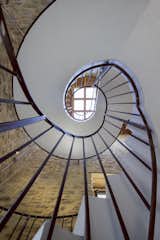
The 17th-century watchtower, once a standalone defensive structure, has been given a new lease on life, transforming from a historical ruin into an active, functional part of the family home. Beyond the essential "extensive repairs" to its ancient masonry, Map Architetti, working with building services (MEP) design specialists Domenico Torini and ReMa Engineering, introduced a new spiral staircase within the tower’s core. This staircase is not merely for access; it plays a critical structural role, providing essential reinforcement to the venerable stone walls, enhancing its seismic resilience, and ensuring its longevity. This internal steel or reinforced concrete structure essentially creates a "core" that helps brace the old masonry, a common strategy in rehabilitating historic buildings in seismic zones.
The spiral staircase ascends to a small landing, which in turn leads to a private terrace. This elevated outdoor space offers unparalleled 360-degree views of the surrounding Abruzzo landscape and the Gran Sasso peaks, transforming the tower’s original purpose of observation into a serene retreat for contemplation and enjoyment. This thoughtful intervention allows the tower to serve a modern function without compromising its historical integrity, creating a unique vertical dimension to the home that culminates in a spectacular vantage point.
Broader Implications: A Model for Sustainable Heritage Architecture
The Casa T project by Emanuela, Francesco, and Map Architetti in Abruzzo offers more than just a beautiful family home; it provides a compelling case study for sustainable heritage architecture and adaptive reuse. In a country like Italy, rich with ancient structures and frequently challenged by natural disasters, the approach taken here offers a valuable blueprint for future developments.
Preservation and Innovation: The project demonstrates that preserving historical structures does not necessarily mean freezing them in time. Instead, it advocates for a dynamic form of preservation that integrates modern living and innovative design, ensuring the continued relevance and viability of these landmarks. By weaving the watchtower into the very fabric of the new home, Map Architetti has shown how historical elements can become active participants in contemporary life, rather than mere museum pieces. This approach challenges conventional notions of preservation, proposing a symbiotic relationship between past and present.
Environmental Responsibility: The extensive use of reclaimed bricks highlights a strong commitment to environmental responsibility. This practice significantly reduces construction waste, minimizes the demand for new raw materials, and maintains a material connection to the local environment, contributing to a lower carbon footprint for the construction. The decision to incorporate heated brick floors also speaks to modern energy efficiency considerations, a vital aspect in any contemporary build, especially in mountainous regions where temperature fluctuations can be significant. The careful selection of materials like okoumé wood for window frames also reflects a preference for durable and sustainable options.
Economic and Cultural Revitalization: Projects like Casa T contribute significantly to the economic and cultural revitalization of rural areas. They demonstrate the potential for transforming derelict properties into valuable assets, attracting investment, skilled craftsmanship, and sustainable tourism. Such developments help to retain the unique character of Italian landscapes while offering modern amenities that can encourage younger generations to remain in or return to these historic regions, combating depopulation trends in many rural Italian towns.
Resilience in Construction: Given Abruzzo’s seismic activity, the structural reinforcement of the watchtower and the new build’s inherent resilience are paramount. The necessity of rebuilding a previously "unlivable" farmhouse implies a strong focus on modern anti-seismic construction techniques, ensuring the safety and durability of the new home for generations to come. The collaboration with specialized structural and MEP engineers underscores the rigorous technical approach taken to meet stringent Italian building codes, ensuring that this revived home is not only beautiful but also built to withstand future seismic events.
The successful completion of this project on "Peppa Pig hill" is a powerful narrative of transformation. It illustrates how deep respect for the past, combined with architectural ingenuity and a clear vision, can overcome formidable challenges—be they steep hills, earthquake damage, or the inherent complexities of working with historic structures. Map Architetti’s creation is a home that looks out over the Abruzzo landscape, but also subtly reflects its history, its challenges, and its enduring beauty, offering a unique example of how old and new can coexist in exquisite harmony.