admin
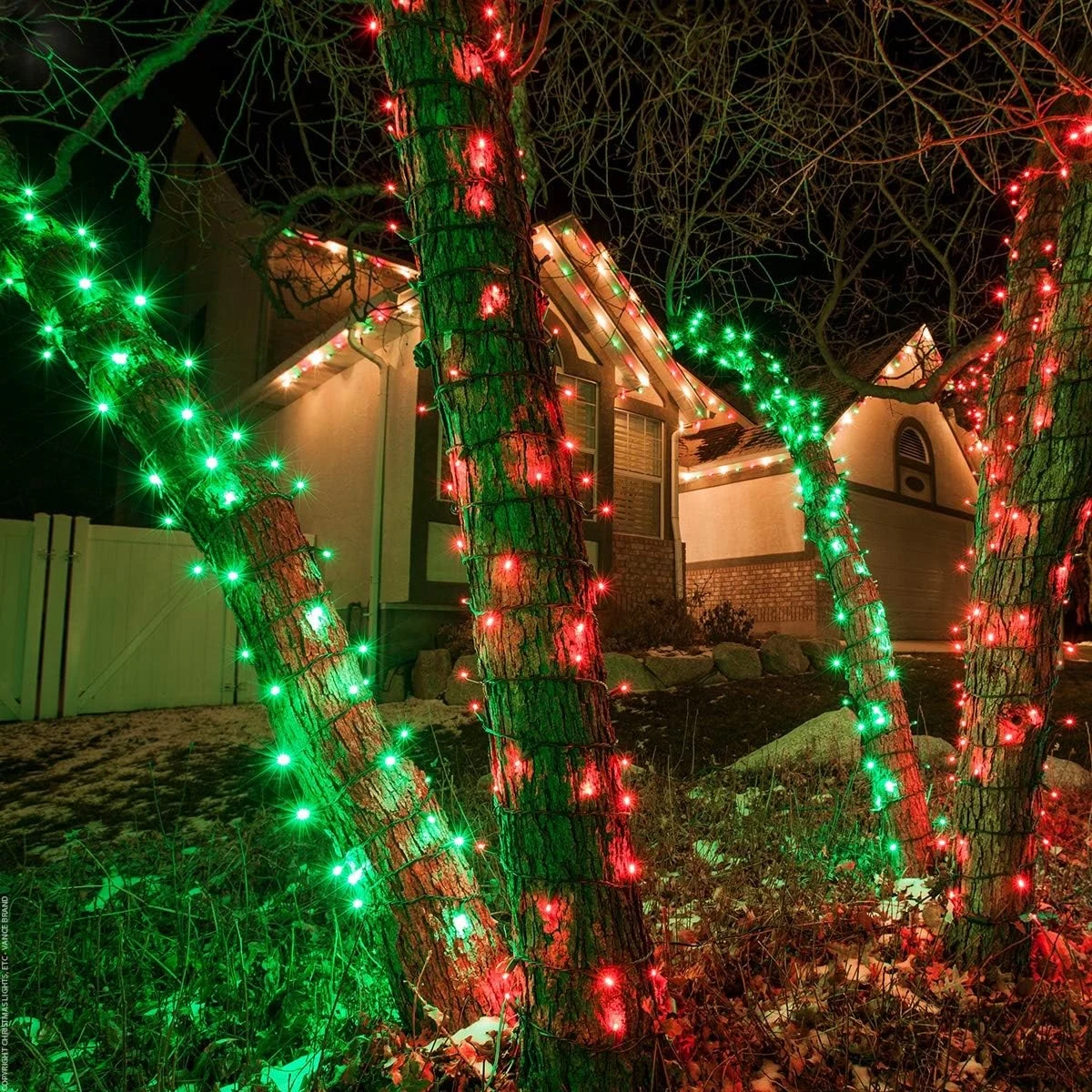
As the global holiday season approaches, the residential landscape undergoes a significant visual transformation, driven by an industry that sees more than 150 million strings of Christmas lights sold annually in the United States alone. For the modern homeowner, the process of decorating has evolved from a simple tradition into a complex logistical and technical exercise involving decisions on energy efficiency, luminous intensity, and smart-home integration. This comprehensive guide examines the current state of holiday lighting technology, providing a data-driven analysis of the options available for both interior and exterior applications.
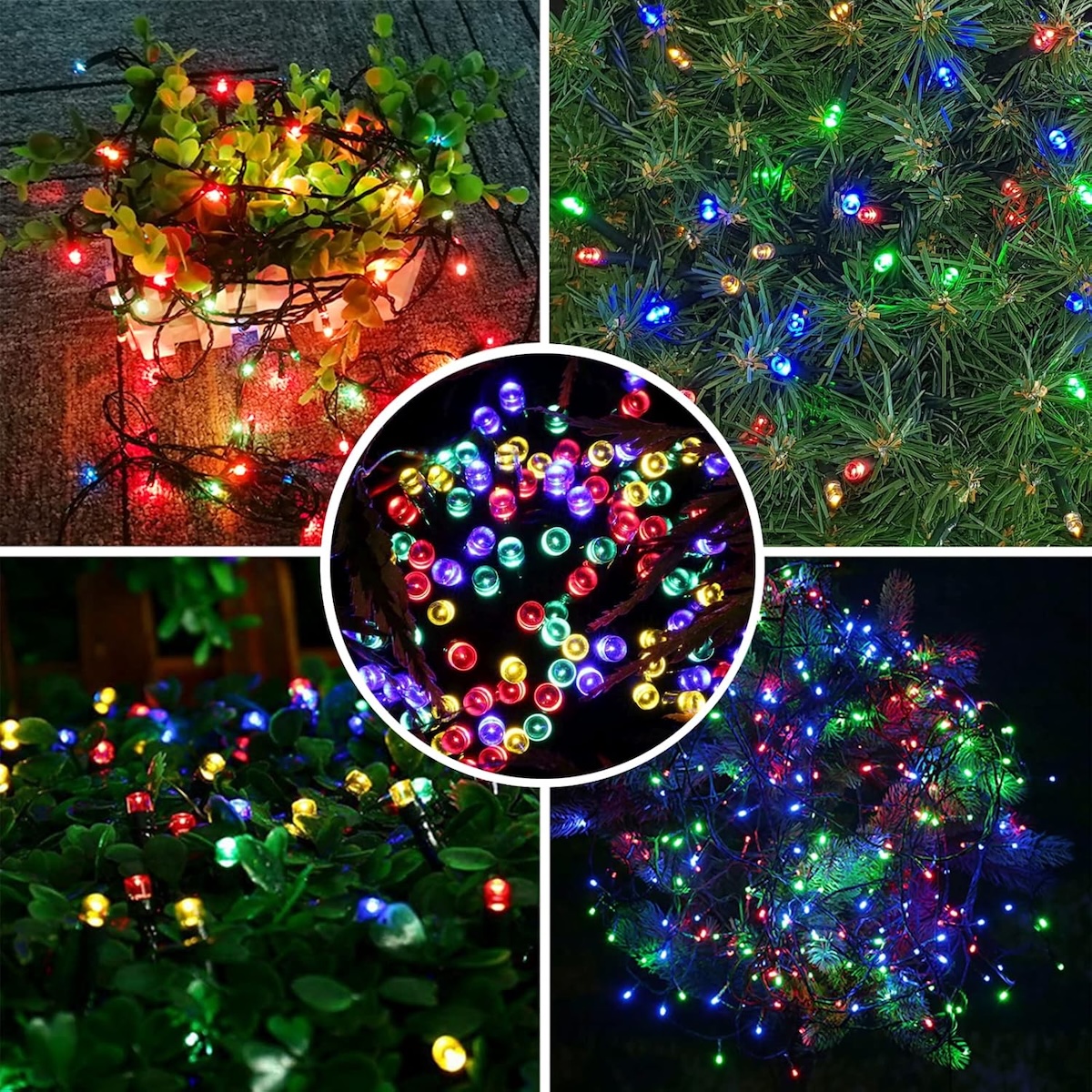
The Technological Shift: LED versus Incandescent Systems
The most fundamental decision in contemporary holiday lighting is the choice between Light Emitting Diode (LED) and traditional incandescent bulbs. This choice is no longer merely aesthetic; it is an economic and environmental consideration that reflects broader shifts in global energy consumption.
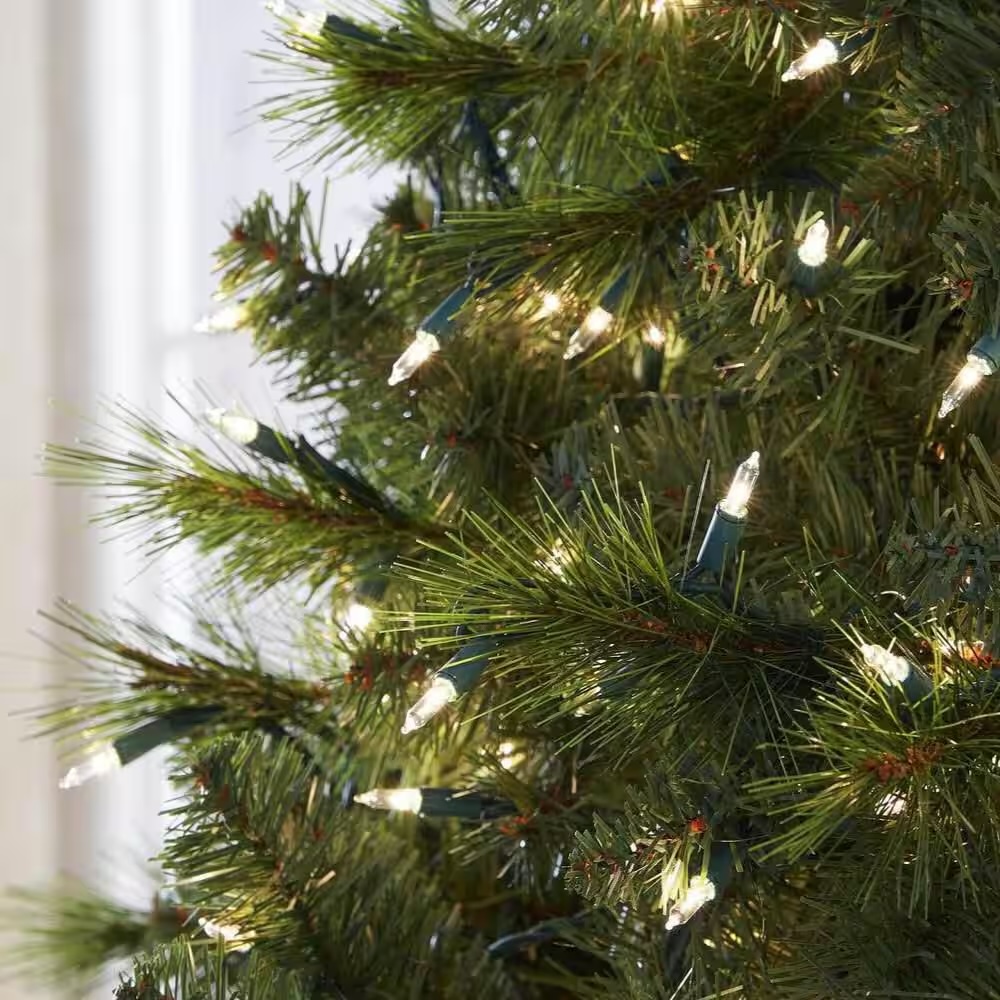
LED technology has effectively captured over 90 percent of the holiday string light market as of 2024. The primary driver of this dominance is energy efficiency. LED bulbs consume approximately 75 to 80 percent less energy than their incandescent counterparts. Furthermore, the operational lifespan of an LED bulb is rated at upwards of 50,000 hours, whereas incandescent bulbs typically fail after 1,000 to 3,000 hours. From a safety perspective, LEDs remain cool to the touch even after hours of operation, significantly reducing the risk of fire when draped over dry evergreen needles or flammable textiles.
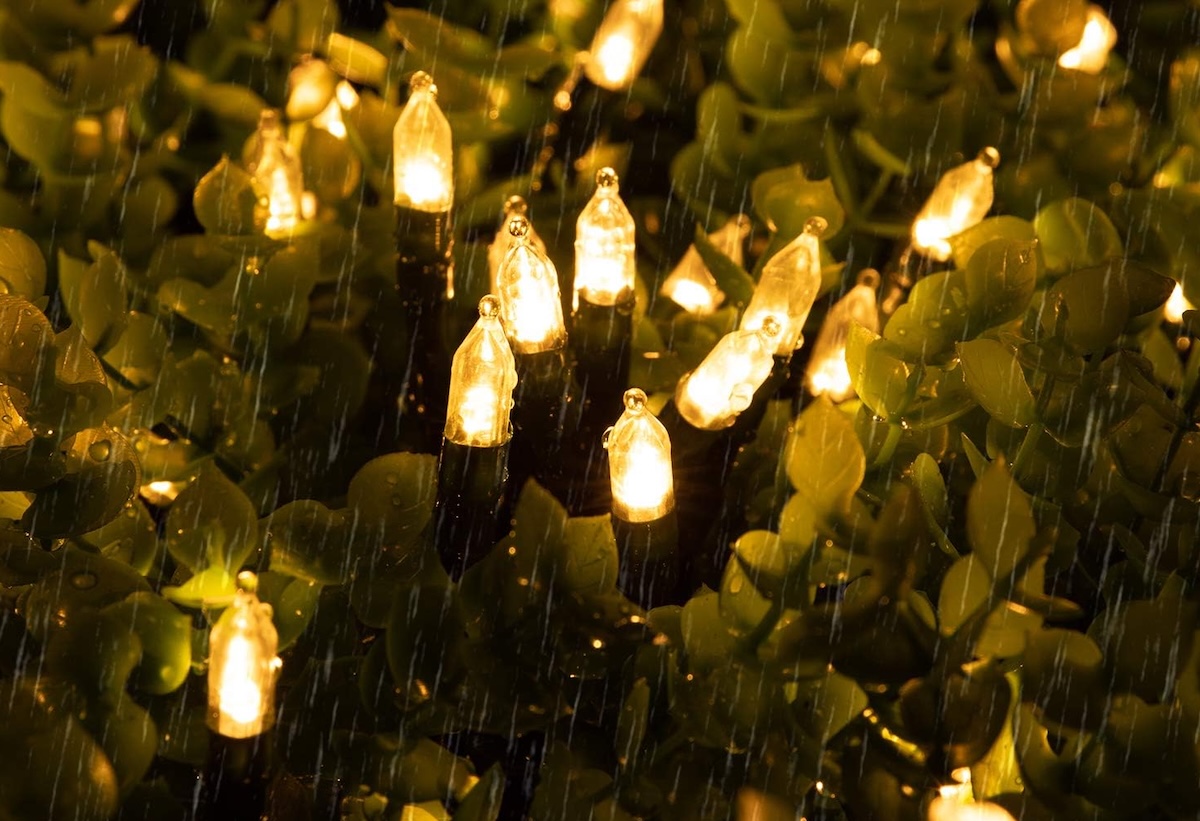
Conversely, incandescent lighting maintains a niche market due to its specific "warm" color temperature. Traditional bulbs operate by heating a filament until it glows, producing a soft, amber-toned light that many consumers associate with nostalgia. While modern "Warm White" LEDs attempt to replicate this 2700K to 3000K color temperature, purists often argue that the spectral output of a true incandescent filament remains unmatched. However, the higher operating costs—both in terms of utility bills and the frequency of bulb replacement—make incandescents a diminishing choice for large-scale displays.
A Chronology of Holiday Lighting Evolution
To understand the current market, one must look at the technical milestones that brought the industry to its current state. The tradition of electric holiday lighting began in 1882, when Edward H. Johnson, an associate of Thomas Edison, hand-wired 80 red, white, and blue bulbs for a tree in New York City.
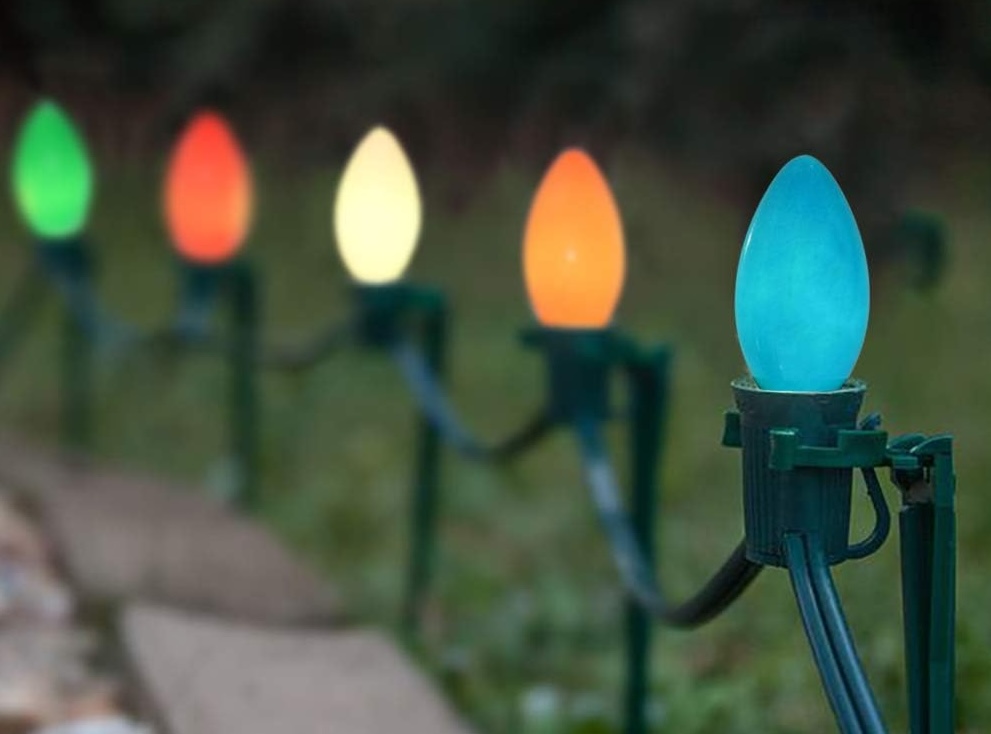
By the 1920s, the General Electric Company began mass-producing pre-assembled light strings, making the technology accessible to the middle class. The mid-20th century saw the introduction of the "C-series" bulbs (C7 and C9), which utilized ceramic coatings and became the standard for outdoor displays. The 1970s introduced the "mini light," a low-voltage incandescent bulb that allowed for denser, more intricate decorating. The most recent revolution began in the late 1990s with the introduction of the first blue and white LEDs, leading to the high-efficiency, multi-colored, and app-controlled systems that define the 2024 market.
Categorization by Power Source and Environment
Modern lighting systems are categorized by their power delivery and environmental durability. Industry standards require specific ratings for indoor and outdoor use to ensure electrical safety.
- Plug-In Systems: These remain the standard for reliability. By utilizing a direct connection to a 120V AC outlet, these systems provide consistent brightness and are capable of powering extensive displays.
- Battery-Powered Options: Utilizing AA or D-cell batteries, these sets are essential for areas lacking electrical infrastructure, such as wreaths on entry doors or centerpieces on dining tables. While convenient, they require more frequent maintenance to replace depleted cells.
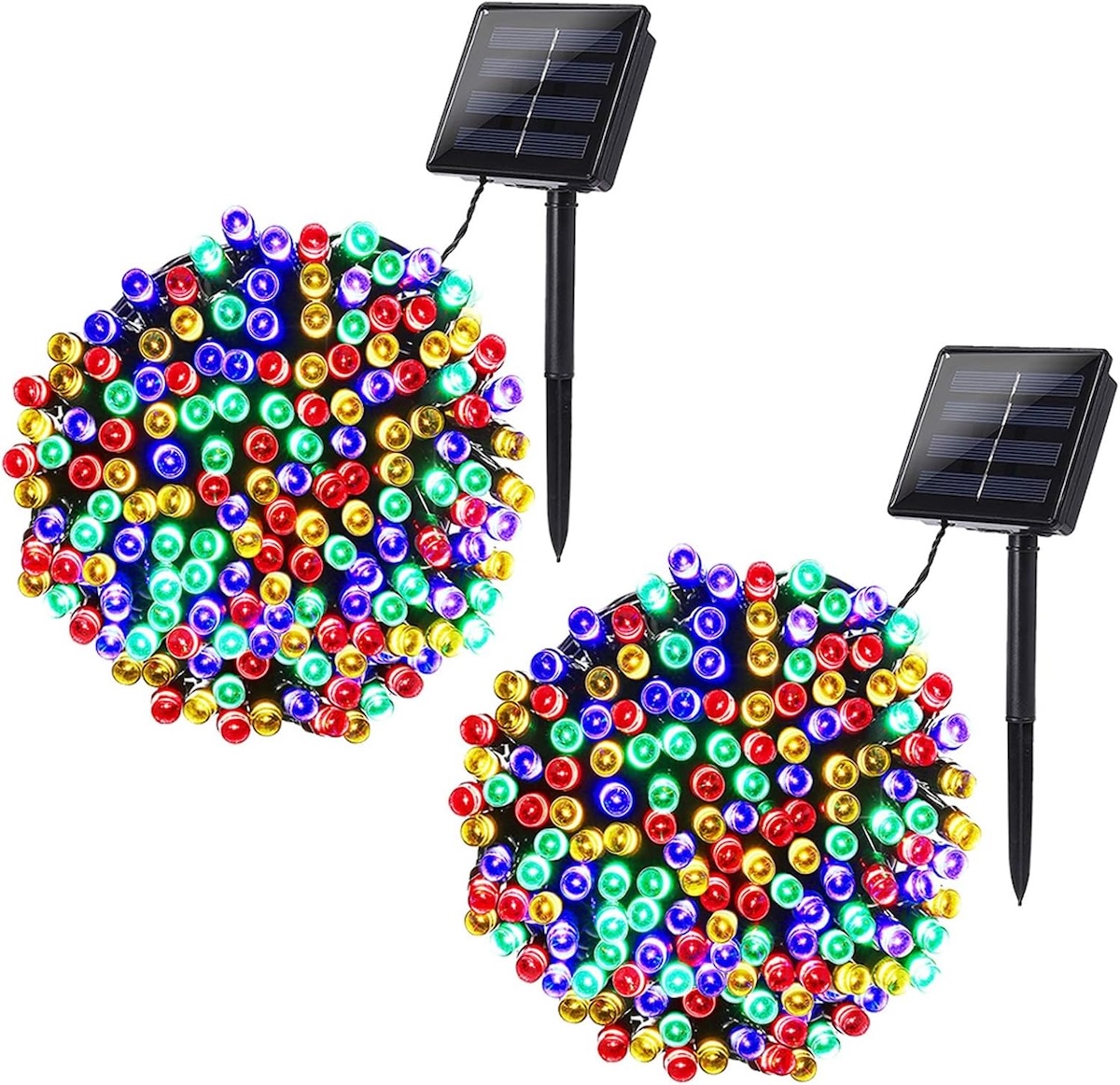
- Solar-Powered Arrays: These represent the eco-conscious segment of the market. Integrated photovoltaic panels charge internal batteries during daylight hours. While they eliminate energy costs, their performance is contingent upon geographic location and daily cloud cover, making them less reliable in northern latitudes during the winter solstice.
- USB and Low-Voltage Systems: Increasingly popular for interior "fairy lights," these systems allow users to power decorations via laptops, power banks, or standard mobile phone adapters, offering high versatility for small-space decorating.
Specialized Bulb Styles and Their Functional Applications
The aesthetic success of a holiday display often depends on selecting the correct bulb geometry for the specific architectural or botanical feature being highlighted.
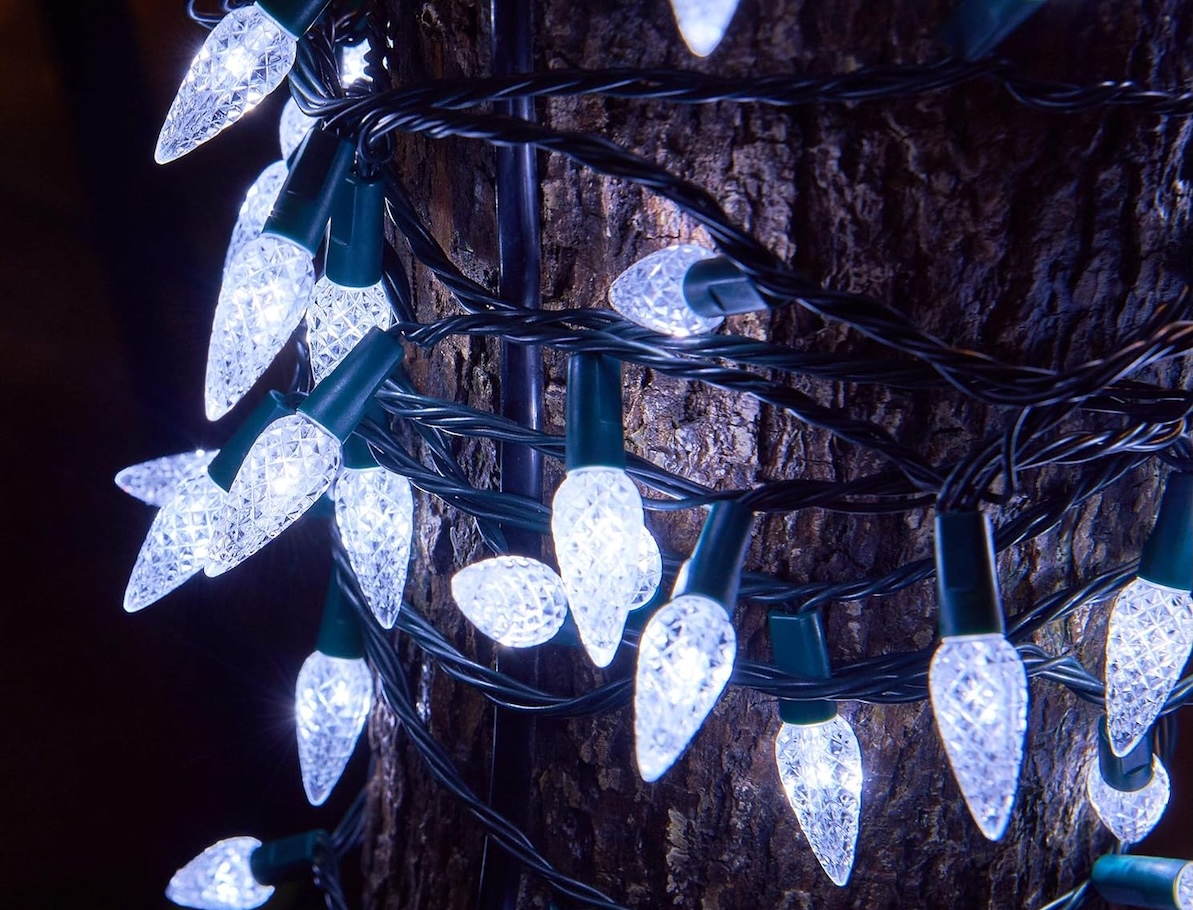
- Mini Lights (M5 and T5): These are the workhorses of the industry. Their small profile makes them ideal for interior trees and mantels. The T5 is characterized by a sharp, pointed tip, while the M5 features a rounded, faceted lens that diffuses light more broadly.
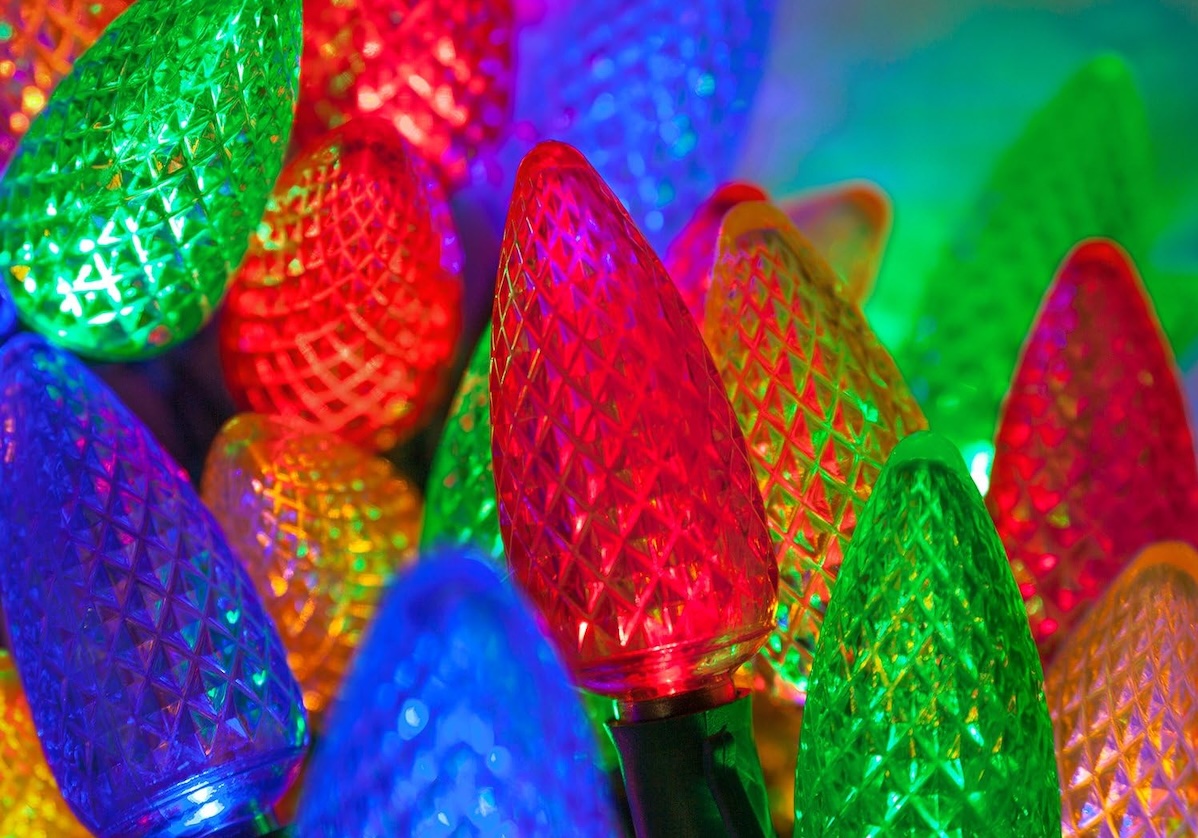
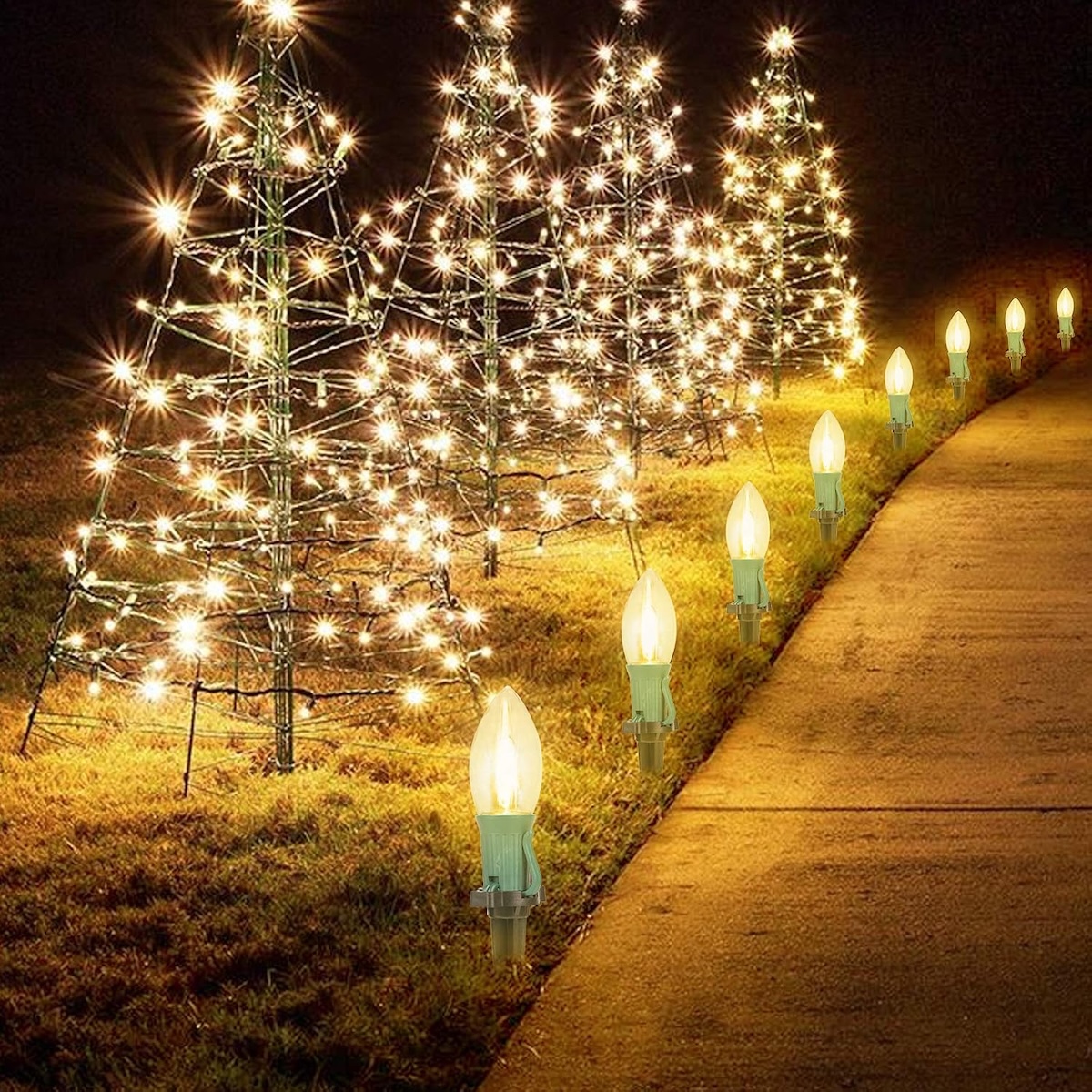
- Traditional Bulbs (C6, C7, C9): These "strawberry-shaped" bulbs are preferred for a vintage aesthetic. The C9, the largest of the group, is specifically designed for rooflines and large outdoor trees, providing high visibility from a distance.
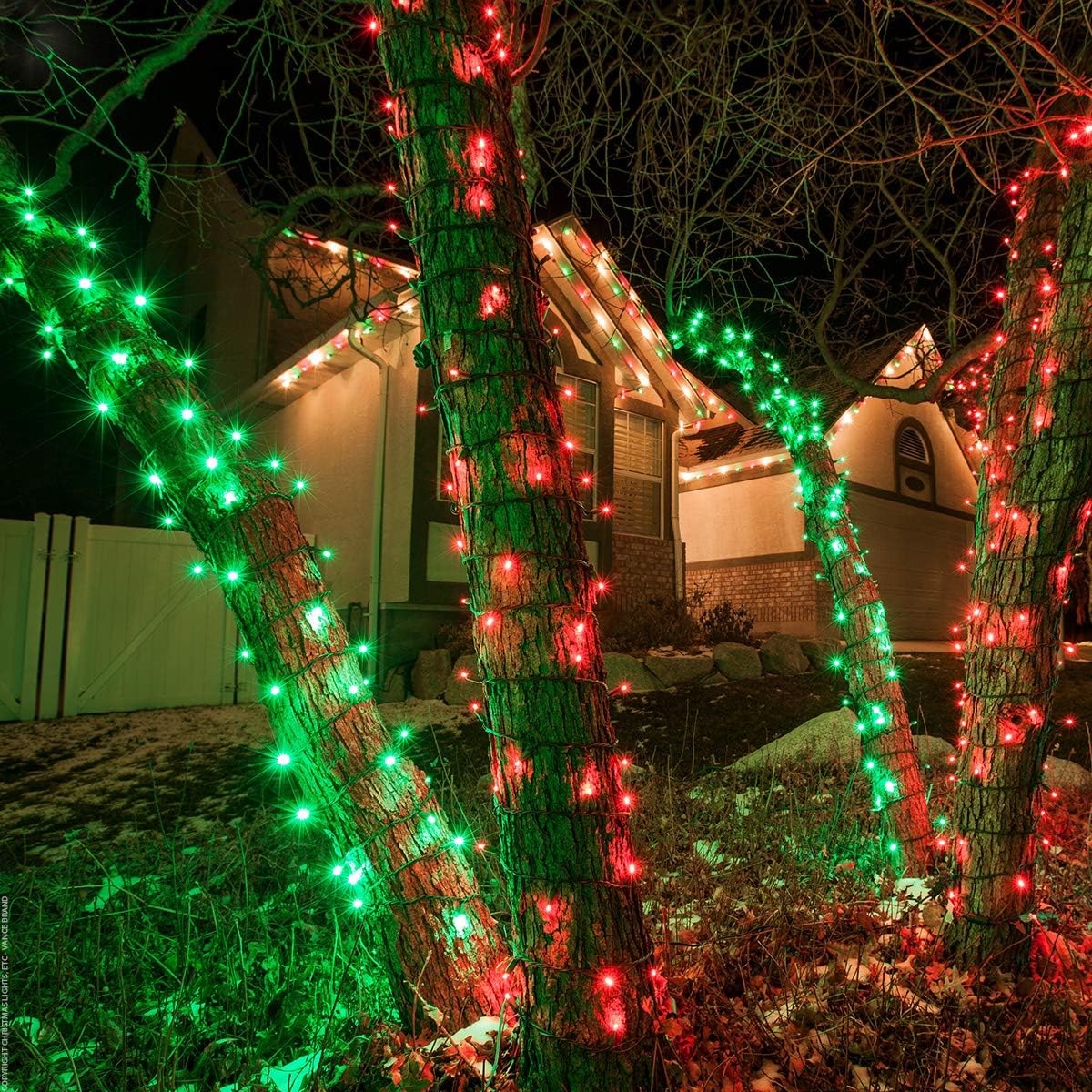
- Wide-Angle (5mm) LEDs: These bulbs feature a concave lens that disperses light in a 180-degree pattern. They are the preferred choice for professional installers when wrapping tree trunks or dense hedges, as they provide consistent brightness regardless of the viewing angle.
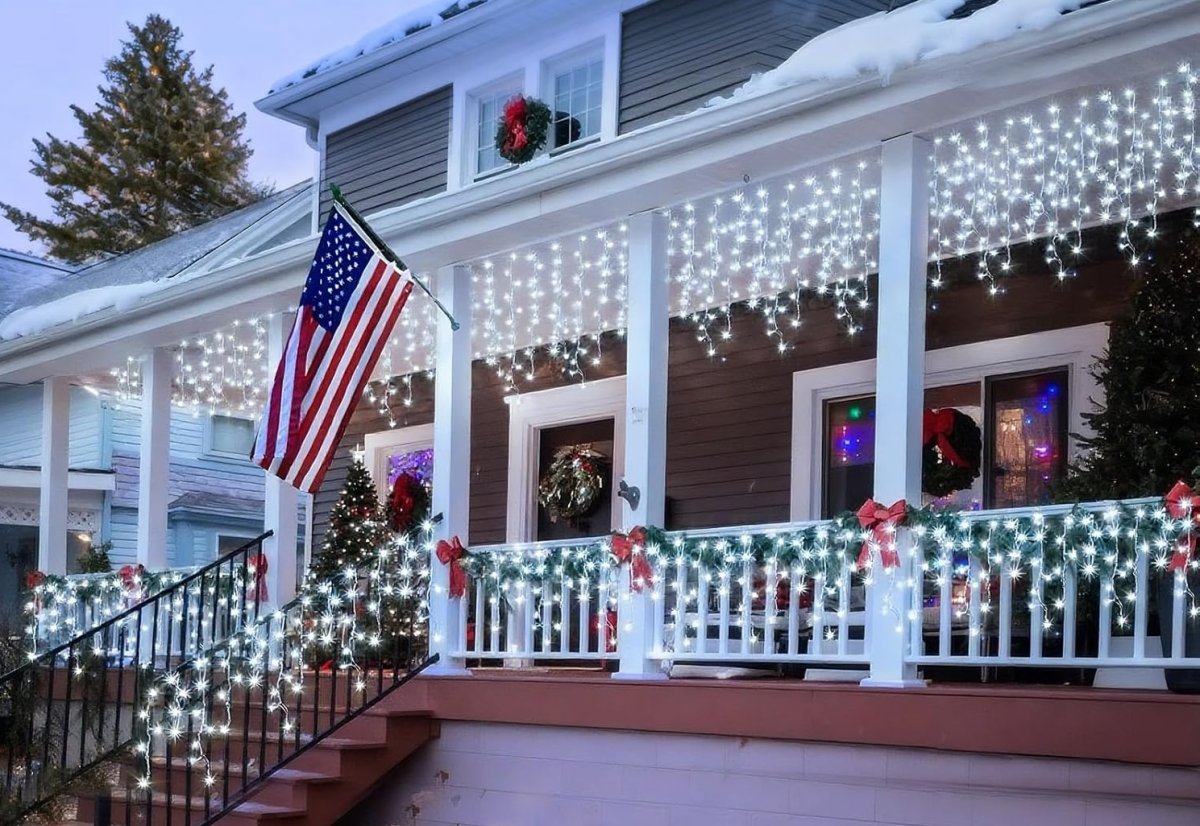
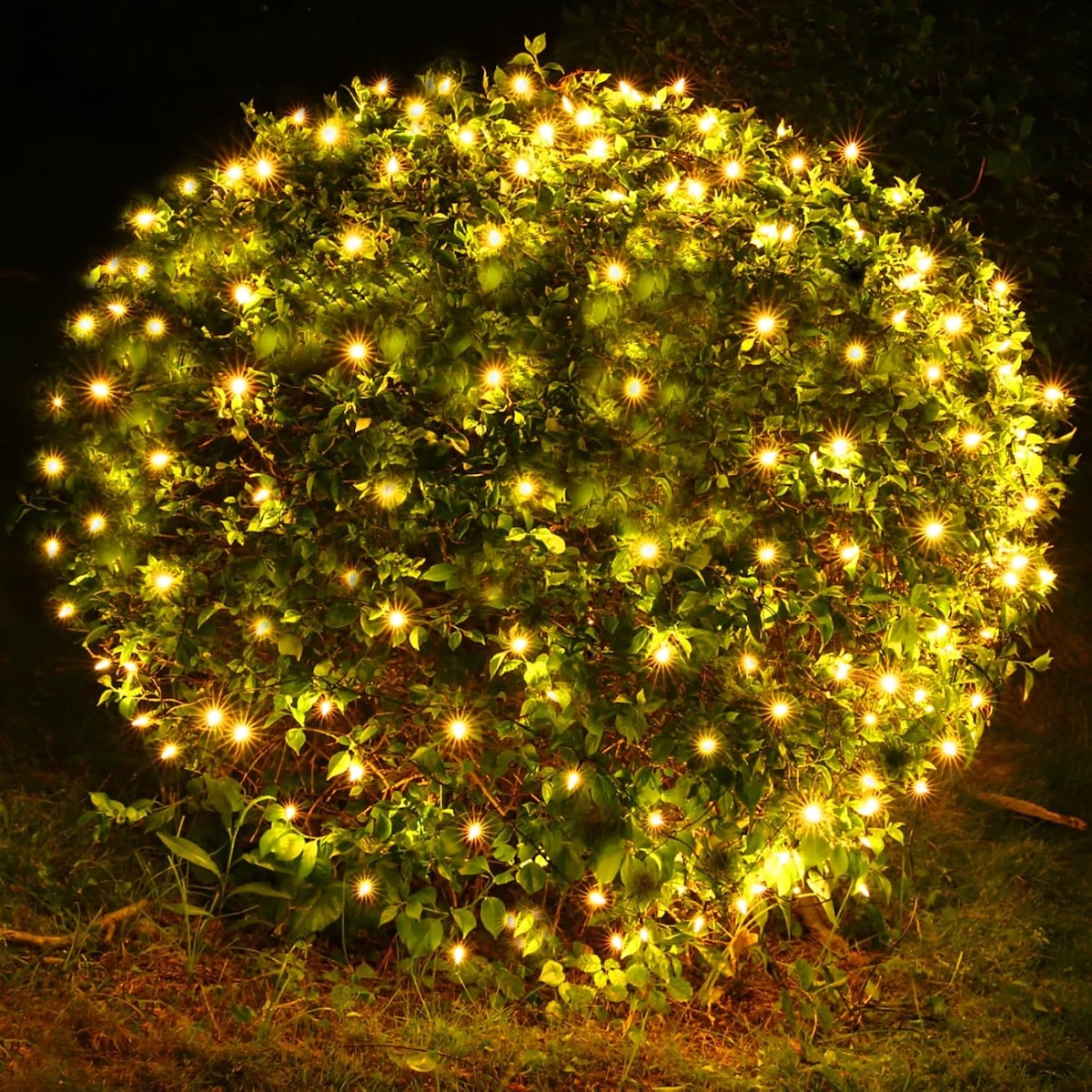
- Icicle and Net Lights: These are designed for logistical efficiency. Icicle lights utilize varying drop lengths to mimic natural frozen precipitation along eaves, while net lights provide a pre-woven grid that can be draped over shrubs to ensure uniform bulb spacing without the need for manual wrapping.
Consumer Trends: The Rise of Smart and Customizable Displays
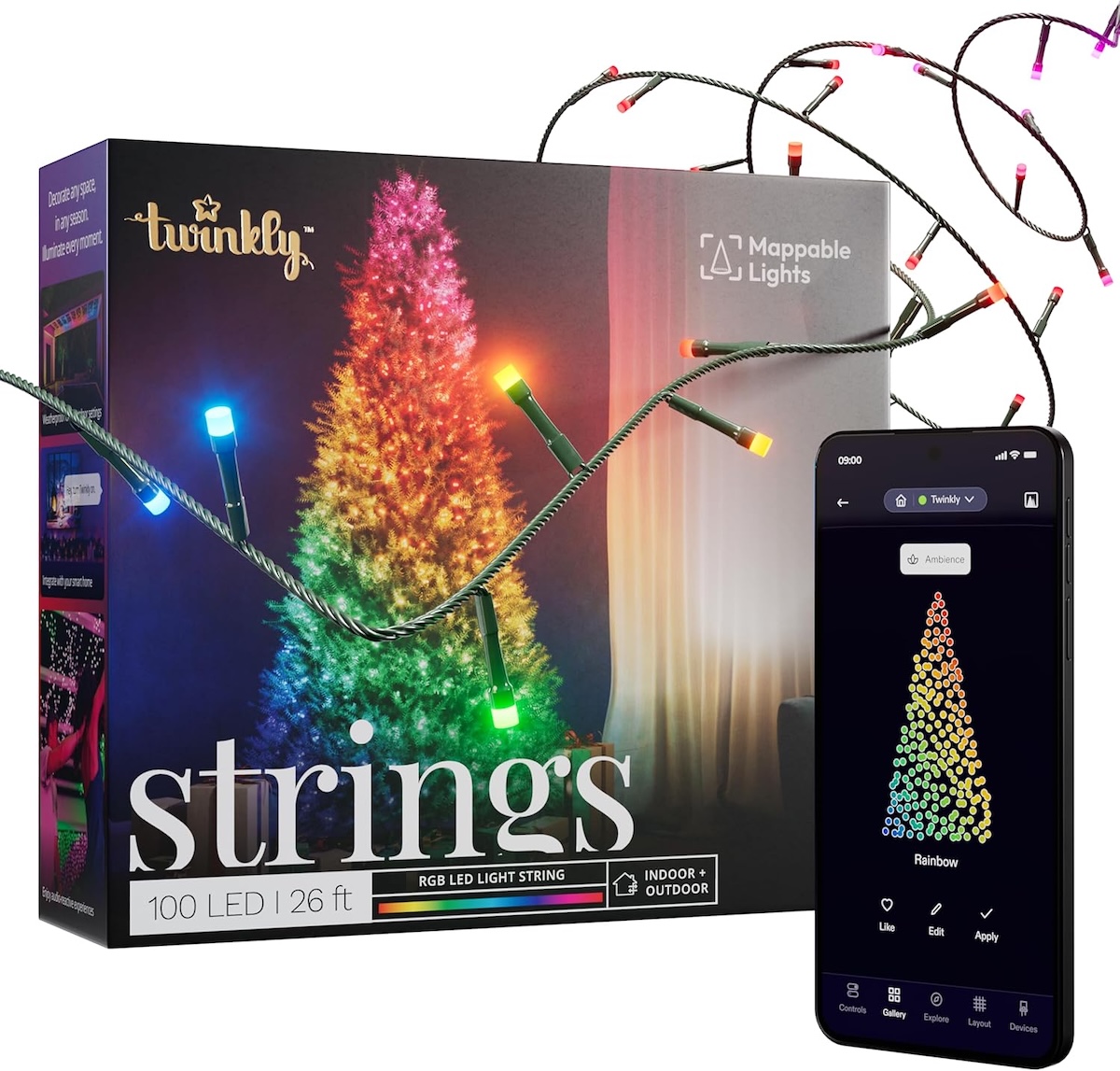
A 2026 survey conducted by the home services platform Thumbtack indicates that over 50 percent of homeowners intend to expand their outdoor displays this year. This growth is accompanied by a surge in "Smart Lighting" technology. Digital systems now allow users to map their displays via smartphone cameras and apps, enabling individual control over every bulb on a string. These systems can produce 16 million colors and synchronize with music, reflecting a shift from static displays to interactive, theatrical home installations.
Supporting Data: Energy Consumption and Cost Analysis
The economic impact of the shift to LED cannot be overstated. According to data from the Department of Energy, the cost to light a six-foot Christmas tree for 12 hours a day for 40 days varies significantly by technology:
- Incandescent C7 bulbs: Approximately $25.00 – $30.00 in electricity.
- Incandescent Mini lights: Approximately $10.00 – $12.00.
- LED Mini lights: Approximately $0.80 – $1.00.
While the initial purchase price of LED strings is typically 20 to 40 percent higher than incandescents, the "payback period" through energy savings and reduced replacement costs is generally achieved within two holiday seasons.
Safety Regulations and Risk Mitigation
The National Fire Protection Association (NFPA) reports that holiday decorations are a factor in hundreds of residential fires annually. To mitigate these risks, industry experts emphasize adherence to the following safety protocols:
- Certification Standards: Consumers should only purchase lighting that bears the Underwriters Laboratories (UL) or Intertek (ETL) mark, ensuring the product has been tested for electrical safety.
- Wattage Limitations: It is critical to avoid "daisy-chaining" too many strings together. Most incandescent strings are limited to three consecutive sets, whereas LED sets often allow for 20 to 40 strings to be connected, depending on the total wattage.
- Environmental Suitability: Indoor-rated lights should never be used outdoors, as they lack the moisture-resistant seals and UV-protected wiring required to withstand winter weather.
- Structural Integrity: Wires should be inspected annually for fraying or cracking. For outdoor installations, lights should be secured with insulated plastic clips rather than metal staples or nails, which can pierce the insulation and cause a short circuit.
Strategic Implementation and Planning
Professional decorators suggest a quantitative approach to holiday lighting. For a standard Christmas tree, a minimum of 100 lights per vertical foot is recommended for basic coverage, with 200 to 300 lights per foot suggested for a high-density, "designer" look. For exterior rooflines, homeowners should measure the total linear footage and add a 10 percent buffer to account for corners and the distance to the power source.
Broader Impact and Industry Outlook
The holiday lighting industry is moving toward a more sustainable and technologically integrated future. The phasing out of inefficient incandescent bulbs aligns with broader global climate goals, while the integration of AI and smart-home ecosystems allows for more precise control over energy usage. As consumers continue to invest in their home environments, the demand for durable, high-quality lighting solutions is expected to remain robust. The transition from simple illumination to complex, programmable displays reflects a broader trend in residential technology, where tradition meets modern engineering to create a more efficient and visually striking holiday experience.